
Best Canister Vacuum for Oriental Rugs: Every Type Explained Side by Side
Disclosure: We may earn a commission when you buy through links on this page, at no extra cost to you. As an Amazon Associate I earn from qualifying purchases. Learn more

How the best canister vacuum for oriental rugs compares with uprights, handhelds and carpet cleaners, plus the features that protect fine rugs.
Oriental rugs are woven to last for generations, yet the wrong vacuum can pull fringe, fuzz the pile and loosen knots surprisingly fast. Picking the best canister vacuum for oriental rugs gets easier once you see how canisters stack up against uprights, handhelds and carpet cleaners for this one delicate job.
This guide compares each type side by side, explains who a canister actually suits and lists the features that protect a handmade or machine woven rug. The models in the product table above follow the same logic.

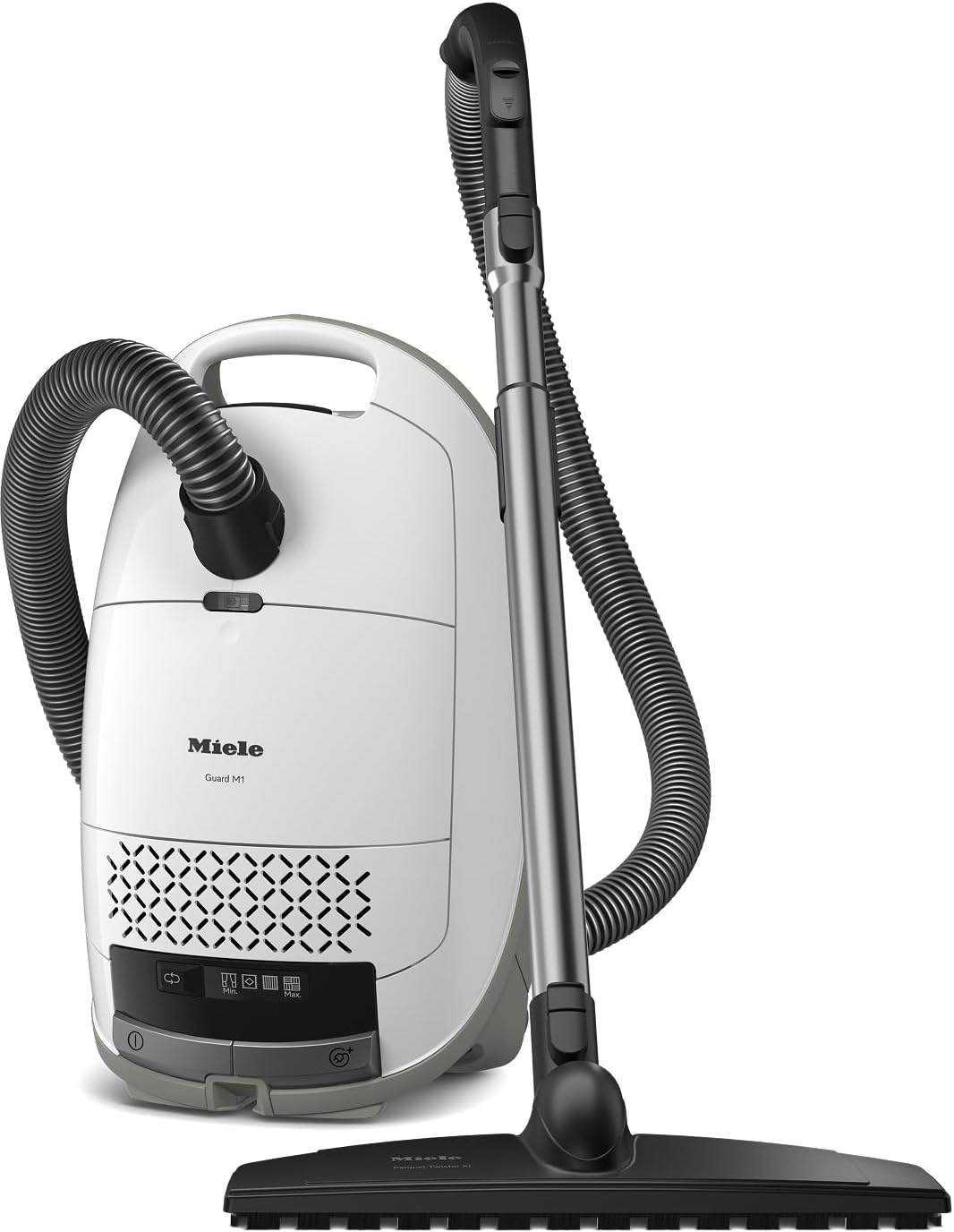


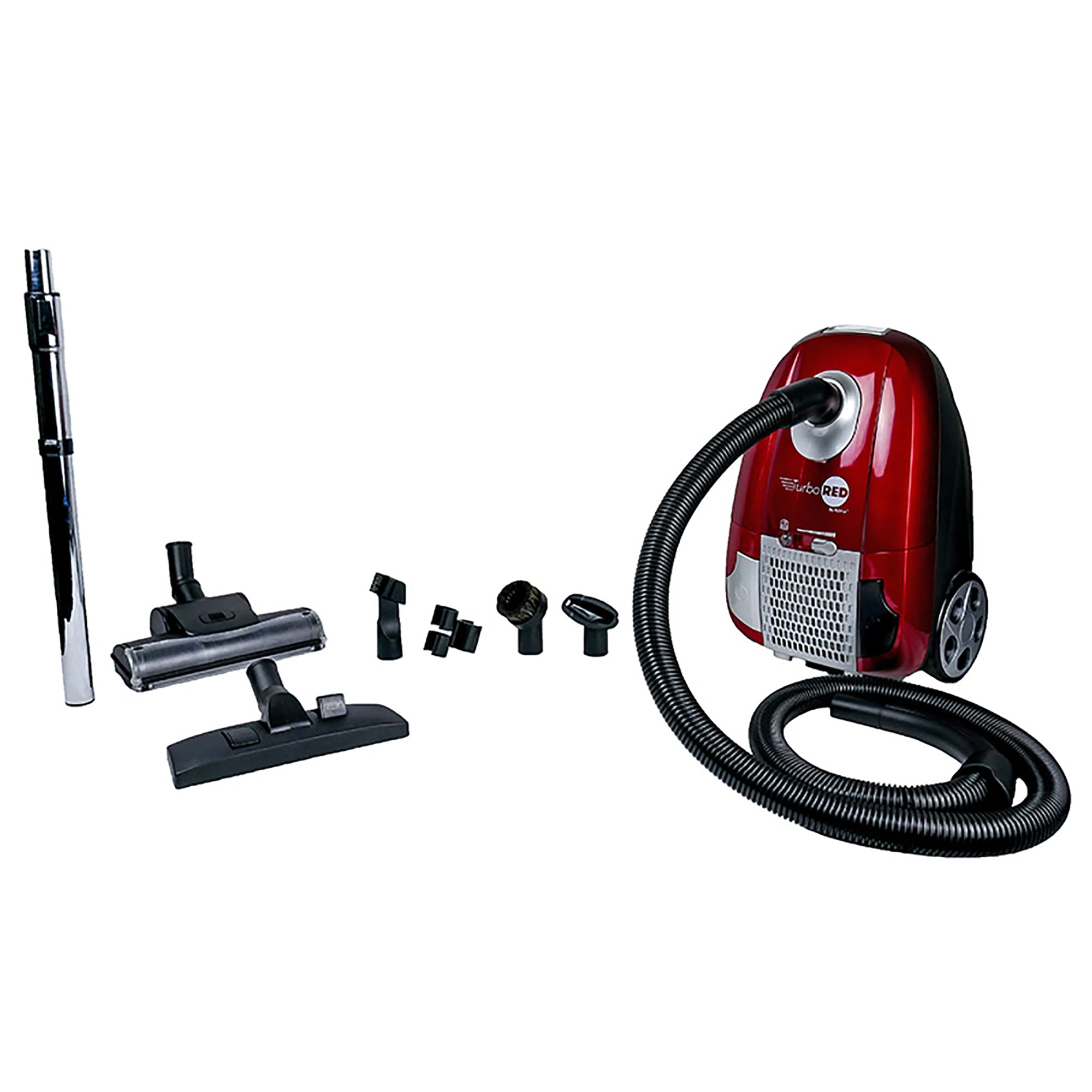


How Canister Vacuums Compare to Other Options
The table below sums up how the main vacuum types handle oriental and other fine rugs. Prices are approximate and vary by brand and features.
| Type | Best For | Pros | Cons | Typical Price |
|---|---|---|---|---|
| Canister vacuums | Oriental and wool rugs, mixed floors, stairs | Adjustable suction, gentle floor heads, light wand | Body to pull along, more storage space | Around $80 to $500 |
| Upright vacuums | Wall to wall synthetic carpet | Wide path, fast on big rooms | Aggressive brush rolls, heavy on stairs | Around $100 to $500 |
| Handheld vacuums | Quick touch ups, fringe edges, cars | Tiny and quick | Little capacity, short runtime | Around $40 to $200 |
| Carpet and steam cleaners | Occasional deep cleaning of synthetic carpet | Removes stains and grime | Heat and water can harm wool and natural dyes | Around $100 to $300 |
Canister Vacuums vs Upright Vacuums
The biggest difference is control at the floor. Most canisters let you lower suction or switch to a straight suction head, while many uprights rely on a fast spinning brush roll that can snag fringe and wear wool fibers. Uprights are quicker on large synthetic carpets, so they still make sense for homes with wall to wall carpet and no valuable rugs.
If you own handmade or antique rugs, a canister is the safer daily tool.
Canister Vacuums vs Handheld Vacuums
Handhelds are handy for crumbs, pet hair on a rug edge or a quick pass along fringe with a brush attachment. They lack the capacity and steady suction to clean a whole room sized rug, though, and battery runtime often ends before the job does.
Think of a handheld as a helper, not a replacement for a canister when rugs are your main floor covering.
Canister Vacuums vs Carpet Cleaners and Steam Cleaners
Carpet and steam cleaners wash fibers with water, heat and solution, while a canister only removes dry soil. That sounds like a win for carpet cleaners, but wool and natural dyes can shrink, bleed or brown with too much moisture or heat. Many rug makers recommend professional cleaning for that reason.
For regular care of oriental rugs, steady vacuuming with a canister is the routine that prevents grit from cutting the fibers.
Who Should Choose Canister Vacuums?
A canister vacuum suits homes where rugs, hard floors and stairs mix together. The light wand reaches under furniture and up staircases while the body stays on the floor, so you are not lifting a heavy upright with each step.
It also suits owners of wool, silk blend, hand knotted or vintage rugs who want suction they can turn down and a floor tool without an aggressive beater bar. People with allergies benefit too, since many bagged canisters seal dust inside the bag.
Rug collectors often add one more step: they vacuum the back of the rug a few times a year, which shakes loose grit trapped near the foundation. When you shortlist the best canister vacuum for oriental rugs, check that its wand and floor tool are light enough to make that job easy, since you will be flipping and working over a heavy rug.
A canister is a poor fit for small apartments with very little storage, or for anyone who simply wants the quickest possible pass over wall to wall carpet. In those homes a stick or upright vacuum is more convenient.
Canister Vacuum for Oriental Rugs: How to Choose the Right Canister Vacuum
Not every canister is gentle by default, so the details below decide whether a model is a good match for a fine rug.
Features That Matter for Oriental Rugs
Look for variable suction control, a straight suction or parquet floor head, and a powered head with a brush roll you can switch off or raise. Turbo or air driven heads are gentler than strongly motorized ones on delicate pile. A smooth bottom plate helps the head glide without tugging fringe.
Vacuum Type (Upright, Canister, Stick, Robot, Handheld)
Canisters and lightweight sticks with brush roll shutoff are the friendliest types for oriental rugs. Uprights work only if the brush roll can be turned off. Robot vacuums tend to chew fringe and tassels, and handhelds are best kept for edges and spot work.
Weight and Maneuverability
Most canisters weigh around 10 to 20 pounds, but you only carry the light wand while cleaning. Swivel wheels, a long hose and an extended telescoping wand make it easier to reach under sofas and clean stairs without dragging the body up every step.
Corded vs Cordless Runtime
Hose and wand length matter here too. A longer reach lets you stand off the rug and work the edges without stepping on fringe, which keeps the tassels from being ground into the floor.
Nearly all full size canisters are corded, which gives steady suction for large rugs and whole rooms. Cordless canisters are rare and usually limited by battery runtime. A cord length around 20 feet or more cuts down on switching outlets mid job.
How to Make Your Canister Vacuum Last Longer
Simple habits keep suction strong and the machine kind to your rugs.
- Empty the bin or change the bag before it is full, since a stuffed bag cuts suction sharply.
- Wash or replace filters on the schedule in the manual.
- Cut hair and fringe threads off any brush roll so it does not pull on rug fibers.
Frequently Asked Questions
What features matter most in canister vacuums for oriental rugs?
Adjustable suction and a floor head without an aggressive brush roll matter most. Being able to lower suction stops the head from grabbing fringe, and a suction only or air driven head removes grit without wearing the pile. A long hose and wand also help you clean around fringe gently instead of running over it.
What type of canister vacuum is best for my home?
A bagged canister with a powered head that can be switched off works best for mixed homes with rugs and carpet. Bagless canisters cost less and suit hard floor homes. If your rugs are fragile or antique, choose a model with a straight suction tool and the lowest suction setting available.
Is HEPA filtration necessary?
HEPA filtration is not required, but it helps if anyone in the home has allergies or asthma. It traps fine dust and dander that old wool rugs can hold. Bagged canisters with HEPA or sealed systems keep that dust from leaking back into the air while you clean.
How often should I replace the filter?
Most canister makers suggest checking filters monthly and washing or replacing them every three to six months. Homes with pets or heavy use may need more frequent changes. A drop in suction or a dusty smell is a sign the filter is overdue.
Are cordless vacuums strong enough for carpet?
Good cordless sticks handle low pile carpet and small rugs well, but runtime often drops on high power settings. For large oriental rugs or several rooms, a corded canister gives more consistent suction from start to finish.
Final Thoughts
Adjustable suction, a gentle floor head and easy reach matter most when choosing a vacuum for fine rugs. Canisters cover all three better than most uprights, and they handle stairs and hard floors in the same session. Compare the models in the product table above with these points, and you will land on the best canister vacuum for oriental rugs for your home.


