
Home Organization
Storage, decluttering and organizing tools that make a clean home easier to keep.
Why Organizing Makes Cleaning Faster
Clutter is the biggest hidden cost of cleaning. Every item sitting on a counter or floor has to be moved before you can wipe or vacuum. When things have a defined home, daily tidying takes minutes and deep cleaning becomes far less of a project.
Start With a Plan, Then Buy
The most common organizing mistake is buying bins before decluttering. Work through one zone at a time:
- Empty the space completely and clean it.
- Sort items into keep, donate, relocate and discard.
- Measure shelves, drawers and cabinets, including height and depth.
- Group similar items so you know how many containers of each size you need.
- Buy and label, keeping the things you use most at eye level.
Main Types of Organizers
- Clear stackable bins: good for pantries, fridges and garages because you can see contents at a glance.
- Drawer dividers: keep utensils, socks and office supplies from becoming a jumble.
- Over-the-door and wall storage: adds space in small apartments and closets without floor footprint.
- Vacuum storage bags: compress bulky bedding and seasonal clothes. See our guide to clothes vacuum storage bags for what makes a seal last.
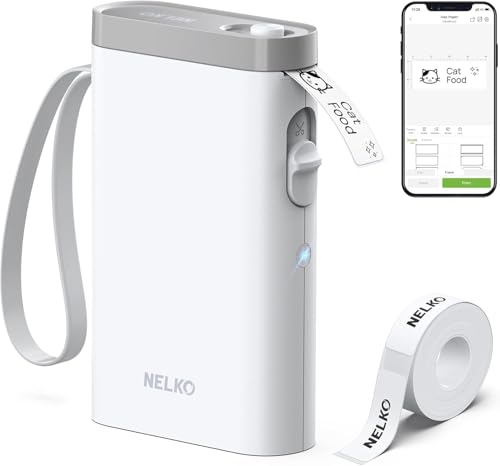
- Labels and label makers: help everyone in the household put things back.
Our roundup of organizing tools for a fresh start collects versatile picks for most rooms.
Organizing Cleaning Supplies Safely
Store cleaners in their original labeled containers, upright and out of reach of children and pets. Keep chlorine bleach physically separated from ammonia-based products and acids so an accidental leak cannot combine them. A portable caddy for daily supplies keeps the rest of the cabinet tidy; you can find options in cleaning tools and accessories.
Choosing Materials
Plastic bins are easy to wipe and suit damp areas like under the sink. Fabric bins look softer on open shelves but are harder to clean. Bamboo and wood work well in drawers. For long-term storage, avoid compressing natural fibers like wool or down for many months at a time, since it can flatten loft.
Many organizing basics cost under $30, so start with the zone that frustrates you most and expand from there.
Home Organization FAQ
Should I declutter before buying organizers?
Yes. Sorting and removing what you no longer need first tells you exactly how much storage you actually require, and prevents buying bins that end up holding things you were going to discard.
Are vacuum storage bags safe for all clothing?
They work well for synthetic bedding and most seasonal clothes. Down and wool can lose loft if compressed for long periods, so store them only partly compressed or in breathable bags.
How should I store cleaning products at home?
Keep them in original labeled containers, upright, in a cool spot out of reach of children and pets. Store bleach away from ammonia products and acids so leaks cannot mix.
Clear or opaque storage bins: which is better?
Clear bins make it easy to see contents in pantries, fridges and garages. Opaque or fabric bins hide visual clutter on open shelves, but they should be labeled so items are easy to find.
How can I keep a home organized long term?
Give every item a defined place, label shared storage and do a short reset each evening. Reassessing each zone a few times a year keeps clutter from building back up.