
Best Air Purifiers for Office (2026): 3 Picks for Cleaner, Quieter Workspaces
Disclosure: We may earn a commission when you buy through links on this page, at no extra cost to you. As an Amazon Associate I earn from qualifying purchases. Learn more

Three air purifiers for desks, private offices and shared spaces, plus sizing and filter tips.
Offices collect dust from paper and carpet, odors from lunch and printers, and pollen that drifts in every time a door opens. A purifier sized to your space filters that air quietly while you work. The best air purifier for office use matches the room size, stays quiet enough for calls and has filters that are easy and affordable to replace.
This guide picks three purifiers for a desk, a small private office and a larger shared space, explains what to compare and covers the simple routine that keeps a purifier working well.


Quick Clean Summary
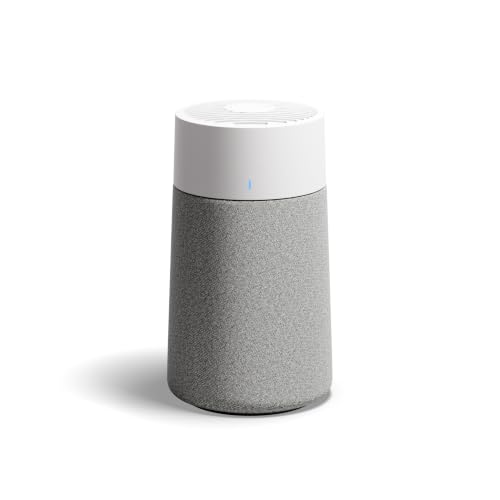
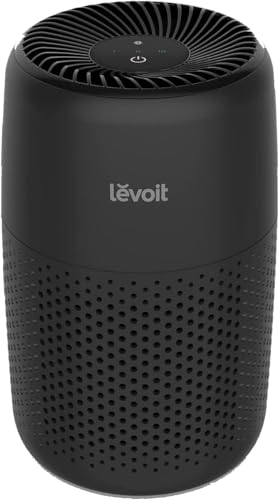
The BLUEAIR Mini Max Auto is the best all around pick for a home or private office, with an air quality sensor, auto mode and noise as low as 19 dB. The Levoit Core Mini-P is the best budget choice under $50 for a desk or small room. For open plan or shared offices, the WINIX 5510 is AHAM Verifide for 392 square feet and adds a carbon filter for odors.
Air Purifier for Office Buying Guide
Start with the size of the space. A purifier that is too small for the room will run on high all day and still fall behind, while one that is far too large wastes desk space and money. Then look at noise, filter type and running costs, because an office purifier runs for many hours every workday.
Office layout matters too. A desk unit cleans the air in your breathing zone, while a floor unit circulates air through a whole room. Shared offices may need one larger unit or two smaller ones placed apart.
Size, Capacity and Placement
Measure the room in square feet and compare it with the coverage listed by the brand. BLUEAIR lists 105 square feet at 4.8 air changes per hour for the Mini Max Auto, and WINIX lists AHAM Verifide coverage of 392 square feet for the 5510. Place the purifier where air can flow freely, at least a foot from walls and away from heat vents.
Types Compared by Job
Desktop purifiers, like the Levoit Core Mini-P, sit on a desk and clean the air close to you. Compact room purifiers, like the BLUEAIR Mini Max Auto and Clorox Small Room purifier, cover a private office. Tower and large room purifiers, like the WINIX 5510 and GermGuardian AC4825E, serve shared spaces and reception areas.
Features That Save Time
Auto mode uses a particle sensor to raise or lower fan speed as air quality changes, so you do not have to adjust it. A filter life indicator tells you when to replace filters. Timers let a purifier run before you arrive and shut off after you leave. App control, offered on the WINIX 5510, lets you check air quality remotely.
Room Size and Coverage Ratings
Look for CADR or AHAM Verifide figures, which come from standard measurements and make models easier to compare. Coverage claims stated per hour, such as "up to 1,882 square feet in 1 hour," describe one air change per hour, which is much lighter cleaning than the four to five changes per hour often suggested for occupied rooms. Use the higher change rate figure when sizing.
Running Cost and Energy Use
Small purifiers draw little power, often less than a desk lamp on low settings. Filters are the bigger cost. Check the price of replacements before buying; Clorox says its tabletop filter should be replaced every 6 to 12 months. Washable pre filters, like those on the BLUEAIR and WINIX, extend main filter life.
Noise Levels for Workspaces
Noise matters during calls and focused work. BLUEAIR lists as low as 19 dB for the Mini Max Auto and WINIX lists 23.5 dB on its slowest speed. Most purifiers are much louder on high, so pick a model that cleans your room on a low or medium setting.
Filters and Maintenance
HEPA or HEPA type filters capture fine particles; BLUEAIR says its HEPASilent filtration captures at least 99.97% of airborne particles down to 0.1 microns, and Clorox makes a similar claim for its True HEPA filter. Activated carbon filters reduce odors from food, printers and cleaning products. Vacuum or rinse pre filters monthly.
Price Tiers and Running Costs
Under $50 buys a desktop unit for one person. From $50 to $100 you get compact room purifiers with better filters and sensors. From $150 to $250 you get large room units with carbon filters and app control. Add yearly filter costs to compare true prices.
3 Best Air Purifiers for Office Spaces
Prices change often, so treat these figures as approximate.
1. Best All Around for Office: BLUEAIR Mini Max Auto
The BLUEAIR Mini Max Auto suits home offices and small private offices. It costs around $60 and is designed for desks, shelves and countertops.
BLUEAIR lists cleaning of 105 square feet at 4.8 air changes per hour and up to 510 square feet in one hour. An integrated particle sensor drives auto mode, noise runs as low as 19 dB, and the 360 degree intake draws air from all sides. It has three fan speeds, Night Mode and a washable fabric pre filter. The trade off is that it is sized for small rooms only.

2. Best Budget (Under $50): Levoit Core Mini-P
The Levoit Core Mini-P suits a single desk, cubicle or very small office. It costs around $49 and has one of the largest buyer review counts in the category.
It carries the AHAM Verifide seal, uses a pre filter and main filter to capture lint, hair, dander and fine particles, and helps reduce odors. Levoit lists an auto off display and sleep mode, plus an aromatherapy pad. The trade off is limited coverage, so it works best close to you rather than across a room.

3. Best for Larger Offices: WINIX 5510
The WINIX 5510 suits shared offices, open work areas and reception rooms. It costs around $180.
It is AHAM Verifide for 392 square feet and WINIX lists 1,882 square feet in one hour. Its True HEPA filter, carbon filter for odors and VOCs, and washable fine mesh pre filter work together, while an air quality indicator, auto mode and app control simplify use. It runs at 23.5 dB on the slowest speed. The trade off is a larger footprint that needs floor space.

How We Compared the Best Air Purifiers for Office
We compared manufacturer specs, AHAM and CADR figures where available, and verified buyer feedback on air cleaning, noise, filter costs, ease of use and value. We favored purifiers with clear coverage figures, quiet low settings and affordable replacement filters, and left out ozone generating ionizers.
Where an Air Purifier Makes an Office Easier
A purifier helps most in offices with carpet, lots of paper, nearby printers or windows that open to busy streets. It reduces the dust that settles on desks and electronics, which means less wiping and cleaner screens and keyboards. A carbon filter cuts lingering food and cleaning product odors in shared spaces.
Home offices benefit too, especially when they double as guest rooms or sit near the kitchen. For rooms with pets nearby, see our guide to air purifiers for pets; for damp basements converted into offices, see air purifiers for mold.
Cleaning Routine: How to Get the Best Results
Run the purifier during work hours on auto or medium, and close doors so it can keep up. Keep it a foot or more from walls and furniture. Vacuum or rinse the pre filter monthly, wipe the outer case and intake grille, and replace main filters on schedule. Dusting and vacuuming the office regularly also reduces the load on the purifier.
Supplies, Refills and Running Costs
Replacement main filters are the main ongoing cost, often needed every 6 to 12 months. Carbon filters may need replacing more often in offices with strong odors. Buy genuine filters from the maker to keep the listed performance. Expect low electricity costs on low and medium settings.
Air Purifier Questions, Answered
Is an air purifier worth it?
An air purifier is worth it in offices with dust, odors or pollen, or where windows stay closed. It captures particles that would otherwise settle on surfaces and helps reduce odors with a carbon filter. It works alongside regular cleaning, not instead of it.
How do you clean an air purifier?
Unplug it, then vacuum or rinse the washable pre filter and let it dry fully. Wipe the case and grilles with a dry or slightly damp cloth. Do not wash HEPA filters unless the maker says they are washable; replace them on schedule.
What is the most reliable air purifier brand?
Levoit, BLUEAIR, WINIX, Coway and GermGuardian are long established brands with easy to find filters. Look for AHAM Verifide or CADR figures and a clear filter replacement schedule rather than relying on brand alone.
What is the best air purifier for office use?
For most private and home offices, the BLUEAIR Mini Max Auto is the best air purifier for office use thanks to its sensor driven auto mode and very quiet operation. The Levoit Core Mini-P is the best budget desk pick, and the WINIX 5510 suits larger shared offices.
What should I look for in an air purifier for office?
Look for coverage that matches your room, low noise on medium speed, a HEPA or HEPA type filter, a carbon filter for odors, auto mode and affordable replacement filters. Avoid models that produce ozone.
How long does an air purifier last?
A good air purifier often lasts 5 to 10 years with regular filter changes. The fan motor is the main wear part. Keeping pre filters clean reduces strain and extends life.
Clean Verdict
The BLUEAIR Mini Max Auto is the best air purifier for office spaces up to a small private room, the Levoit Core Mini-P is the budget choice for a single desk and the WINIX 5510 covers larger shared offices with a carbon filter and app control. Size the purifier to the room and keep filters fresh. For more options, see our guides to the best air purifier picks and air purifiers for bedrooms.


