
Best Hardwood Floor Cleaners of 2026: Our 3 Top Picks + Buying Guide
Disclosure: We may earn a commission when you buy through links on this page, at no extra cost to you. As an Amazon Associate I earn from qualifying purchases. Learn more

Our three picks for the best hardwood floor cleaner, plus how to match the formula to your finish and clean without damage.
Hardwood floors are beautiful but picky about what touches them. Too much water swells boards, harsh chemicals dull the finish and oily soaps leave a film that attracts dirt and makes floors look cloudy. The best hardwood floor cleaner is pH neutral, dries quickly without residue and is made for the finish on your floors, so they come out clean and naturally shiny rather than slick or streaky.
Below are our three top picks, followed by a buying guide that covers cleaner types, matching the formula to your finish, safety labels, concentrates and cost per use, plus a step by step cleaning method.






Our Top Picks at a Glance
Bona Hardwood Floor Cleaner is the best hardwood floor cleaner overall, Zep Hardwood and Laminate Floor Cleaner is the best budget pick under $10, and the Weiman Hardwood Floor Cleaner and Polish Restorer bundle is the best upgrade for dull, high traffic floors that need extra shine.
| Award | Product | Key Spec | Best For |
|---|---|---|---|
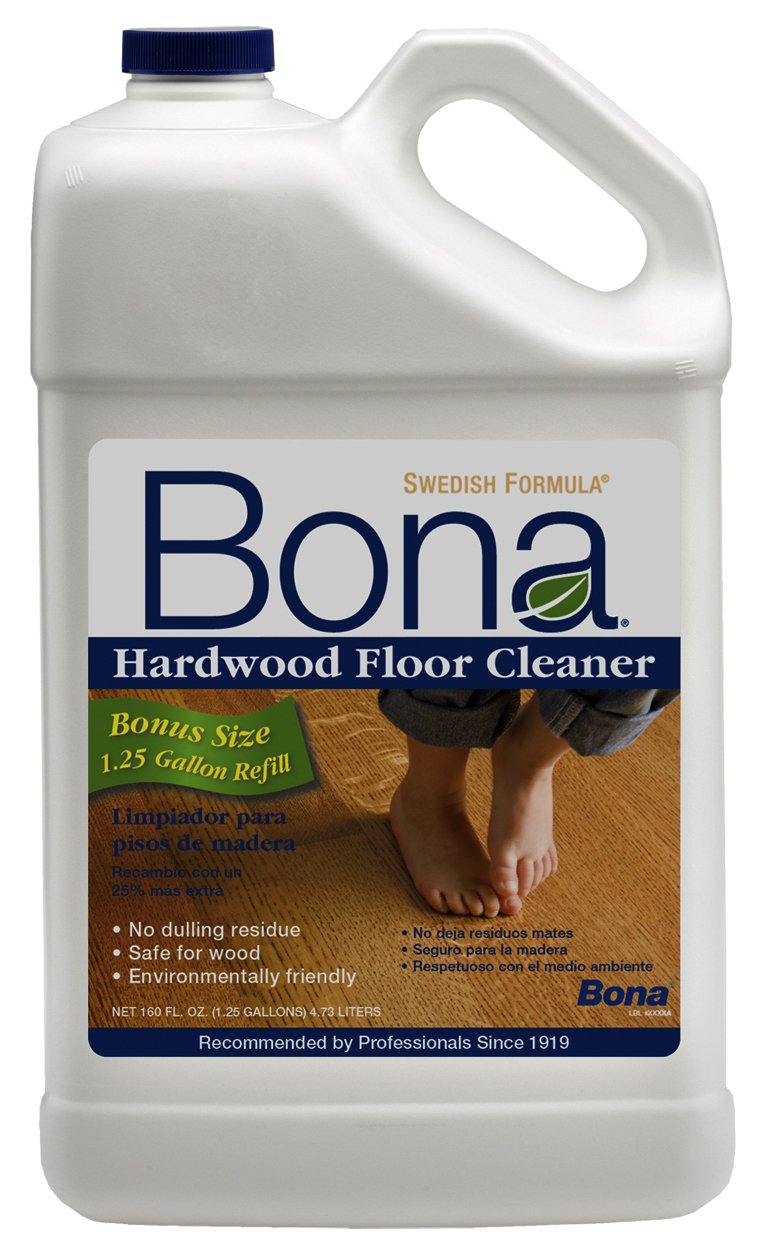
| Best Overall | Bona Hardwood Floor Cleaner Refill (128 oz) | pH neutral, residue free, Safer Choice certified | Routine cleaning of polyurethane finished floors |
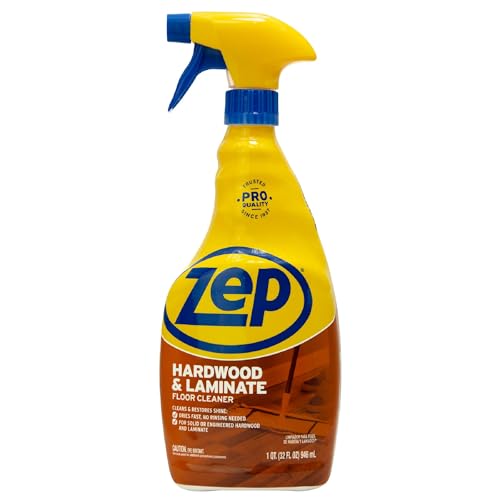
| Best Budget (Under $10) | Zep Hardwood and Laminate Floor Cleaner (32 oz) | Removes spots and scuffs, for hardwood and laminate | Budget cleaning and mixed floors |
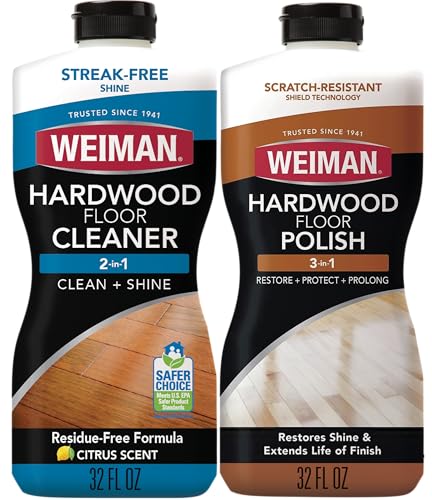
| Best Premium / Upgrade Pick | Weiman Hardwood Floor Cleaner and Polish Restorer | Cleaner plus polish that minimizes surface scratches | Dull, scuffed high traffic floors |
Our 3 Top Picks for the Best Hardwood Floor Cleaners
Each pick below explains who it suits, its key strengths and one honest limitation.
1. Best Overall: Bona Hardwood Floor Cleaner
Bona Hardwood Floor Cleaner is the best hardwood floor cleaner for most homes, at around $20 for a 128 ounce refill. Bona specializes in wood floor care, and this formula is a favorite of flooring pros.
Why it made the list: its pH neutral, residue free formula dries quickly and is safe for all unwaxed, unoiled, polyurethane finished wood floors. It is Safer Choice certified and contains 95% USDA certified biobased content.
- Highlights: refills any Bona spray bottle or mop cartridge; an unscented version for sensitive noses; a splashless pour spout; a bottle made with 30% post consumer recycled content.
- Trade off: the refill needs a spray bottle or Bona mop cartridge, and it is not meant for waxed or oiled floors.
Best for: weekly cleaning of modern finished hardwood and engineered wood. Skip it if your floors are waxed or oil finished.

2. Best Budget (Under $10): Zep Hardwood and Laminate Floor Cleaner
Zep Hardwood and Laminate Floor Cleaner is the best budget hardwood floor cleaner, at around $6 for 32 ounces. It handles both wood and laminate floors.
Why it made the list: Zep says it removes spots, stains and scuffs and restores shine to varnish, acrylic and polyurethane finished floors, as well as molding and cabinet doors.
- Highlights: a commercial formula at a very low price; works on hardwood, laminate and other finished wood surfaces; a ready to use bottle.
- Trade off: the 32 ounce bottle runs out faster than gallon refills, and shine restoring formulas should be used sparingly to avoid buildup.
Best for: renters, homes with mixed hardwood and laminate and anyone on a tight budget. Skip it if you prefer a certified biobased formula.

3. Best Premium / Upgrade Pick: Weiman Hardwood Floor Cleaner and Polish Restorer
The Weiman Hardwood Floor Cleaner and Polish Restorer bundle is the best upgrade for tired floors, at around $30. It pairs a cleaner with a polish that refreshes shine.
Why it made the list: the cleaner removes dirt, grime and scuffs without sticky residue, and the polish helps minimize the look of surface scratches while adding a protective layer, according to Weiman.
- Highlights: suitable for finished hardwood, engineered hardwood, laminate and vinyl; ready to use; designed for busy entryways, kitchens and hallways.
- Trade off: polish should be applied only every few months, since frequent use can build up and make future refinishing harder.
Best for: dull, scuffed floors in busy households. Skip it if your floors still look good and only need routine cleaning.

How We Chose the Best Hardwood Floor Cleaners
We compared hardwood floor cleaners on pH and finish compatibility, residue and streaking, drying time, safety certifications, scent options, cost per use and packaging. Our sources were manufacturer directions and safety data, flooring industry care guidance, the details in each Amazon listing and patterns across large volumes of verified buyer feedback, with extra weight on reports about cloudiness, stickiness and finish damage. We did not run our own trials.
How to Choose the Right Hardwood Floor Cleaner
The right hardwood floor cleaner matches your floor's finish and leaves no residue. These are the factors that matter most.
Type
Ready to use sprays are the easiest for spot cleaning and spray mops. Refills and concentrates cost less per use and suit regular cleaning. Polishes and restorers add a temporary protective layer and shine for dull floors, used occasionally. Mop cartridges fit specific spray mop systems. Natural soap cleaners are designed for oil finished floors.
Match the Formula to the Finish
Most modern hardwood has a polyurethane or aluminum oxide finish, which cleans best with pH neutral cleaners. Waxed floors need wax specific products and should not be cleaned with water based cleaners. Oil finished floors need natural soap or oil soap products made for oiled wood. Unsure? Rub a small drop of water on an inconspicuous spot: if it beads, the floor is sealed; if it soaks in and darkens the wood, the finish is worn or the floor is unsealed, so use minimal moisture.
Safety: Labels, Certifications and Ventilation
Look for EPA Safer Choice or similar labels if you have kids and pets, and avoid vinegar, ammonia, bleach and harsh all purpose cleaners on hardwood, since they can dull or etch the finish. Keep floors dry around pets until cleaner evaporates, and store products out of reach.
Concentrate vs Ready to Use
Ready to use products are convenient and remove guesswork. Concentrates mixed with water cost less but must be diluted correctly; too strong a mix leaves residue, too weak leaves dirt. Gallon refills of ready to use cleaners balance convenience and cost.
Cost per Use
A 128 ounce refill covers many cleanings of an average home, often costing well under a dollar per cleaning. Small 32 ounce bottles cost less upfront but more per ounce. Polishes cost more but are used only every few months.
How Much Should You Spend?
- Under $10: small bottles of basic wood floor cleaner for occasional use.
- Under $20: large refills of trusted pH neutral cleaners for weekly cleaning.
- Under $40: cleaner and polish bundles, professional concentrates and mop cartridge packs.
- Over $40: complete spray mop kits with cleaner and premium refinishing products.
How to Clean Hardwood Floors Step by Step
To clean hardwood floors, remove grit first, then mist cleaner lightly and wipe with a microfiber mop, working with the grain so the floor dries in a minute or two.
- Dust or vacuum with a hard floor setting, brushroll off, to remove grit that scratches finishes.
- Spray lightly, a few feet at a time. The floor should look barely damp, never wet, and dry within a minute or two.
- Mop with microfiber, moving with the direction of the boards.
- Change pads when they look dirty to avoid spreading grime; a large room may need two or three fresh pads.
- Spot clean sticky messes by spraying directly, waiting 30 seconds and wiping.
- Let it dry before walking on it in socks or letting pets in.
Best Hardwood Floor Cleaners by Need
- Natural or plant based: a biobased, Safer Choice certified formula; see our best natural hardwood floor cleaner guide.
- Streak free shine: a fast drying, residue free cleaner; see the best streak free hardwood floor cleaner.
- Pets: an unscented, pH neutral cleaner that is safe once dry, plus an enzyme spot cleaner for accidents.
- Dull floors: a polish or restorer every few months.
- Laminate and hardwood mix: a cleaner labeled for both.
- Oiled floors: a natural soap cleaner designed for oil finishes.
What to Avoid on Hardwood Floors
- Vinegar and lemon: acidic, and can dull polyurethane over time.
- Ammonia and bleach: too harsh for wood finishes.
- Oil soaps on sealed floors: leave a film that attracts dirt and complicates refinishing.
- Steam mops: many flooring makers advise against them because heat and moisture can damage finishes and seams.
- Wet string mops: leave too much water on the floor, which can seep into seams and cause swelling.
- Abrasive pads: scratch the finish.
- Furniture polish sprays: make floors dangerously slippery and leave a film.
- Too much product: extra cleaner does not clean better; it only leaves residue that dulls the shine.
Fixing Cloudy or Sticky Floors
Cloudy or sticky hardwood usually means residue from too much cleaner, oil soaps or polish buildup. Start by mopping with plain water on a lightly damp microfiber pad, then follow with a pH neutral cleaner used sparingly. For heavy polish buildup, use a polish remover made for wood floors and follow the instructions carefully. If the finish itself is worn through, no cleaner will restore it; a screen and recoat by a flooring pro may be needed.
Hardwood Floor Finishes Explained
Knowing your finish is the key to choosing a hardwood floor cleaner, because the cleaner touches the finish, not the bare wood.
- Polyurethane (oil or water based): the most common finish on modern floors, forming a durable clear coat. Clean with pH neutral cleaners and avoid wax and oil soaps.
- Aluminum oxide: the very hard factory finish on most prefinished and engineered floors. Clean like polyurethane.
- Hardwax oil and penetrating oil: soak into the wood for a natural matte look. Use natural soap cleaners and periodic maintenance oil made for that finish.
- Paste wax: found on older floors. Clean with dry methods and wax specific products; water based cleaners can leave white marks.
- Shellac and varnish: older traditional finishes that are sensitive to water and alcohol; use minimal moisture and gentle cleaners.
If you are unsure, check with the flooring installer or manufacturer, especially for warranty requirements.
Protecting Hardwood Floors Day to Day
The best way to keep hardwood looking new is to prevent damage between cleanings. Place doormats inside and outside entrances to trap grit, add felt pads under furniture legs and lift rather than drag furniture. Use rugs with breathable, non staining pads in high traffic areas. Keep pet nails trimmed, wipe spills immediately and control indoor humidity between about 35% and 55% to reduce gaps and cupping. Close blinds in strong sun to limit fading.
Engineered vs Solid Hardwood Care
Engineered hardwood has a real wood veneer over a plywood or composite core, while solid hardwood is wood all the way through. Both clean the same way with pH neutral cleaners and minimal moisture. Engineered floors can be more sensitive to standing water at the seams and have thinner wear layers that allow fewer refinishes, so gentle, residue free cleaning matters even more.
FAQs
What is the best hardwood floor cleaner?
For most homes, Bona Hardwood Floor Cleaner is the best hardwood floor cleaner thanks to its pH neutral, residue free, Safer Choice certified formula made for polyurethane finished floors. Zep is the best budget pick, and the Weiman cleaner and polish bundle is best for dull floors.
How long does a hardwood floor cleaner last?
Most hardwood floor cleaners keep working for one to two years when stored capped at room temperature. A 128 ounce refill typically lasts months of weekly cleaning in an average home.
Is a hardwood floor cleaner worth it?
Yes. A dedicated wood floor cleaner cleans without dulling the finish or leaving residue, which protects the floor and delays costly refinishing. All purpose cleaners and vinegar can slowly damage the finish.
How do you clean a hardwood floor mop pad?
Machine wash microfiber pads in warm water without fabric softener or bleach, and air dry or tumble dry low. Softener coats fibers and leaves streaks on the floor.
What is the most reliable hardwood floor cleaner brand?
Bona is the most widely trusted hardwood floor care brand, with cleaners, mops and refinishing products. Weiman, Zep and Method also offer well known wood floor cleaners.
How often should I clean hardwood floors?
Sweep or vacuum several times a week to remove grit, and damp clean with a hardwood cleaner about once a week, or more often in kitchens and entryways. Polish only every few months.
Can I use a hardwood floor cleaner on laminate or vinyl?
Many hardwood floor cleaners, including Zep and the Weiman bundle, are labeled for laminate and vinyl too. Check the label, keep moisture low on laminate seams and avoid polish on floors where the maker does not recommend it.
Is it safe to use hardwood floor cleaner around pets?
Most pH neutral hardwood cleaners are safe around pets once dry when used as directed. Keep pets off wet floors, choose unscented formulas if your pet is sensitive and store cleaners out of reach.
Final Verdict
Bona Hardwood Floor Cleaner is the cleaner we would recommend for most finished wood floors, thanks to its pH neutral, residue free formula. Zep is the budget pick for occasional cleaning and mixed floors, and the Weiman cleaner and polish bundle is the upgrade for dull, high traffic floors. Remove grit first, keep moisture low and match the cleaner to your finish, and the best hardwood floor cleaner will keep your floors looking beautiful for years.


