Best Pressure Washers (2026): 3 Picks That Actually Get It Clean
Disclosure: We may earn a commission when you buy through links on this page, at no extra cost to you. As an Amazon Associate I earn from qualifying purchases. Learn more

Three picks for the best pressure washer, plus how to match PSI, power source and nozzles to your surfaces and storage.
A green film on the patio, black streaks down the vinyl siding, a driveway stained with tire marks and oil: outdoor grime builds up slowly, then suddenly the whole house looks tired. The best pressure washer strips years of that buildup off in an afternoon, using water pressure instead of scrubbing brushes and sore knees.
This guide looks at pressure washers the way a homeowner who does their own cleaning would: which type suits which surfaces, how much time and effort each saves, how to use one safely around kids, pets and delicate surfaces, and what the nozzles, detergents and upkeep cost. Three picks follow for different homes and budgets.




Quick Clean Summary
Here are the three picks at a glance. Prices change often, so check the product table above for current pricing.
| Award | Product | Key Spec | Best For |
|---|---|---|---|
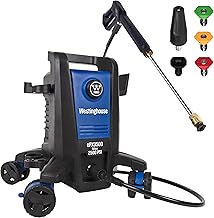
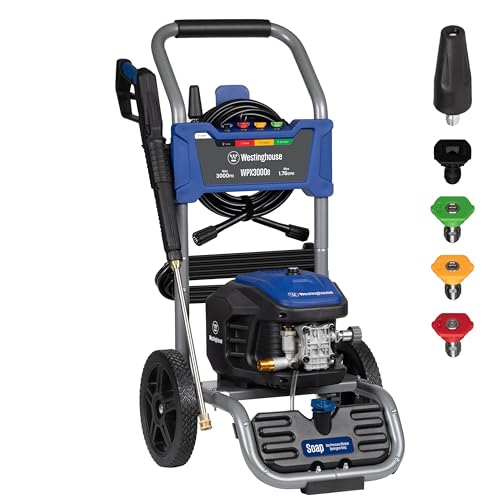
| Best All Around Cleaner | Westinghouse ePX3500 | Electric, 2500 max PSI, 1.76 max GPM, onboard soap tank | Cars, patios, fences and decks |
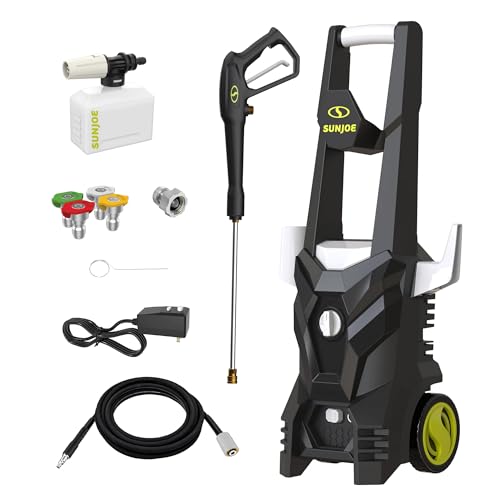
| Best Budget Clean (Under $100) | Sun Joe SPX100-GO | Electric, 13 amp motor, 4 nozzles, foam bottle | Light jobs, cars and patio furniture |
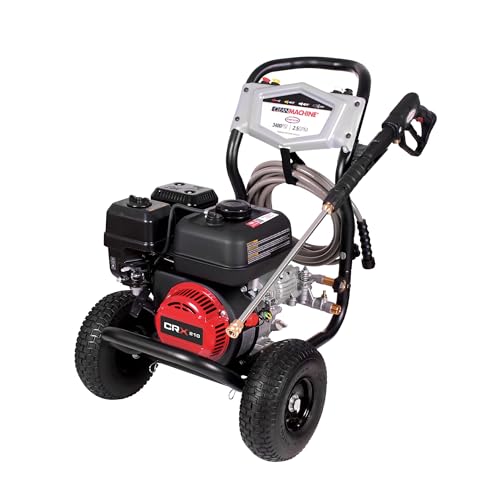
| Best for Deep Cleaning | Simpson Clean Machine 3400 | Gas, 3400 PSI, 2.5 GPM, 208cc engine | Driveways, siding and large areas |
Pressure Washer Buying Guide: Surfaces, Messes and Upkeep
Choosing a pressure washer comes down to matching power to your surfaces, picking the right power source and being honest about storage and maintenance. The sections below walk through each decision.
Types Compared by Cleaning Job
Electric pressure washers plug into a standard outlet and usually deliver around 1,500 to 3,000 PSI. They are quiet, light, start instantly and need almost no maintenance, which makes them the best choice for most homes. They handle cars, patio furniture, grills, fences, decks and small patios well.
Gas pressure washers typically run from about 3,000 to over 4,000 PSI with higher water flow. They clean large driveways, two story siding and heavily stained concrete much faster, and they are not tied to an outlet. In return they are loud, heavy and need engine care such as oil changes and fuel stabilizer.
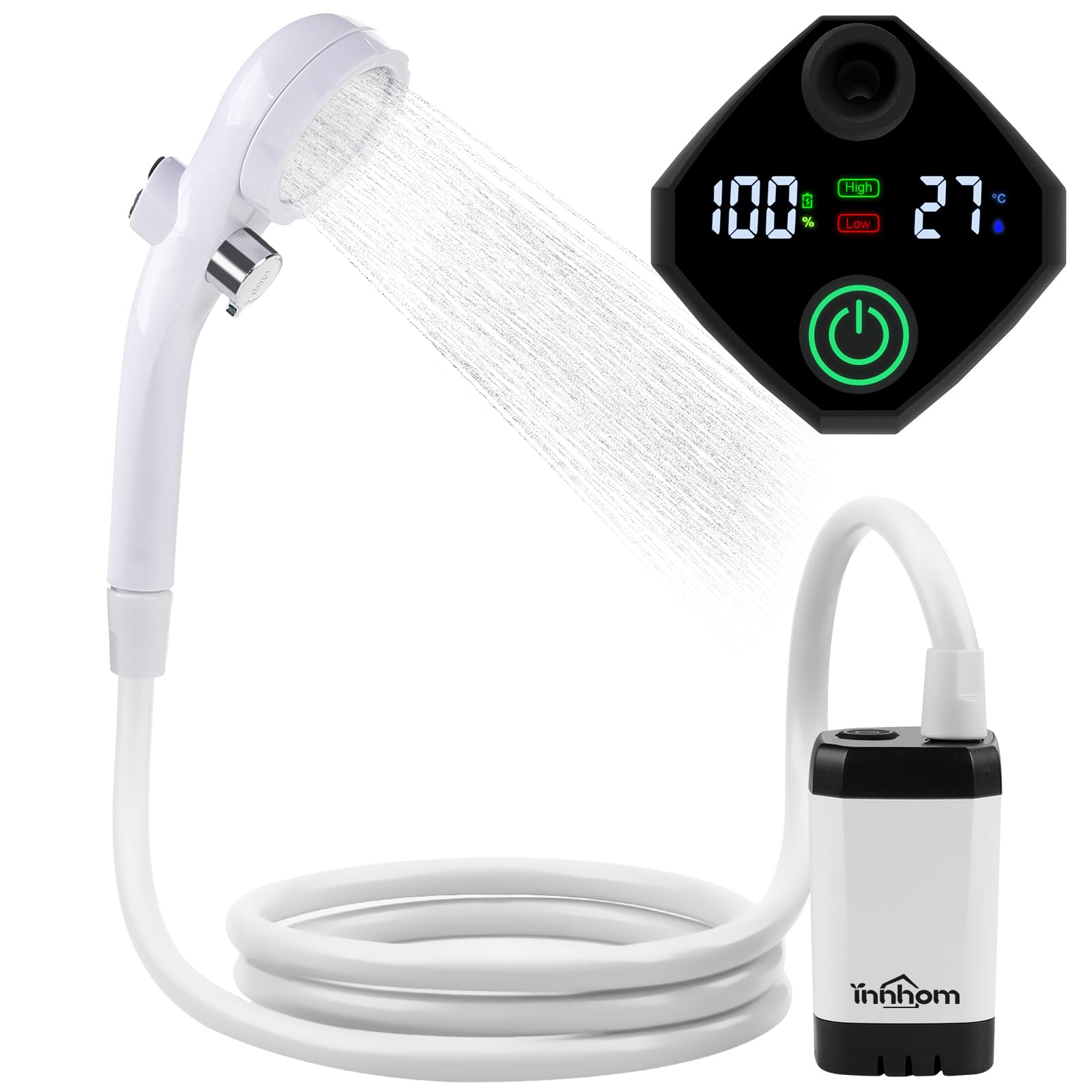
Cordless and portable washers run on batteries or draw water from a bucket. They are low powered but convenient for rinsing bikes, muddy boots, kayaks and cars where there is no outdoor faucet. Brushless electric models sit at the top of the electric range, with more power and longer motor life than standard induction or universal motors.
PSI, GPM and Cleaning Units
Two numbers describe a pressure washer's muscle. PSI (pounds per square inch) is the force that breaks dirt loose, and GPM (gallons per minute) is the volume of water that carries it away. Higher GPM rinses faster, which is why a gas washer with 2.5 GPM finishes a driveway much sooner than an electric unit with 1.2 GPM, even at similar pressure.
Multiply PSI by GPM to get cleaning units, a handy way to compare machines. Also check whether a listing gives maximum or rated figures. Maximum numbers are peak values under ideal conditions, while rated numbers reflect steady working output, so compare rated to rated when possible.
Features That Save Time
The single biggest time saver is the right nozzle set. Quick connect nozzles (typically 0°, 15°, 25°, 40° and a soap nozzle) let you switch from a pinpoint jet to a wide fan in seconds. A turbo or rotary nozzle combines a narrow stream with a spinning motion that cleans concrete faster.
An onboard soap tank or foam cannon lets you apply detergent without a separate sprayer. A total stop or auto stop system shuts the pump off when you release the trigger, saving energy and wear. Long hoses and power cords mean fewer stops to move the machine, and a hose reel keeps setup and cleanup quick. For big flat areas, a surface cleaner attachment can cut patio and driveway time dramatically.
Weather Resistant Materials
Pressure washers live outdoors while they work and often sit in a garage or shed the rest of the year, so build quality matters. Look for a steel or metal wand rather than plastic, brass or metal hose fittings and a sturdy frame. Gas models with powder coated steel frames resist rust better than bare metal.
Hoses should be reinforced and kink resistant. Braided or rubber hoses last longer than thin PVC and coil more easily in cold weather. Pumps with metal components generally outlast all plastic pumps, especially on machines that will see regular use.
Size for Your Space
Consider both the size of your cleaning jobs and the space you have to store the machine. Compact electric washers can weigh under 20 pounds and stand less than two feet tall, so they fit on a garage shelf. Gas washers can weigh 60 pounds or more and need floor space plus room for fuel storage.
For small patios, a car and patio furniture, a compact electric model with around 2,000 PSI is plenty. Larger driveways, long fences and two story homes benefit from more pressure and higher GPM, which usually means a high end electric or a gas machine.
Assembly and Anchoring
Most electric washers need only a few minutes of setup: attach the wand, hose and nozzle, connect a garden hose and plug in. Gas models take longer, with handles, wheels and the first oil fill. Read the setup steps carefully, since running a gas engine without oil or a pump without water can cause damage.
Stability matters during use. Wide wheel bases and a low center of gravity keep compact models from tipping when you pull on the hose. Place the washer on flat, solid ground, keep the power cord and GFCI plug out of puddles and position gas engines well away from doors, windows and enclosed spaces because of exhaust.
Care and Off Season Storage
Before storing a pressure washer for winter, run clean water through it, disconnect the hoses and drain all water from the pump. In areas that freeze, a pump saver or antifreeze product protects internal seals from cracking. Store the machine indoors in a dry place above freezing whenever possible.
Gas washers also need fuel stabilizer or an empty fuel tank before storage, plus periodic oil changes according to the engine manual. Coil hoses loosely, check O rings on fittings and replace worn ones before spring.
Detergents and Attachments
Water alone removes loose dirt, but detergent makes a big difference on mildew, oil and road film. Choose products labeled for pressure washers and for your surface, such as house and siding wash, deck and fence cleaner or car wash soap. Apply with the soap nozzle or foam cannon, which work at low pressure.
A few attachments are worth considering. Surface cleaners make patios and driveways faster and more even, extension wands help with second story siding and gutters, and rotating brushes help on cars and boats. Make sure attachments match your washer's PSI rating and connection type.
Price Tiers and Running Costs
- Under $100: compact electric washers for cars, bikes and patio furniture.
- Under $200: mid range electric washers around 2,000 to 2,500 PSI with soap tanks and better wands.
- Under $400: brushless or high PSI electric models and entry level gas washers.
- Under $700: strong residential gas washers with quality pumps and engines.
- Over $700: commercial grade gas machines for frequent heavy use.
Running costs include water, electricity or fuel, detergent, replacement nozzles and O rings, plus oil for gas engines. Electric models have the lowest ongoing costs by far.
3 Best Pressure Washers for Real Messes
These three pressure washers stand out for cleaning power in their class, ease of use and value. Each mini review covers who it suits, its strengths and one honest drawback.
1. Best All Around Cleaner: Westinghouse ePX3500
Why it made the list: The ePX3500 packs enough pressure for decks, fences and patios into a compact, easy to store electric body, and it is widely praised by owners for reliability. It costs around $170.
- Highlights: 2500 max PSI and 1.76 max GPM, with a steel extendable wand and five quick connect nozzles including turbo and soap; a 20 ounce onboard soap tank plus a 25 foot braided hose; anti tipping design at about 19 pounds and 16.5 inches tall, backed by a 3 year limited warranty.
- Trade off: The rated working pressure is lower than the max figure, so very stained concrete takes more time than with a gas machine.
Its quick lock wheels and compact frame make it easy to roll from the garage to the backyard, and the steel wand feels sturdier than the plastic wands common at this price. For a homeowner who wants one machine that handles most weekend cleaning, it hits the sweet spot.
Best for: most homeowners who clean cars, patios, decks and fences a few times a year. Skip it if you have a large driveway or two story siding to clean regularly.

2. Best Budget Clean (Under $100): Sun Joe SPX100-GO
Why it made the list: The SPX100-GO offers a full nozzle set, a foam bottle and solid safety features for around $100, making it an easy entry into pressure washing.
- Highlights: a 13 amp motor with four quick connect nozzles (0°, 15°, 25° and 40°) that store onboard; a 35 foot GFCI protected cord, 20 foot hose and Total Stop System, all in a body that weighs about 14.3 pounds.
- Trade off: It has less pressure and flow than mid range models, so big concrete jobs take noticeably longer.
Best for: renters, small patios, cars and patio furniture. Skip it if you plan to clean large driveways or decks often.

3. Best for Deep Cleaning: Simpson Clean Machine 3400
Why it made the list: The Simpson Clean Machine brings gas power to homeowners at around $360, with the pressure and flow to strip driveways, siding and fences quickly.
- Highlights: 3400 PSI at 2.5 GPM from a 208cc CRX engine with low oil shutdown; a maintenance free axial cam pump with thermal relief, plus 10 inch pneumatic tires and a 25 foot kink resistant hose.
- Trade off: It weighs about 64 pounds, needs engine care and is not sold in California.
The pneumatic tires roll over gravel and grass without bouncing the frame, and the quick connect tips cover everything from rinsing windows to stripping concrete. If you have tried an electric washer and found it too slow for your driveway, this is the type of machine that solves that problem.
Best for: large properties, long driveways and homeowners who tackle big outdoor jobs every season. Skip it if you have limited storage or want a quiet machine.

How We Compared the Best Pressure Washers
We compared pressure washers on rated and maximum PSI and GPM, nozzles and accessories, hose and cord length, weight, build quality, safety features, maintenance needs and warranty terms. Our sources were manufacturer specifications, the details in each Amazon listing and patterns across large volumes of verified buyer feedback, with extra weight on reports from owners who had used their machines for several seasons. We did not run our own trials, and we left out models with vague pressure claims or frequent pump failures.
Picks by Mess and Surface
Different surfaces need different power. Use this list to match a pressure washer to your jobs.
- Cars and trucks: 1,200 to 1,900 PSI with a 25° or 40° nozzle and car safe soap.
- Patio furniture and grills: a compact electric washer with a soap nozzle.
- Wood decks and fences: around 1,500 to 2,500 PSI, a 25° or 40° nozzle and steady, even strokes to avoid gouging.
- Vinyl siding: moderate pressure with a wide nozzle, spraying downward to keep water out of seams.
- Concrete driveways and walkways: 2,800 PSI or more, a turbo nozzle or a surface cleaner attachment.
- Brick and pavers: moderate pressure; too much can erode mortar and joint sand.
- Bikes, boots and kayaks: a cordless or portable washer is enough.
Check the surface manufacturer's care guidance too. Some composite decking, painted surfaces and older siding have specific pressure limits.
When in doubt, start with the widest nozzle and lowest setting a few feet from the surface, then move closer gradually. It is easy to add pressure and impossible to undo a gouge in soft wood.
Cleaning Routine: How to Get the Best Results
- Sweep loose debris first so the spray focuses on stains, not leaves.
- Apply detergent from the bottom up, let it sit briefly, then rinse from the top down.
- Keep the nozzle moving and at a consistent distance to avoid stripes.
- Wear eye protection and closed shoes, and never point the spray at people, pets or plants.
- Keep kids and pets inside while you work, and cover outdoor outlets and lights.
Supplies, Refills and Running Costs
Use detergents made for pressure washers, since dish soap and household cleaners can damage pumps. Replace worn nozzles and O rings when spray patterns change or fittings leak. Gas machines need engine oil changes and fresh fuel; always use stabilizer for storage. Never mix bleach with ammonia or acidic cleaners, which can release dangerous gases.
Cleaning Questions, Answered
How do you clean a pressure washer?
After each use, flush the pump with clean water, then disconnect and drain the hoses. Rinse the nozzles and clear any clogs with the cleaning pin many models include. Clean the garden hose inlet filter, wipe the machine down and store it dry. Gas models also need periodic oil and air filter care.
What is the most reliable pressure washer brand?
Simpson, Westinghouse, Sun Joe, Greenworks and Ryobi all have long histories in home pressure washers. Simpson is known for gas machines, while Westinghouse, Sun Joe and Greenworks are popular electric choices. Reliability depends on choosing the right size for your jobs and storing the washer properly.
What is the best pressure washer?
For most homes, the Westinghouse ePX3500 is the best pressure washer because it combines useful pressure, a soap tank and a compact, stable design at a fair price. Budget shoppers can start with the Sun Joe SPX100-GO, and large properties should look at the Simpson Clean Machine 3400.
How long does a pressure washer last?
Electric pressure washers often last about three to five years with typical home use, while well maintained gas washers can last ten years or more. Draining water before freezing weather, using the right detergents and changing oil on gas engines are the biggest factors in lifespan.
Is a pressure washer worth it?
Yes, if you have a deck, patio, driveway or siding to keep clean. A pressure washer saves hours of scrubbing and can make outdoor surfaces look years younger. Hiring a professional once or twice often costs as much as buying a good electric model.
Clean Verdict
The Westinghouse ePX3500 is the pressure washer most homeowners should start with, thanks to its balanced power, soap tank and easy storage. The Sun Joe SPX100-GO is the low cost pick for light jobs, and the Simpson Clean Machine 3400 is the upgrade for big driveways and siding. Match the power to your surfaces and use the right nozzle, and you will have the best pressure washer for your home ready every spring.