
Best Washing Machine Cleaners of 2026: Our 3 Top Picks + Buying Guide
Disclosure: We may earn a commission when you buy through links on this page, at no extra cost to you. As an Amazon Associate I earn from qualifying purchases. Learn more

Our three picks for the best washing machine cleaner, plus how to choose by washer type, odor problem, safety labels and cost per cleaning.
If your towels come out smelling a little sour, or there is a gray film inside the door seal, your washer is telling you it needs cleaning. Detergent residue, fabric softener, body oils and hard water minerals build up in places you never see, and that grime can transfer back onto clean clothes. The best washing machine cleaner breaks that buildup down in one hot cycle and keeps odors from coming back.
Below are our three top picks, followed by a full buying guide that covers cleaner types, how to match a formula to your washer, how to read safety labels and how to work out what each cleaning really costs.


Our Top Picks at a Glance
Here is a quick summary of the three cleaners that stood out. Prices change often, so check the product table above for current pricing.
| Award | Product | Format | Best For |
|---|---|---|---|
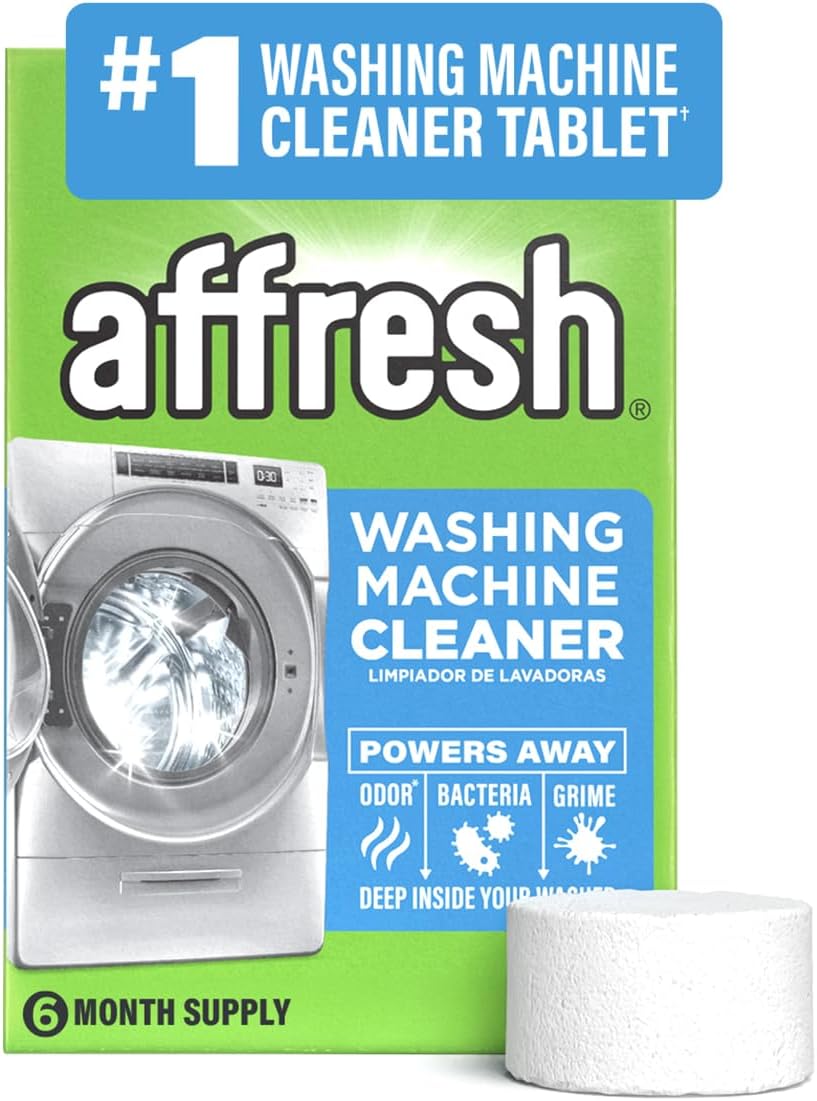
| Best Overall | Affresh Washing Machine Cleaner | Time release tablets, 6 count | Monthly upkeep on any washer, including HE |
| Best Budget (Under $10) | OxiClean Washing Machine Cleaner with Odor Blasters | Powder pouches, 4 count | Occasional odor resets on a tight budget |
| Best Premium / Upgrade Pick | Tide Washing Machine Cleaner with Oxi | Powder packets, 10 month supply | Heavy residue and stubborn smells |
Our 3 Top Picks for the Best Washing Machine Cleaners
Each pick below covers who it suits, what it does well and one honest limitation. All three work in front load, top load and HE machines according to their makers.
1. Best Overall: Affresh Washing Machine Cleaner
Why it made the list: Affresh is the cleaner many appliance makers point owners toward, and it is one of the best selling washer cleaners on Amazon. Its tablets release cleaning agents gradually through the whole cycle, reaching the drum, pump and filter areas where residue hides.
- Highlights: one tablet once a month keeps upkeep simple; Affresh says it is recommended by Whirlpool, Maytag and Amana, is EPA Safer Choice certified and septic safe.
- Trade off: A six count box lasts six months, so the cost per cleaning is higher than bulk tablet packs.
Because Affresh is designed for one tablet per month instead of twice monthly cycles, it also cuts the time you spend on machine maintenance. That is a meaningful difference for busy households that run several loads a day.
Best for: anyone who wants a dependable monthly routine for any make or model, at around $12 per box. Skip it if you already have heavy mold in the door gasket; treat that directly first.

2. Best Budget (Under $10): OxiClean Washing Machine Cleaner with Odor Blasters
Why it made the list: At around $8 for four uses, the OxiClean pouches are an inexpensive way to reset a smelly washer. You pour a pouch into the empty drum, run a hot cycle and wipe away any leftover residue.
- Highlights: odor blasters target the residues that cause musty smells; works in standard and HE washers and is septic safe.
- Trade off: Powder pouches are slightly messier than tablets, and you need to wipe the drum after the cycle.
The pouches are also easy to keep on hand for the moments when a washer suddenly smells off, such as after a load of wet beach towels or gym clothes was left sitting overnight.
Best for: renters and anyone who cleans the washer every month or two. Skip it if you want the most hands off tablet routine.

3. Best Premium / Upgrade Pick: Tide Washing Machine Cleaner with Oxi
Why it made the list: Tide's cleaner uses an Oxi and TAED formula in powder packets that Tide says activate faster than tablets. For washers with visible residue or smells that keep returning, it offers a stronger regular clean.
- Highlights: ten individually packed powder packets, roughly a ten month supply; designed for front and top load washers with a milder fresh scent.
- Trade off: It costs around $27, more than tablet brands per box, and some people prefer an unscented cleaner.
The individually wrapped packets keep the powder dry until you need it, which helps in humid laundry rooms where loose powder can clump.
Best for: busy households, pet owners and front loaders prone to odors. Skip it if you are sensitive to scented cleaning products.

How We Chose the Best Washing Machine Cleaners
We compared washer cleaners on cleaning approach, compatibility with front load, top load and HE machines, septic safety, ease of use, scent, safety labeling and cost per cleaning. Our sources were manufacturer information, appliance maker recommendations stated on product listings and patterns across large volumes of verified buyer feedback, especially comments about odor and residue months after use. We did not run our own trials. We left out products with vague claims or frequent reports of leftover residue on clothes.
How to Choose the Right Washing Machine Cleaner
All washer cleaners aim to remove residue and odor, but they work in different ways. The sections below walk through the choices.
Signs Your Washer Needs Cleaning
Washers rarely look dirty from the outside, so watch for subtle clues. A musty or sour smell when you open the door, towels that smell damp even after drying, gray or black spots in the door seal and a slimy film in the detergent drawer all point to buildup. Some front loaders also show a clean washer reminder light after a set number of cycles.
Other signs include residue or lint spots on dark clothes, slow draining and water left in the bottom of the drum. Slow draining can mean a clogged pump filter, which a cleaner alone will not fix, so check that filter too.
How Often to Clean
Most manufacturers suggest running a cleaning cycle about once a month, or every 30 to 40 loads. Large families, pet owners and homes with hard water may need to clean every two to three weeks. Wipe the door gasket and dispenser weekly, since that takes only a minute and prevents most odors before they start.
Set a reminder on your phone for the first weekend of each month. A simple routine is easier to keep than waiting until the smell returns.
Type
Tablets are the most popular format. You drop one into the empty drum or detergent dispenser and run a cleaning or hot cycle. Time release tablets keep working through the whole cycle, and they are neat and pre measured.
Powder pouches and packets dissolve quickly and often rely on oxygen based cleaners. They are effective and inexpensive but can leave a little powder to wipe away. Liquid cleaners pour into the dispenser and are handy for top loaders. Gels and sprays target door gaskets and visible mold spots rather than the whole machine. Wipes clean the door, gasket and exterior between deep cleans.
Match the Formula to Your Washer and the Problem
Front load washers are the most prone to odor because their rubber door gasket traps water and lint. They benefit from monthly tablet cleaning plus regular gasket wiping. Top load washers, especially older agitator models, collect detergent and softener residue under the drum, so a strong powder or liquid cleaner helps.
Match the cleaner to the problem. For general musty smells, oxygen based cleaners work well. Hard water areas see mineral scale, so a cleaner that mentions descaling or limescale is useful. For pet homes, enzymatic cleaners help break down hair and organic residue. Visible black spots in the gasket usually need a dedicated mold stain remover applied directly and left to work.
Always check your washer's manual too. Many machines have a dedicated clean washer or tub clean cycle that is designed to be used with these products.
Safety: Labels, EPA Registration and Ventilation
Read the product label before use and follow its directions exactly. Most washer cleaners are designed to be used in an empty machine, never with clothes inside. Wear gloves if your skin is sensitive, and keep tablets and pouches in their original packaging, up high and away from children and pets, because they can look like candy or treats.
Products that claim to kill bacteria or mold may carry EPA registration; check the label for a registration number if disinfection is your goal. Labels such as EPA Safer Choice indicate a product meets safer ingredient criteria. Run the washer with the laundry room ventilated, and never mix washer cleaners with chlorine bleach, ammonia or vinegar, since some combinations can release harmful gases.
Concentrate vs Ready to Use
Tablets and powder packets are essentially concentrated, single use doses, which makes them simple and hard to misuse. Liquid cleaners may be concentrated or ready to use; follow the dose for your drum size, because using too little leaves residue in place and using too much can cause extra suds.
Household alternatives such as plain bleach or vinegar are sometimes suggested online, but many washer manufacturers advise against vinegar on rubber seals, and bleach must never be combined with other cleaners. A product made for washers is the safer, more predictable choice.
Cost per Use
Divide the box price by the number of cleanings to compare products fairly. Budget pouches and bulk tablet packs can cost under $1.50 per cleaning, while name brand six packs and premium powders often cost around $2 to $3 per use. Since most people clean once a month, even premium options cost only a few dollars a month.
The real value is avoided problems: a clean washer uses detergent more effectively, keeps odors out of clothes and can help avoid service calls for clogged filters and drains.
Buying a larger pack lowers the cost per cleaning, but only if you will actually use it. A box that sits unopened for two years may lose some strength, especially in damp rooms.
How Much Should You Spend?
- Under $10: small packs of powder pouches or tablets for occasional use.
- $10 to $20: name brand tablet boxes covering about six months.
- $20 to $30: premium powders, pet formulas and bulk packs covering most of a year.
- Over $30: large value bundles that include dishwasher cleaner too.
Best Washing Machine Cleaners by Need
Use this list to choose a cleaner for your situation.
- Front load odor: monthly time release tablets plus a weekly gasket wipe.
- Top load residue: a strong powder or liquid cleaner run on the hottest, largest cycle.
- Pet hair and smells: an enzymatic pet formula that targets hair and organic residue.
- Hard water: a cleaner that also descales to remove mineral buildup.
- Visible mold on the seal: a gasket mold gel or spray applied directly, followed by a full machine clean.
- Septic systems: a product labeled septic safe, such as the three picks above.
- Sensitive noses: unscented or lightly scented tablets.
If odors persist after two or three cleanings, the problem may be a clogged drain hose or pump filter rather than residue, and the manual or a service technician can help.
Pair any cleaner with a few habits: leave the door open after washing, pull wet laundry out promptly and use the correct amount of HE detergent. Those steps prevent most odors in the first place.
Do not forget the parts a cleaner cannot reach. Pull back the door gasket and wipe the folds, remove and rinse the detergent drawer and, on front loaders, open the small panel at the bottom to clean the pump filter every few months. Lay a towel down first, since some water will drain out.
FAQs
What is the best washing machine cleaner?
For most homes, Affresh Washing Machine Cleaner is the best washing machine cleaner because its time release tablets work in any washer, need only one use a month and are septic safe. Budget shoppers can use OxiClean pouches, and homes with stubborn odors may prefer Tide Washing Machine Cleaner with Oxi.
How long does a box of washing machine cleaner last?
That depends on the pack size and how often you clean. With a monthly routine, a six count box lasts about six months, a four count pack about four months and a ten packet box about ten months. Store cleaners in a cool, dry place so tablets and powder do not clump.
Is a washing machine cleaner worth it?
Yes. A dedicated cleaner removes residue and odor causing buildup that normal wash cycles leave behind, especially in front loaders and HE machines that use little water. It costs only a few dollars a month and helps clothes come out fresher.
How do you clean a washing machine with a cleaner?
Empty the drum, add the tablet or packet as the label directs and run the washer's clean cycle or the hottest, largest cycle. Afterward, wipe the drum and door gasket with a cloth, clean the detergent dispenser and leave the door open to dry. Check and clean the drain pump filter if your washer has one.
What is the most reliable washing machine cleaner brand?
Affresh, OxiClean and Tide are the most established washer cleaner brands, with consistent formulas and wide availability. Affresh is notable for being recommended by Whirlpool family brands. Choosing a product labeled for your washer type matters as much as the brand.
Final Verdict
Affresh Washing Machine Cleaner is our top choice for most homes thanks to its simple monthly routine, broad compatibility and septic safe formula. OxiClean pouches are the low cost pick, and Tide Washing Machine Cleaner with Oxi is the upgrade for washers with stubborn smells and residue. Clean monthly, keep the door open between loads, and the best washing machine cleaner will keep your washer and your laundry smelling fresh.

