
Cleaning Tools & Accessories
 Cleaning Tools & Accessories
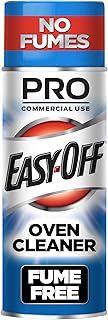
Best Oven Cleaner For Self Cleaning Ovens 2026 - Top Tested Cleaners Reviewed
 Cleaning Tools & Accessories
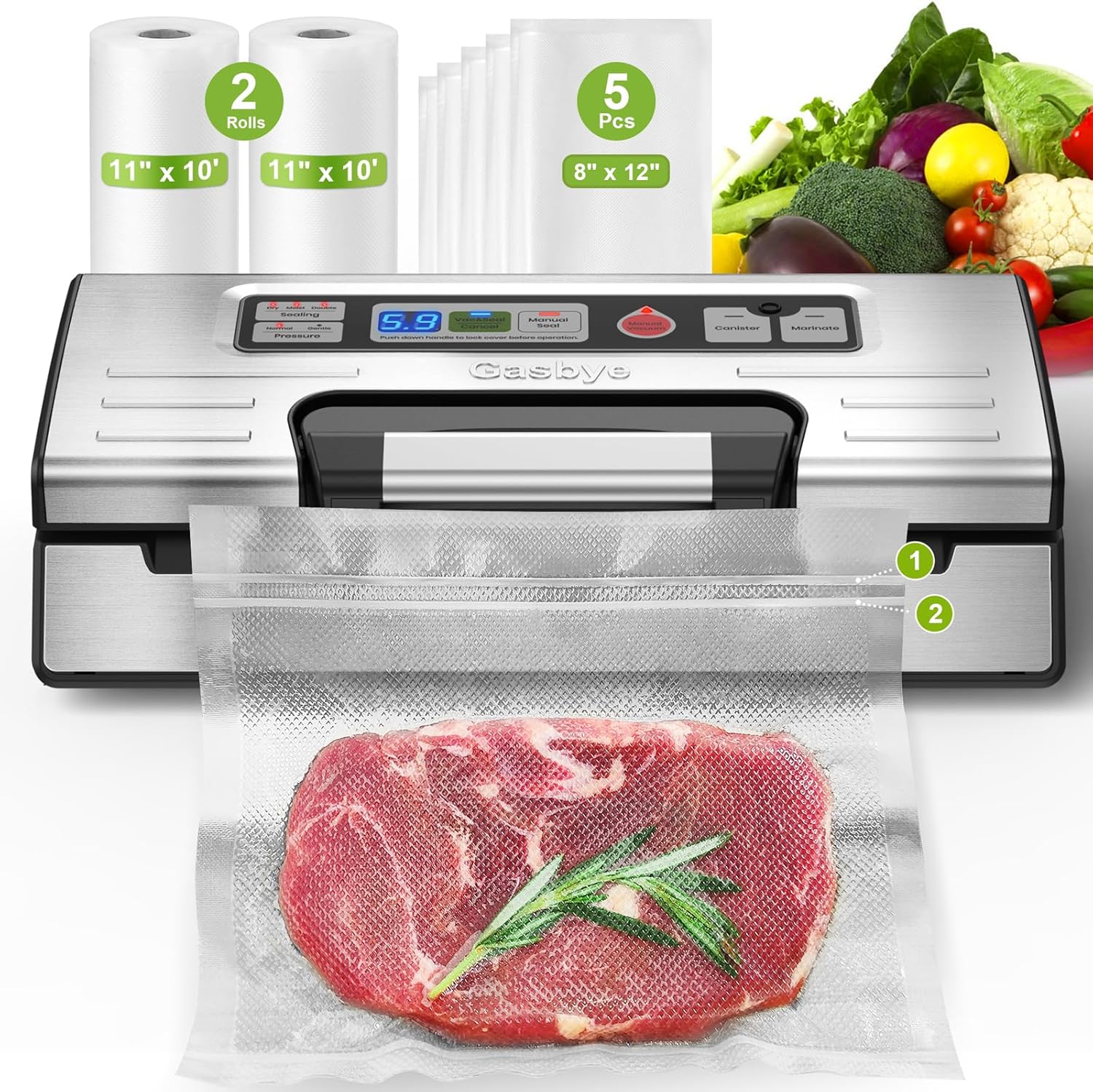
Best FoodSaver Vacuum Sealers 2026 - Detailed Comparison and Kitchen Buying Guide
 Cleaning Tools & Accessories
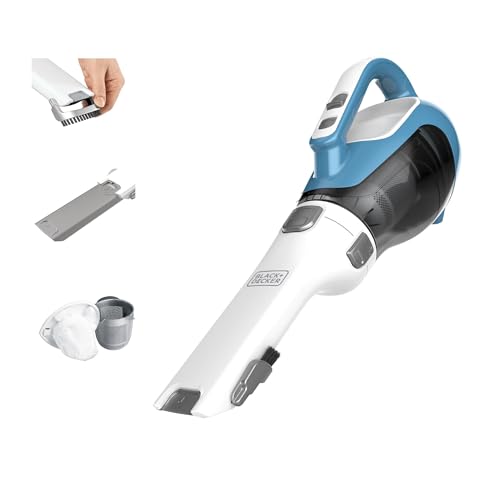
Best Glitter Cleanup Tools: What to Buy and What to Skip

Good Tools Make Every Cleaner Work Better
The cloth, brush or caddy you reach for affects results as much as the spray in your other hand. A quality microfiber cloth picks up dust that cotton just pushes around, and the right brush gets into grout lines without scratching tile. Investing a little in tools usually means using less product and less effort.
Core Tools Most Homes Need
- Microfiber cloths: split fibers trap dust and grime. Use color coding (for example, one color for bathrooms, another for the kitchen) to avoid spreading germs.
- Scrub brushes and sponges: stiff nylon for grout and tile, softer bristles for delicate surfaces. Non-scratch sponges are safer for nonstick pans and glass.
- Squeegees and dusters: squeegees keep shower glass clear; extendable dusters reach ceiling fans and vents.
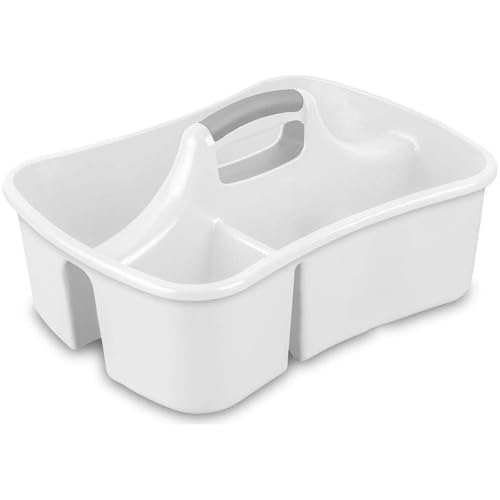
- Caddies and buckets: a caddy keeps supplies together so you can move room to room. Our guide to cleaning caddies compares sizes and handle styles.
- Specialty tools: lint rollers, sticky pads and small handheld vacuums handle glitter, pet hair and crumbs. See our picks for glitter cleanup tools.
- Protective gear: reusable gloves protect skin from detergents and degreasers.
How to Choose Quality
For microfiber, a denser weave and stitched edges last longer through repeated washing. Brushes should have firmly anchored bristles and comfortable grips. Caddies with sturdy handles and divided compartments keep bottles upright. If you rely on a mop, washable pads cost more upfront but replace many disposable refills; our vacuums and floor care section covers mops in more depth.
Care and Common Mistakes
- Washing microfiber with fabric softener or dryer sheets, which clogs the fibers and reduces absorbency.
- Using the same cloth for the toilet and the kitchen counter.
- Letting sponges stay damp for days; replace or sanitize them often since they harbor bacteria.
- Storing wet brushes and mop heads in closed containers, which leads to odor and mildew.
- Mixing leftover products in a bucket. Combining bleach with ammonia or acids creates toxic gases.
Most of these tools are affordable. A good set of microfiber cloths or a sturdy caddy often costs under $30, while specialty handhelds run higher.
Cleaning Tools & Accessories FAQ
How should I wash microfiber cleaning cloths?
Wash them separately or with other lint-free items in warm water with a small amount of detergent. Skip fabric softener and dryer sheets, and tumble dry low or air dry to keep the fibers effective.
How often should I replace a kitchen sponge?
Many cleaning experts suggest every one to two weeks, or sooner if it smells. Rinsing well, squeezing dry and letting it air out between uses helps it stay fresher longer.
What is the advantage of color-coded cleaning cloths?
Assigning colors to specific areas, such as red for toilets and blue for glass, keeps bathroom germs out of the kitchen and makes it easy for everyone in the home to follow the system.
Is a cleaning caddy worth buying?
If you clean more than one room at a time, yes. Carrying all your supplies together saves trips to the closet and makes it easier to keep products organized and away from children.
What works best for picking up glitter?
Sticky tools such as lint rollers or packing tape lift glitter from fabric, while a vacuum with a crevice tool handles floors. A damp microfiber cloth works well on hard surfaces.