
Best All Purpose Cleaners of 2026: Our 3 Top Picks + Buying Guide
Disclosure: We may earn a commission when you buy through links on this page, at no extra cost to you. As an Amazon Associate I earn from qualifying purchases. Learn more

Three picks for the best all purpose cleaner and a guide to formulas, surfaces and disinfecting.
An all purpose cleaner is the hardest working bottle under the sink. It wipes kitchen counters after dinner, cleans sticky fingerprints off appliances, freshens bathroom vanities and handles spills on sealed floors. But formulas vary a lot: some disinfect, some are plant based and gentle, some are concentrated degreasers and some leave streaks or strong fragrance behind. The best all purpose cleaner cuts grease and grime on the surfaces you clean most, rinses or wipes away without residue and matches how you feel about disinfectants, scents and ingredients.
Below are our three top picks, followed by a buying guide on formula types, surface safety, disinfecting claims, concentrates and cost per use, plus a simple cleaning routine and mistakes to avoid.


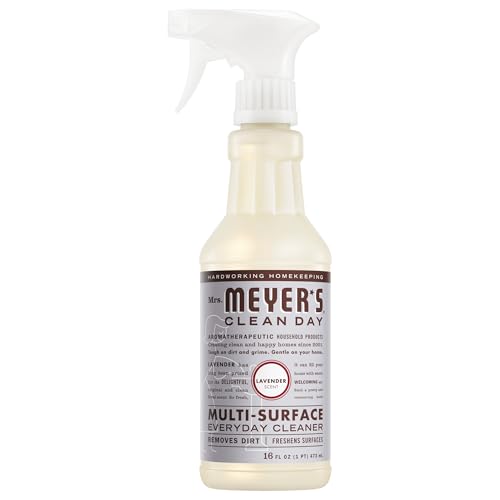


Our Top Picks at a Glance
Method All Purpose Cleaner is the best all purpose cleaner overall for everyday cleaning with a gentle, plant inspired formula, Lysol All Purpose Cleaner is the best pick when you need to disinfect, and Simple Green All Purpose Cleaner is the best value concentrate for heavy grime in kitchens, garages and outdoor gear.
| Award | Product | Key Spec | Best For |
|---|---|---|---|
| Best Overall | Method All Purpose Cleaner Spray (28 oz) | Leaping Bunny certified, no parabens, phthalates, sulfates or phosphates | Daily counters, tile and glass |
| Best Disinfecting | Lysol All Purpose Cleaner Spray (32 oz) | Kills 99.9% of viruses and bacteria, 0% bleach | Kitchens, bathrooms and high touch areas |
| Best Value Concentrate | Simple Green All Purpose Cleaner (spray + refill set) | Dilutable concentrate, refill included | Heavy grime and big jobs |
Our 3 Top Picks for the Best All Purpose Cleaners
Each pick below explains who it suits, its main strengths and one honest limitation.
1. Best Overall: Method All Purpose Cleaner Spray
Method All Purpose Cleaner is the best all purpose cleaner for everyday cleaning, usually priced well under $6 per 28 ounce bottle. It is a gentle, pleasant smelling spray that still cuts through grease and grime.
Why it made the list: Method says the formula delivers a streak free finish and works on a wide range of non porous surfaces, including counters, tile, stone, sealed wood and glass.
- Highlights: Leaping Bunny certified and cruelty free; made without parabens, phthalates, sulfates or phosphates; the bottle (minus the trigger) uses recycled plastic; scents like French lavender.
- Trade off: it cleans but does not disinfect, so it is not the choice for raw meat cleanups or sick days.
Best for: daily wipe downs in kitchens, bathrooms and living areas. Skip it if you need a registered disinfectant.

2. Best Disinfecting: Lysol All Purpose Cleaner Spray
Lysol All Purpose Cleaner is the best all purpose cleaner when you need to disinfect, usually around $4 per 32 ounce bottle. It cleans and disinfects in one step.
Why it made the list: Lysol says it kills 99.9% of viruses and bacteria, removes soap scum and cuts through tough grease, all with 0% bleach.
- Highlights: works on counters, sinks, stovetops, cabinets, appliance exteriors, high chairs, bathtubs and showers; fresh lemon scent; widely available.
- Trade off: disinfecting requires leaving the surface wet for the label's contact time, and the fragrance is stronger than plant based cleaners.
Best for: kitchens after handling raw meat, bathrooms and households with sickness. Skip it if you prefer fragrance free or minimal ingredient cleaners.

3. Best Value Concentrate: Simple Green All Purpose Cleaner
Simple Green All Purpose Cleaner is the best value pick for heavy grime, at around $30 for a spray and refill set. Its concentrated formula can be diluted for lighter jobs.
Why it made the list: a refillable spray plus large refill lowers cost per use, and the classic formula tackles greasy stovetops, garage floors, grills, outdoor furniture and work boots as well as everyday surfaces.
- Highlights: dilution lets one bottle cover many jobs; refill reduces plastic waste; non abrasive formula.
- Trade off: you need to follow dilution ratios, and it is not a disinfectant.
Best for: big households, garages and greasy messes. Skip it if you want a ready to use spray with no mixing.

How We Chose the Best All Purpose Cleaners
We compared all purpose cleaners on grease and grime removal, surface compatibility, residue and streaking, disinfecting claims, ingredients and scent, and cost per use. Our sources were manufacturer labels and safety information, EPA registration details for disinfectants, the details in each Amazon listing and patterns across large volumes of verified buyer feedback. We did not run our own trials.
How to Choose the Right All Purpose Cleaner
The right all purpose cleaner matches your surfaces, cleaning needs and ingredient preferences. These factors matter most when choosing the best all purpose cleaner for your home.
Cleaner vs Disinfectant
Cleaners remove dirt, grease and many germs by lifting them away. Disinfectants kill bacteria and viruses when left wet for a specific contact time, often several minutes. Use a disinfectant on high touch surfaces, after raw meat and during illness, and a gentler cleaner for everyday wiping.
Formula Type
Plant based and natural cleaners use surfactants derived from plants and essential oils. Disinfecting sprays use ingredients such as quaternary ammonium compounds or hydrogen peroxide. Concentrates are diluted with water for different strengths. Foaming sprays cling to vertical surfaces.
Surface Safety
Most all purpose cleaners are safe on sealed counters, laminate, tile, sealed wood, glass, plastic and stainless steel exteriors. Natural stone like marble and granite can etch with acidic cleaners, so use a pH neutral formula or one labeled stone safe. Avoid using all purpose cleaners on unsealed wood, leather, electronics screens and painted surfaces without checking the label.
Scent and Sensitivities
Fragrance free or lightly scented cleaners suit people with sensitivities, asthma or small children. Look for third party certifications such as EPA Safer Choice or EWG Verified if ingredient transparency matters to you.
Ready to Use vs Concentrate
Ready to use sprays are convenient. Concentrates and refills cost less per use, reduce plastic waste and let you mix stronger solutions for tough jobs.
Cost per Use
Ready to use sprays usually cost a few dollars per bottle and last several weeks of daily use. Concentrates can make many bottles' worth of cleaner, lowering cost per use significantly.
How Much Should You Spend?
- Under $5: standard all purpose sprays from major brands.
- Under $15: plant based, certified or multi pack sprays.
- Under $35: concentrate and refill bundles for heavy use.
How to Use an All Purpose Cleaner Effectively
- Clear the surface: remove crumbs and clutter first.
- Spray evenly: mist the surface lightly; heavy soaking is rarely needed.
- Let it work: give grease a minute to loosen, or follow the disinfecting contact time on the label.
- Wipe with microfiber: microfiber cloths trap dirt better than paper towels and reduce streaks.
- Rinse food contact surfaces: if the label requires it, wipe with clean water after disinfecting.
- Dry glossy surfaces: buff stainless steel and glass for a streak free finish.
Room by Room: Where to Use an All Purpose Cleaner
- Kitchen: counters, sinks, stovetops, cabinet fronts, appliance exteriors and trash cans.
- Bathroom: vanities, faucets, tubs, toilet exteriors and tile. Use a dedicated toilet bowl cleaner inside the bowl.
- Living areas: tables, light switches, door handles and baseboards.
- Kids' areas: high chairs, plastic toys and play tables, followed by a water rinse.
- Garage and outdoors: workbenches, plastic patio furniture and tools, ideally with a concentrate.
DIY All Purpose Cleaner vs Store Bought
Homemade cleaners made from vinegar, water and a few drops of dish soap are cheap and work on light grime, glass and some hard water spots. But vinegar is acidic, so it can etch marble, limestone and some grout, and it does not disinfect to the standard of registered products. Store bought cleaners are formulated for specific surfaces, offer consistent results and include clear safety directions. A DIY spray can supplement a commercial cleaner, but never mix vinegar with bleach or hydrogen peroxide in the same bottle.
Tools That Make Any Cleaner Work Better
- Microfiber cloths: trap dust, grease and germs better than cotton or paper towels and leave fewer streaks. Use color coded cloths for kitchen, bathroom and general areas.
- Non scratch scrub sponges: lift dried food without scratching counters or stainless steel.
- Detail brushes: clean faucet bases, stove knobs and grout lines.
- Reusable spray bottles: make concentrate refills easy to mix and label.
- Gloves: protect your hands when using disinfectants or degreasers.
Using Cleaners Safely Around Kids and Pets
Keep all cleaners locked or stored high, even plant based ones, since any concentrated product can irritate eyes and skin. Spray onto a cloth rather than directly near pets or toddlers to reduce mist. After disinfecting high chairs, toys and food prep areas, rinse with clean water if the label calls for it, and let floors dry before pets walk on them. Ventilate rooms while cleaning, especially bathrooms with little airflow, and choose fragrance free formulas if anyone in the home has asthma or sensitivities.
Why Surfaces Look Streaky and How to Fix It
- Too much product: use a light mist; excess surfactant dries into a film.
- Dirty or fabric softened cloths: wash microfiber without fabric softener, which coats fibers.
- Hard water: wipe again with distilled water or buff dry immediately.
- Wrong cleaner for the surface: use a dedicated glass or stainless steel cleaner on mirrors and appliances if streaks persist.
Common Mistakes to Avoid
- Wiping disinfectant away too soon: it must stay wet for the full contact time to kill germs.
- Mixing cleaners: never combine products, especially bleach with ammonia or acids.
- Using acidic cleaners on stone: vinegar and citrus cleaners can etch marble and limestone.
- Using too much product: excess leaves sticky residue that attracts dirt.
- Using dirty cloths: wash microfiber regularly to avoid spreading grime.
A Simple Weekly Cleaning Routine
An all purpose cleaner makes a quick weekly routine easy. On day one, wipe kitchen counters, cabinet fronts, appliance handles and the sink. On day two, clean bathroom vanities, faucets and the outside of the toilet, using a disinfectant on high touch spots. On day three, wipe light switches, door handles, remote controls and tables in living areas. Once a week, wipe baseboards and window sills, and finish by washing your microfiber cloths in hot water without fabric softener. Breaking tasks into short sessions keeps the home tidy without a long weekend scrub.
Natural vs Conventional All Purpose Cleaners
Natural and plant based cleaners, such as Method and similar brands, use gentler surfactants and fragrances and are popular in homes with kids and pets. They clean everyday dirt well but generally do not disinfect. Conventional disinfecting cleaners, such as Lysol, kill germs when used as directed but have stronger ingredients and scents. Many households keep one of each: a gentle spray for daily wiping and a disinfectant for raw meat, bathrooms and sick days. For more ingredient conscious options, see our best non toxic all purpose cleaner guide.
FAQs
What is the best all purpose cleaner?
For most homes, Method All Purpose Cleaner is the best all purpose cleaner for everyday use thanks to its gentle formula and streak free finish on many surfaces. Lysol All Purpose Cleaner is best when you need to disinfect, and Simple Green is the best value concentrate for heavy grime.
What should I look for in an all purpose cleaner?
Look for a formula that matches your surfaces, cuts grease without residue and fits your preferences on scent and ingredients. Choose a disinfectant for high touch areas and a gentle cleaner for daily wiping.
Can I use an all purpose cleaner on granite?
Only if the label says it is safe for stone or the formula is pH neutral. Acidic or harsh cleaners can dull sealed granite and etch marble over time.
Is an all purpose cleaner the same as a disinfectant?
No. Many all purpose cleaners only clean. Disinfectants are registered to kill specific germs and must stay wet for a listed contact time.
How should I store all purpose cleaners?
Store bottles upright with the trigger locked, out of reach of children and pets, in a cool place away from other chemicals.
What is the most reliable all purpose cleaner brand?
Method, Lysol, Simple Green, Mrs. Meyer's, Seventh Generation and Clorox are well known all purpose cleaner brands. Choose based on whether you need disinfection, natural ingredients or heavy duty degreasing.
Can I use an all purpose cleaner on hardwood floors?
Only diluted and only on sealed hardwood, if the label allows it. Excess liquid can seep into seams and damage wood. A dedicated hardwood floor cleaner is a safer choice for regular mopping.
How long does an all purpose cleaner last once opened?
Most ready to use all purpose cleaners stay effective for about one to two years if capped and stored at room temperature. Disinfectants can lose strength over time, so check the date on the bottle. Diluted concentrates are best used within a few weeks.
Do all purpose cleaners kill mold?
Most do not. Some disinfecting cleaners list mold or mildew on the label, but dedicated mold removers work better on shower grout and caulk. See our best mold remover for shower guide for bathroom mold.
Final Verdict
Method All Purpose Cleaner is the spray we would reach for first for everyday cleaning, Lysol All Purpose Cleaner is the pick for disinfecting and Simple Green is the value concentrate for heavy grime. Match the formula to the surface and the job, use microfiber cloths and follow label directions, and the best all purpose cleaner will keep your whole home clean with less effort.


