
Best Cordless Vacuum for Seniors: A Buying Guide for 2026
Disclosure: We may earn a commission when you buy through links on this page, at no extra cost to you. As an Amazon Associate I earn from qualifying purchases. Learn more

The best cordless vacuum for seniors is light, easy to grip and simple to empty. Compare weight, controls, batteries and dust cups before you choose.
For many older adults, the hardest part of vacuuming is not the dirt. It is dragging a heavy machine out of a closet, bending to plug it in and hauling a cord from room to room, where it becomes something to trip over. A light cordless model removes most of that strain, which is why choosing the best cordless vacuum for seniors is really about weight, grip comfort and controls that ask little of your hands.
This guide compares the features that make daily cleaning easier and safer at any age: balance, switch style, dust cup design and charging that does not require kneeling. Use the comparison table below to see the main types, and our wider guide to the best cordless vacuum for the full category picture before you narrow the field.


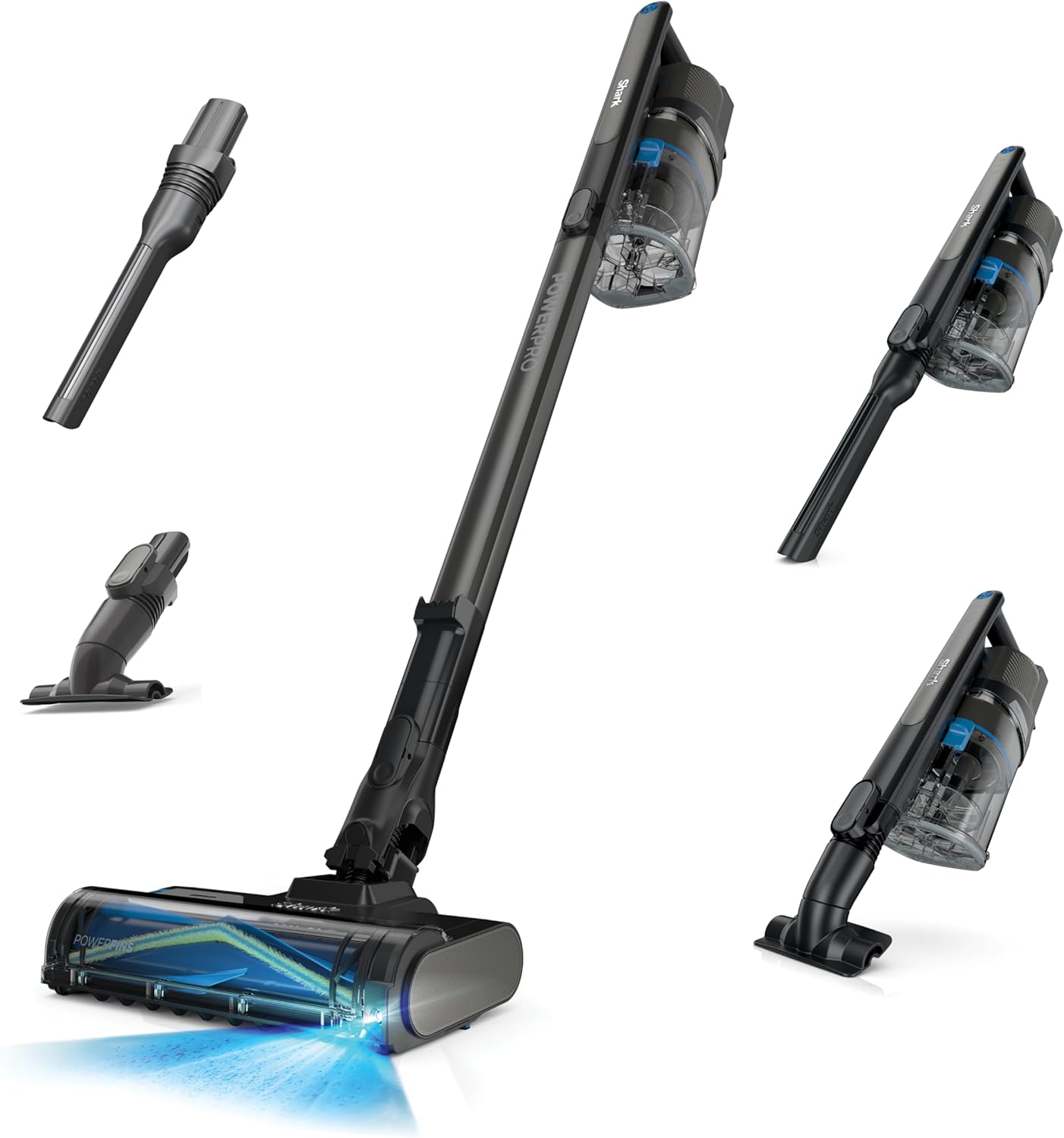


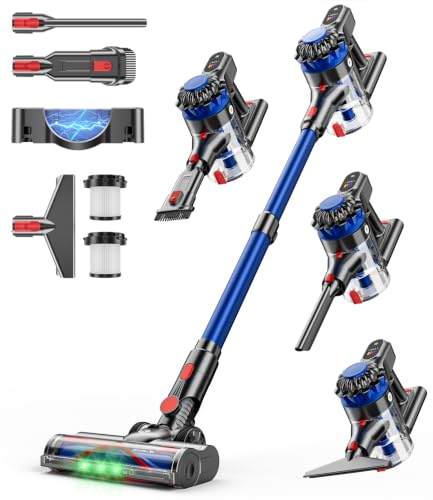
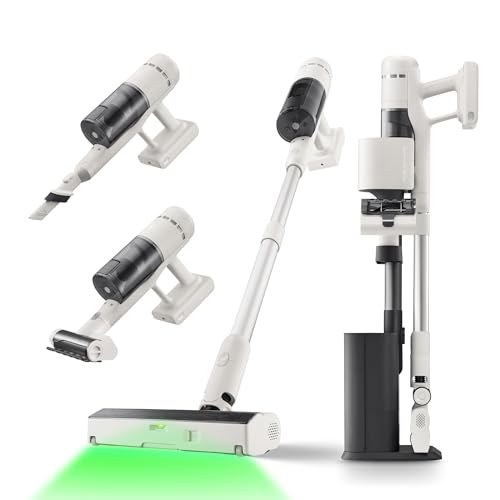
Who Should Buy Which Cordless Vacuum for Seniors?
Three situations come up again and again for older buyers, and each points to a slightly different machine.
Seniors with arthritis or reduced grip strength
If squeezing and holding are painful, the control layout matters more than suction. Choose a model with a simple on and off switch instead of a trigger you must hold down the whole time, buttons large enough to press with a thumb joint and a handle shaped for a relaxed grip. A vacuum you can run for ten minutes without hand fatigue will get used daily, and daily light cleaning is what keeps a home feeling cared for.
Seniors in apartments who clean a little each day
Small homes reward short, frequent sessions over marathon cleans. A compact stick that lives on a wall dock by the kitchen is always ready for crumbs and entryway grit, with no closet wrestling. Most of these models convert to a handheld for counters and stairs, and our guide to the best handheld cordless vacuum covers that lighter format if a full stick feels like more machine than you want.
Seniors who struggle with bending and lifting
Reaching the floor and lifting a heavy canister are the two motions to design out. Look for a dust cup that empties from the bottom into a trash can held at waist height, a head that lies nearly flat so you can clean under beds without moving them and a total weight you can carry in one hand. A swivel head also helps, since steering with small wrist turns replaces pushing the whole machine around each chair leg.
Key Features to Compare
Spec sheets stress suction, but for senior buyers these five practical areas decide whether the vacuum is a help or a burden.
Weight and balance
Total weight for stick models runs from about 4 to 9 pounds, and the spread is very noticeable by the third room. Balance matters as much as the number: a motor carried low near the floor feels lighter in use than the same weight held up by your wrist in handheld mode. If you can, judge by the handheld weight, because that is what your arm supports on stairs and above floor jobs. Readers who share the home with a pet will also find that hair wound around the brushroll adds drag, which is covered in our guide to the best cordless vacuum for pet hair.
Controls that are easy on hands
The trigger versus switch question is the biggest comfort divide in this category. A hold down trigger keeps the motor running only while squeezed, which tires arthritic fingers within minutes. A locking switch or a trigger with a lock lever removes that strain entirely. Also check the mode buttons: changing from eco to max should take one clear press, not a long hold or a tiny recessed button, and a bright battery indicator you can read at a glance prevents surprise shutdowns halfway across a room.
Dust cup emptying without a dust cloud
Emptying is where many designs fail older users. The kindest systems open from the bottom over a trash can, so dirt falls out in one motion without shaking. Shaking a cup is hard on wrists and puffs fine dust back into the air you just cleaned. Bagged cordless models, though less common, remove contact with dust almost completely and suit readers who dislike washing filters. Whichever style you pick, the release should work with one hand and a modest press, not a stiff twist.
Battery runtime and simple charging
Most senior households need about 20 to 40 minutes of real cleaning time, which covers an apartment or the main rooms of a house in short sessions. A removable battery is worth having: you can swap in a spare instead of waiting, and a worn pack can be replaced without replacing the vacuum. Charging should happen on a wall dock at a comfortable height, with a clear light that shows full charge. Footing matters here too: keep the area around the dock clear and well lit, and if vacuuming ever makes you dizzy, causes joint or back pain or leaves you short of breath, stop and talk with your doctor about safer ways to keep up with housework.
Steering, reach and headlights
A head that swivels with light wrist pressure and lies flat for under bed work saves both bending and furniture moving. LED headlights sound like a gimmick until you see the grit they reveal along baseboards and under cabinets, which means fewer second passes. Compare stick formats side by side in our guide to the best stick cordless vacuum, and note the length of the wand: taller users should confirm it reaches the floor without stooping, while shorter users should check it does not feel unwieldy on stairs.
Setting Up the Dock and Attachments Within Easy Reach
A thoughtful setup removes half the effort before you clean at all. Mount the charging dock on a wall near an outlet at about waist height, in a spot you pass daily, such as a utility corner or the end of a hall. Keep the crevice tool and dusting brush clipped beside it on the same board, not in a low drawer that asks you to bend. Charge after short sessions rather than running the battery flat, and keep the floor in front of the dock empty, since a clutter free docking area is also a trip free one. The routine to aim for is simple: lift, clean for five or ten minutes, dock again.
Common Mistakes to Avoid
- Buying the heaviest high power model, which then stays in the closet because lifting it hurts more than the dirt bothers you.
- Choosing a hold down trigger design, which leaves arthritic hands aching halfway through the second room.
- Emptying the dust cup by shaking it hard, which strains the wrist and throws fine dust back into the room.
- Storing attachments in a low drawer or high shelf, so the useful tools are exactly where you cannot comfortably reach them.
- Ignoring the battery indicator and display size, which leads to mid room shutdowns and squinting at tiny lights to diagnose them.
How to Make Your Cordless Vacuum for Seniors Last Longer
Gentle, regular care keeps the vacuum light to push and strong on pickup. Wash the filter on the maker's schedule, because a clogged filter makes you press and push harder to get the same result. Clear hair from the brushroll before it mats, since a clean brush steers with far less effort. Wipe the contacts on the battery and dock now and then so charging stays reliable, and store the vacuum docked in a dry spot out of direct sun. None of this needs bending if the dock is set up well, which is rather the point.
FAQ
How light should a cordless vacuum be for arthritic hands?
Under about 6 pounds total is a sensible target for a stick, and less is better if you will use it on stairs. Judge the handheld configuration separately, since that is the weight your wrist carries for shelves and upholstery. If a product page lists only the full stick weight, treat that as a warning sign and look for the handheld figure before buying.
Is a switch or a trigger easier for sore hands?
A switch is easier for almost everyone with grip pain, because it stays on without constant pressure. A trigger gives fine control for quick pickups, but over a whole room it fatigues the hand and can aggravate stiff joints. Some models split the difference with a trigger lock lever, which is worth seeking out if you like a particular design.
How long should the battery last for a small apartment?
About 20 to 40 minutes of real runtime covers a small apartment comfortably, including a pass over rugs. Eco mode stretches runtime on hard floors, where most apartment cleaning happens. If your home takes longer, a removable battery you can swap beats a longer single charge, because you never wait mid clean and each pack stays light.
Are bagged cordless vacuums easier for seniors to empty?
For many, yes. A bag lifts out and seals, so there is no shaking, no dust puff and no filter washing routine to remember. The trade offs are the ongoing cost of bags and a smaller choice of models. Readers who find dust unpleasant or who clean up after a pet often judge that trade well worth making.
Can a cordless vacuum be the only vacuum in a senior's home?
For a small home with mostly hard floors and low pile rugs, yes, comfortably. Deep pile carpet is where cordless models still trail a corded upright, and a large house may need battery swaps. Many households keep the cordless for everything daily and borrow or hire help for the rare deep clean, which is a sensible division of labor.
Final Thoughts
Comfort is the specification that decides whether a vacuum gets used, so weigh the handle, switch and dust cup as seriously as suction. Compare the lightest suitable options in the product table above, and remember that if cleaning leaves you in pain or short of breath, your doctor is the right person to advise on the routine, while the best cordless vacuum for seniors is simply the one that asks the least of your hands, back and balance.


