
Best Handheld Vacuum for Crumbs in Kitchens and Dining Rooms in 2026
Disclosure: We may earn a commission when you buy through links on this page, at no extra cost to you. As an Amazon Associate I earn from qualifying purchases. Learn more

Choose the best handheld vacuum for crumbs by nozzle shape, charging setup, easy cup emptying and airflow for cereal and cracker pieces.
Crumbs are the most frequent mess in most homes: toast debris under the counter edge, cereal scattered around a high chair, cracker fragments ground into the dining rug. They are small jobs that happen daily, which changes what matters in a vacuum. The best handheld vacuum for crumbs is not the most powerful machine on the shelf; it is the one that sits charged within reach, starts instantly, and swallows chunky debris without choking or scattering it.
This guide focuses on crumb specific needs: nozzle shapes that do not push cereal ahead of them, dust cups that empty without a crumb shower, and charging setups that keep the tool ready in the room where crumbs actually fall.


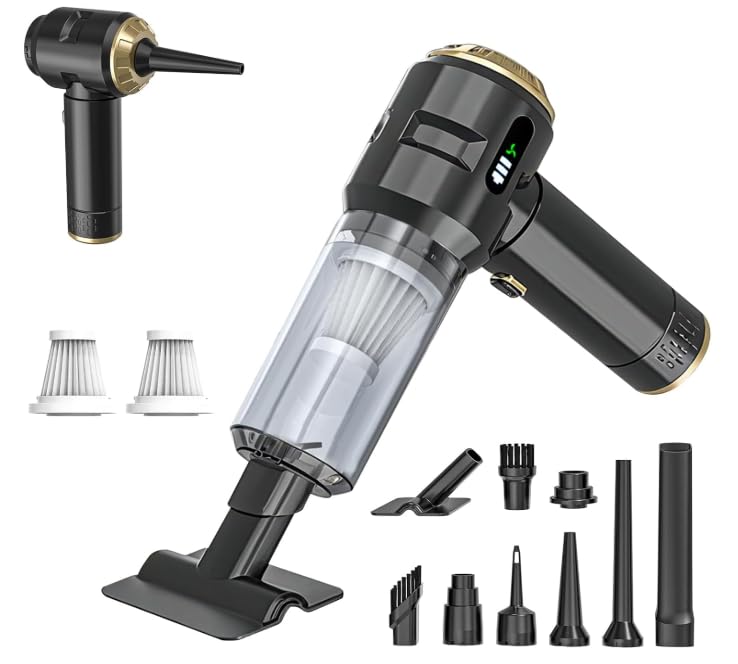
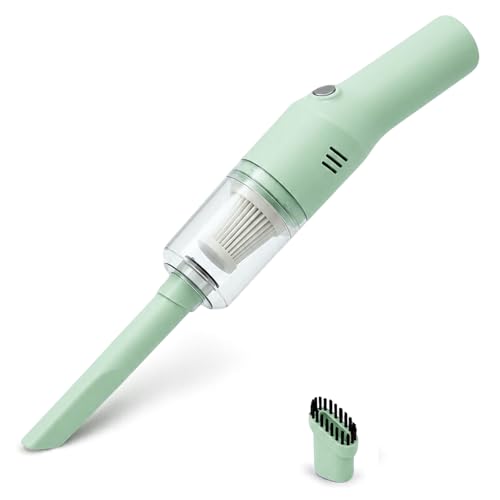

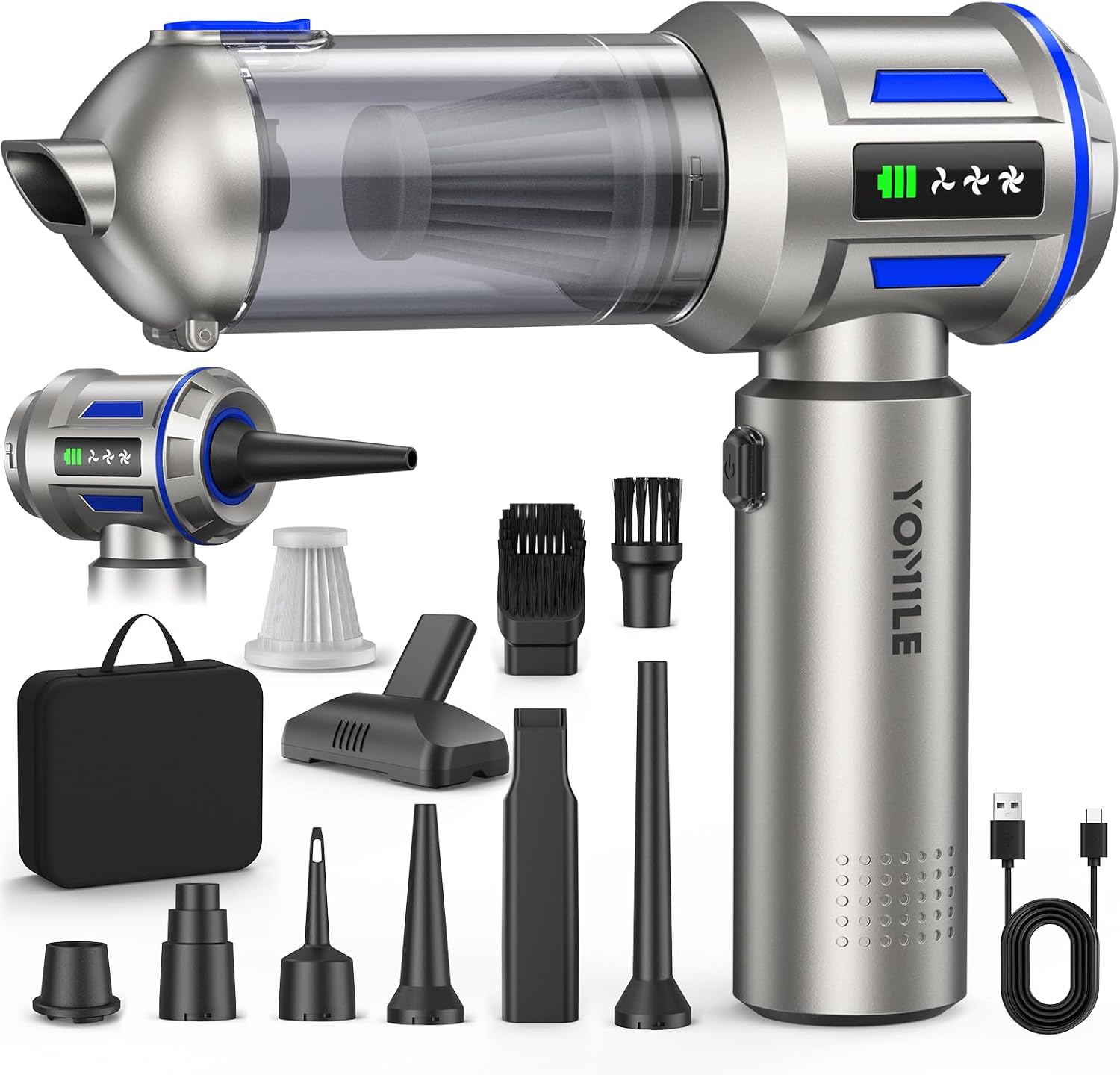

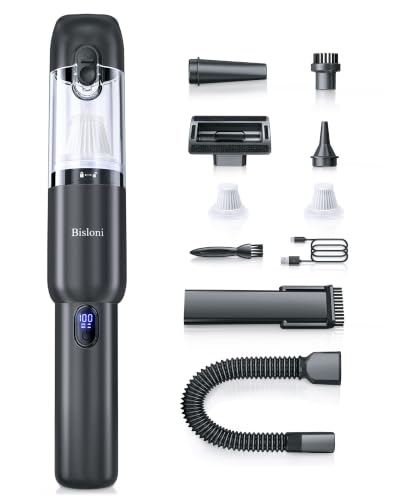
Who Should Buy a Handheld Vacuum for Crumbs?
Parents Cleaning Around High Chairs and Snack Zones
Meals with toddlers guarantee a daily crumb radius, and speed of response matters more than deep cleaning power. A handheld stored on a kitchen dock lets you clear the floor under the high chair before crumbs get tracked through the house. Choose a cup that empties with one hand and a nozzle wide enough for cereal pieces, and keep the crevice tool attached for the gap between seat cushion and frame where fragments hide.
Homes With Counter Height Crumb Trails
Crumbs live on counters and tables as much as floors: bread boards, toaster zones, coffee stations with spilled grounds and sugar. A light handheld with a soft brush tool sweeps those surfaces in seconds without hauling out the big vacuum. Weight matters here, because a tool used overhead and at arm length must feel balanced rather than nose heavy, or it will stay in its dock while you reach for a cloth instead.
Pet Owners With Kibble Scatter
Dry food creates its own crumb economy around bowls, and kibble pieces are exactly the chunky size that weak handhelds spit back out. A model with a wide mouth and decent cup depth swallows kibble cleanly, and a washable filter copes with the fine dust that trails pet food. Our guide to the best handheld vacuum for pet hair covers the hair side of pet messes if your home has both problems in equal measure.
Key Features to Compare
Our category wide guide to the best handheld vacuum models weighs general power and runtime; for crumb duty, the five factors below deserve the closest look.
Nozzle Shape and Pickup on Hard Floors
Crumbs reveal how much nozzle geometry matters. A wide flat mouth with a low leading edge scoops cereal and cracker pieces in one pass, while narrow high openings push round pieces ahead like a snowplow. Rubber flaps or a soft bumper help the nozzle ride over tile grout lines and floor transitions where crumbs settle. If your kitchen has deep grout or textured vinyl, prioritize the nozzle that seals to the floor over a headline suction figure.
Suction Tuned for Chunky Debris
Crumb pickup needs airflow volume more than extreme sealed suction, because the pieces are light but bulky. The vacuum must carry a cereal piece through the nozzle and into the cup without it rattling loose when you lift the tool. Beware very small intake paths behind fancy attachments, which jam on exactly this debris size. A straight, wide path from mouth to cup is the honest design for this job.
Grab and Go Charging and Storage
A crumb vacuum earns its keep in thirty second bursts, so it must live charged in the kitchen or dining area. Wall docks and counter stands both work, and our guide to the best cordless handheld vacuum compares the setups. What matters is zero friction: no cord to unwind, no hunting for the charger, no assembly before the first crumb. If grabbing it is any slower than grabbing a broom, you will grab the broom.
Dust Cup Size and Clean Emptying
Crumb cups fill with bulky light debris, so a moderately sized cup with a wide opening beats a tiny high tech one. One press bottom emptying over the bin keeps the cloud down, and a cup you can rinse handles the sticky fraction from cereal dust and cracker grease. Check that the filter sits behind a screen or shroud, because fine floury dust coats exposed filters quickly and quietly strangles airflow between cleanings.
Weight, Balance, and Noise for Daily Use
Most crumb jobs happen at table height or crouched by a high chair, so a light machine with weight centered in the grip feels effortless. Noise matters more than specs suggest: a shrieking vacuum at breakfast makes the whole routine unpopular, and moderate sound output is common in this class if you avoid maximum power modes. Balanced, quiet enough, and light is the combination that keeps a handheld in daily service.
Where Crumbs Hide: A Quick Room Audit
Before choosing, walk the crumb map of your home. The strip under the counter toe kick, the rug edge by the dining table, the car seat base if snacks travel with you, and the pantry floor all collect characteristic debris. Our guide to the best handheld vacuum for car covers the vehicle version of this audit. If your map is mostly hard kitchen floor, buy for nozzle pickup; if it includes rugs and upholstery, add a small brush tool to the required kit. Placing the dock at the center of the map, not in a distant closet, is half the battle.
Common Mistakes to Avoid
- Choosing the strongest maximum suction mode for daily crumbs, which drains the battery and makes the tool louder than the job deserves.
- Storing the vacuum in a garage or laundry room far from the kitchen, so small messes wait and spread instead of vanishing in seconds.
- Buying a nozzle so narrow that cereal pieces jam at the entrance and fall back out when the motor stops.
- Ignoring the filter until suction fades, when a weekly tap out over the bin would have kept airflow high.
- Vacuuming damp crumbs and spilled milk residue straight into the cup, which coats the filter and turns the stored machine sour.
How to Make Your Handheld Crumb Vacuum Last Longer
Empty the cup little and often, because crumbs left sitting absorb kitchen moisture and cake onto the walls and filter. Give the filter a tap out weekly and a rinse on the manual schedule, drying it fully before it goes back in. Wipe the nozzle mouth and the cup seal, since a gritty seal leaks suction silently. Keep the battery healthy by storing the unit on its dock as designed or, for models without a dock, charging after use rather than letting it sit empty for weeks. Treat the cup latch gently, because it cycles several times a day in this role and is the part most likely to wear first.
FAQ
What makes a handheld vacuum good at picking up crumbs specifically?
Three things: a wide low nozzle that does not push pieces ahead of it, an unobstructed path into the cup sized for cereal and cracker chunks, and enough airflow to carry light bulky debris rather than just fine dust. Raw suction numbers matter less than the geometry, which is why some modest powered models outperform stronger ones on breakfast debris. A washable filter completes the picture, since crumb dust is constant.
Can a handheld vacuum pick up crumbs from carpet and rugs?
Surface crumbs on low pile rugs, yes, especially with a small brush or motorized mini head to flick pieces out of the fibers. Deep pile and shag trap crumbs below the surface where a handheld cannot reach well, so those rugs still need the full size vacuum on a regular cycle. For the daily dining rug sprinkle on short pile, a handheld pass right after meals keeps the problem from compounding.
How often should you empty a crumb vacuum dust cup?
Empty it when it looks about half full, which for busy kitchens may be every few days. Crumbs are bulky, so cups reach effective capacity sooner than the fill line suggests, and airflow drops as the pile nears the intake. A quick empty also keeps food debris from sitting long enough to smell or attract pests, a real consideration in warm climates and summer months.
Is a cordless handheld vacuum strong enough for cereal and kibble?
Yes, mainstream cordless handhelds handle cereal, cracker pieces, and dry kibble comfortably, because those items need airflow and opening size more than extreme suction. Where cordless models struggle is sustained maximum power use, which is rarely the right mode for crumbs anyway. Choose a model whose intake does not neck down behind the nozzle, and chunky pickup stays reliable across the battery range.
Where is the best place to store a handheld vacuum for kitchen crumbs?
Inside the kitchen or dining room itself, on a wall dock near the trash bin or in the pantry, so the grab, clean, and empty loop takes under a minute. Under sink cabinets work if the dock fits and the door opens fully. The worst storage is anywhere that requires a trip to another room, because small messes cleaned late get walked through the house first. Convenience of location beats almost every spec for this job.
Final Thoughts
The best handheld vacuum for crumbs succeeds by being present, ready, and shaped for chunky debris rather than by topping a suction chart. Set the product table above against your own crumb map, favor the wide mouthed nozzle and the painless emptying cup, and plan the dock location before the machine arrives. A crumb vacuum that lives where crumbs fall turns a dozen daily irritations into a habit so quick it barely registers.


