
Best Quiet Cordless Vacuums for 2026: Clean Without the Roar
Disclosure: We may earn a commission when you buy through links on this page, at no extra cost to you. As an Amazon Associate I earn from qualifying purchases. Learn more

Find a quiet cordless vacuum that cleans without waking the house. Compare noise levels, battery life, suction and upkeep for calm daily cleaning.
A standard cordless stick can be loud enough to end a nap, startle a nervous dog, or carry through apartment walls, and that noise is exactly why many people put off vacuuming at all. The best quiet cordless vacuum solves a specific problem: it pulls real dirt out of rugs and off hard floors at a volume you can talk over. Quieter motors, insulated bodies, and smarter floor heads make that possible, but only if you read the noise claims the right way.
This guide explains how decibel ratings actually work, where vacuum noise really comes from, and which trade offs quiet models ask you to accept. The types in the product table near the top are compared on the features that decide both sound and cleaning results.


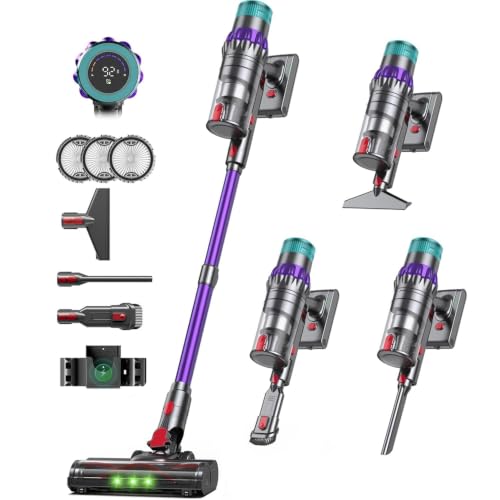
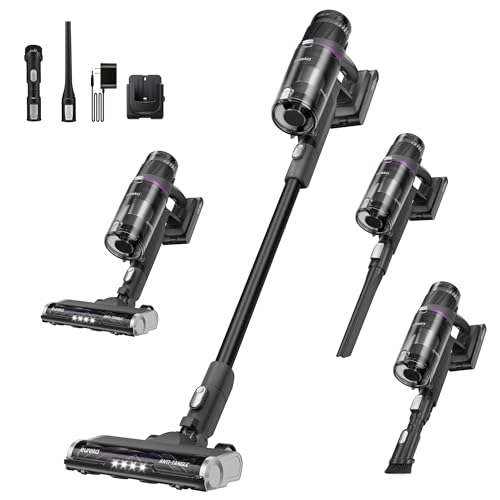


Who Should Buy Which Quiet Cordless Vacuum?
Parents Cleaning Around Naps and Early Bedtimes
If your only cleaning windows are while a baby sleeps in the next room, prioritize the lowest everyday noise rating over peak suction. Models that stay truly quiet on their standard setting, not just on a short eco mode, let you clean the hallway and living room without closing every door. A lighter body also helps, because quick one handed passes mean the job ends before anyone wakes.
Apartment Renters and Anyone With Roommates
Thin walls turn a loud vacuum into a building wide event. Renters should look for a quiet stick format with a soft roller head for hard floors, since hard floor heads run quieter than stiff bristle bars. Our guide to the best stick cordless vacuum covers the main formats, so you can match a slim storage friendly shape to the low noise specs in this guide. A compact handheld conversion also helps for stairs and entryways without dragging out a second machine.
Homes With Noise Sensitive Pets
Dogs and cats that bolt at vacuum noise often react most to high pitched motor whine and sudden boost surges. A model with a smooth, steady tone and a gentle start is easier to desensitize a pet to than a louder machine used rarely. Pet homes still need real hair pickup, so pair the quiet running gear with the brush and bin features in our guide to the best cordless vacuum for pet hair, and vacuum in shorter, calmer sessions.
Key Features to Compare
Decibel Ratings and How They Are Measured
Noise is measured in decibels, and the scale is logarithmic: a drop of about 10 decibels sounds roughly half as loud. Most cordless sticks land between about 70 and 85 decibels on their highest setting, while genuinely quiet models run near 60 to 70 decibels on standard settings, close to normal conversation. The catch is that brands measure at different distances and settings, so compare the rating for the mode you will actually use, and treat any number quoted only for the lowest eco setting with suspicion. Everyday cleaning mode is the number that decides whether the house stays calm.
Where the Noise Actually Comes From
The motor is only one source. Air rushing through a tight cyclone, a stiff brush bar hammering hard floors, and wheels rattling over grout lines all add volume. Brushless digital motors spin smoother and whine less than older brushed designs, and insulated motor housings cut the drone that travels through walls. Soft roller heads glide quietly on wood and tile but do less on carpet, while sealed airflow paths reduce the whistle that comes from leaks. When two models post similar decibel numbers, the one with the softer tone usually feels quieter in a real room.
Suction Trade Offs on Quiet Settings
Quiet and maximum suction rarely arrive together. On their calm settings, most quiet models clean hard floors and surface litter on rugs well, but embedded grit in medium pile carpet needs the louder boost mode. That is fine for daily upkeep, which is what these machines are for. Check that boost is a button press away for entry mats and under table crumbs, and be honest about your floors: a home with wall to wall plush carpet will spend so much time on boost that the quiet rating stops mattering. Buyers comparing the whole category can see typical suction ranges in our guide to the best cordless vacuum.
Battery Life and Swappable Packs
Quieter running often pairs with efficient motors, so many quiet models post long runtimes of about 40 to 60 minutes on standard settings. Boost mode can cut that to under 15 minutes, which is another reason to treat boost as a spot tool. A removable battery matters for apartments and larger homes alike: you can swap in a second pack instead of waiting on a charger, and replacing a worn pack in a few years is cheaper than replacing the whole vacuum. Note whether the runtime claim uses the non motorized tool, a common way to inflate the number.
Filtration and Exhaust Air
A vacuum moves a lot of air, and a poor seal dumps fine dust back into the room along with the noise. Fully sealed systems with HEPA grade filtration trap the fine particles that trigger sneezing, which matters in the bedrooms and nurseries where quiet vacuums get used most. Filtration also affects sound slightly, since a clogged filter makes the motor strain and whine harder. Wash or replace filters on the maker's schedule, and never run the vacuum with a damp filter, because airflow drops and noise climbs at the same time.
Weight, Balance and Attachments
Quiet models earn their keep through frequent short cleans, so handling matters as much as specs. A vacuum that feels light in the hand, with the weight low near the floor head rather than all in your wrist, gets used daily instead of weekly. Useful attachments for this buyer group include a soft roller head for hard floors, a mini motorized tool for upholstery, and a crevice tool for crib rails and baseboards. Many quiet sticks convert to a handheld for quick jobs; our guide to the best handheld cordless vacuum shows what that smaller format handles best.
How to Read a Quiet Claim Before You Buy
Put the claims together in this order. First, find the decibel rating for the standard cleaning mode, not the eco mode. Second, check which floor head that rating used, because soft rollers test quieter than bristle bars. Third, confirm the runtime on that same setting, since a vacuum that is quiet for only ten minutes per charge will push you onto louder modes to finish. Finally, listen to tone if you can: steady low tones bother people and pets less than a high whine at the same measured volume. A model that passes all four checks will feel calm in daily use, not just on a spec sheet.
Common Mistakes to Avoid
- Trusting the headline decibel number without checking the setting means you may buy a vacuum that is only quiet on an eco mode too weak for your rugs.
- Assuming quiet means weak leads buyers to overspend on maximum suction they will run so rarely that the noise benefit disappears.
- Ignoring the floor head means a loud bristle bar on hardwood can undo everything the quiet motor gained.
- Letting filters clog makes the motor strain, which raises both the pitch and the volume over time.
- Storing the vacuum far from the rooms you clean most means short messes wait for a full session instead of a calm two minute pass.
Care and Maintenance
Empty the bin before it passes the fill line, because packed debris forces air through tighter paths and adds noise. Wash or replace the filter on schedule and let it dry completely before refitting. Clear hair from the brush roll ends weekly, since wrapped hair makes the head vibrate and rattle on hard floors. Wipe the exhaust vents so airflow stays free, and charge the battery at room temperature away from damp laundry areas. If the tone changes suddenly, check for a partial blockage in the wand or head before assuming the motor is failing.
FAQ
How many decibels count as quiet for a cordless vacuum?
Around 65 decibels or lower on the standard setting is a fair target, which is close to the level of a normal conversation. Many standard sticks measure about 75 to 85 decibels on high, which most people experience as roughly twice as loud. Remember that the rating depends on the test setup, so use it to compare models within a brand line and across honest spec sheets rather than as an absolute promise for your own rooms.
Are quiet cordless vacuums worth it?
They are worth it when noise is the reason cleaning gets skipped: sleeping children, shared walls, anxious pets, or late evening tidying. You pay a little more for insulation, brushless motors, and better floor heads, and you give up some peak suction you would rarely use. If none of those situations apply and your home has thick carpet that needs boost mode daily, a standard model serves you just as well for less money.
How do you clean a cordless vacuum?
Empty the bin after big sessions, then shake or wash the filter as the manual directs and let it dry fully. Pop out the brush roll to cut away hair, and check the small wheels and the head hinge for grit that causes rattles. Wipe the bin and cyclone shroud with a dry cloth; water inside the motor housing is a common and costly error. A vacuum kept this clean stays close to its original noise level instead of getting louder month by month.
How long does a cordless vacuum last?
Expect about three to five years of regular use, with the battery setting the limit for most owners. Packs lose capacity gradually, so runtime shrinks before anything breaks. Models with removable batteries are easier to keep going, since a fresh pack restores most of the original performance. Storing the battery partly charged in a cool spot and avoiding constant storage on a hot charger both slow the decline.
Is a cordless vacuum worth it compared with a corded one?
For daily upkeep, yes: the grab and go convenience means floors get cleaned in short bursts that a corded machine would never be pulled out for. Corded vacuums still win on endless runtime and raw deep cleaning power for large carpeted homes. Many households end up using the cordless constantly and the corded rarely, which is why choosing the cordless for low noise pays off every single day rather than once a week.
Final Thoughts
Quiet is a feature you benefit from on every run, not a compromise you tolerate. Check the decibel rating on the standard setting, match the floor head to your surfaces, and keep filters clean so the calm tone lasts. Compare the types in the product table above against your rooms and routines, and you will find the best quiet cordless vacuum for a home where cleaning no longer wakes anyone up.


