
Best Robot Vacuum for Dogs: How to Choose for 2026
Disclosure: We may earn a commission when you buy through links on this page, at no extra cost to you. As an Amazon Associate I earn from qualifying purchases. Learn more

Choose a robot vacuum for dog homes by bin size, brush design, obstacle avoidance, and noise level, so fur, kibble, and tracked in dirt stay under control.
Living with a dog means fur on every floor, kibble scattered around the bowl, and dirt tracked in from the yard several times a day. A best robot vacuum for dogs candidate has to survive that workload daily, not just pass a weekly tidy up. The details that matter most are brush design, bin capacity, obstacle avoidance, and how calmly the machine behaves around the dog itself.
This guide walks through those dog specific factors, and the product table near the top puts the main design types side by side so you can see which setup fits your dog, your floors, and your tolerance for upkeep.
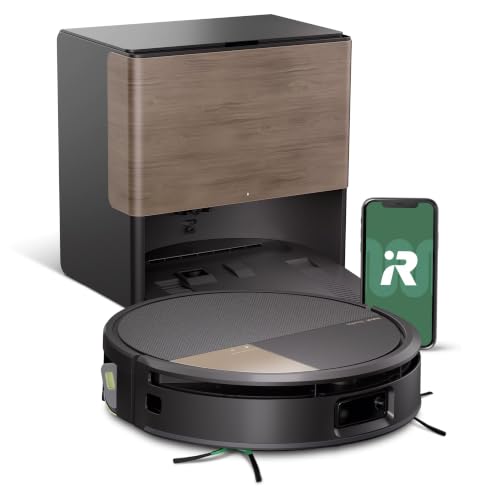
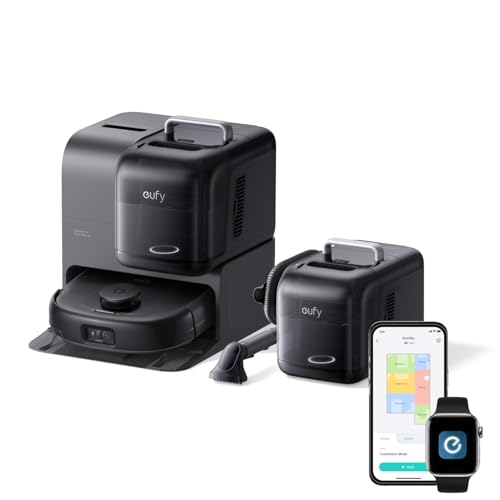

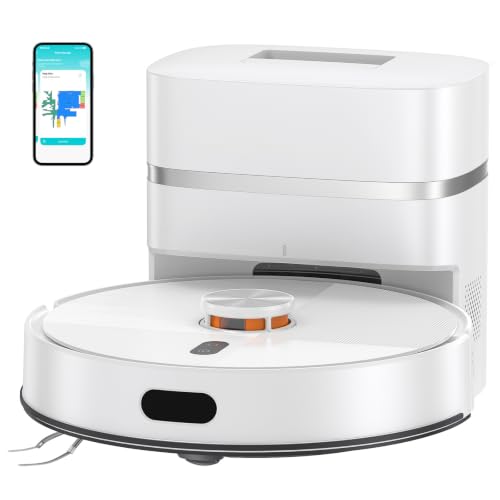
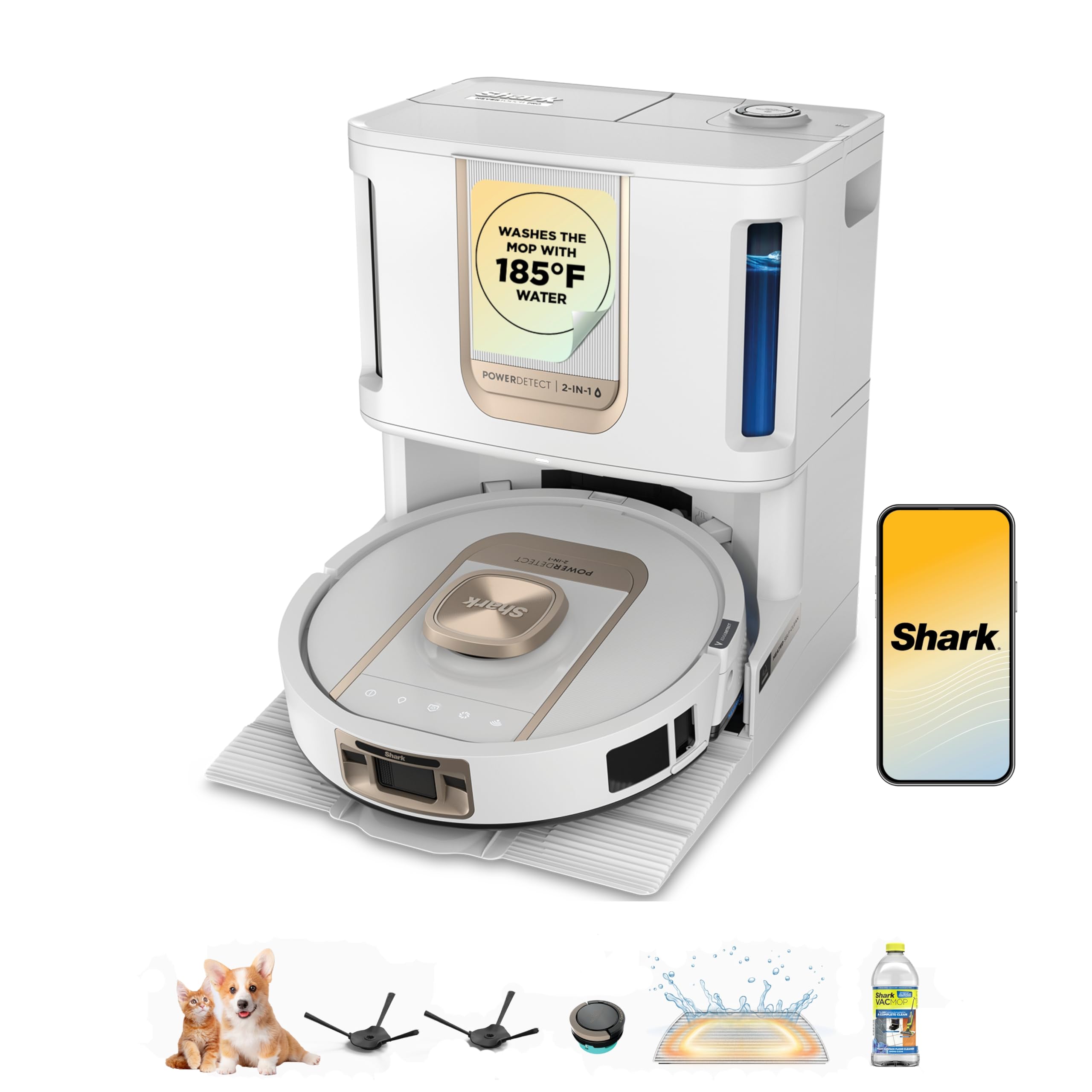


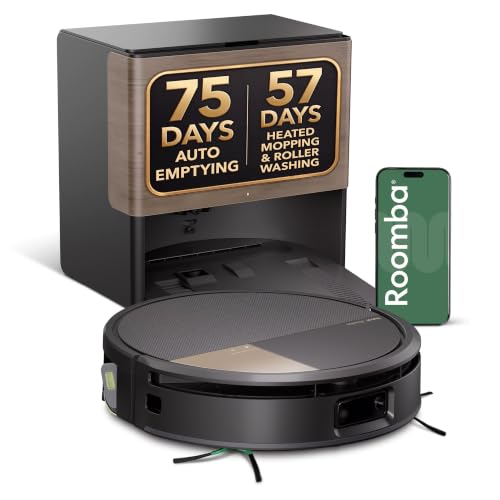
Who Should Buy Which Robot Vacuum for Dogs?
Owners of Heavy Shedding Breeds
Double coated breeds can release more fur in a week than a standard dustbin holds in one run, so your priorities are a large bin or a self emptying dock, plus a brush that sheds hair instead of wrapping it. Plan on daily scheduled runs during shedding season, because fur left for three days mats into carpet edges where any robot struggles. If pet hair is your single biggest problem across the whole house, our guide to the best robot vacuum for pet hair goes deeper on brush and filter choices.
Homes With Puppies or Accident Prone Dogs
Young dogs leave surprises, and a robot that cannot recognize and avoid pet waste will smear a small accident across an entire room. For this group, camera or structured light obstacle avoidance is the headline feature, not suction. Avoidance also protects chew toys, socks, and charging cables that puppies drag onto the floor. Until a puppy is fully trained, run the robot while you are home and able to glance at the map report, rather than scheduling it for when the house is empty.
Multi Dog Households With Mixed Floors
Two or more dogs multiply everything: more fur, more paw prints on hard floors, more water drips near bowls. A vacuum and mop combo with strong hard floor pickup handles the daily paw print film, while carpet boost settings deal with fur pressed into rugs. Mapping matters here because you will want extra passes in the entry and feeding zones and gentler, quieter coverage near the room where the dogs nap during the day.
Key Features to Compare
Brush Roll Design and Tangle Handling
Dog fur wraps around traditional bristle brushes and packs into the ends, which slowly strangles pickup until you cut the hair free by hand. Rubber extractors and dual counter rotating rollers shed fur into the bin far better and need much less scissor work. Some designs add a mechanism that cuts wrapped hair during a dock cycle. Whichever style you choose, check how the brush removes for cleaning, because with a shedding dog you will pop it out often, and tool free removal turns a chore into a ten second job.
Bin Size and Self Emptying Docks
Fur is bulky and light, so it fills a small bin fast while barely registering on a weight based full sensor. A dock that empties the robot into a larger bag or bagless chamber lets the vacuum run daily for weeks without your help, which is exactly what a shedding household needs. Bagged docks seal dust and dander in when you swap bags, a small comfort for sensitive noses, though bags add a running cost. Bagless docks avoid that cost but puff a little dust when you empty them, so empty those outdoors.
Obstacle Avoidance Around Toys and Waste
Basic robots bump and push, which means a chew toy gets shoved under the couch and a water bowl gets nudged until it spills. Camera based and structured light systems recognize common floor objects and steer around them, and the better ones flag what they avoided in the app so you can see the state of the floor. No system is perfect, so the practical habit still helps: a quick pickup of toys and bones before a run. Avoidance quality, not suction numbers, is what separates a calm dog household robot from a daily rescue mission.
Suction and Carpet Performance
Fur on hard floors lifts away with modest suction, but fur woven into carpet pile needs strong airflow plus agitation to pull free. Auto boost settings that raise power on carpet help a lot in homes with area rugs over wood or tile. For mostly carpeted homes, compare dedicated carpet performance and read through our guide to the best carpet robot vacuum designs before deciding. Also check the main wheel and brush housing clearance, because thick rugs and padded mats can stall a low riding robot that does fine on flat floors.
Noise Level and Dog Behavior
A robot your dog fears or attacks will not clean your home for long. Sound output varies widely between models, and self emptying docks produce a short loud burst that startles many dogs even when the vacuum itself is quiet. Look for quiet mode scheduling, do not disturb settings for the dock, and the ability to start runs when the dog is out on a walk. Most dogs accept a robot within a week if the first meetings are calm and paired with treats, but an anxious dog does better with a machine that avoids sudden dock blasts during rest hours.
Filtration and Dander Control
Dog dander rides on the dust a robot collects, so a sealed system with a high efficiency filter keeps more of it out of the air you breathe back in. Filters need regular tapping out or rinsing where the maker allows it, and a clogged filter quietly cuts suction on every floor type. A robot vacuum can reduce the dander load on your floors between deeper cleanings, but it is a cleaning tool, not a medical device, so households managing allergies or asthma should treat it as one part of a plan they discuss with their doctor.
Setting Up a Cleaning Routine Around a Dog
Schedule the main run for a time the dog is usually out or settled, and zone the map so feeding areas and the entry from the yard get an extra pass, since kibble and tracked in dirt concentrate there. Keep the water bowl zone realistic: most robots should skirt it, not mop through splashes. Store the dock where the dog cannot chew the cord, and check the first week of runs for stuck toys or dragged socks so you can adjust no go zones. Owners comparing their first machine against the wider market can start with our overview of the best robot vacuum types to see where dog focused models sit. If budget is the main limit right now, our guide to the best cheap robot vacuum explains which dog friendly features survive at low prices and which ones do not.
Common Mistakes to Avoid
- Running the robot unsupervised in a room where a puppy has accidents, which turns one small mess into a whole floor disaster.
- Choosing by suction numbers alone and ignoring brush design, so fur wraps the roller and pickup fades within days.
- Skipping daily runs during shedding season, letting fur mat into carpet edges where no robot can fully extract it.
- Placing the dock beside the dog bed, where emptying bursts and charging lights disturb a light sleeper all night.
- Forgetting filter upkeep, so dander and dust blow back out and the vacuum smells like dog every time it runs.
How to Make Your Robot Vacuum for Dogs Last Longer
Empty the bin or check the dock bag on a rhythm that matches your dog shedding level, not the calendar in the manual. Pull the brush roll weekly, clear fur from the ends and bearings, and wipe the cliff and obstacle sensors with a dry cloth so avoidance stays accurate. Wash or replace filters on schedule, and check the side brush for the bent, fur loaded shape that stops it sweeping edges properly. Keep cords, and especially the dock area, free of chewable clutter, and update the app firmware when prompted, since avoidance and mapping improve through software long after the hardware ships.
FAQ
What should I look for in a robot vacuum for dogs?
Start with the brush roll, because fur handling decides whether the robot keeps performing after week one. Rubber extractors or a self cutting design beat plain bristle brushes in dog homes. Next check bin size or a self emptying dock, then obstacle avoidance strong enough to steer around toys and accidents. Finish with noise settings you can schedule around your dog rest times. Suction matters, especially on carpet, but in dog homes it ranks below fur management and avoidance.
How often should you run a robot vacuum in a home with dogs?
Daily runs suit most dog homes, and twice daily during peak shedding keeps fur from building visible tumbleweeds along baseboards. Short, frequent cleans also suit the battery and bin better than one marathon session, because the robot returns to the dock, empties if equipped, and starts fresh. If your dog only sheds lightly, every other day may hold the line, but entries and feeding zones still benefit from a daily quick pass on most schedules.
Can a robot vacuum pick up kibble and tracked in dirt?
Yes, dry kibble and gritty tracked in dirt are easy pickups for most robots, since both sit on the surface rather than binding into fibers. The catch is scatter: a spinning side brush can flick kibble across tile before the main brush reaches it. Models with adjustable side brush speed or a careful edge mode reduce that scatter. Placing a washable mat under the bowls also helps, because the robot then cleans the mat zone in one pass instead of chasing pieces across the room.
Will a robot vacuum scare my dog?
Most dogs adjust within days, especially if you introduce the robot while it is off, reward calm behavior, and run the first sessions with you nearby. The vacuum itself is usually tolerated; the self empty dock burst is the sound that startles dogs most, so schedule emptying for times the dog is outside or use quiet hours in the app. A small number of dogs, often herding breeds, try to herd or nip the robot, and for them, running it in closed rooms while the dog is elsewhere is the practical answer.
How long does a robot vacuum last in a dog home?
Expect about three to five years, with batteries, brushes, and filters as the wear items you replace along the way. Dog homes wear brushes faster because fur works into bearings, so owners who clear the roll weekly and swap worn parts on time usually see the long end of that range. Battery capacity fades gradually; when run time no longer covers your floor plan even after a full charge, a replacement battery often restores the machine for another stretch of service.
Final Thoughts
For dog owners, the winning formula is simple: a brush that sheds fur, a bin system that keeps up with daily shedding, and avoidance smart enough to respect toys and accidents. Compare the designs in the product table above against your dog breed, floor mix, and routine, and the best robot vacuum for dogs for your home becomes the one whose upkeep you will actually enjoy living with. Prices and availability can change, so check the product page before ordering.


