
Best Robot Vacuums (2026): 3 Picks That Actually Get It Clean
Disclosure: We may earn a commission when you buy through links on this page, at no extra cost to you. As an Amazon Associate I earn from qualifying purchases. Learn more

Three picks for the best robot vacuum, plus a cleaner's guide to surfaces, messes, upkeep and running costs.
Crumbs under the kitchen table, sand by the back door, a trail of cereal down the hallway: most floors get dirty faster than anyone has time to vacuum. The best robot vacuum handles that daily layer of mess on a schedule, so your own cleaning time can go to the jobs a robot cannot do.
This guide looks at robot vacuums the way a busy home cleaner would: how well each type copes with different surfaces and messes, how much time and effort it really saves, how safe it is around kids and pets, and what the filters, bags and pads cost over a year. Three picks follow, each suited to a different home and budget.


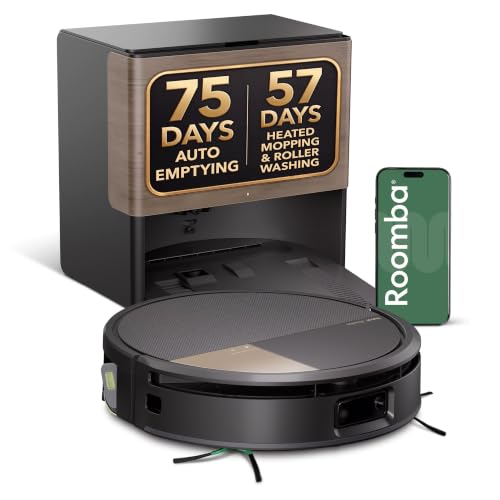
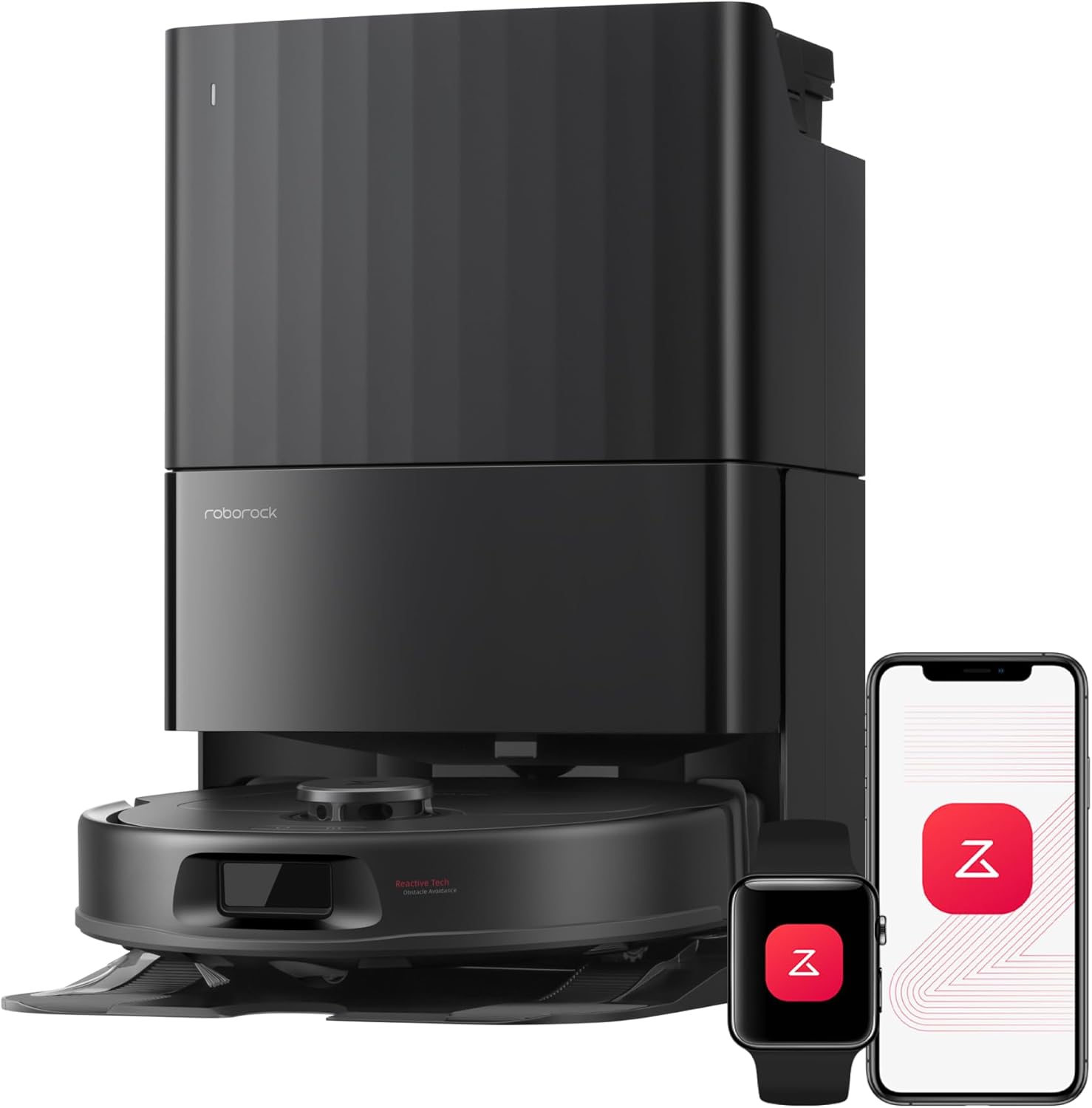


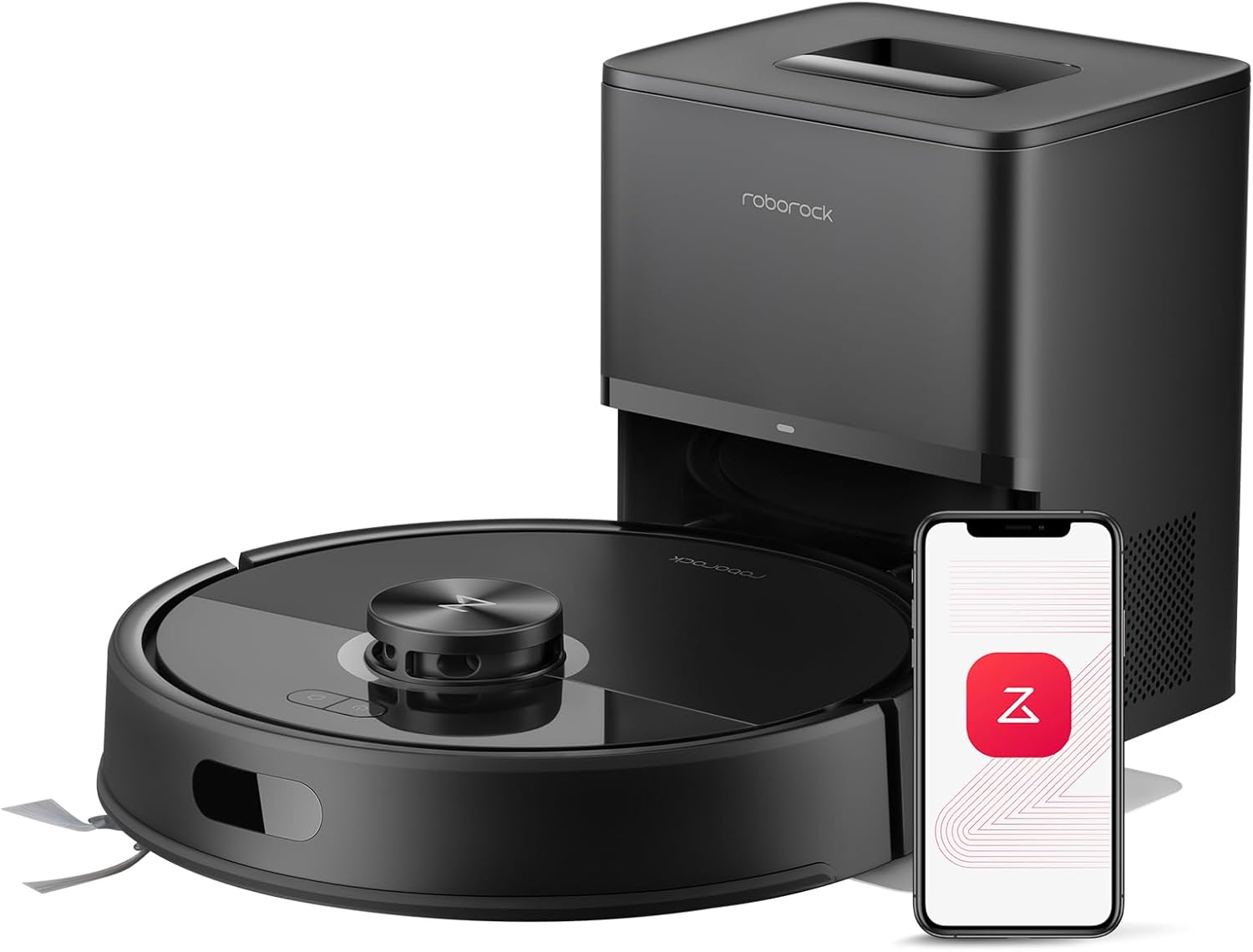
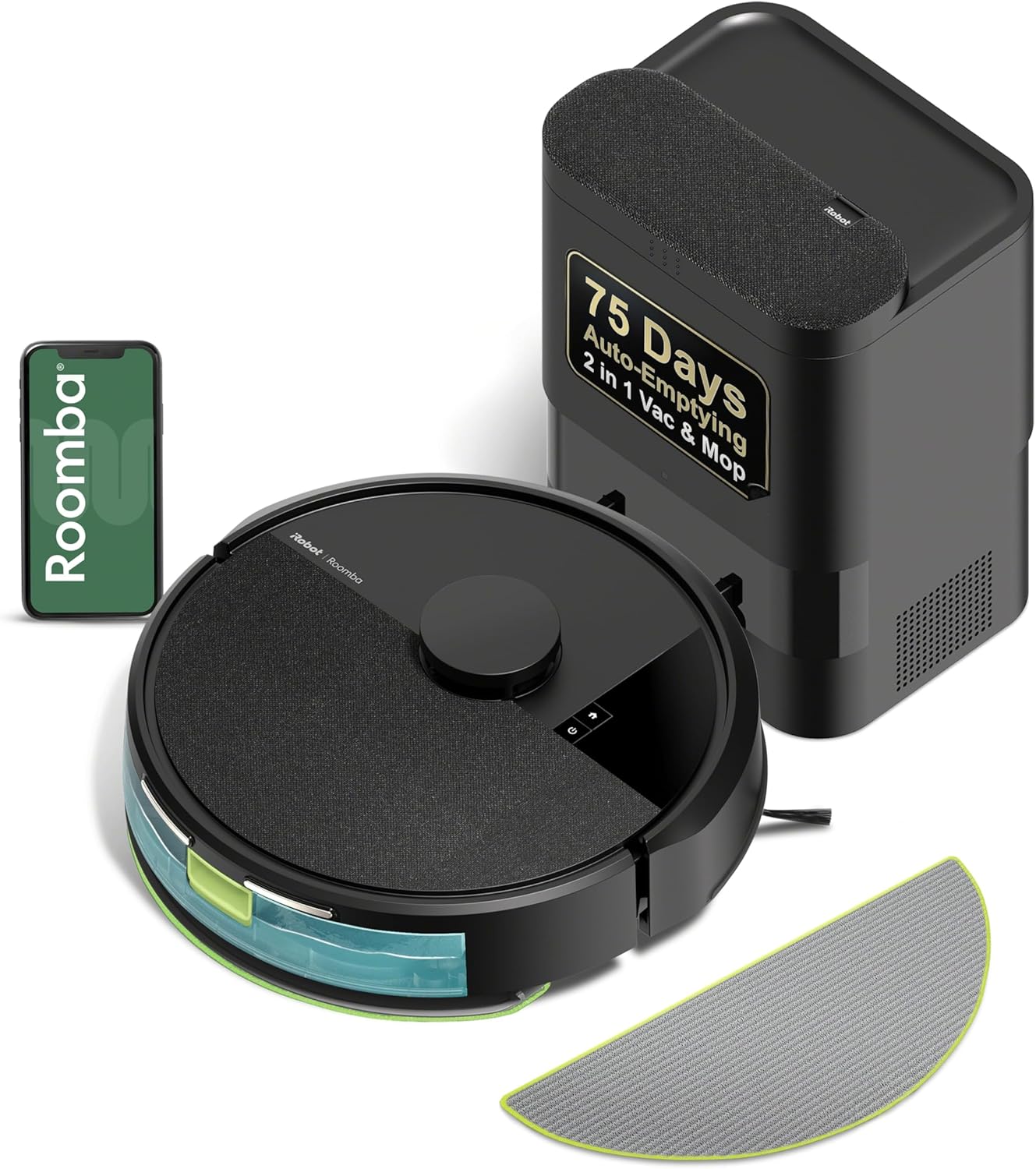


Quick Clean Summary
If you only have a minute, this table sums up the three picks. Check the product table above for current prices, which change often.
| Award | Product | Key Spec | Best For |
|---|---|---|---|
| Best All Around Cleaner | eufy C28 | 15,000 Pa, HydroJet roller mop, 75 day station, LiDAR | Mixed floors, pets and daily mopping |
| Best Budget Clean (Under $150) | Tikom G8000 Max | 5,000 Pa, vacuum and mop, up to 150 minutes | Small homes and hard floors |
| Best for Deep Cleaning | iRobot Roomba Max 705X | Self cleaning roller mop, heated mopping, AI obstacle avoidance | Large homes that want hands free upkeep |
Robot Vacuum Buying Guide: Surfaces, Messes and Upkeep
A robot vacuum is only as good as its match with your home. Floors, layout, pets and how much maintenance you are willing to do decide which features are worth paying for. The sections below walk through each decision.
Types Compared by Cleaning Job
Self emptying robots empty their own bin into a bag or canister in the dock, so you deal with dust only every few weeks. They are the biggest time saver for large homes and pet owners. Mop combo robots add a wet pad or roller mop for kitchens, entryways and bathrooms; the better ones lift the mop on carpet so rugs stay dry.
LiDAR robots map rooms with a spinning laser and clean in straight, overlapping rows, which means fewer missed spots and room by room control. Budget and cheap robots often use bump and gyro navigation; they cost far less and are fine for small, open spaces, but they take longer and can miss areas.
Quiet robots suit apartments and homes where someone works from home, while slim robots around three inches tall clean under beds and sofas. Smart robots add voice control, schedules and no go zones. Self cleaning robots wash and dry their own mops, and a few premium models use a robotic arm or extending brush to reach corners and edges.
Features That Save Time
Before comparing features, list the chores you want gone. Most people name three: emptying the bin, moving clutter out of the robot's path and mopping. A robot that solves those three will feel like a real helper; one that solves only vacuuming may still leave you doing half the work.
The features that save the most time are the ones that remove a chore. A self emptying base removes daily bin emptying. Obstacle avoidance means you spend less time picking up cords and socks before each run, and less time rescuing a stuck robot. Mapping lets you clean only the kitchen after dinner instead of the whole house.
For mopping robots, auto mop lifting prevents wet rugs, and hot water mop washing with hot air drying keeps pads from smelling. No go zones protect pet bowls, toy corners and delicate rugs. Each of these features costs more, so pick the ones that address chores you actually dislike.
Wattage, Power and Energy Use
Robot vacuums are among the most efficient cleaning tools in the house, since they run on modest batteries and recharge between runs. Instead of watts, brands list suction in pascals (Pa). Around 5,000 Pa is enough for hard floors and light debris, 10,000 to 15,000 Pa handles mixed floors and pet hair, and 20,000 Pa or more targets thick carpet.
Runtime matters as much as suction. A robot that runs out of charge halfway through a large home has to dock and resume, which stretches cleaning time. Self washing stations that heat water or dry mops with hot air use more power during those cycles, but the cost is small compared with the time saved.
Safety Features and Certifications (UL/ETL)
Every robot vacuum should have cliff sensors to stop it from tumbling down stairs and bumpers that soften contact with furniture. In homes with small children, a child lock in the app or on the robot prevents accidental starts, and docks that sit flat against the wall are harder to tip over.
When a listing names a certification such as UL or ETL for the charger or dock, it adds peace of mind. If it does not, follow the manufacturer's charging instructions, keep the dock away from water and avoid running a robot over liquid spills it was not designed to handle.
Counter Space and Dimensions
Robot vacuums do not take counter space, but their docks do take floor space. A simple charging dock needs a small strip of wall with clearance on each side. Self emptying and mop washing stations are much larger, closer to the size of a kitchen trash can, and need an outlet nearby.
Check robot height before you buy. Many sofas and beds have around 3.5 to 4 inches of clearance, and a robot with a raised laser turret may not fit. Measure the gap under your lowest furniture and compare it with the robot's listed height.
Price Tiers and Running Costs
- Under $150: basic suction and navigation, small bins, sometimes a simple mop; good for small hard floor homes.
- Under $200: stronger suction, app control and better battery life.
- Under $300: LiDAR mapping and, on some models, a self emptying dock.
- Under $500: reliable self emptying, strong suction and better obstacle detection.
- Under $800: vacuum and mop combos with self washing stations and smarter avoidance.
- Under $1,000 and up: heated mop washing, extending mops or arms, AI recognition of pet waste and the highest suction.
A useful way to choose a tier is to price your time. If a self emptying dock saves you two minutes a day, that is about an hour a month. Many owners find that the jump from a basic robot to a self emptying model is the upgrade they notice most, while the jump to premium mopping stations matters mainly in homes with lots of tile, vinyl or hardwood.
Beyond the purchase price, budget for dock bags, filters, side brushes and mop pads. A typical home spends a modest amount per year on these parts, and pet homes spend more.
3 Best Robot Vacuums for Real Messes
These three robots stand out for cleaning results, the amount of effort they save and value for money in their price range. Each mini review covers who it suits, its standout strengths and one honest trade off.
1. Best All Around Cleaner: eufy C28
Why it made the list: The eufy C28 balances strong vacuuming with real mopping and a station that handles most upkeep, at around $530. For a mixed floor home, that combination removes the most weekly chores for the money.
- Highlights: a 28 cm HydroJet roller mop with 24 water ports that cleans itself while mopping; a DuoSpiral brush designed to resist tangles from long hair; an all in one station that empties dust, washes the mop, dries it with warm air and collects dirty water for up to about 75 days.
- Trade off: The station is bulky, so small apartments may struggle to find a good spot for it.
Best for: families and pet owners who want vacuuming and mopping handled with very little effort on your part. Skip it if you have only carpet, since you would be paying for mopping you will not use.

2. Best Budget Clean (Under $150): Tikom G8000 Max
Why it made the list: The Tikom G8000 Max offers vacuuming and light mopping in one pass for around $110, with enough runtime to cover a small home on one charge.
- Highlights: 5,000 Pa suction for dust and pet hair on hard floors and short pile carpet; up to 150 minutes of runtime in quiet mode; a 2.99 inch body that slips under beds and sofas.
- Trade off: It has no LiDAR map or self emptying dock, so it cleans less methodically and you empty the 450 ml bin yourself.
Best for: renters, small apartments and first time robot owners. Skip it if you need room by room control or have thick carpet throughout.

3. Best for Deep Cleaning: iRobot Roomba Max 705X
Why it made the list: The Roomba Max 705X is iRobot's most advanced combo, designed to clean every room in one pass while adjusting between hard floors and carpet. Its self cleaning roller mop and heated mopping target sticky, dried on messes that lighter robots leave behind.
- Highlights: a roller mop that washes itself during use and extends toward edges and corners; an AutoWash dock with up to 75 days of auto emptying plus hot washing and hot air drying; PrecisionVision AI that recognizes cords, socks and pet waste.
- Trade off: At around $1,400, it is a big investment that only pays off in larger homes with lots of hard flooring.
Best for: large, busy homes that want the most hands free deep clean available. Skip it if your home is small or mostly carpeted.

One more thing to weigh across all three picks is app quality. A clear app with reliable maps, easy room naming and simple scheduling makes a bigger daily difference than a few thousand extra pascals of suction, because it decides how often you actually use the robot.
How We Compared the Best Robot Vacuums
We compared robots on bin and station capacity, cleaning results on hard floors and carpet, ease of everyday use, maintenance needs, noise, safety features and warranty terms. Our sources were manufacturer specifications, the details in each Amazon listing and patterns across large volumes of verified buyer feedback, with extra weight on comments from owners who had used a robot for months. We did not run our own trials, and we left out models with unclear specs or frequent complaints about navigation and dock failures.
Picks by Mess and Surface
Different homes need different strengths. Use this list to narrow down the type that fits your floors and messes.
- Pet hair on carpet and hard floors: choose a robot with rubber or anti tangle brushes and a self emptying dock; our guide to the best robot vacuum for pet hair covers the strongest options.
- Tight budgets: a basic robot without mapping still keeps hard floors tidy; see the best budget robot vacuum for pet hair for value picks.
- Wall to wall carpet: prioritize suction around 15,000 Pa or more and automatic carpet boost.
- Kitchens and entryways: a vacuum and mop combo with auto mop lifting handles crumbs and footprints together.
- Allergies: look for a sealed dock with bags and a HEPA style filter to keep dust contained.
- Homes with small kids: choose a model with a child lock, reliable obstacle avoidance and a sturdy dock.
- Delicate rugs with fringe: set no go zones or choose a robot with strong tangle protection.
If you are still unsure, start with your largest floor type. A home that is mostly hard flooring gets the most value from a mopping combo, while a mostly carpeted home is better served by strong suction and a self emptying dock.
Cleaning Routine: How to Get the Best Results
- Run the robot daily or every other day; short frequent runs keep dirt from grinding into floors.
- Tidy cords, socks and toys before scheduled runs so the robot reaches more floor.
- Use room by room scheduling: kitchen after dinner, entryway after school drop off.
- Vacuum stairs, upholstery and corners by hand once a week, since robots cannot reach them.
- Keep children and pets from riding on or chasing the robot, and keep the dock clear of water.
Give a new robot a week to learn your home. The first mapping runs are slower, and you may need to add no go zones for cords behind the TV or a rug with long fringe. After that, most robots settle into a routine that needs little attention.
Supplies, Refills and Running Costs
Plan on new filters every two to three months, side brushes a couple of times a year, dock bags every month or two depending on your home and mop pads or rollers when they wear thin. Buying parts made for your exact model keeps suction and seals working as intended. For mopping robots, use only the floor solution the manufacturer approves, and never mix cleaners such as bleach and ammonia, which can create dangerous fumes.
Finally, think about noise and timing. Most robots run at a level similar to a quiet conversation in eco mode and louder on carpet boost. Scheduling runs while you are out, or using a quiet mode in the evening, keeps the robot from becoming a distraction while still doing its job every day.
Cleaning Questions, Answered
How do you clean a robot vacuum?
Empty the bin after each run or let the dock do it, then remove hair from the main brush and side brush once a week. Wipe the sensors and charging contacts with a dry microfiber cloth, rinse or replace the filter as the manual directs and clean mop pads after every mopping session.
What is the most reliable robot vacuum brand?
iRobot, Roborock, eufy and Shark are the most established names, with long histories, easy to find parts and regularly updated apps. Reliability depends heavily on buying a current model and keeping up with basic maintenance, so any of these brands can serve you well for years.
What is the best robot vacuum?
For most homes, the eufy C28 is the best robot vacuum because it pairs strong suction and real mopping with a station that handles most upkeep. Small homes on a budget can start with the Tikom G8000 Max, while large homes that want the deepest hands free clean should look at the Roomba Max 705X.
How long does a robot vacuum last?
A robot vacuum usually lasts about three to five years, and many keep working longer with good care. Batteries tend to wear out first and are often replaceable. Cleaning brushes and filters regularly helps the motor and sensors last longer.
Is a robot vacuum worth it?
Yes, if you want floors that stay clean between your own vacuuming sessions. A robot handles the daily layer of dust, crumbs and pet hair automatically, which saves time every week. You will still need a regular vacuum for stairs and upholstery, but you will use it far less.
Clean Verdict
The eufy C28 is the robot to beat for most homes, combining strong vacuuming, a self cleaning mop and a station that handles nearly all upkeep. The Tikom G8000 Max proves you can keep hard floors tidy for little money, and the Roomba Max 705X is the upgrade for big homes that want the deepest clean with the least effort. Compare these against the product table above, and you will find the best robot vacuum for your floors, messes and budget.


