
Best Hot Water Carpet Cleaner for 2026: Heat, Tanks and Dry Time
Disclosure: We may earn a commission when you buy through links on this page, at no extra cost to you. As an Amazon Associate I earn from qualifying purchases. Learn more

Learn how hot water carpet cleaners really handle heat, and compare tank size, brushes and suction so your carpet dries fast and cleans deep.
Hot water breaks down the greasy, sugary soil that cold water leaves behind, which is why heated extraction is the method rentals and professionals built their reputations on. The best hot water carpet cleaner for home use keeps wash water working at temperature, sprays and scrubs it into the pile, then pulls it back out strongly enough that the carpet dries in hours, not days. Understanding how home machines actually handle heat is the key to choosing well.
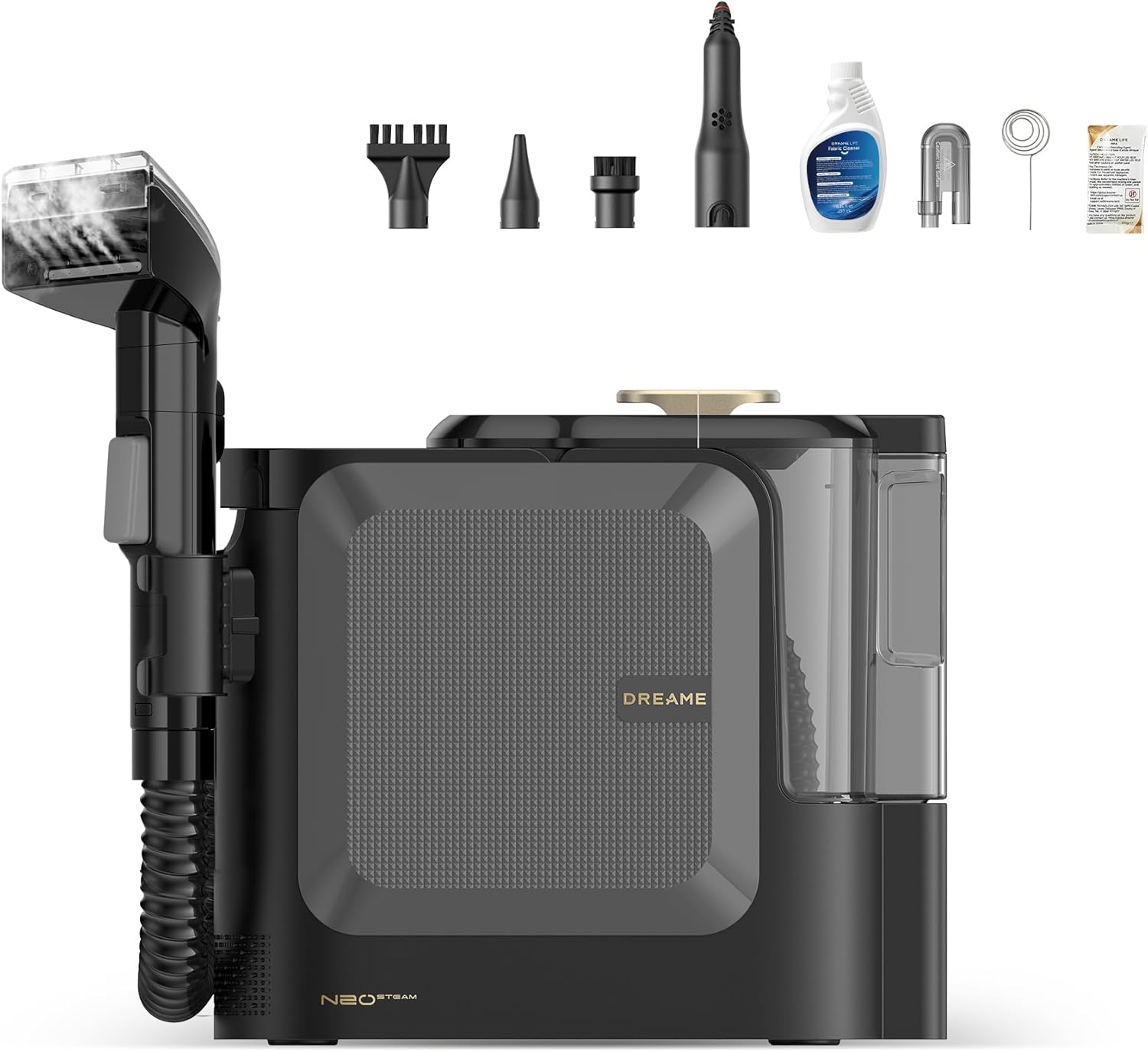
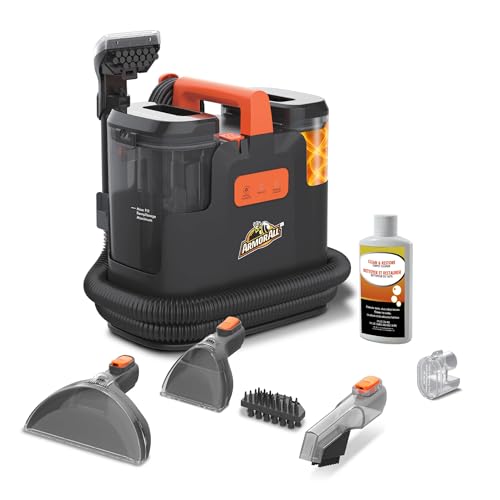
This guide explains the heating systems honestly, compares the tank, brush and suction choices that decide results, and covers safe use around pets, kids and delicate fibers. The product table groups the current machines by format, from full size uprights to compact spot cleaners.

Who Should Buy Which Hot Water Carpet Cleaner?
Homes with wall to wall carpet and regular traffic lanes
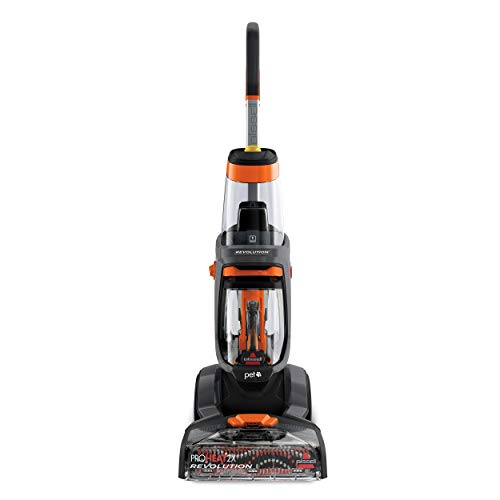
If your main floors are carpeted and the traffic lanes gray out between deep cleans, a full size heated extractor is the format that pays for itself against rental fees. Large tanks and a wide path let you finish a room without refilling, and strong suction keeps dry time reasonable. Start with the format overview in our guide to the best carpet cleaner designs to see where heated uprights sit beside portable and cold water machines.
Pet owners fighting urine and tracked in stains
Pet accidents need heat, solution and extraction working together, plus a hose tool for the spots between full cleans. Look for a machine with a strong upholstery hose and plan to treat urine spots promptly, because heat on an old untreated urine stain can set the odor rather than lift it. Our guides to the best carpet cleaner for pet urine and the best carpet cleaner for pet stains go deeper on enzyme solutions and treatment order for both kinds of mess.
Apartment renters who need compact heated cleaning
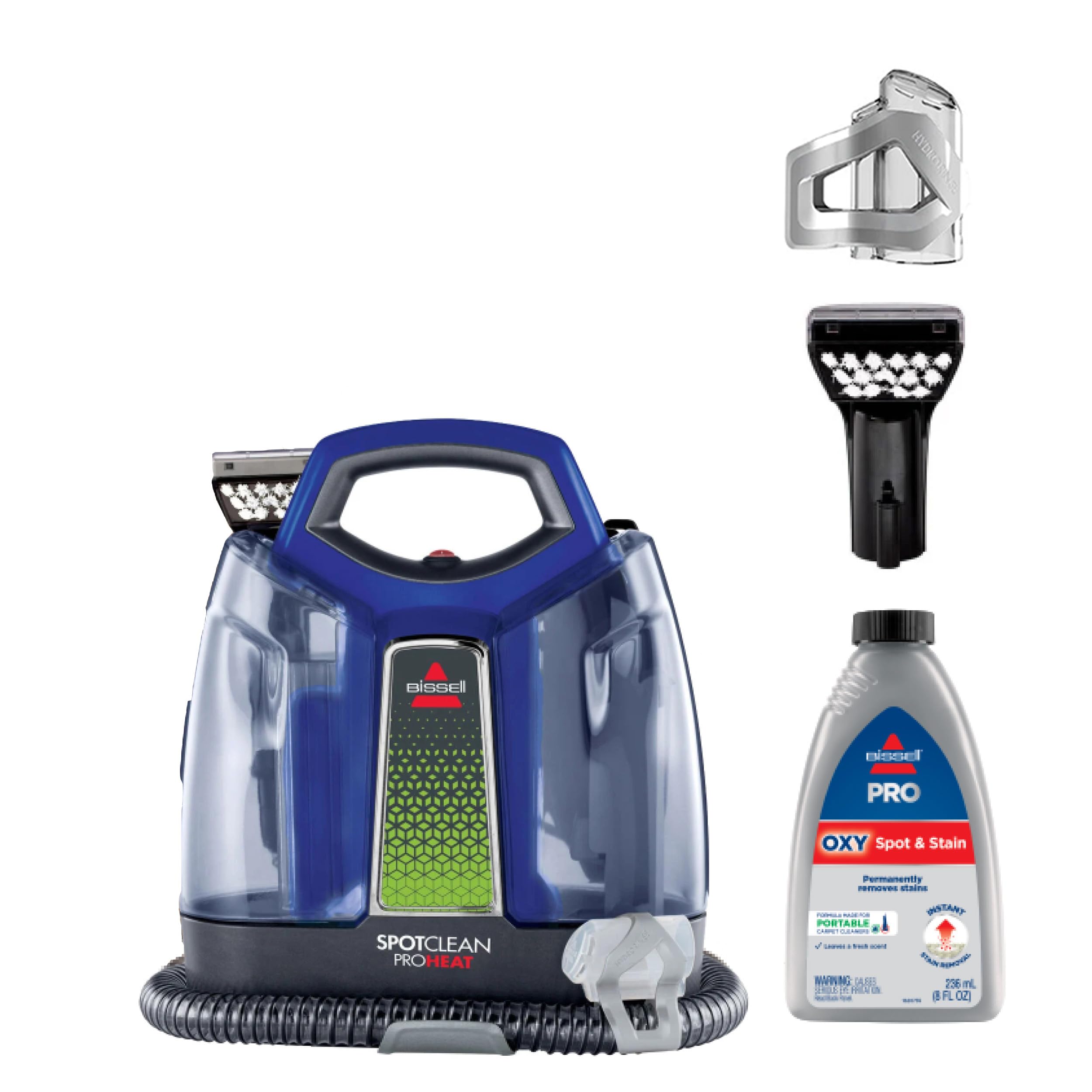
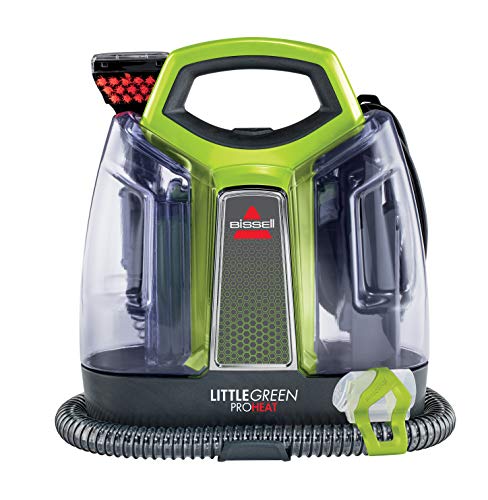
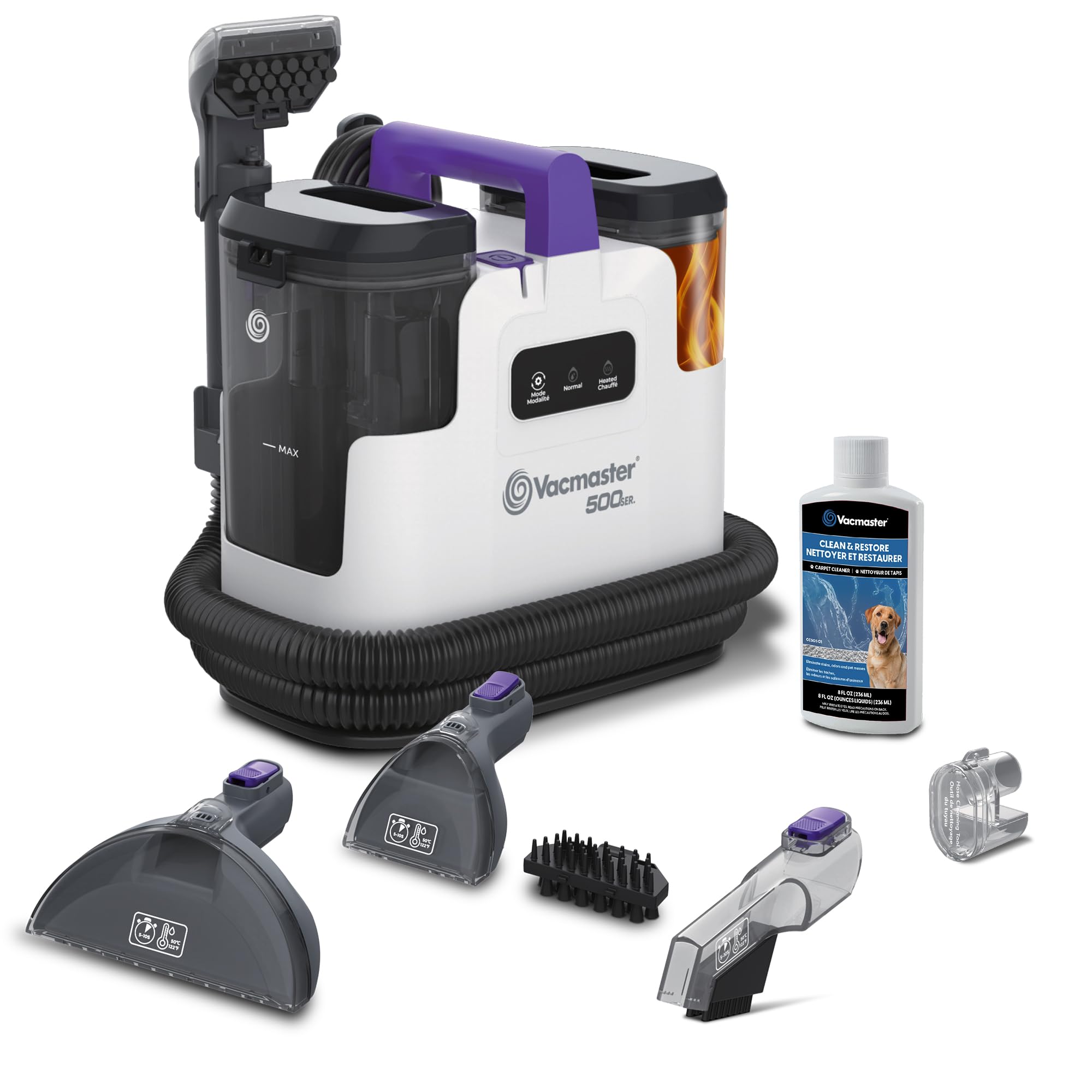
Renters often need deposit saving carpet rescue in a machine that stores in a closet. Compact heated extractors and spot cleaners trade tank size for storage and price, and they handle bedrooms, rugs and upholstery well when used patiently with extra dry passes. If stairs and furniture dominate your workload more than open rooms, our guide to the best portable carpet cleaner formats compares the small machines built around hoses rather than floor heads.
Key Features to Compare
How the heating actually works
Here is the honest part most listings blur: very few home machines boil or truly heat cold water. Most keep hot tap water hot during the clean using an inline heater or insulated path, sometimes called heat maintenance, while a smaller number add a heating element that raises temperature modestly. Both approaches clean well because the water starts hot from your tap. What matters is that the temperature survives the trip through the machine, so favor designs that state they maintain heat, fill with hot tap water as directed, and never fill any home extractor with boiling water, which can damage seals and set protein stains.
Tank size, and clean and dirty separation
Two tank systems keep clean solution separate from recovered dirty water, so you never reapply dirty water to the carpet. Full size machines carry around a gallon per side, which covers a mid sized room per fill, while compact designs carry far less and suit spot work and single rooms. Watch the emptying design as much as the capacity: tanks that lift out with a handle and rinse fully keep the machine fresh, while tanks with narrow necks trap residue. Refill trips are the tax on small tanks, so count your rooms before choosing a size.
Brush systems: rotating rolls and scrub rows
Agitation decides how much soil the hot water can reach. Rotating brushrolls sweep solution into the pile and loosen embedded grit, rows of fixed scrub brushes work solution through the surface fibers, and some designs pair both. Rotating systems clean traffic lanes fastest but can fuzz delicate loop pile and wool, where a gentler brush or suction only mode is safer. Check whether the brushes lift or switch off for delicate rugs, and whether the roll removes for cleaning, because a brushroll wrapped in hair and fiber scrubs yesterday dirt back into today carpet.
Suction strength and dry time
Extraction strength decides how much dirty water leaves the carpet, and that decides both cleanliness and dry time. Strong suction with a well sealed floor head pulls solution from the base of the pile, while weak recovery leaves the backing damp, which invites mildew odor and rapid resoiling because leftover solution turns sticky. Judge machines by how dry a slow forward pass leaves the carpet rather than by motor watts. Plan your own technique too: extra dry passes with no spray cost nothing and cut drying time more than any single feature.
Hose, tools and edge cleaning
A hose with an upholstery or spot tool extends the machine to stairs, sofas, car mats and the exact square foot where the dog was sick. Hose length around 8 to 10 feet covers a flight of stairs from one landing. Edge cleaning matters in rooms, because dirt concentrates along baseboards where wide heads often leave a gray frame; designs with edge brushes or a head that rides close to the wall finish the room properly. Tools that store onboard stay with the machine, while loose tools drift to the back of closets.
Using Hot Water Extraction Safely and Well
Technique decides results as much as the machine. Vacuum thoroughly first, because dry grit becomes mud when wetted and mud is harder to extract. Test solution and heat on a hidden patch and wait, since some dyes and fibers react to hot solution, and never use hot water on wool or silk rugs unless the rug label allows it. Work in slow passes, spray on the push, extract on the pull, then make dry passes until the recovered water runs clearer. Protect the circuit with a GFCI outlet, keep the cord out of wet carpet, and point fans at the room afterward so the pile dries within hours. Store cleaning chemicals locked away from children and pets, and never mix solutions, especially anything containing bleach, with other cleaners.
Common Mistakes to Avoid
- Filling the tank with boiling water, which can damage seals and set protein based stains instead of lifting them.
- Soaking the carpet with extra spray passes, because overwetting soaks the backing and causes mildew odor and slow drying.
- Skipping the dry vacuum pass first, so loose grit turns to mud that the machine smears deeper into the pile.
- Using hot extraction on a fresh urine spot before enzyme treatment, since heat can lock the odor into the fibers.
- Putting the machine away with dirty water in the tank, which grows odor and clogs spray jets with residue.
How to Make Your Hot Water Carpet Cleaner Last Longer
Rinse both tanks after every session and run clean water through the spray path briefly so solution residue does not crystallize in the jets. Leave tanks and lids open until dry, since a sealed damp machine is an odor factory. Pull the brushroll and clear hair and carpet fiber from its ends, and check the suction inlet screen where lint mats into a felt pad that quietly strangles recovery. Wipe the floor head and wheels so dried solution does not glue grit to them. In hard water areas, run a maker approved descaling rinse on schedule. Store the machine indoors, never in a freezing garage with water in the lines, because one freeze can split a tank or pump housing.
FAQ
Do hot water carpet cleaners really heat the water?
Most home machines maintain heat rather than create it: you fill with hot tap water and an inline heater or insulated design keeps it near that temperature while you clean. A minority add modest heating of their own. This is not a weakness, since cleaning chemistry works in hot tap water range, and true boiling water would risk fibers, dyes and the machine seals. Judge a machine by temperature maintenance and extraction strength instead.
How long does carpet take to dry after hot water extraction?
Most rooms dry in about four to eight hours with normal ventilation, and thick pile in humid weather can take longer. Dry passes after your wash passes remove surprising amounts of extra water, and fans aimed across the carpet cut the wait sharply. Keep feet and furniture off the carpet until it feels dry at the base of the pile, not just on top, to avoid crushing wet fibers and transferring dye from furniture legs.
Can hot water carpet cleaners damage carpet?
They can when used against the fiber label. Wool, silk and some antique or plant fiber rugs should not get hot extraction unless the maker allows it, and loose or jute backed rugs can shrink or brown if overwetted. For standard synthetic wall to wall carpet, hot extraction used with measured spray and strong recovery is the method the carpet industry itself recommends. When in doubt, test a hidden corner and wait a full day before committing the room.
Should you rinse carpet with plain water after cleaning?
A rinse pass with plain warm water helps when you used a strong solution or the recovered water still looks soapy, because leftover detergent residue attracts soil and makes carpet gray faster between cleans. Many modern solutions are designed to leave minimal residue, making the rinse optional. If your carpet feels stiff or crunchy when dry, residue is the likely cause, and a rinse pass next session usually corrects it.
How often should you deep clean carpet with hot water extraction?
Most carpet makers suggest deep cleaning about every 12 to 18 months for warranty purposes, with high traffic and pet homes benefiting from sessions every 6 to 12 months in the busy rooms. Spot treatment between sessions handles accidents. Cleaning more often than the soil level needs mostly costs time and water, while waiting until lanes look gray means the grit has been grinding fibers for months, so schedule by traffic rather than by appearance alone.
Final Thoughts
Buy the heat story honestly, then choose on tanks, brushes and recovery strength, because those three decide your results every session. Full size machines own open carpeted rooms, compact heated designs own spots, stairs and storage tight homes, and all of them reward slow passes and dry strokes. Compare the current formats in the product table above against your room count and fiber types. Chosen that way, the best hot water carpet cleaner for your home turns a dreaded rental errand into an afternoon job with a noticeably fresher house at the end.


