Best Pool Vacuums of 2026: Our 3 Top Picks + Buying Guide
Disclosure: We may earn a commission when you buy through links on this page, at no extra cost to you. As an Amazon Associate I earn from qualifying purchases. Learn more

Our three picks for the best pool vacuum, plus a guide to vacuum types, sizing, features, care and costs.
Leaves, sand, pollen and the fine dust that settles overnight can turn a sparkling pool cloudy in days. A pool vacuum pulls that debris off the floor and walls before it feeds algae or clogs your filter. The best pool vacuum for you depends on the size and type of your pool, how much time you want to spend cleaning and your budget, which ranges from under $20 for a manual head to well over $1,000 for an AI robot.
Below are our three top picks, followed by a full buying guide that explains pool vacuum types, the features worth paying for, how to size a vacuum to your pool and how to care for it through the off season.



Our Top Picks at a Glance
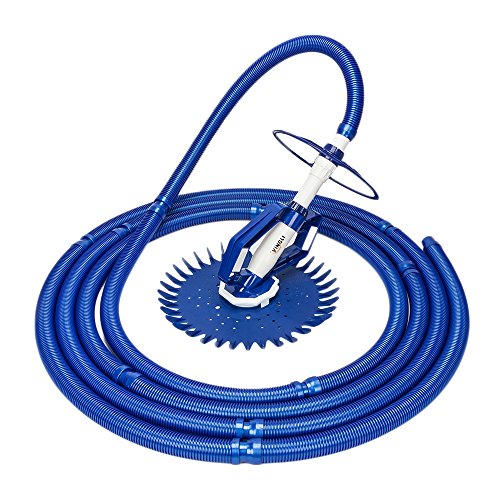
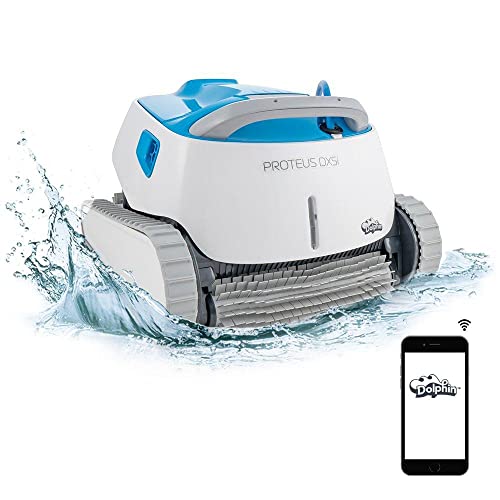
The Dolphin Nautilus CC is the best pool vacuum for most pools, the SWIMLINE HYDROTOOLS manual vacuum head is the best budget option and the Beatbot Sora 70 is the best premium pick for complete hands free cleaning. Prices change often, so check the product table above.
| Award | Product | Type | Best For |
|---|---|---|---|
| Best Overall | Dolphin Nautilus CC | Corded robotic | Inground and above ground pools up to 33 ft |
| Best Budget (Under $30) | SWIMLINE HYDROTOOLS Manual Vacuum Head | Manual head for pole and hose | Owners with a pump and skimmer who do not mind manual work |
| Best Premium / Upgrade Pick | Beatbot Sora 70 | Cordless robotic with surface cleaning | Large pools and owners who want the least effort |
Our 3 Top Picks for the Best Pool Vacuums
Each pick below explains who it suits, its key strengths and one honest limitation.
1. Best Overall: Dolphin Nautilus CC
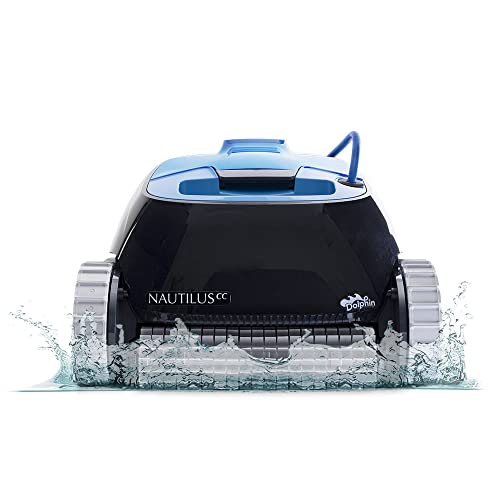
The Dolphin Nautilus CC is the best pool vacuum for most homeowners, at around $700. It is a corded robotic cleaner that works independently of your pool pump and suits above ground and inground pools up to 33 feet long.
- Highlights: climbs walls and scrubs with an active brush on most pool shapes and surfaces; plug and play operation that cleans a typical pool in about two hours; a top load filter basket that is easy to empty and rinse.
- Trade off: the floating cable needs untangling now and then, and you need a power outlet near the pool.
Because it filters debris into its own basket instead of your pool filter, the Nautilus CC also reduces backwashing and filter cleaning, which saves water and chemicals over a season.
Best for: family pools that need regular floor and wall cleaning with almost no effort. Skip it if your pool is longer than 33 feet or you want app control.
2. Best Budget (Under $30): SWIMLINE HYDROTOOLS Manual Vacuum Head
The SWIMLINE HYDROTOOLS manual vacuum head is the best budget pool vacuum, at around $19. It attaches to a standard telescopic pole and a vacuum hose connected to your skimmer, using your pool pump for suction.
- Highlights: a weighted design that sinks quickly and stays in contact with the floor; a universal swivel connector that fits both 1 1/4 and 1 1/2 inch hoses; integrated wheels for easier gliding and EZ clip handles that fit standard poles.
- Trade off: it is fully manual, so you push it around the pool yourself, and the pole and hose are sold separately.
The wide rectangular head covers more floor per stroke than small triangular heads, which shortens manual sessions on larger pools. It is also a useful backup tool even if you own a robot, for spot cleaning corners and steps.
Best for: budget conscious owners, small pools and anyone who already has a pole and hose. Skip it if you want automatic cleaning.

3. Best Premium / Upgrade Pick: Beatbot Sora 70
The Beatbot Sora 70 is the best premium pool vacuum for owners who want the whole pool cleaned with minimal effort, at around $1,500. It is a cordless robot that cleans the floor, walls, waterline, shallow areas and even the water surface.
- Highlights: a JetPulse system that uses water jets to steer floating leaves into the intake; a 10,000 mAh battery that Beatbot says runs up to 5 hours on floor cleaning and covers up to 3,200 square feet per charge; automatic surface parking at the pool edge and one tap retrieval in the app.
- Trade off: it costs about twice as much as a strong corded robot.
It also cleans shallow areas as low as 8 inches according to Beatbot, which helps with sun shelves and wide steps that many robots skip.
Best for: large inground pools, pools with heavy leaf fall and owners who want cordless convenience. Skip it if your pool is small or you only clean occasionally.

How We Chose the Best Pool Vacuums
We compared pool vacuums on cleaning coverage (floor, walls, waterline, surface), suction, filtration, pool size limits, ease of retrieval, maintenance, durability and warranty terms. Our sources were manufacturer specifications, the details in each Amazon listing and patterns across large volumes of verified buyer feedback, with extra weight on owner reports after full swim seasons. We did not run our own trials.
How to Choose the Right Pool Vacuum
The right pool vacuum depends on your pool size, surface, debris and how much work you want to do. These factors matter most.
Type
Manual vacuums are vacuum heads on a telescopic pole connected by hose to your skimmer. They are the cheapest option and give precise control, but you do all the work. Handheld rechargeable vacuums are battery powered wands with their own filters, great for spas, small above ground pools and spot cleaning.
Suction side cleaners connect to your skimmer and wander the pool automatically using pump suction. Pressure side cleaners use a return line or booster pump and handle leaves well. Robotic cleaners have their own motors and filters, clean independently of your pump and offer the most thorough, energy efficient cleaning. Cordless robots add convenience by removing the cable.
Features Worth Paying For
Wall and waterline climbing saves the most manual brushing, since algae and oils collect at the waterline. Large top load filter baskets are easy to empty and handle more debris between cleanings. Fine filters capture sand and pollen, while coarse filters handle leaves.
Smart navigation covers the pool efficiently, and selectable cycles let you clean only the floor when walls are clean. Waterline parking and remote retrieval make lifting the robot out easier. Caddies help with storage and moving heavy robots between the pool and the garage.
Weather Resistant Materials
Pool vacuums live in chlorinated or salt water and sit in the sun, so materials matter. Look for UV resistant plastics, corrosion resistant fasteners and durable brushes. Manual heads should have reinforced handles that will not crack after a season of sun. Robots and power supplies should be kept shaded when not in use.
Size for Your Space
Match the vacuum to your pool's size and depth. Robotic cleaners list maximum pool lengths or areas and maximum depths; choose one rated for your pool. Handheld vacuums suit spas and small above ground pools, while manual and suction cleaners work on almost any size with a long enough hose.
Pool shape matters too. Freeform pools, steps and sun shelves benefit from smart navigation, while simple rectangles work well with basic patterns.
Assembly and Setup
Manual vacuums need a pole, hose and skimmer plate or vacuum port, and the hose must be primed with water to remove air before connecting. Suction cleaners connect to the skimmer and may need flow adjustment. Robots need only charging or plugging into their power supply, then placing in the pool. Read the setup guide to avoid running a pump dry or overloading the filter.
Care and Off Season Storage
Rinse filters and brushes after each use, and rinse robots with fresh water. Store cleaners out of direct sunlight, and never leave robots in the pool when not cleaning. For winter, clean and dry everything, charge cordless robots to about half and store them indoors above freezing. Coil hoses loosely to prevent kinks, and store manual heads and poles off the ground so they do not warp or crack in cold weather.
How Much Should You Spend?
- Under $30: manual vacuum heads and brushes.
- $30 to $150: handheld rechargeable vacuums and basic suction cleaners.
- $150 to $500: quality suction and pressure cleaners and entry robots.
- $500 to $1,000: proven corded and cordless robots with wall climbing.
- Over $1,000: premium robots with surface cleaning, smart navigation and apps.
How to Vacuum a Pool Manually
Manual vacuuming takes practice but gives the most control. Attach the vacuum head to the telescopic pole and connect one end of the hose. Lower the head to the pool floor, then feed the hose into the water vertically until it fills completely and no bubbles come out of the far end. Connect the filled hose to the skimmer plate or suction port while it is still underwater so no air enters the pump.
Vacuum in slow, overlapping strokes from the shallow end toward the deep end, like mowing a lawn. Moving too fast stirs debris back into the water. Check the pump basket and filter pressure during and after vacuuming, and backwash or clean the filter if pressure rises. For heavy dirt or algae, set the filter to waste if your system allows, so debris does not return to the pool.
How Often to Vacuum
Most pools benefit from vacuuming once or twice a week during swim season, and more often after storms, pool parties or heavy pollen. Robots can run several times a week on a schedule. Brushing walls and steps weekly keeps algae from taking hold, and skimming the surface daily reduces how much debris sinks to the floor.
Running Costs
Manual and suction cleaners rely on your pool pump, so longer pump runs add electricity costs. Robots use their own small motors and typically cost far less per cleaning than running the pump extra hours. Budget for replacement brushes, filters and eventually batteries or power supplies, which together usually cost far less per year than the robot's purchase price.
Pool Surface Compatibility
Vinyl liners need soft brushes and wheels that will not scratch or wrinkle the liner. Plaster and pebble surfaces handle stiffer brushes and benefit from active scrubbing. Fiberglass and tile are smooth, so robots with PVC brushes grip them well. Check that the vacuum lists your surface type before buying.
Best Pool Vacuums by Need
- Small budgets: a weighted manual head on your existing pole and hose; see our best suction pool vacuum guide for automatic options.
- Above ground pools: a compact robot or handheld vacuum rated for your pool size.
- Spas and hot tubs: a rechargeable handheld vacuum with fine filtration.
- Cordless convenience: a battery robot; see the best battery powered pool vacuum roundup.
- Heavy leaf fall: large basket robots or pressure cleaners; see the best pool vacuum for leaves.
- Large inground pools: premium robots with long runtime and smart navigation.
FAQs
What is the best pool vacuum?
For most pools, the Dolphin Nautilus CC is the best pool vacuum because it cleans floors and walls automatically with an active brush and simple plug and play operation. The SWIMLINE HYDROTOOLS head is best for tight budgets, and the Beatbot Sora 70 is best for large pools that need surface and floor cleaning.
How long does a pool vacuum last?
Manual vacuum heads often last a few seasons, robotic cleaners typically last around three to five years and well maintained suction cleaners can last longer. Rinsing after use, keeping robots out of the sun and replacing worn brushes extend lifespan.
Is a pool vacuum worth it?
Yes. Regular vacuuming keeps water clear, reduces algae and chemical use and protects your filter. An automatic cleaner saves hours of manual work each month, which makes it one of the most useful pool investments.
How do you clean a pool vacuum?
Empty and rinse the filter basket or bag after each use, rinse the vacuum with fresh water and remove hair or debris from brushes and wheels. For robots, check impellers for trapped debris, and let the unit dry in the shade before storing.
Can a pool vacuum remove algae?
A pool vacuum removes dead and loose algae after you treat the water, but it does not cure an algae problem on its own. Shock and balance the water first, brush walls and floor, let the algae settle, then vacuum. For heavy algae, vacuum to waste so spores do not recirculate through the filter.
Do robotic pool cleaners work on above ground pools?
Many do. Check that the robot is rated for above ground pools, your pool's size and its wall type, since some robots designed for inground pools cannot climb soft vinyl walls. Floor only models such as above ground versions of popular robots are made for these pools.
What is the most reliable pool vacuum brand?
Dolphin, Polaris, Hayward and Zodiac are long established pool cleaner brands with wide service networks, and newer brands such as Beatbot and Aiper focus on cordless robots. Reliability depends on matching the cleaner to your pool and maintaining it.
Final Verdict
The Dolphin Nautilus CC is the pool vacuum most owners should start with, combining wall climbing, active scrubbing and easy maintenance. The SWIMLINE HYDROTOOLS head keeps costs minimal for owners who do not mind manual cleaning, and the Beatbot Sora 70 is the premium choice for complete, cordless cleaning. Match the vacuum to your pool, and you will have the best pool vacuum keeping your water clear all season.