
Best Self Cleaning Wet Dry Vacuum (2026): Fresher Floors Without the Scrubbing
Disclosure: We may earn a commission when you buy through links on this page, at no extra cost to you. As an Amazon Associate I earn from qualifying purchases. Learn more

A self cleaning wet dry vacuum washes its own brush roll after mopping. Compare tanks, brushes, runtime and daily upkeep for your hard floors.
A floor washer that vacuums and mops in one pass solves the two trip problem, but it creates a new one: a brush roll soaked in dirty water, sitting in the machine until the next session. The self cleaning cycle exists to fix exactly that, flushing the brush and the suction path with clean water at the dock so the machine does not sour between uses. This guide explains how to choose the best self cleaning wet dry vacuum for your hard floors, and the product table below lists current models.
These machines are hard floor specialists, not whole home vacuum replacements, and the honest limits matter as much as the features. They clean sealed tile, vinyl, laminate and sealed wood, they pick up wet and dry messes together, and they still need you to empty a dirty water tank after every session. Buy with those realities in view and the category delivers.


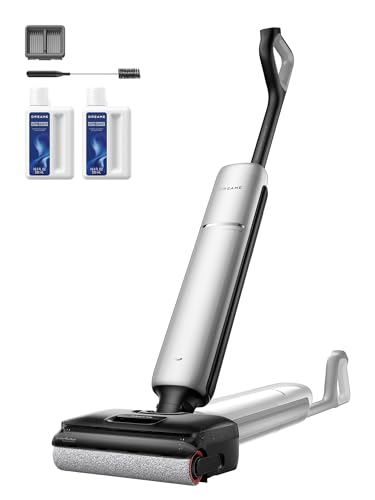
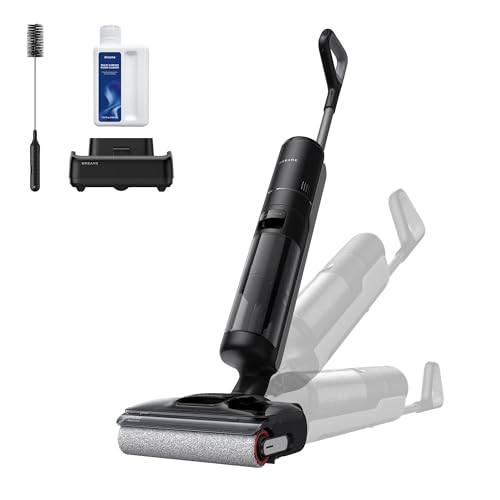
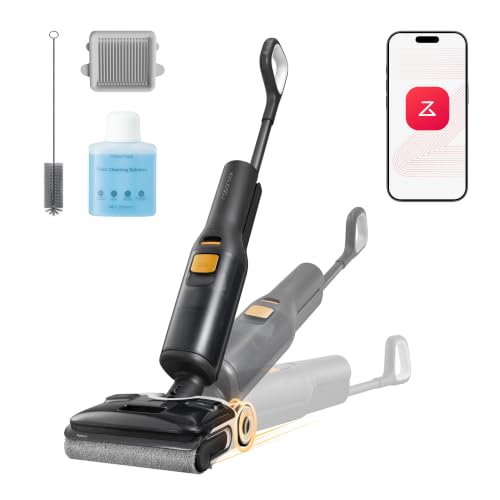


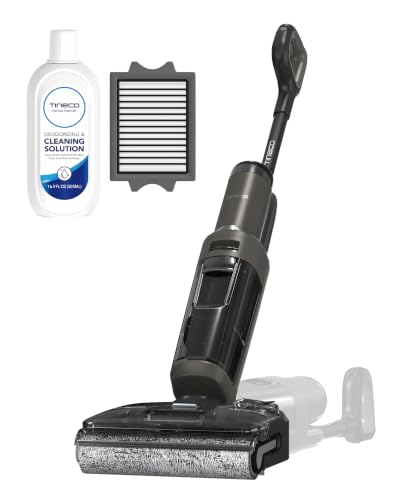


Who Should Buy Which Self Cleaning Wet Dry Vacuum?
Busy Families With Daily Kitchen Spills
If your floor collects cereal milk, sauce splashes and tracked in mud daily, the one pass wash is a genuine time saver over sweeping, vacuuming and then mopping. You want tanks big enough to finish the kitchen and eating area in one fill, and a self cleaning cycle you will actually run, which means one that starts from a button at the dock rather than a sink routine. The wider category context is in our guide to the best wet dry vacuum.
Pet Owners With Muddy Paws and Water Bowl Splashes
Pets make wet messes on a schedule: paw prints from the yard, dribbles around the water bowl, the occasional accident. A washer that lives ready in a corner handles these in minutes, and the self cleaning cycle matters doubly here because pet residue left in a brush turns unpleasant fast. Choose a brush that handles hair without wrapping solid, and a dirty tank that rinses clean without trapped corners.
Mostly Hard Floor Homes That Mop Weekly
If your home is nearly all hard floors, one machine can cover the weekly deep clean of most rooms. Runtime and tank range become your deciding specs, and cordless freedom suits open plans while corded models never run dry mid floor. Our guide to the best cordless wet dry vacuum compares the battery side of that choice in detail.
Key Features to Compare
How Thorough the Self Cleaning Cycle Really Is
Not all cycles clean the same territory. Basic cycles spin the brush in clean water at the dock, which handles the roller but leaves the suction path and the dirty water inlet coated. Better cycles flush water through the whole path the dirty water traveled, and some add a drying phase, spinning or warm air, so the brush is stored dry instead of damp. Judge the cycle by three questions: does it clean the path or only the brush, does it use water from the clean tank so you are not washing with dirt, and does the brush come out dry enough to store indoors without a smell by morning.
Clean and Dirty Water Tank Capacity
Two tanks ride on every machine in this category, and their sizes set your working rhythm. Clean tanks commonly hold enough solution for a few rooms, and the session ends when the clean tank empties or the dirty tank fills, whichever comes first. Undersized tanks are the most common complaint in the category, because stopping mid floor to refill and empty breaks the one pass promise. Match tank size to your largest hard floor area, and check that both tanks lift out with one hand and rinse without trapped corners.
Brush Roll Type and Grout Performance
Soft microfiber style rollers excel at smooth floors, laying down an even water film and picking it back up with the dirt suspended in it. Stiffer bristle or combination brushes scrub textured tile and grout lines better, at the cost of more noise and more water left in the texture. Think about your worst floor, not your best: a brush that polishes the kitchen vinyl but skates over the bathroom grout has the priorities backwards for most homes.
Hardwood Safety and Water Control
Sealed hardwood tolerates these machines when the water recovery is strong, because the floor is left barely damp and dries in minutes. The risk is a machine that lays down more water than it picks up, or dirty water pooling at seams and edges. Our guide to the best wet dry vacuum for hardwood floors covers floor specific checks, and the short version is to test any new machine in a closet corner first and never use one on unsealed or waxed wood unless the maker explicitly allows it.
Steam and Sanitizing Variants
A smaller branch of the category adds steam to the wash, heating the water path to loosen greasy films and cut down on detergent use. The trade offs are heat up time, more weight and stricter rules about floor types, because heat plus moisture is harder on delicate finishes than warm water alone. Our guide to the best steam wet dry vacuum explains when steam earns its premium and when a standard washer is the wiser buy.
Safety Rules for a Machine That Mixes Water and Electricity
Plug these machines into a GFCI protected outlet, the kind with test and reset buttons found in kitchens and bathrooms, because that outlet cuts power fast if current leaks through water. Keep your hands dry when plugging in or unplugging, and always switch off and unplug before you remove the brush roll or clear a blockage. Never use a floor washer to pick up flammable liquids, hot ashes or large sharp debris, and never leave dirty water sitting in the tank, because a sealed tank of gray water grows odor and mildew within a day. Store cleaning solution bottles locked away or on a high shelf, out of reach of children and pets, and use only the solution types the maker approves, in the dilution stated on the label.
Common Mistakes to Avoid
- Skipping the self cleaning cycle after a session, so residue dries in the path and the next clean starts with a sour machine.
- Leaving dirty water in the tank overnight, which grows odor and mildew that the next wash spreads back over the floor.
- Using extra detergent or an unapproved cleaner, which foams in the recovery path, leaves sticky film and can void the warranty.
- Washing unsealed wood or delicate laminate, where standing moisture at the seams swells the boards.
- Trying to deep clean carpet with a hard floor washer, which wets pile it cannot extract and leaves it damp.
How to Make Your Self Cleaning Wet Dry Vacuum Last Longer
Run the self cleaning cycle right after every wash, while residue is still soft, and then empty and rinse the dirty tank and leave it open to dry. Pull hair from the brush ends weekly even with the cycle, because the flush cannot remove wrapped strands. Rinse or replace the small filter that guards the motor on the schedule in the manual, and let it dry fully before refitting.
Store the machine unplugged on its dock in a dry room, keep spare solution and a spare brush where you can find them, and descale only with products the maker approves if your water is hard. These habits are the difference between a washer that smells fresh at year three and one that gets exiled to the garage at month six.
FAQ
Are self cleaning wet dry vacuums worth it?
For homes that wash hard floors weekly or more, yes, because the cycle removes the single most disliked chore in the category: hand washing a filthy brush roll in the sink. It also protects your results, since a clean brush lays down clean water instead of yesterday dirt. If you mop monthly, the premium is harder to justify and a standard washer plus a sink rinse does the same job.
How does the self cleaning cycle on a wet dry vacuum work?
You dock the machine with clean water in the tank and start the cycle, and it floods and spins the brush while pulling the rinse water into the dirty tank. One detail separates good results from poor ones: run the cycle immediately after cleaning, because residue that dries for a day bonds to the brush and the path, and no short flush fully removes it. Finish by emptying the dirty tank the cycle just filled.
Can a self cleaning wet dry vacuum replace a regular vacuum?
Not fully. These washers pick up dry debris as part of the wash, but their suction and bin design are tuned for floors being washed, not for deep carpet cleaning or fine dust filtration. Most homes keep a regular vacuum for carpet, upholstery and dry only days, and use the washer for hard floor sessions. Think of the washer as replacing the mop and bucket, with vacuuming of hard floors as a strong bonus.
What floors can a self cleaning wet dry vacuum clean?
Sealed hard floors are the safe list: ceramic and porcelain tile, vinyl, sealed stone and sealed hardwood, with laminate allowed by most makers when water recovery is strong. Avoid unsealed wood, waxed floors and anything the flooring maker says to keep dry at the seams. When in doubt, the floor maker instructions outrank the vacuum maker instructions, because the floor is the more expensive surface.
How often should you empty the dirty water tank?
After every session, without exception, and rinse it at the same time. Gray water is mostly soap, skin oils and floor soil, and a warm sealed tank is an ideal place for odor bacteria and mildew to grow. Letting the emptied tank air dry with the lid open keeps the machine smelling like cleaning supplies instead of the mess it removed.
Final Thoughts
Shop this category by cycle quality first, then tank size for your largest floor, then brush match for your roughest surface. The product table above lines those points up across the main designs. Chosen that way, the best self cleaning wet dry vacuum turns the mop chore into a single pass and cleans up after itself when you dock it.


