
Best Self Emptying Cordless Vacuum for 2026: How the Docking Bases Work
Disclosure: We may earn a commission when you buy through links on this page, at no extra cost to you. As an Amazon Associate I earn from qualifying purchases. Learn more

Learn how self emptying cordless vacuum bases work, what the bags and upkeep really cost, and which homes gain the most from hands off dustbin emptying.
Emptying a cordless vacuum bin over the trash sounds trivial until pet hair puffs back into the air and fine dust coats the rim you just cleaned. A best self emptying cordless vacuum solves that moment by pulling the bin contents into a sealed docking base when you park the vacuum, so the dust you collected stays collected. For homes with shedding pets, allergies to airborne dust at cleaning time, or daily quick runs, that one change reshapes the whole chore.
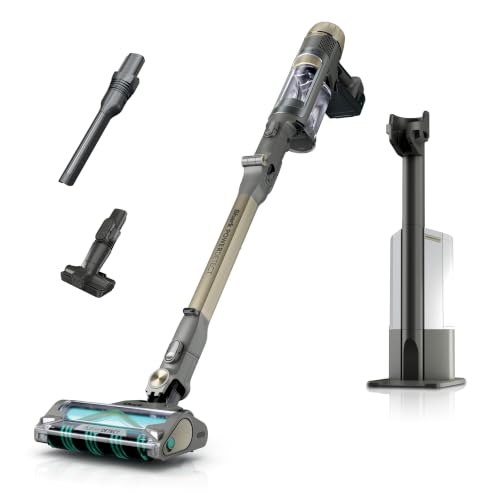
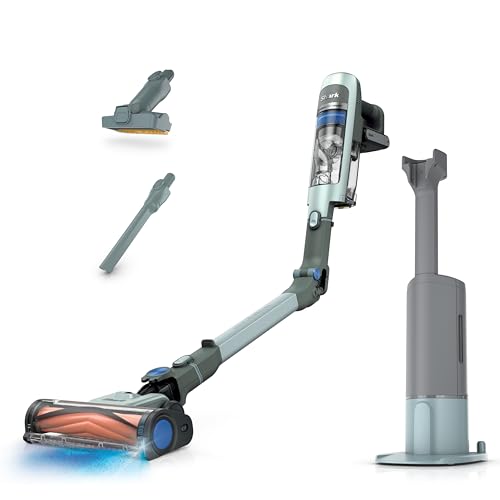
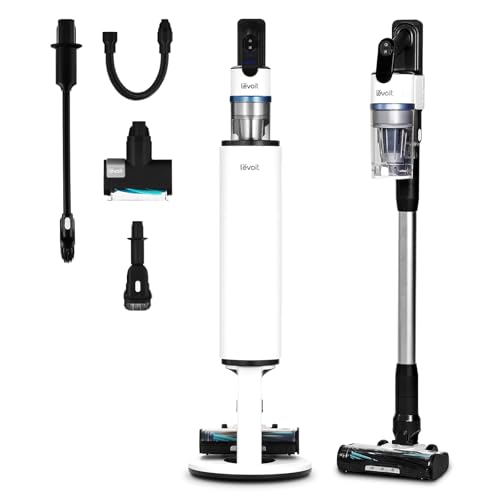
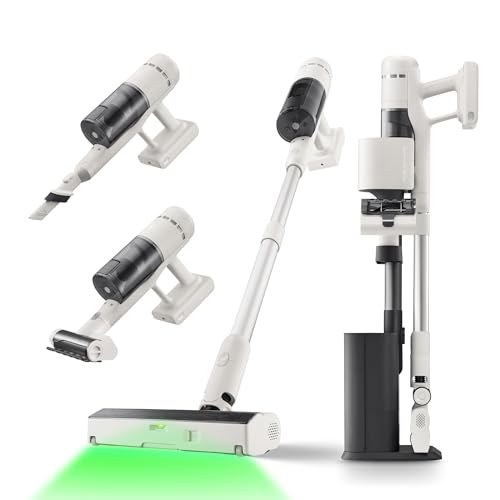
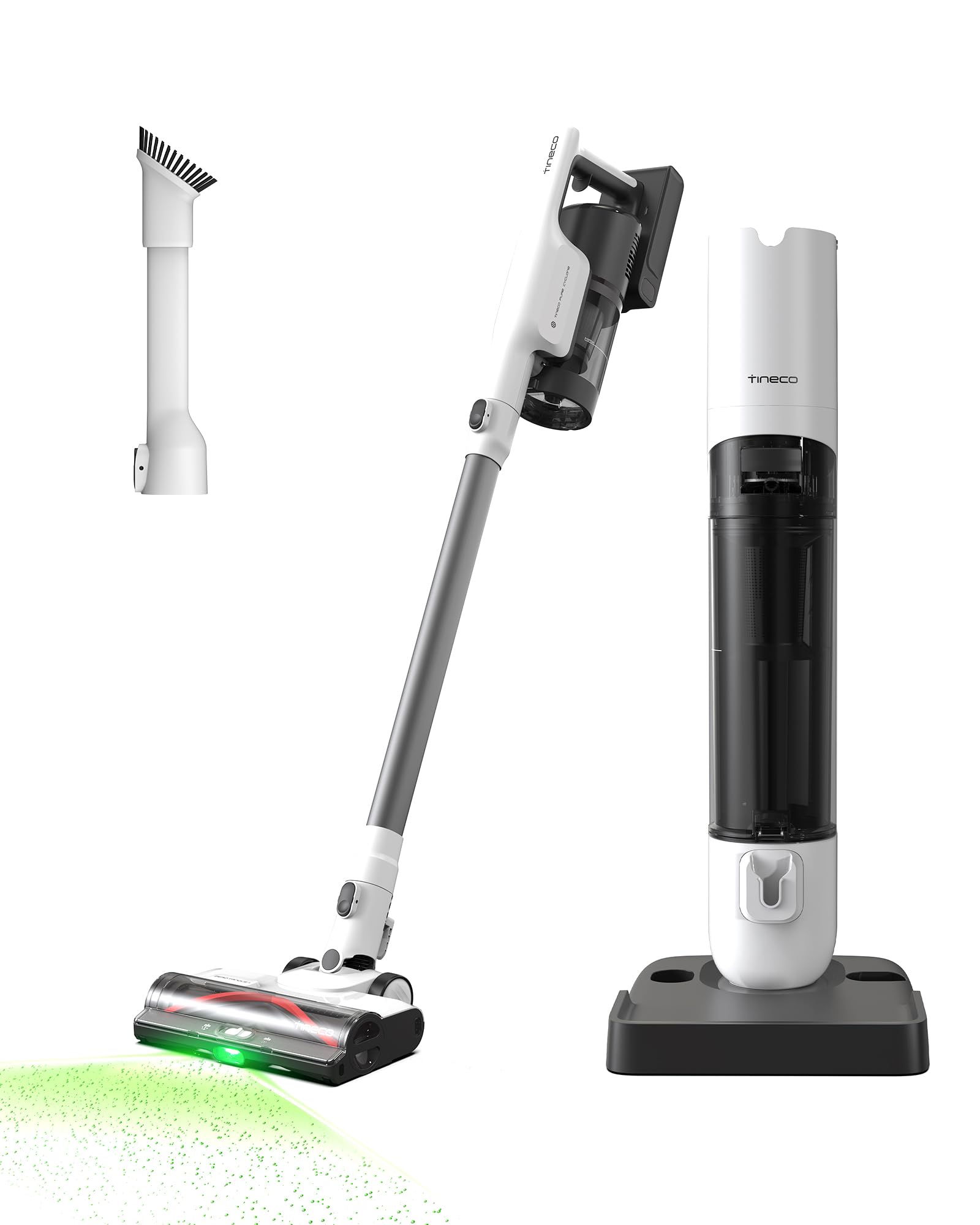
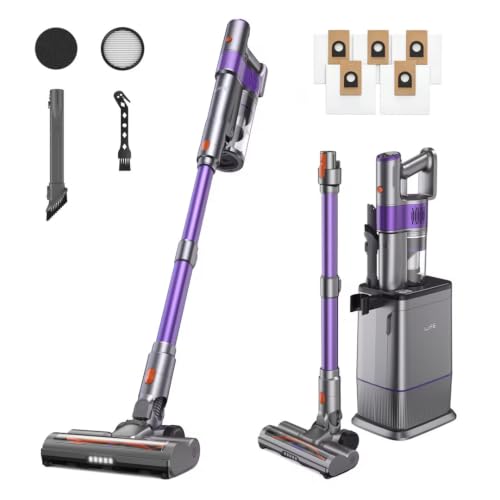
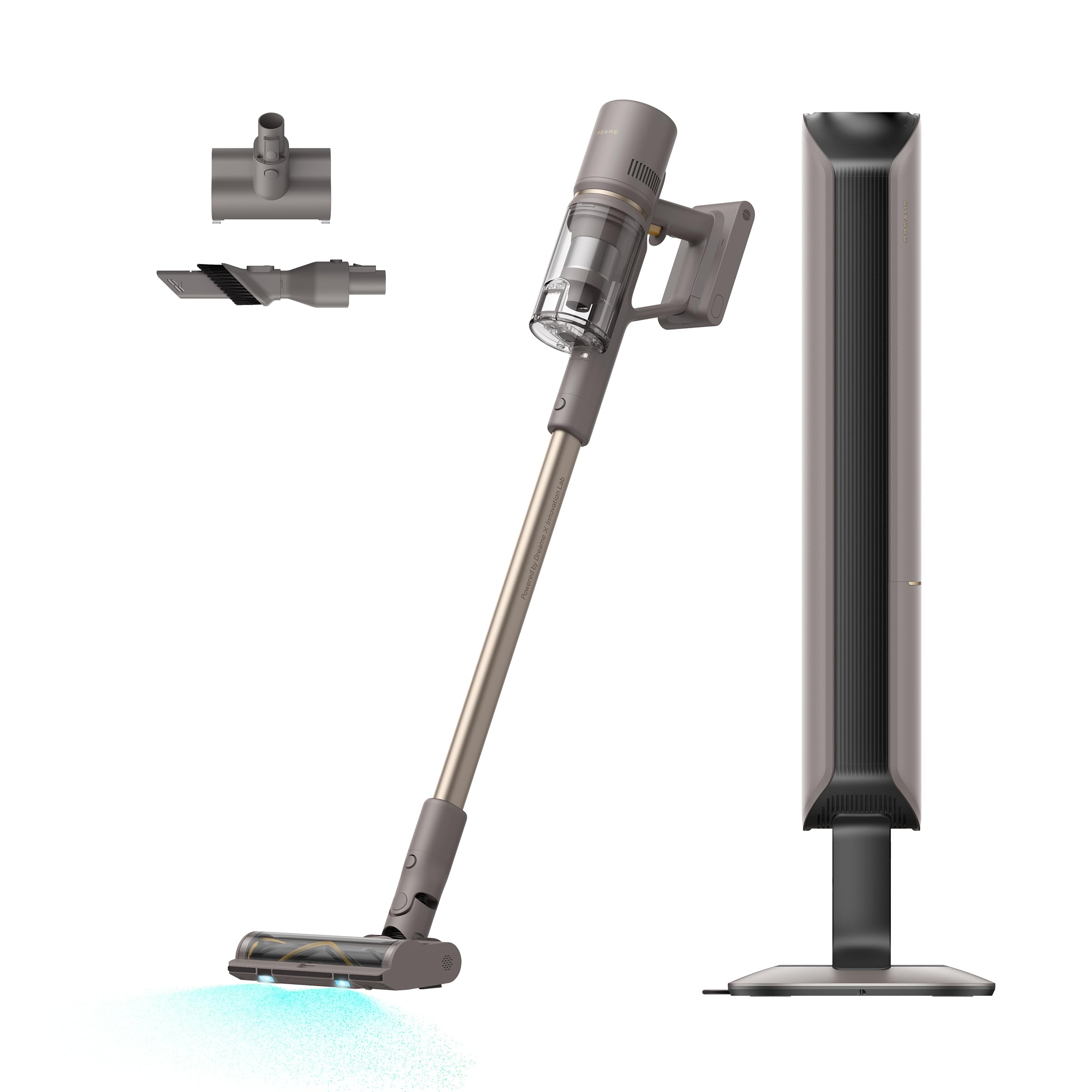
This guide looks at self emptying models from the cleaning side: how well they pick up by surface, how the bases differ, and what the bags and filters cost you over a year. The product table below lists current models, and the sections after it explain the trade offs behind the base styles.

Who Should Buy a Self Emptying Cordless Vacuum?
Pet owners tired of hair clouds at the trash can
Dog and cat hair fills a small stick vacuum bin fast, and shaking it out releases the lightest fluff straight back up. A sealed base swallows that hair quietly, and its larger capacity means emptying day comes every few weeks instead of every session.
Households bothered by dust during bin emptying
If emptying the bin makes anyone at home sneeze or retreat to another room, the sealed bag systems in most bases keep that dust locked away until the bag goes out with the trash. It is a comfort and cleanliness benefit rather than a medical fix, and it matters most in homes that vacuum daily.
Busy homes that vacuum in short daily bursts
Quick daily runs only stay quick if the vacuum is always ready. With a self emptying dock, the stick lives charged on its base with an empty bin, so a five minute cleanup after dinner never starts with a trip to the trash or a clogged filter check.
Key Features to Compare
Base design: bagged versus bagless bases
Most self emptying docks pull debris into a disposable bag inside the base. Bags seal shut when removed, which keeps dust contained, but they are an ongoing purchase, usually holding about thirty to sixty days of debris depending on pet load. A smaller number of bases are bagless cyclonic towers you empty manually less often; they save the bag cost but bring back some dust exposure on emptying day. Decide which you value more before comparing anything else, because the base style defines your running costs and your emptying experience for the life of the vacuum.
Base capacity and true emptying interval
Brands rate base capacity in days, but that number assumes average soil in an average home. A house with two large shedding dogs on carpet can fill a rated sixty day bag in three weeks, while a tidy apartment with hard floors may stretch it past the rating. Treat the day count as a rough scale between models rather than a promise, and favor larger bases if your home is high traffic. Also check how the base tells you it is full; a clear indicator beats discovering a packed bag by the smell.
Suction, brush roll, and surface performance
The dock is only half the product. Look for brush rolls designed to resist hair wrap, since pet homes will test that daily, and for sealed suction paths that hold power as the bin fills between dockings. On hard floors, a soft roller or a brush with a hard floor mode prevents scattering cereal and litter. On carpet, motorized heads with strong agitation matter more than headline suction numbers. If your floors are mixed, our best cordless vacuum guide compares head types across the whole category.
Runtime and battery handling
Self emptying models are still cordless sticks, so runtime decides how much home one charge covers. Ratings around forty to sixty minutes suit most apartments and smaller houses, while large multi floor homes benefit from a swappable battery you can rotate on the dock. Note that max power modes cut runtime sharply, sometimes to under ten minutes, so judge a model by its standard mode figure for daily cleaning and treat boost mode as a spot tool for ground in dirt at the door.
Filtration and what still escapes
A sealed system with high efficiency filtration keeps fine dust inside the vacuum and the base instead of blowing it out of the exhaust while you clean. That matters most for the rooms where kids play on the floor and pets sleep. Filtration ratings vary, and filters need washing or replacing on schedule to keep suction strong. Be realistic about claims, though: good filtration reduces the dust a vacuum redistributes, but no vacuum is a medical device, and households managing asthma or allergies should treat it as one part of a broader cleaning routine.
Dock footprint, noise, and placement
The base is furniture: it needs floor space, an outlet, and clearance for the stick standing in it. Measure the spot you plan to use, usually a laundry room corner or hallway, before buying. Also know that the emptying cycle is loud for a few seconds, far louder than the vacuum itself, which matters in apartments with thin walls or homes with sleeping babies nearby. Some bases let you schedule or disable automatic emptying, a small feature that turns out to matter every single day.
What Self Emptying Costs Over a Year
The sticker price is only the entry fee. Replacement bags for the base typically cost around $5 to $8 each, and a pet home might use eight to twelve a year, landing near $50 to $90 annually. Filters add a smaller recurring cost, and a spare battery, if you buy one, is a one time expense around $50 to $100. Compare that with a plain stick vacuum from the best stick cordless vacuum class, which costs less to run but asks you to empty a small bin constantly. Homes with heavy shedding often find the base pays for itself in time alone, especially alongside a dedicated best cordless vacuum for pet hair routine for furniture. For quick spot jobs between full sessions, a small best handheld cordless vacuum still earns its drawer space.
Common Mistakes to Avoid
- Ignoring bag prices at purchase time: a cheaper dock with costly bags can pass a pricier model in total cost within two years.
- Parking the base in a cramped closet: poor ventilation and tight bends strain the dock and make removing the stick awkward, so the vacuum gets used less.
- Assuming the base fits other brands: self emptying docks only work with their matching vacuum, so the stick and base are a locked pair.
- Letting the base overfill: a packed bag reduces the suction of the emptying cycle, leaving debris behind in the bin you thought was clean.
- Skipping filter care because emptying is automatic: the vacuum own filter still clogs on schedule, and neglected filters cut cleaning power long before the base complains.
Care and Maintenance for Self Emptying Models
Check the vacuum filter monthly, wash or replace it on the maker schedule, and clear hair from the brush roll weekly in pet homes before it mats and strains the motor. Replace base bags as soon as the indicator shows full rather than packing in one more week, because overfilled bags can leak dust back into the base housing. Wipe the dock sensors and the bin outlet seals every few months so the emptying cycle seals properly, and keep the base vents unblocked by walls or stored items. Store spare bags in a dry spot away from children and pets, and never open a used bag indoors to check how full it is.
FAQ
Are self emptying cordless vacuums worth it?
They are worth it for homes that vacuum often and hate the emptying step, especially pet homes where the bin fills every session or two. The value is time and dust containment rather than raw cleaning power, since the vacuum half of these systems cleans like a comparable stick. Light use households may never feel the benefit enough to justify the bags.
How often do you change the bag in a self emptying base?
Most households change it every one to two months. Heavy shedding, large homes, and carpet heavy layouts shorten that to a few weeks, while small hard floor apartments can go longer. Rely on the full indicator rather than the calendar, and keep one spare bag at home so a full bag never stalls a cleaning day.
Does a self emptying base work with any cordless vacuum?
No. The dock, the bin outlet, and the seals are designed as a matched set for one vacuum family, and other sticks will not seal or trigger the cycle. That lock in is the main commitment of this category, so choose the vacuum for its cleaning performance first and treat the base as the deciding bonus.
How loud is the self emptying cycle?
Noticeably louder than the vacuum itself, roughly like a full size vacuum running at full power for about five to ten seconds. It startles pets at first and can wake light sleepers through a thin door. Bases with a manual or scheduled emptying option let you choose the moment instead of hearing it after every docking.
Do self emptying vacuums lose suction as the base fills?
The vacuum cleaning suction stays normal until its own bin is docked and emptied, but a nearly full base bag weakens the emptying pull, so the bin may not clear completely. Changing the bag on time keeps the cycle strong. Separately, a clogged vacuum filter is the usual cause of fading cleaning suction in these systems.
Final Thoughts
The best self emptying cordless vacuum for your home pairs a stick you would happily use anyway with a base sized for your debris load and bag costs you accept. Check the product table above for base styles, count the yearly bag budget before you fall for a low sticker price, and place the dock where daily use is easy. When the emptying step disappears, regular cleaning stops feeling like a chore with a messy ending.


