
Best Vacuum Sealers for Sous Vide (2026): 3 Picks for Tight, Leak Free Seals
Disclosure: We may earn a commission when you buy through links on this page, at no extra cost to you. As an Amazon Associate I earn from qualifying purchases. Learn more

Three vacuum sealers for sous vide at different budgets, plus moist food tips and upkeep.
Sous vide only works when the bag stays sealed and air stays out. A pocket of air makes the bag float, leaves part of the food above the water line and slows heat transfer, so a good sealer matters as much as the circulator. The best vacuum sealer for sous vide pulls a tight vacuum, handles moist foods like marinated meat without sucking liquid into the pump and makes a seal strong enough to survive hours in hot water.
This guide picks three sealers for different budgets and kitchens, explains the features that matter for sous vide and covers how to keep a sealer clean and working for years.



Quick Summary
For most home cooks, the FoodSaver FM2100 is the best all around choice, with dual heat sealing strips, a built in roll cutter and a 5 year limited warranty. On a tight budget, the MEGAWISE Vacuum Sealer offers a moist mode and pulse control for around $42. If counter space is short, the Anova Culinary Vacuum Sealer is slim, made for sous vide and comes from a brand that also makes circulators.
Vacuum Sealer for Sous Vide Buying Guide
Any vacuum sealer can seal a bag, but sous vide adds demands: wet marinades, long cooks in hot water and bags that must not leak. Focus on sealing quality, moisture handling and bag flexibility first. Size, power and price follow from how often you cook and how much you seal at once.
It also helps to decide whether you will use the sealer for freezer storage too. Many sous vide cooks buy in bulk, portion meat, season it and freeze it in the same bag, so a sealer that handles both jobs saves time.
Types Compared by Job
External (edge) sealers are the most common. You place the open end of the bag in the machine, which pulls air out and heat seals it; the FoodSaver, MEGAWISE and Anova models all work this way. Handheld sealers like the Chef Preserve use valve bags and battery power, which suits small portions and travel. Chamber sealers, like those in our guide to chamber vacuum sealers, handle liquids best but cost and weigh much more.
Features That Save Time
A built in roll cutter and roll storage, like those on the FoodSaver FM2100 and the sliding cutter on the MEGAWISE, let you make custom bag sizes without scissors. Moist or wet modes adjust the cycle for marinated foods. A pulse button lets you stop the vacuum before soft foods crush or liquid reaches the seal. An accessory port lets you vacuum containers and jars.
Wattage, Power and Energy Use
Suction is often listed in kPa or inches of mercury. MEGAWISE lists 80 kPa, while the Weston Pro-2300 lists up to 28 inches Hg from a double piston pump and 1,020 watts. More power means faster cycles and a firmer vacuum, but for home sous vide, a mid range sealer is plenty. Energy use is small because cycles last seconds.
Safety Features and Certifications (UL/ETL)
Look for a UL or ETL listing on the product or manual, which shows the electrical design met safety standards. Choose bags labeled BPA free and safe for sous vide or simmering; the Anova and Chef Preserve listings both note BPA free bags. Avoid cooking above the bag maker's temperature limit, and never use thin storage bags for long, hot cooks.
Counter Space and Dimensions
Full size sealers with roll storage take up the most room. The Anova sealer is described as slim and compact, and MEGAWISE calls its design slim and compact too, which helps if the sealer lives in a drawer. Handheld units like the Chef Preserve are about the size of a pepper grinder, per the brand.
Price Tiers and Running Costs
Budget sealers under $50 cover occasional sous vide. Mid range models from $60 to $180 add stronger seals, better moisture handling and longer warranties. Heavy duty units around $400 suit hunters and bulk cooks. Bags are the ongoing cost, so check roll prices and whether the machine accepts generic bags.
3 Best Vacuum Sealers for Sous Vide
These three cover the main budgets and kitchen sizes. Prices change often, so treat them as approximate.
1. Best All Around for Sous Vide: FoodSaver FM2100
The FoodSaver FM2100 suits cooks who sous vide weekly and also freeze bulk meat. It costs around $179 and is labeled for dry and moist food and sous vide cooking.
Dual heat sealing strips help create an airtight seal, and the built in roll cutter cuts custom bag sizes to reduce waste. It includes an accessory hose and port for compatible containers, a starter roll and pre cut bags, and FoodSaver backs it with a 5 year limited warranty. The trade off is size: roll storage makes it bulkier than slim models.

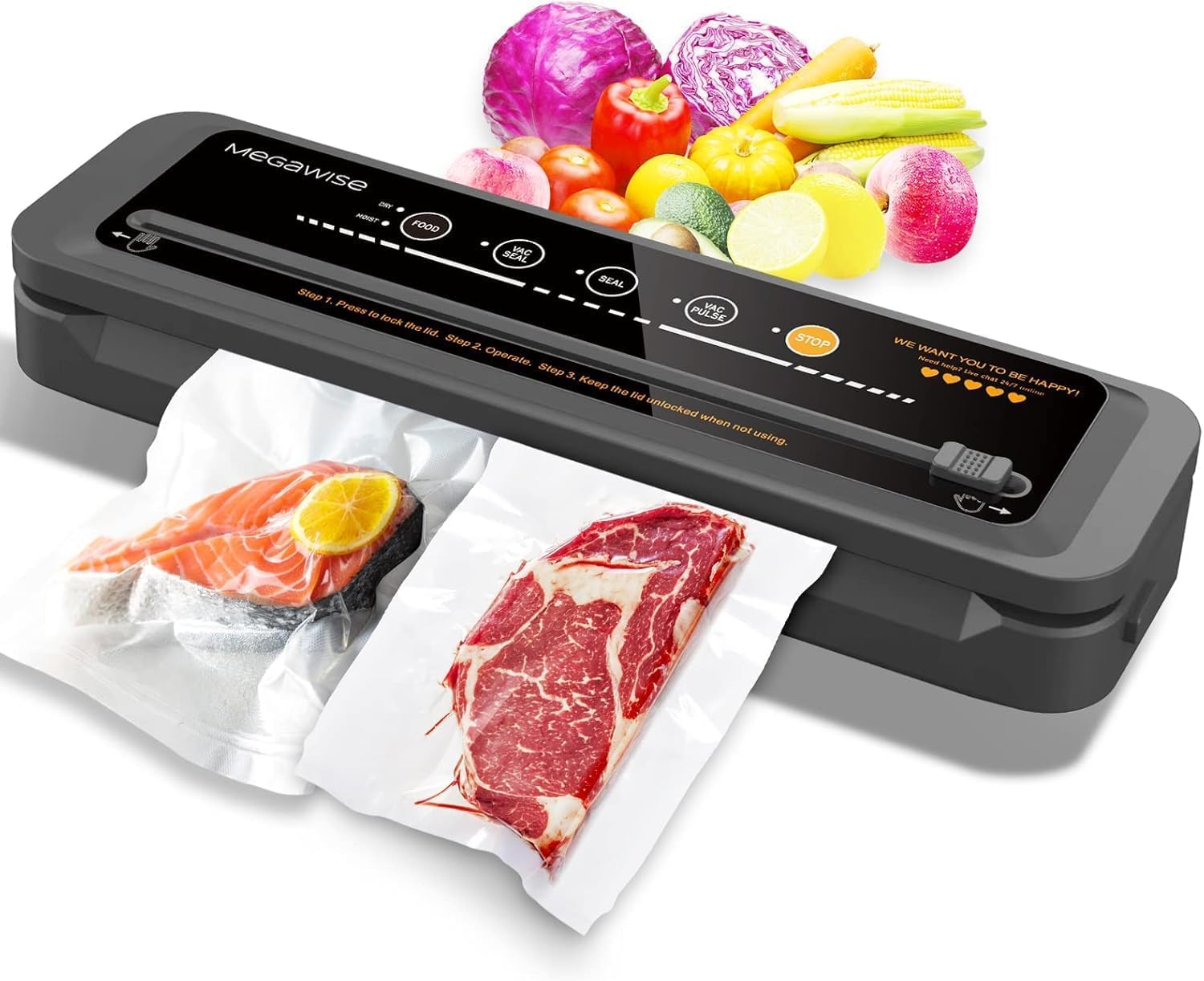
2. Best Budget (Under $50): MEGAWISE Vacuum Sealer Machine
The MEGAWISE suits beginners who want to try sous vide without a big spend. It costs around $42 and lists 80 kPa suction.
Its moist mode is designed for meat or fish with some liquid, and a Vac Pulse function lets you control how much air is removed. The one touch cycle takes 10 to 20 seconds per bag, and the 11.8 inch sealing bar works with most bags, with a built in sliding cutter. The trade off is a lighter build than premium machines, so it suits moderate use.
3. Best Compact Pick: Anova Culinary Vacuum Sealer
The Anova sealer suits sous vide cooks with little counter space, especially those who already own an Anova cooker. It costs around $66 and includes 10 pre cut BPA free bags.
It is designed as a companion to sous vide circulators, with wet and dry modes and a separate seal button so you can stop the vacuum early with juicy foods. Anova lists a 2 year warranty. The trade off is no built in roll storage or cutter, so plan to use pre cut bags or cut rolls by hand.

How We Compared the Best Vacuum Sealers for Sous Vide
We compared manufacturer specs and verified buyer feedback on sealing strength, moist food handling, ease of use, size, warranty and value. We gave extra weight to features that matter in a water bath: reliable seals, moist modes and pulse control. Sealers with frequent complaints about failed seals or short lifespans were left out.
Where a Vacuum Sealer for Sous Vide Makes Cooking Easier
A sealer lets you season and portion meat when you shop, freeze it flat and drop it straight into the water bath later, with no repacking. Vacuum sealed bags sink and stay in full contact with the water, so food heats evenly. Marinades work faster because the vacuum presses liquid against the food.
Sealers also cut freezer burn, so bulk meat and fish keep their quality for months; FoodSaver says sealed food can last up to 3 years in the freezer. Leftovers from a sous vide cook can be sealed again and reheated in the bath. For travel and camping, see our guide to vacuum sealer bags for travel.
Sealing Routine: How to Get the Best Results
Leave at least 3 inches of empty bag above the food so the sealer can grip it. Freeze very wet marinades for 30 minutes first, or fold a paper towel inside the top of the bag to catch liquid. Wipe the bag opening dry before sealing, because moisture weakens the seal. For long cooks, add a second seal just above the first. Use pulse mode for delicate fish so the vacuum does not crush it.
Cleaning and Upkeep
Unplug the sealer and wipe the drip tray and gaskets with warm, soapy water after any moist sealing. Dry everything before closing the lid. Check the foam gaskets for flattening or cracks, and replace them when the vacuum weakens. Keep the heat strip clean of melted plastic. Store the lid unlatched so the gaskets do not compress.
Supplies, Refills and Running Costs
Bags and rolls are the main ongoing cost. Rolls let you size bags to the food and waste less plastic, while pre cut bags save time. Check that bags are rated for sous vide temperatures and BPA free. Our guide to bags for vacuum sealers covers options. Replacement gaskets and drip trays are worth keeping on hand for heavy users.
Vacuum Sealer Questions, Answered
Is a vacuum sealer worth it?
A vacuum sealer is worth it if you cook sous vide often or buy meat in bulk. It keeps bags from floating, speeds marinating and reduces freezer burn. Zip top bags with the water displacement method work for occasional cooks, but they can leak or float during long cooks at higher temperatures.
How do you clean a vacuum sealer?
Unplug it, remove the drip tray if it has one and wash it in warm, soapy water. Wipe the gaskets and inside of the lid with a damp cloth and dry them fully. Clean the outside with a soft cloth. Never submerge the base, and do not use abrasive pads on the heat strip.
What is the most reliable vacuum sealer brand?
FoodSaver is the most widely used home brand and offers long warranties, such as 5 years on the FM2100. Anova is popular with sous vide cooks, and Weston and Avid Armor serve heavy users. Reliability depends on matching the machine to your volume; see our guide to FoodSaver vacuum sealers.
What is the best vacuum sealer for sous vide?
For most cooks, the FoodSaver FM2100 is the best vacuum sealer for sous vide thanks to dual sealing strips, roll storage and a long warranty. The MEGAWISE is the best budget choice, and the Anova is the best pick for small kitchens. Heavy users may prefer a chamber sealer for liquids.
What should I look for in a vacuum sealer for sous vide?
Look for a moist or wet mode, a pulse button, a strong and wide seal, and bags rated for hot water. A roll cutter and accessory port add convenience. Check the warranty and the price of bags, since bags are the long term cost.
How long does a vacuum sealer last?
A home vacuum sealer typically lasts 3 to 10 years. Gaskets wear first and are usually replaceable. Letting the motor cool between seals, keeping liquid out of the pump and storing the lid unlatched all extend its life.
Final Verdict
The FoodSaver FM2100 is the best vacuum sealer for sous vide and freezer storage for most cooks, the MEGAWISE gives beginners moist mode and pulse control for little money, and the Anova sealer fits small kitchens and pairs well with sous vide cookers. Whichever you choose, use sous vide rated bags, keep the seal area dry and double seal for long cooks. For more budget choices, see our guide to affordable vacuum sealers.


