
Best Microfiber Cloths of 2026: Our 3 Top Picks + Buying Guide
Disclosure: We may earn a commission when you buy through links on this page, at no extra cost to you. As an Amazon Associate I earn from qualifying purchases. Learn more

Three microfiber cloth picks plus a guide to types, GSM, care and color coding.
Paper towels smear glass, cotton rags push dust around and leave lint, and spray cleaners pile up under the sink. A good microfiber cloth fixes all three: its split fibers trap dust, grease and grime, it can clean many surfaces with just water and it survives hundreds of washes. The best microfiber cloths combine dense, soft fibers, stitched edges that do not fray and a size that suits the jobs you do most.
Below are three top picks, then a guide to cloth types, materials, weight (GSM), washing and care, what to spend and which cloth works best for glass, kitchens, dusting and cars.



Our Top Picks at a Glance
MR.SIGA Microfiber Cleaning Cloths are the best overall, Amazon Basics Microfiber Cleaning Cloths are the best budget pick and the E-Cloth Home Cleaning Set is the best upgrade for chemical free cleaning.
| Award | Product | Key Spec | Best For |
|---|---|---|---|
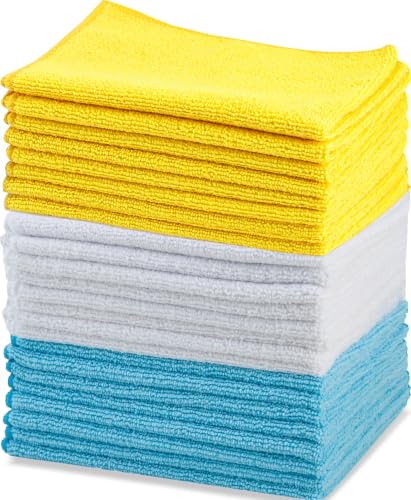
| Best Overall | MR.SIGA Microfiber Cloths (12 pack) | 85% polyester, 15% nylon, 12.6 x 12.6 in, reinforced edges | Everyday kitchen, glass and appliance cleaning |
| Best Budget | Amazon Basics Microfiber Cloths (24 pack) | 16 x 12 in, absorbs 8 times its weight | Cars, big households, bulk use |
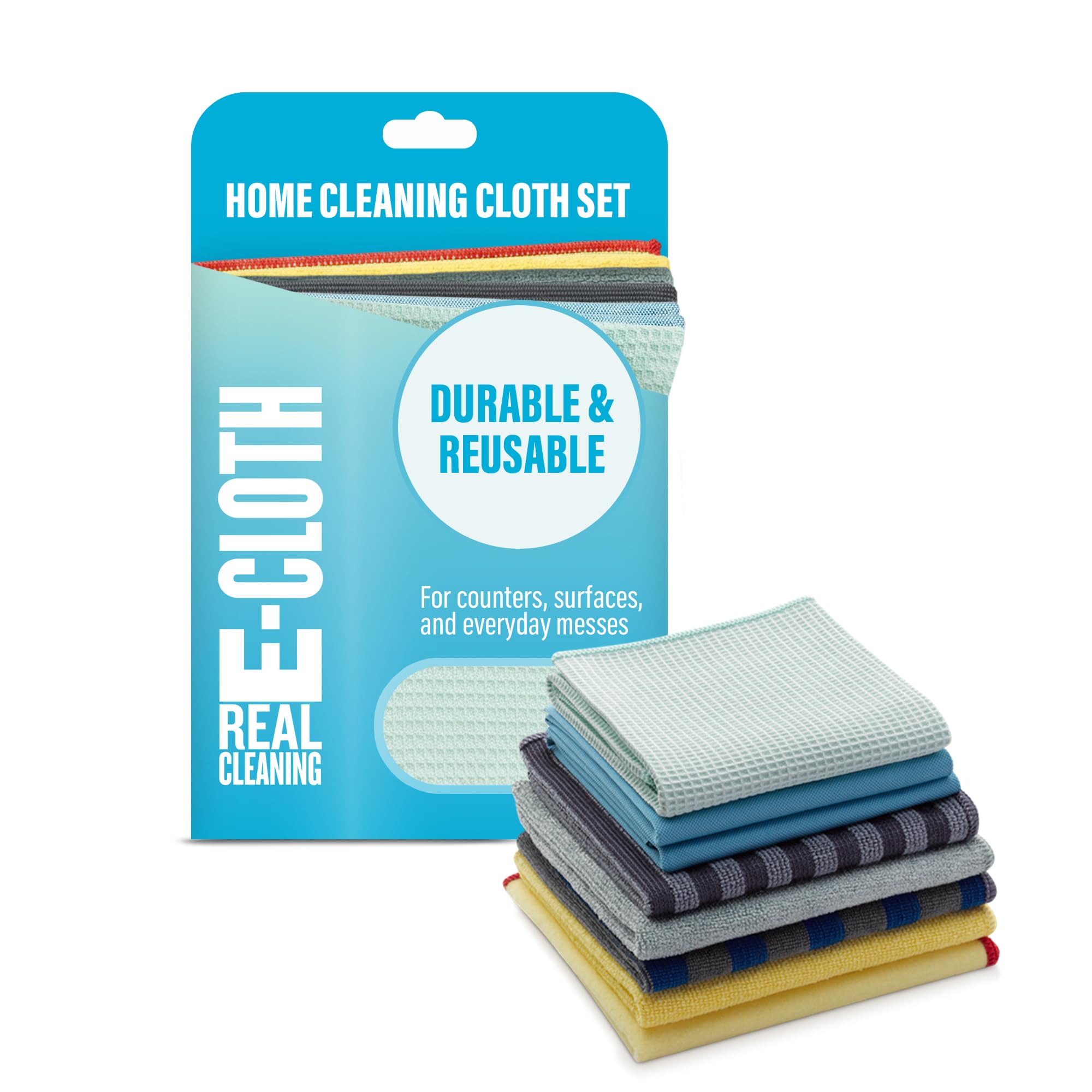
| Best Upgrade | E-Cloth Home Cleaning Set (8 piece) | Task specific cloths, 100 wash guarantee | Cleaning with just water |
Our 3 Top Picks for the Best Microfiber Cloths
Each pick suits a different budget and cleaning style.
1. Best Overall: MR.SIGA Microfiber Cleaning Cloths
Why it made the list: MR.SIGA cloths are a long running favorite for everyday cleaning. At around $14 for a 12 pack, each 12.6 x 12.6 inch cloth uses an 85% polyester and 15% nylon blend that is soft, absorbent and non abrasive, according to the listing.
- Highlights: lint free and streak free on windows, stainless steel and countertops; works dry for dusting or damp for grease in microwaves and on pots; reinforced stitched edges designed for hundreds of washes.
- Trade off: the medium size is ideal for counters and glass but small for drying a whole car.
Best for: everyday kitchen, bathroom, glass and appliance cleaning.
The color variety also makes it easy to assign cloths to tasks, so the cloth you use on a toilet never ends up on the kitchen counter. With 12 in a pack, you can rotate cloths through the week and wash them in batches.

2. Best Budget: Amazon Basics Microfiber Cleaning Cloths
Why it made the list: the Amazon Basics 24 pack delivers plenty of cloths for little money, around $10. Each 16 x 12 inch cloth is described as ultra soft and non abrasive, safe on paint, vinyl and glass, and able to soak up eight times its own weight.
- Highlights: large enough for car washing and drying; works dry or with liquid cleaners for a streak free finish; machine washable and reusable hundreds of times.
- Trade off: thinner than premium cloths, so they hold less water and may need more passes on big spills.
Best for: car care, garages, big families and anyone who wants a large rotating supply.
At well under 50 cents per cloth, they are cheap enough to retire to messy jobs like wheels and grills when they get stained, while newer cloths handle glass and paint.

3. Best Upgrade Pick: E-Cloth Home Cleaning Set
Why it made the list: E-Cloth designs task specific cloths to clean with just water. At around $35, the 8 piece set covers dusting, bathrooms, kitchens and cars, and the brand backs it with a 100 wash guarantee.
- Highlights: dedicated cloths for glass, kitchen grease and dusting; designed to reduce or replace spray cleaners; washable and reusable.
- Trade off: costs far more per cloth than multipacks, so it suits people committed to chemical free cleaning.
Best for: households that want to cut back on cleaning chemicals.

How We Chose the Best Microfiber Cloths
We compared fiber blend, cloth size and thickness, edge construction, absorbency claims, lint and streak performance reported by buyers, washability and price per cloth. Our sources were manufacturer product data, the details in each Amazon listing and patterns in large volumes of verified buyer feedback. We did not run our own trials. We favored cloths that do many jobs well, since most homes want one reliable multipack rather than a drawer of specialty cloths.
How to Choose the Right Microfiber Cloths
Match cloth type and weight to the job, check the fiber blend and edges and buy enough to rotate between washes.
Type
General purpose cloths have a short, dense pile for counters, appliances and dusting. Glass and polishing cloths use a flat, tight weave that leaves no lint or streaks on windows, mirrors and screens. Plush or waffle weave towels are thick and absorbent for drying cars and dishes. Scrubbing cloths add a textured side for stuck on grime. Many homes keep a general purpose pack plus a few glass cloths.
Materials and Weight (GSM)
Most microfiber blends polyester and polyamide (nylon); an 80/20 or 85/15 blend is common. More nylon generally means softer and more absorbent cloths. Weight is listed in grams per square meter (GSM): around 200 to 300 GSM suits general cleaning and glass, while 350 GSM and up suits plush drying towels. Higher GSM is not always better for glass, where thinner cloths leave fewer streaks.
Size
12 x 12 inch cloths fold into quarters for eight clean sides and suit most household jobs. 16 x 16 inch cloths cover windows and car panels faster. Large drying towels around 20 x 30 inches or more suit cars and big spills.
Edges and Durability
Stitched or reinforced edges, like MR.SIGA's, resist fraying through hundreds of washes. Edgeless, laser cut cloths are gentle on car paint because there is no stitching to scratch. Avoid cloths with loose threads or thin hems that unravel quickly.
Washing and Care
Wash microfiber separately in warm water with a small amount of liquid detergent. Skip fabric softener and dryer sheets, which coat the fibers and destroy absorbency, and avoid bleach, which weakens fibers. Air dry or tumble dry on low heat, and keep cotton towels out of the load so lint does not stick to the microfiber.
How Much Should You Spend?
- Under $10: basic multipacks of 12 to 24 cloths, good for cars and rough jobs.
- Under $20: higher quality multipacks with better edges and softer blends.
- Under $40: premium task specific sets designed for water only cleaning.
- Above $40: large professional packs or specialty kits for detailing.
Best Microfiber Cloths by Need
Match the cloth to the surface for the best results.
- Glass and mirrors: a flat weave or dedicated glass cloth, used slightly damp and then buffed dry, leaves the fewest streaks. Keep these cloths separate so they stay free of grease.
- Kitchen: general purpose cloths handle grease on stovetops, microwaves and counters; rinse often and wash after each day of use.
- Dusting: use dry cloths, which attract dust through static rather than pushing it around, on shelves, electronics and blinds.
- Cars: edgeless or soft multipacks for washing, plush towels for drying and a separate cloth for wheels and door jambs.
- Bathrooms: use a dedicated color to avoid cross contamination, and wash these cloths hot and separately.
- Screens and electronics: a soft, clean cloth, dry or barely damp with water, avoids scratches on TVs, laptops and phones.
Microfiber vs Paper Towels vs Cotton Rags
| Factor | Microfiber | Paper Towels | Cotton Rags |
|---|---|---|---|
| Dust pickup | Traps dust in split fibers | Pushes dust around | Moderate, can spread dust |
| Streaks and lint | Lint free and streak free when clean | Often leaves lint on glass | Leaves lint |
| Cleaning with water only | Works for many jobs | Poor | Poor |
| Cost over time | Low, reused hundreds of times | Ongoing expense | Low |
| Waste | Minimal | High | Minimal |
A 12 pack of microfiber can replace many rolls of paper towels each year, and it simply cleans better on glass and stainless steel.
Common Microfiber Mistakes to Avoid
- Using fabric softener: it clogs the fibers and leaves cloths smearing instead of absorbing.
- Washing with cotton towels: lint transfers and clings to microfiber.
- Using too much cleaner: microfiber needs little product; excess spray causes streaks.
- Drying on high heat: heat can melt the fine fibers and make cloths stiff.
- Using one cloth everywhere: moving from bathroom to kitchen spreads germs.
- Scrubbing glass with a greasy cloth: keep separate, clean cloths for windows and screens.
Color Coding Your Microfiber Cloths
Professional cleaners color code cloths to stop germs spreading between rooms, and the system works at home too. A common approach is blue for glass and mirrors, green for kitchen surfaces, yellow for bathroom sinks and counters and red for toilets. Store each color in its own bin or drawer and wash bathroom colors on their own. Multipacks in mixed colors, like MR.SIGA's, make this easy without buying separate sets.
FAQs
What are the best microfiber cloths?
MR.SIGA Microfiber Cleaning Cloths are the best for most homes. They are soft, absorbent, lint free and durable at a low price per cloth. Amazon Basics is the budget pick, and E-Cloth suits water only cleaning.
How long do microfiber cloths last?
Good microfiber cloths last hundreds of washes, often a few years of regular use. They wear out faster with fabric softener, bleach or high dryer heat. Replace cloths when they stop absorbing or start leaving lint.
Are expensive microfiber cloths worth it?
Premium cloths are worth it if you clean with water only or want task specific performance. For general cleaning, a quality multipack around $14 to $20 performs very well at a fraction of the cost per cloth.
How do you clean microfiber cloths?
Machine wash them warm with a little detergent, no fabric softener and no bleach, then air dry or tumble dry low. Wash them separately from cotton to avoid lint transfer.
Can microfiber cloths clean without chemicals?
Yes, for many everyday jobs. Damp microfiber lifts dust, fingerprints and light grime with water alone. Heavier grease and soap scum may still need a cleaner, and disinfecting requires an EPA registered disinfectant used as directed.
How many microfiber cloths do I need?
Most homes do well with 12 to 24 cloths. That covers separate colors for kitchen, bathroom and glass, plus spares while others are in the wash. Car owners may want an extra multipack and a few plush drying towels.
What is the most reliable brand of microfiber cloths?
MR.SIGA, Amazon Basics, E-Cloth, Zwipes and Norwex are widely trusted. They offer consistent quality and clear care instructions.
Final Verdict
MR.SIGA cloths are our top choice for everyday cleaning, Amazon Basics is the budget bulk pick and the E-Cloth set suits water only cleaning. Match the cloth to the surface, skip fabric softener and color code by room, and the best microfiber cloths will replace paper towels and cut down on sprays. See our guides to the best all purpose cleaner and the best spray mop for more cleaning tools.


