Best 16 Gallon Shop Vac for 2026: A Big Tank Buying Guide
Disclosure: We may earn a commission when you buy through links on this page, at no extra cost to you. As an Amazon Associate I earn from qualifying purchases. Learn more

A 16 gallon shop vac tackles floods, renovation debris and big garages. Compare airflow, drain ports, hoses and filtration before you buy a large vac.
The sump pump fails overnight and the basement utility room is under an inch of water, with soaked cardboard and a winter of tracked in grit waiting behind it. This is the scale of mess where small vacs quit early and often. Choosing the best 16 gallon shop vac is about sustained suction, painless emptying and filtration that survives fine dust, because at this size the machine becomes the workhorse for the worst jobs in the house.
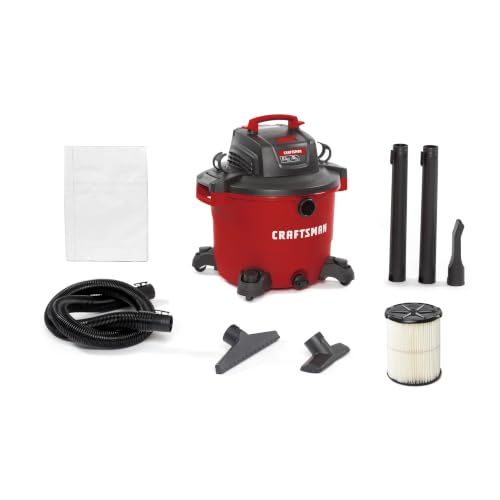
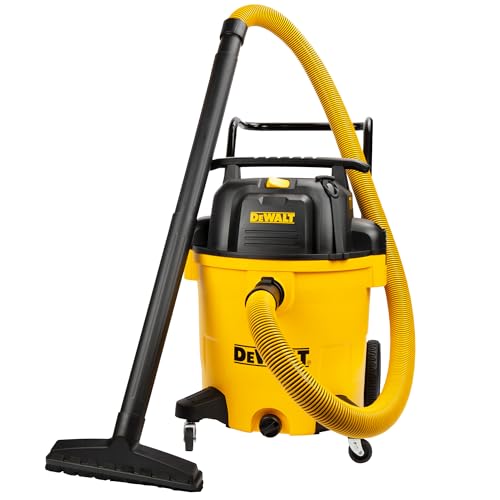
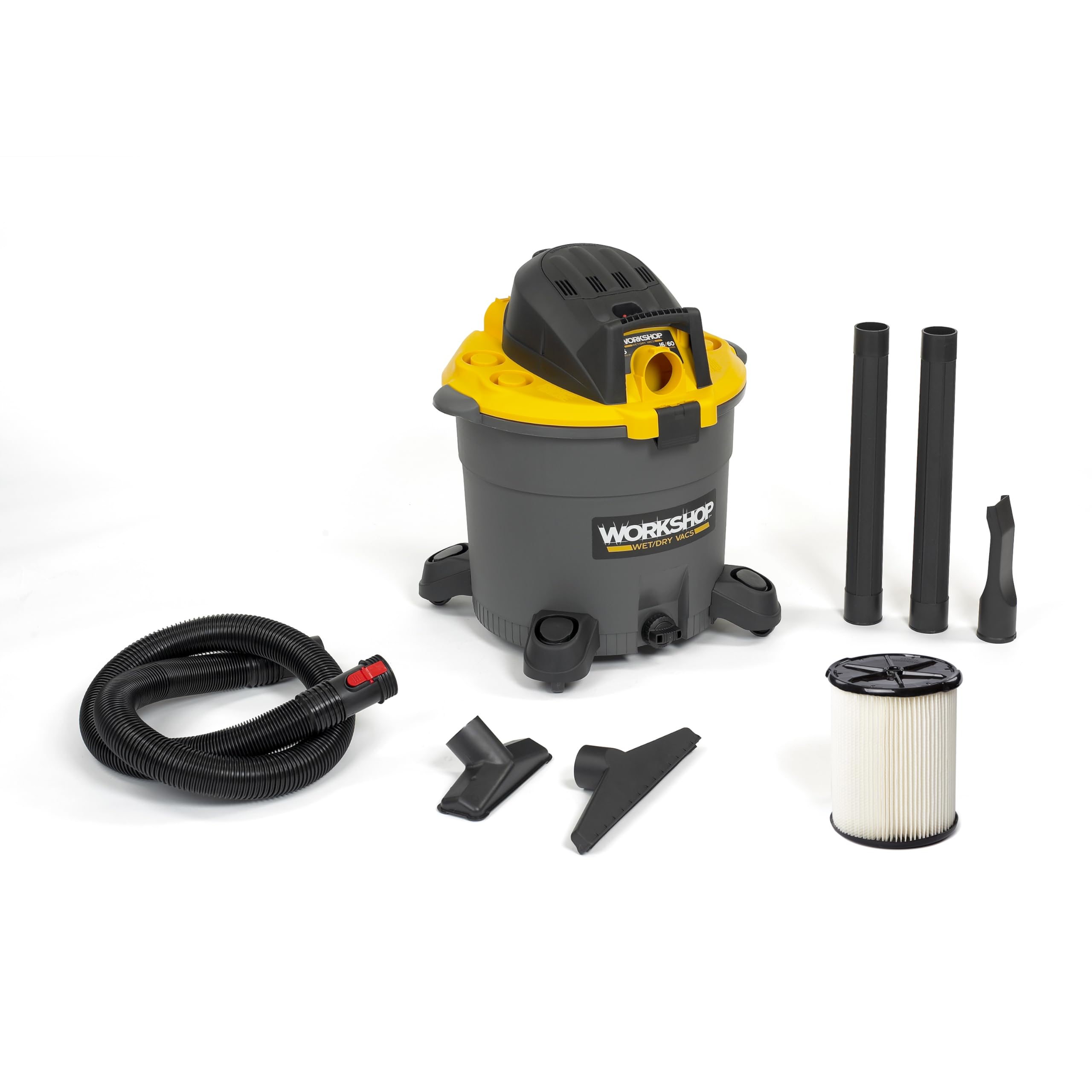
Below, we look at who actually needs 16 gallons, which specs separate strong large vacs from merely big ones, and how to size the tank honestly. Our general guide to the best shop vac range covers smaller classes too. The comparison table below shows how the main contenders in this size stack up.
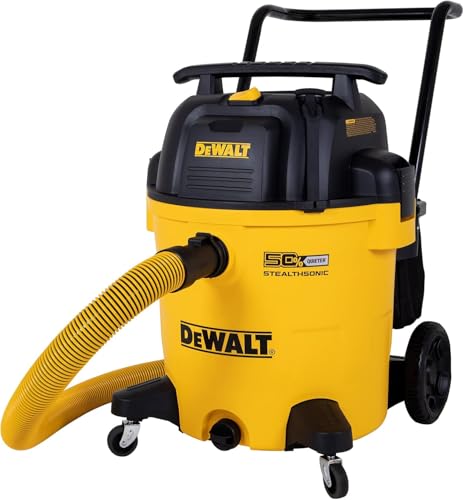
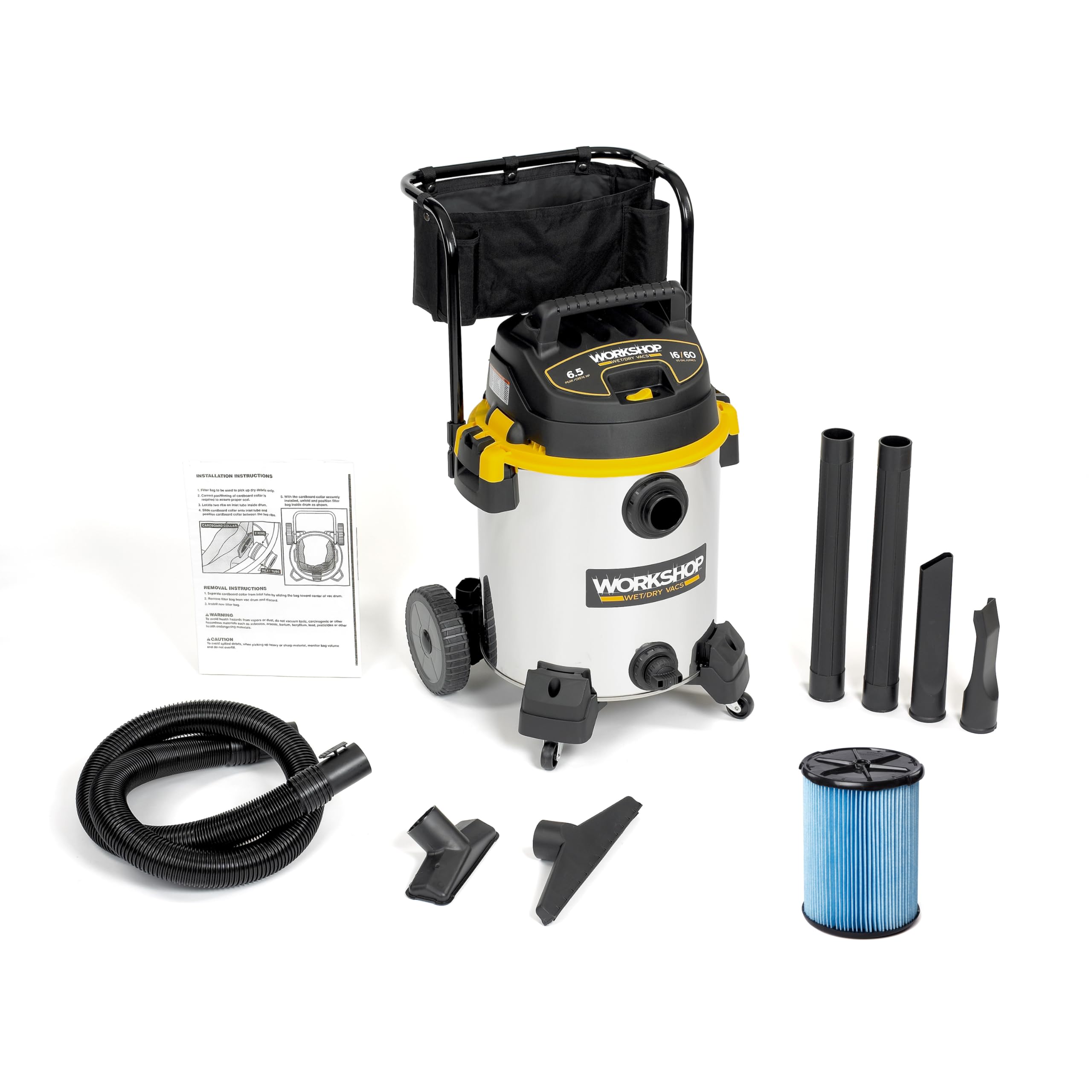
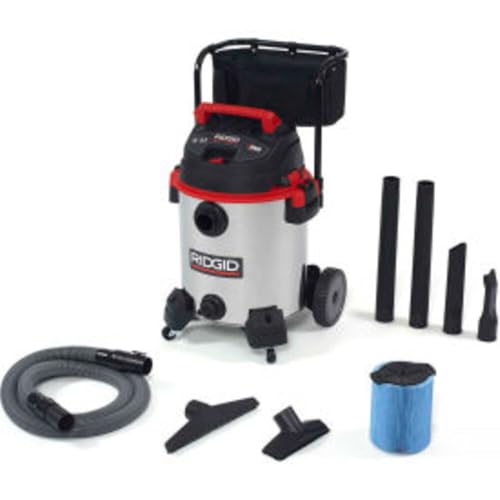

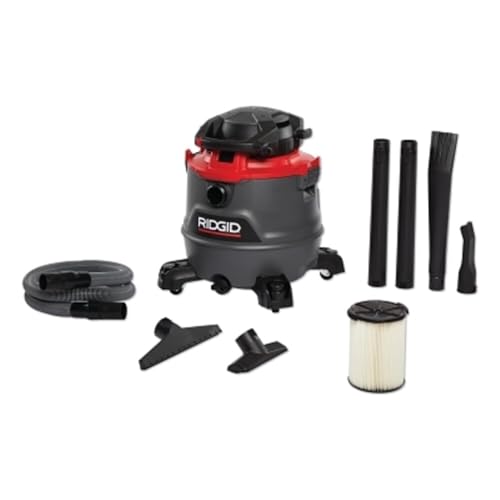
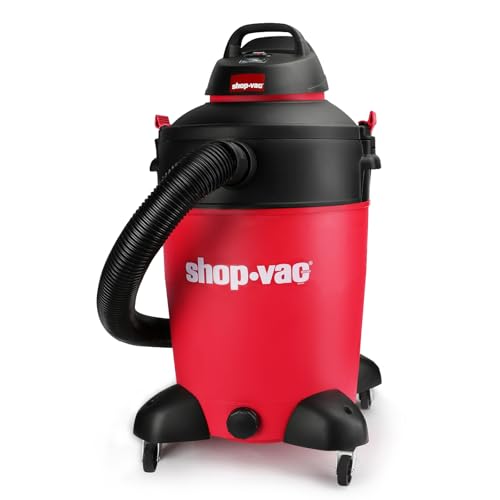
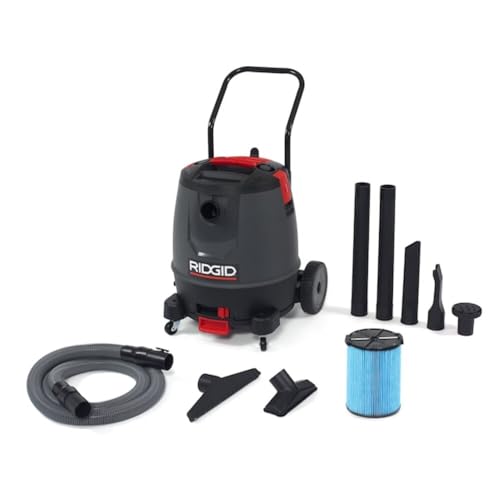
Who Should Buy a 16 Gallon Shop Vac?
Homeowners With Basements That Flood
When water comes in, volume is everything: a 16 gallon tank takes on a serious puddle before the float stops you, and a drain port lets you empty by hose instead of lifting. Repeated trips with a small vac stretch a stressful job across hours. If your basement, laundry room or garage floods even once a year, this class pays for itself in that single weekend. Pair it with a GFCI protected outlet, since wet pickup and household wiring are a risky mix.
Renovators and Serious DIY Households
Sanding, cutting and demolition produce dust and chunks faster than any small tank can swallow. A 16 gallon drum with filter bags handles drywall dust, sawdust and rubble across a whole room before emptying. The larger hose diameter also resists clogging on the debris that jams compact models. Households mid renovation will feel the difference in finished rooms per hour, not just in gallons.
Large Garage and Workshop Households
A two or three car garage, a workbench and a yard that sheds leaves into every corner generate weekly volume. A big vac parked in the corner with a long cord and hose reaches the whole space from one outlet. It also moonlights as the car and truck cleaner, since the tank swallows a full interior detail without a mid job dump. For quick daily spills it is overkill, which is exactly why many owners keep a compact vac upstairs as well.
Key Features to Compare
Motor Power, Airflow and Lift
Large shop vacs advertise about 5 to 6.5 peak horsepower, but the honest figures are airflow in CFM and sealed pressure, often called lift. Airflow around 100 CFM or more moves leaves, shavings and rubble quickly, while strong lift pulls water and embedded grit out of mats and cracks. A big tank does not create suction by itself; the same motor in a 12 gallon and a 16 gallon body performs nearly identically. Compare airflow and lift first, and treat peak horsepower as the least useful number on the box.
Tank Material and the Drain Port
Tanks come in plastic and stainless steel. Plastic is lighter and shrugs off dents, while steel looks tidy and resists punctures but adds weight you will notice on stairs. The feature that matters most is a bottom drain port: 16 gallons of water weighs about 130 pounds, far too much to tip into a sink safely. A threaded drain with a cap lets you run a garden hose to a floor drain or driveway. If a model lacks a drain port, plan on a separate pump or a lot of bucket trips.
Hose Diameter and Working Reach
Most 16 gallon vacs ship with a 2.5 inch hose about 7 feet long, and the wide bore is the point: it passes gravel, mulch and chunks that choke the 1.25 inch hoses on compact vacs. Check the total working reach, meaning cord length plus hose, against your garage depth and basement layout. Locking hose connections matter at this size, because a hose that pops off under a full load of wet leaves is a miserable cleanup inside your cleanup. Extension hoses exist, but every added length costs some suction.
Filtration for Fine Dust
A standard cartridge filter handles coarse debris, yet fine dust is where large vacs earn or lose their reputation. Disposable filter bags are close to essential for drywall, concrete and ash dust: they capture the fine fraction, protect the cartridge and keep suction steady across a long job. Some models accept upgraded fine dust or HEPA rated cartridges, which are worth it if the vac works in living spaces during a remodel. Price the bags for your model before buying, since a heavily used 16 gallon vac can go through several per project.
Casters, Handles and Moving a Full Tank
A full 16 gallon tank of water and sludge can exceed 140 pounds, so wheel quality decides whether the vac is a tool or an obstacle. Look for large rear wheels, rotating front casters that do not fold under load, and a sturdy top handle for tipping the unit over thresholds. A wide wheelbase also keeps the tall drum stable when the hose tugs sideways. Try the empty unit in store if you can: if it feels clumsy empty, it will feel dangerous full.
Blower Port and Accessory Storage
Many large vacs let you move the hose to an exhaust port and use the machine as a leaf and dust blower, which clears garage floors and patios fast. It is a genuinely useful second job for a machine this size. Onboard storage for the extension wands and nozzles sounds trivial, yet accessories that live on the vac actually get used, while accessories in a lost box do not. A cord wrap that releases quickly is another small detail you will appreciate at the end of every long session.
What 16 Gallons Really Holds: Weight, Space and Emptying
Nominal capacity flatters every vac: usable volume is lower because the float stops intake before the drum is truly full, and dry debris piles unevenly. In practice, expect roughly 12 to 14 gallons of water or mixed debris per run. The storage footprint is the other hidden cost, since a 16 gallon drum needs about the floor space of a large trash can plus room to tip it for cleaning. Households that only flood rarely can weigh that footprint against the smaller classes in our guide to the best small shop vac models. The right answer depends on your worst annual mess, not your average one.
Common Mistakes to Avoid
- Trying to lift and pour a full tank, which risks a back injury and a second flood on the stairs.
- Vacuuming drywall or concrete dust without filter bags, which blinds the cartridge and cuts suction fast.
- Picking up flammable liquids or hot ash, which can ignite vapors or embers inside the drum.
- Assuming a bigger tank means stronger suction, when motor airflow, not volume, sets cleaning power.
- Running wet pickup on a standard outlet without GFCI protection anywhere near standing water.
- Leaving wet debris sitting in the drum for days, which breeds mold and corrodes the motor mount.
How to Make Your 16 Gallon Shop Vac Last Longer
Rinse the drum after wet or gritty jobs and let it dry with the lid off, because a sealed damp tank grows mildew that the exhaust then spreads around the room. Clean or replace the cartridge filter on schedule, and always run bags for fine dust so the cartridge survives years instead of months. Inspect caster wheels and hose cuffs for cracks each season, since a split cuff leaks suction silently. Store the vac indoors with the cord loosely wrapped, never kinked around the handle under tension. Before each wet job, confirm the float swings freely and the drain cap seals, because a slow drain leak under a full tank is its own small flood. Finally, keep the exhaust blower port clear of stored accessories so the motor never runs starved of airflow.
FAQ
How much does a full 16 gallon shop vac weigh?
Water weighs about 8.3 pounds per gallon, so 16 gallons adds roughly 130 pounds to a machine that already weighs 25 to 30 pounds empty. Wet sand and sludge weigh even more per gallon. This is why a drain port matters so much on this size: draining by hose turns a two person lift into a one finger task, and it protects your back on every flood job.
Can a 16 gallon shop vac handle drywall dust?
Yes, but only with filter bags fitted and a fine dust cartridge in place. Bare filters clog within minutes on drywall sanding dust, and the escaping fine fraction coats the room you just cleaned. Bags capture most of the dust before it reaches the cartridge, keeping suction strong. Shake or swap bags often during sanding days, because a packed bag strangles airflow just like a clogged filter does.
Is a 16 gallon shop vac too big for cleaning cars?
It works well for cars if the hose reaches, and the big tank means a full interior detail never needs emptying. The trade off is maneuvering: the drum stays outside the vehicle, so a long hose or an extension is a real help. Many owners use the large vac for monthly deep cleans and a compact or the best cordless shop vac for quick weekly crumbs. Park the drum on flat ground so a hose tug cannot tip it against the paint.
Does a 16 gallon shop vac need a pump for basement water?
Not for shallow water. The vac plus its drain port handles puddles and an inch or two across a floor, draining through a hose to a lower point. For deeper or recurring flooding, a dedicated pump moves water continuously while the vac finishes the last film and debris. Think of the vac as the cleanup tool after bulk water is gone, not as your only line of defense. Never leave a running vac unattended in standing water.
How do you clean a 16 gallon shop vac after a dirty job?
Dump or drain the drum outside, rinse it with a hose, and scrub residue with a brush and plain water. Wash the foam sleeve if fitted, tap or rinse the cartridge per the manual, and let everything dry fully with the lid off. Wipe the float cage so grit cannot jam it. A clean, dry drum prevents the sour smell that otherwise greets you at the start of the next job.
Final Thoughts
Buy this size for your worst mess, not your average one: floods, renovation dust and big garages are where 16 gallons earns its floor space. Prioritize airflow, a drain port and bag based filtration over headline horsepower, and respect the weight of a full tank. Matched to the right home, the best 16 gallon shop vac turns the jobs you dread into an afternoon of steady progress. Check the product table above for the current contenders, and budget for a box of filter bags from day one.