
Best 6 Gallon Shop Vac for 2026: How to Choose the Right Size, Power and Filter
Disclosure: We may earn a commission when you buy through links on this page, at no extra cost to you. As an Amazon Associate I earn from qualifying purchases. Learn more

A 6 gallon shop vac splits the difference between compact and contractor sizes. Compare suction, filters, hose size and storage before you buy one.
A washing machine hose lets go at midnight and suddenly the laundry room floor holds two inches of water, a soaked rug, and a trail of grit tracked in from the garage. Jobs like that are exactly where a mid size wet and dry vacuum earns its space, and the best 6 gallon shop vac for your home is the one that handles both the flood and the everyday crumbs without taking over a whole closet. This size sits between the grab and go small models and the rolling contractor tanks, so it suits houses that need real capacity but still store the machine in a corner.
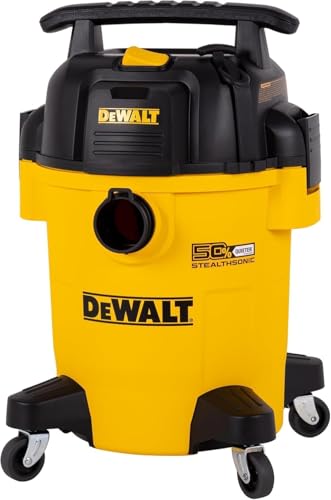
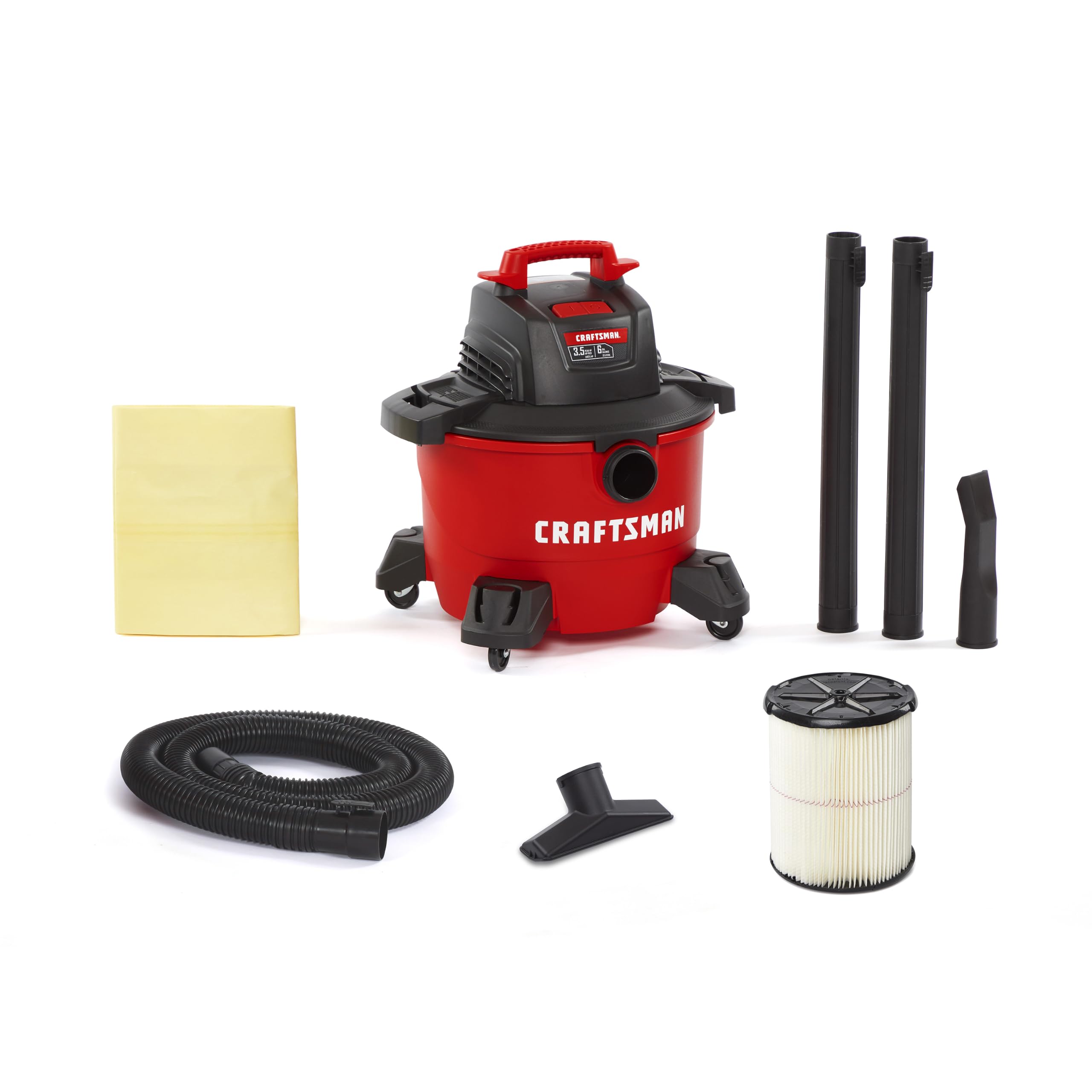
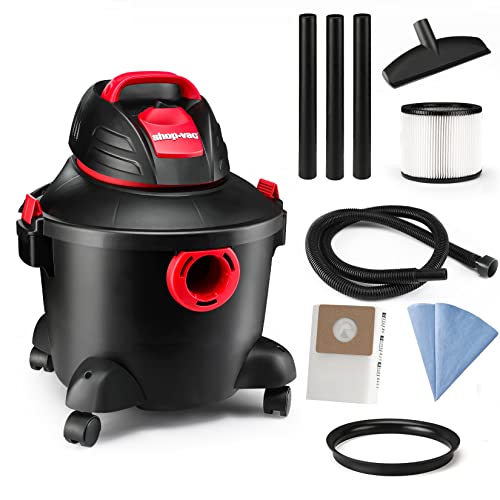
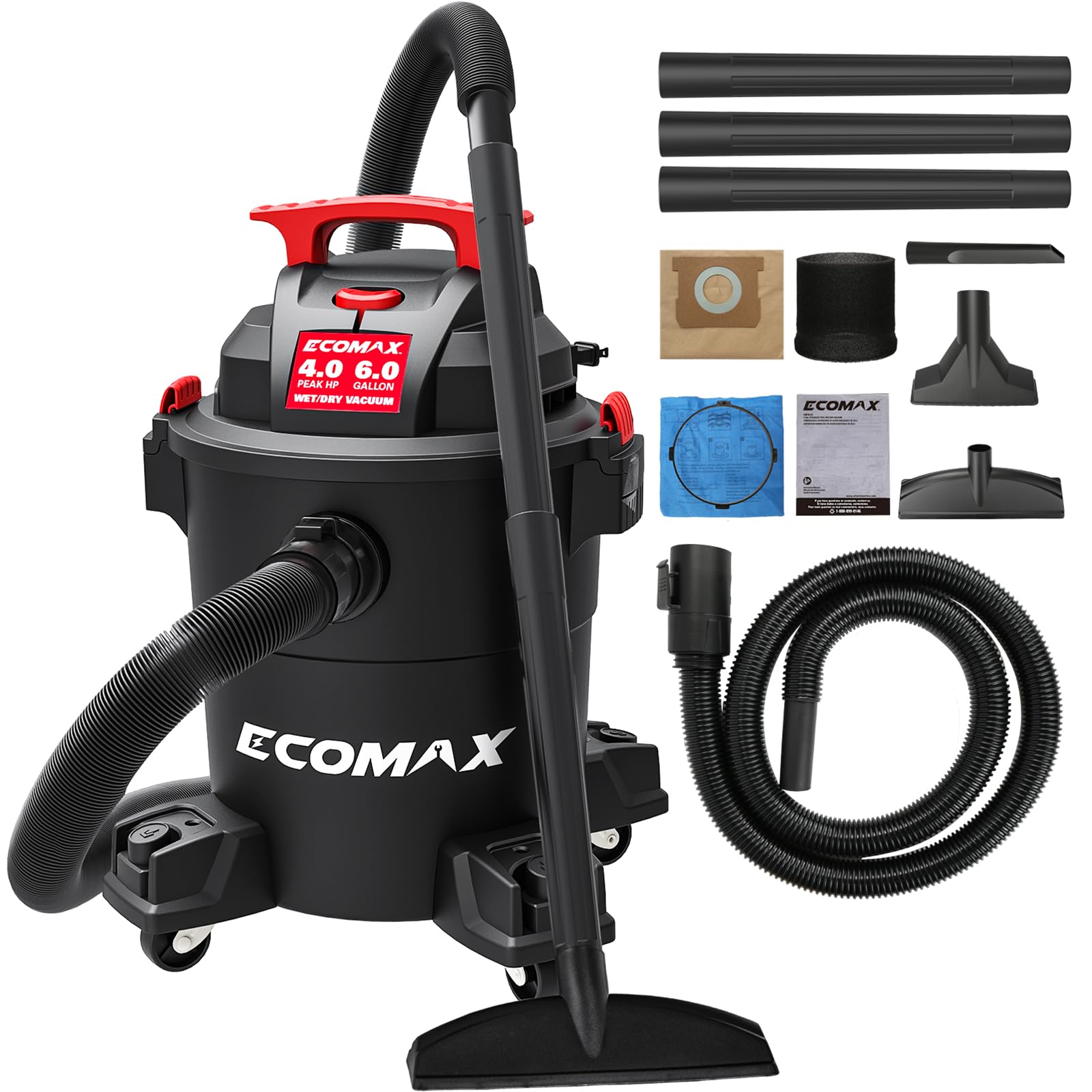
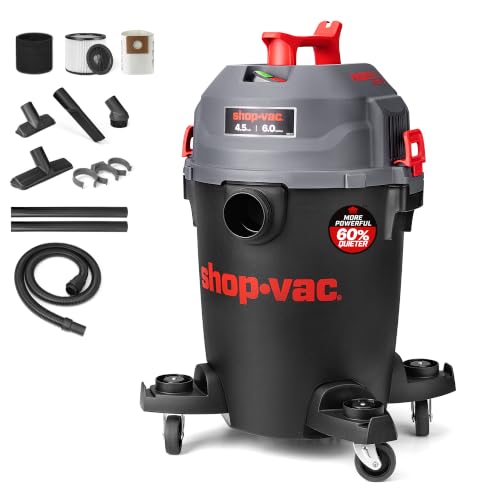
Below, this guide walks through who this size fits, the specs that actually change how fast a cleanup goes, and the upkeep that keeps suction strong for years. The comparison table below sums up the main classes side by side, so you can match a class to your messes before reading the details.




Who Should Buy a 6 Gallon Shop Vac?
Garage and Driveway Cleaners
If your weekends include sweeping out a two car garage, vacuuming floor mats, and clearing leaves that blow under the door, a 6 gallon tank means fewer trips to the trash can mid job. The wider hose on most models in this class swallows gravel, wood chips, and acorns that would choke a household vacuum. A longer cord and rolling casters matter here, because the work spreads across a big open floor.
Homeowners Who Get Wet Messes
Basements that weep after storms, water heaters that drip, and bathrooms with overflowing toilets all call for wet pickup, and a 6 gallon tank holds a meaningful amount of water before the float shuts the motor off. You get enough capacity to clear a spill in one or two passes instead of five. Look for a foam sleeve filter and a drain approach you can live with, since you will be emptying dirty water often.
Small Workshop Owners Short on Space
A compact workshop produces sawdust, offcuts, and drywall crumbs, but a 12 or 16 gallon tank eats floor space you do not have. The 6 gallon class parks under a bench or in a utility closet and still pairs well with a bench top saw or sander for dust collection. Fine dust filter bags are the key add on for this group, because they keep the cartridge filter from clogging during long sanding sessions.
Key Features to Compare
Suction Numbers That Actually Matter
Peak horsepower is a marketing figure based on a stalled motor, so it tells you little about cleaning speed. Compare airflow in CFM and sealed pressure, often called water lift, instead. Airflow moves loose debris like leaves and pet hair, while water lift pulls grit out of carpet pile and lifts water up the hose. Most vacs in this class land in a similar band, so a model with slightly lower airflow but a wider hose can still finish a garage faster. If a listing hides both numbers and leads with horsepower alone, treat that as a warning sign.
Tank Capacity and How You Empty It
The 6 gallon figure is the tank rating, and the usable space is a bit less because the filter cage and float take room at the top. For dry debris, that still means a full bag of potting soil or a weekend of shop scraps per fill. For wet jobs, plan to stop and empty sooner, since a full tank of water weighs about 50 pounds. Most models this size lack a drain port, so you lift and pour, which is manageable at 6 gallons and miserable at 16. Check that the latches feel solid, because a loose lid leaks suction and spills dust when you carry the tank.
Filtration Stages and Filter Bags
A standard setup layers a paper or synthetic cartridge filter over a foam sleeve, and that pairing handles coarse debris and liquids well. Fine dust is the weak point, because drywall and ash particles pack into the pleats and choke airflow within minutes. Disposable filter bags solve this by catching the fine material before it reaches the cartridge, and they also make emptying far less dusty, which matters if you clean indoors. Bag cost is a real running expense, so check the price of a multi pack for the exact tank size before you commit to a brand.
Hose Diameter, Length and Accessory Fit
Hoses in this class come in two common sizes, a narrow 1.25 inch line aimed at car interiors and tight corners, and a 2.5 inch line that passes chunky debris without clogging. Some models include both or offer an adapter, which is the flexible option if you detail cars and clear workshop scraps. Hose length controls how far you can work from the tank before dragging it along, and crush resistant hoses survive being stepped on in a busy garage. Confirm that the accessory set includes a utility nozzle, a crevice tool, and a wet nozzle with a squeegee edge, because buying those later adds up.
Wet Pickup Details Most Listings Skip
Wet performance depends on small parts. A float valve should rise with the water level and cut suction before water reaches the motor, and you should hear the pitch change when it trips. The foam sleeve protects the motor during wet work, and the paper cartridge usually needs to come out or be swapped before you vacuum liquids, so check how fast that change is. After wet jobs, the tank needs rinsing and air drying, or the next dry pickup will smell like a swamp. Models with smooth tank interiors rinse clean much faster than ribbed ones.
Cord Reach, Wheels and Storage Footprint
A cord in the 10 to 16 foot range, plus the hose, decides whether you can clean a whole garage from one outlet. Swivel casters that actually roll over expansion joints save real frustration, and a top handle balanced over the tank makes carrying up basement stairs safer. Measure your storage spot before ordering, because a 6 gallon tank with onboard accessory storage can be wider than the bare tank diameter suggests. Our hub guide to the best shop vac range shows how this footprint compares with the sizes above and below it.
Will a 6 Gallon Tank Fit Your Space and Your Messes?
Start with the mess you clean most. A single car garage with a workbench, a laundry room, and a car interior all fit comfortably in this class, and one machine can cover all three. If your regular jobs include cleaning a full basement after flooding or collecting dust from a cabinet saw all day, the tank will fill too fast and a larger class will save you time. Renters and condo owners often land here too, since the machine fits in a hall closet and still handles the balcony, the car, and the occasional spill.
Also think about the path the machine travels. A 6 gallon tank carries fine with one hand when empty and rolls easily when full of dry debris, but a full wet tank is a two hand lift, so basement stairs matter. If storage is the hard limit, compare this class against the picks in our guide to the best small shop vac models, which trade capacity for a much smaller closet footprint.
Common Mistakes to Avoid
- Choosing by peak horsepower alone, which leads to a loud machine that still moves debris slowly.
- Vacuuming water with the dry paper cartridge installed, which ruins the filter and can strain the motor.
- Skipping filter bags for drywall or ash, which clogs the cartridge and cuts suction within one job.
- Buying the narrow hose version for chunky garage debris, which clogs at the first handful of gravel.
- Leaving wet debris sitting in the tank, which grows mildew and makes every later job smell stale.
- Ignoring cord length, which forces constant outlet swaps and slows down big floor cleanups.
How to Make Your 6 Gallon Shop Vac Last Longer
Empty the tank after every wet job and leave the lid off until the inside dries, because trapped moisture is what corrodes the motor hardware and breeds odor. Rinse the cartridge filter with plain water when suction drops, let it dry fully before reinstalling, and keep a second cartridge so a damp one never goes back in. Tap the foam sleeve clean after dry work and wash it when it looks gray. Store the hose looped loosely rather than kinked over a hook, and park the machine indoors, since garage freeze and thaw cycles age the plastic tank and seals. Finally, keep spare bags on hand, because a machine with a fresh bag and a clean filter pulls like new for years.
FAQ
What size shop vac does a two car garage need?
A 6 gallon model suits most two car garages, since it holds a full sweep of grit, leaves, and mat dirt without an emptying break. Homes that also clean a workshop or a finished basement with the same machine may prefer the next size up. Frequency matters too, because a garage cleaned weekly never builds the volume that a seasonal deep clean does.
Can a 6 gallon shop vac pick up water from a flooded floor?
Yes, with the foam sleeve fitted and the paper cartridge removed or swapped as the manual directs. Work slowly so the float can keep up, and stop when the motor pitch rises, which signals the float has shut off suction at a full tank. For standing water deeper than an inch or two, scoop or pump the bulk first and let the vac handle the remainder.
How often should the cartridge filter in a 6 gallon shop vac be replaced?
With regular rinsing, a cartridge often lasts a year or more of home use, but fine dust jobs shorten that life fast. Replace it when suction stays weak after cleaning, when the pleats look torn or permanently gray, or when the vac blows dust back into the room. Using filter bags for dusty work stretches cartridge life several times over.
Does a 6 gallon shop vac work well for car detailing?
It can, especially with the narrow hose and a crevice tool for seat rails and door pockets. The tank stays outside the car while the hose reaches the footwells, which speeds things up compared with a handheld unit. Our guide to the best shop vac for car detailing covers the smaller, quieter setups built only for that job.
Is a cordless 6 gallon shop vac a good replacement for a corded one?
Cordless models shine for quick jobs like a spilled bag of soil or a single car interior, since there is no cord to unwind. Runtime drops fast on high suction, though, and wet pickup of a whole spill can drain a pack midway. Our roundup of the best cordless shop vac options explains where battery models match corded power and where they still fall short.
Final Thoughts
Size is the whole decision here. Match the tank to your biggest regular mess, judge power by airflow and water lift rather than horsepower claims, and budget for the bags and filters that keep suction honest. Do that, and the best 6 gallon shop vac for your home will cover the garage, the car, and the odd flood without crowding your storage. Compare the classes in the product table above once more before you order, and pick the filtration setup that fits the dust you actually make.


