
Best Bagless Cordless Vacuum for 2026: Bins, Cyclones and Filter Upkeep
Disclosure: We may earn a commission when you buy through links on this page, at no extra cost to you. As an Amazon Associate I earn from qualifying purchases. Learn more

Choose a bagless cordless vacuum by bin size, cyclone design and filter upkeep. See what bagless saves you in running costs and what it asks in return.
A bagless cordless vacuum trades the ongoing cost of bags for a clear bin you empty yourself, and that trade shapes everything about owning one. The best bagless cordless vacuum keeps its suction as the bin fills, empties without raining dust down the side of the trash can, and asks for filter care you will actually do. Models that fail on any of those three points feel cheap within a month, no matter how strong the first run felt.
This guide judges bagless sticks by the realities of the bin: capacity, separation design, emptying manners, and the true cost of filters over time. The comparison table below shows the common bin styles, and the sections after it explain how to pick between them for your floors and your messes.


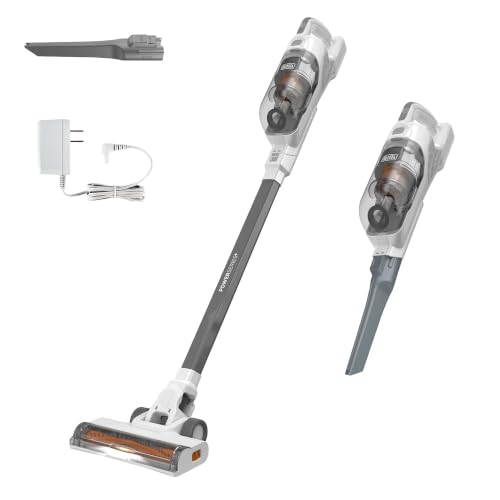
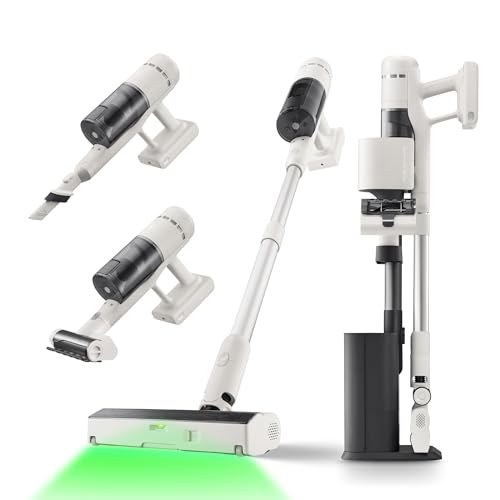
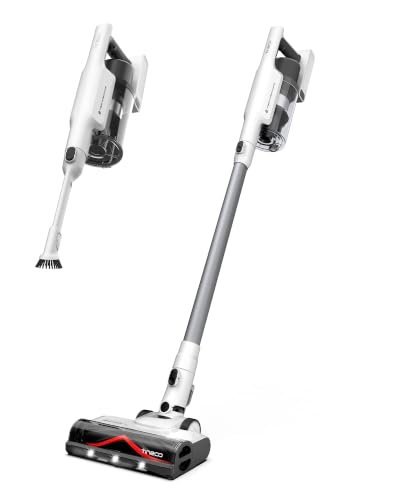


Who Should Buy a Bagless Cordless Vacuum?
Cost watchers who refuse subscription style upkeep
If the idea of buying bags forever bothers you, bagless removes that bill entirely. Your running costs shrink to filters and the occasional belt or brush part, which suits households that would rather do a little maintenance than keep consumables on a shopping list.
Frequent cleaners who like seeing what they picked up
The clear bin is oddly motivating: you can see the dust line rise, spot a lost earring or screw before it hits the trash, and know at a glance when the vacuum is full. Daily quick run households get the most from that visibility.
Small homes and apartments with modest debris loads
Bagless bins are small by design, which is fine when one bin covers the whole home. Compact spaces with hard floors and light carpet fill a bin slowly, so the frequent emptying that frustrates large pet homes barely registers here.
Key Features to Compare
Bin capacity and how full is too full
Stick vacuum bins usually hold about 0.3 to 0.8 liters, a small volume that surprises buyers coming from full size machines. Every bin has a max fill line, and passing it costs suction immediately, because debris starts blocking the cyclone intake. For a home over about 1,500 square feet or one with shedding pets, favor the largest bins or plan mid session emptying as part of the routine. Bin size also decides how often you handle dust, which is the hidden cost of the bagless choice, so weigh it as seriously as runtime.
Cyclone separation and suction that lasts
Cyclonic action spins debris out of the airstream before it reaches the filter, and the quality of that separation decides whether suction fades as the bin fills. Single cyclone designs are simple and cheaper but lean harder on the filter, while multi cyclone layouts keep finer dust away from it longer. You cannot see this difference in a store demo with an empty bin. Judge it by filter wash frequency in the manual: a design that needs monthly filter rinsing is telling you its separation is weaker than one rated for quarterly care.
Emptying mechanism and dust control
How a bin empties matters every single day. Bottom drop doors dump debris straight down when they work well, but hair wrapped on the internal shroud often needs a shake or a finger pull that nobody enjoys. Point and shoot sliding mechanisms that push debris out mechanically handle hair better and keep your hands cleaner. Whichever style you pick, empty the bin outdoors or into a bag lined trash can held deep around the bin, and do it slowly, because fast dumping is what creates the dust puff bagless critics complain about.
Filter type, washing, and replacement cost
Most bagless sticks rely on a foam or mesh pre filter plus a final cartridge filter, and at least one of them will need regular washing. Washable filters must dry fully, usually a full day, before going back in, or the vacuum smells musty and clogs faster. Check the price and availability of replacement filters before buying, since a discontinued filter can end a vacuum useful life. If dusty maintenance is your concern, compare with the wider best cordless vacuum class, which includes bagged alternatives that skip filter washing entirely.
Brush roll and floor head design
Bagless sticks span every floor type, so match the head to your surfaces. Soft rollers sweep hard floors without scattering debris, while stiff bristle bars dig into carpet pile but can scratch delicate wood finishes if used carelessly. Anti wrap combs and cutter designs reduce the hair scissor sessions that pet homes dread. For stairs and furniture, confirm the stick converts to a handheld and carries a crevice tool, because the bin design you chose will follow you into every one of those jobs.
Weight, balance, and bin placement
On most sticks the bin sits at the top with the motor, which puts the weight in your hand and wrist rather than on the floor. A full bin adds noticeable heft at the worst spot. Lighter models under about six pounds suit long sessions and overhead cobweb work, while heavier high capacity models clean faster on floors but tire arms sooner. If you can, hold the vacuum at shoulder height in the store; that check predicts your third month with it better than any spec.
Bagless Versus Bagged: The Honest Trade
Bagless wins on running cost and on never being caught without a fresh bag. Bagged wins on clean disposal, since a sealed bag leaves the house with its dust inside, and on filter life, because the bag does the first stage of separation. Allergy sensitive households often prefer sealed bags for disposal day, though a bagless bin emptied carefully outdoors narrows that gap a lot. Our best stick cordless vacuum overview covers both camps, while pet heavy homes should also weigh the best cordless vacuum for pet hair designs, since hair volume is what stresses a small bin most. Drivers who clean cars and stairs weekly may find a best handheld cordless vacuum covers the small jobs so the stick only handles floors.
Common Mistakes to Avoid
- Overfilling past the max line: packed bins choke the cyclone, blow dust into the filter, and cut suction for the rest of the session.
- Reinstalling a damp filter: a filter put back wet grows a musty smell and mats with dust, quietly strangling airflow for weeks.
- Emptying the bin indoors over an open trash can: the lightest dust rises straight back out, undoing the point of vacuuming for anyone sensitive to it.
- Ignoring brush roll hair until it mats: wound hair strains the head motor and scratches hard floors long before it stops the roll completely.
- Buying on suction numbers alone: headline power measured with an empty bin says nothing about performance at half full, where these vacuums live.
How to Make a Bagless Cordless Vacuum Last Longer
Empty the bin at the max line every time, not when suction already feels weak, and tap the bin gently against the trash can side to loosen the dust cake on the shroud. Wash filters exactly on the maker schedule, keep a spare dry filter if your household cannot wait a day for drying, and never run the vacuum with a torn filter, since grit then reaches the motor. Clear the brush roll weekly, check the bin seals for grit that prevents a tight close, and store the vacuum indoors away from garage dust and humidity. Treat the battery kindly by avoiding constant storage on a hot charger in a sunny spot, and the whole machine will hold its performance for years.
FAQ
Are bagless cordless vacuums worth it?
Yes for most homes, because the savings on bags are real and the cleaning performance matches bagged rivals when the bin and filter are maintained. The worth it answer flips only if you strongly dislike handling dust at emptying time or your household generates so much hair that a small bin needs dumping several times per session.
How do you empty a bagless cordless vacuum without a dust cloud?
Take the bin outside or hold it deep inside a trash bag before releasing the door, then open it slowly so debris falls rather than puffs. A light tap frees the rest. Doing this right after each big session, before the bin is packed tight, keeps the dust compacted and calmer than a bin left to overfill.
How often should you wash the filter of a bagless vacuum?
Follow the manual, but most designs want a rinse about once a month in regular use, and more often in pet homes. Let the filter dry completely, usually twenty four hours, before reinstalling it. If suction stays weak after washing and drying, the filter is likely loaded beyond recovery and should be replaced.
Does a bagless vacuum lose suction faster than a bagged one?
It loses suction differently. A bagless model holds power well until the bin passes its fill line or the filter clogs, and then it fades quickly. A bagged model fades gradually as the bag pores load. Owners who empty at the line and wash filters on schedule rarely notice a difference between the two in daily cleaning.
What bin size is enough for a whole home?
For hard floor apartments, the common smaller bins around 0.3 to 0.5 liters finish a full clean on one fill. Carpeted family homes with pets should look toward 0.7 liters or plan one mid clean emptying. Room count matters less than debris type, since one muddy entryway can fill a bin faster than three tidy bedrooms.
Final Thoughts
The best bagless cordless vacuum is the one whose bin, cyclone, and filter routine fit your habits: generous bin for big homes, gentle emptying for dust sensitive owners, and filters you can buy years from now. Use the product table above to compare bin styles, commit to the max line rule, and bagless ownership stays as cheap and simple as it promises to be.


