9 Best Commercial Grade Vacuum Sealers 2026 - Heavy-Duty Food Preservation & Packaging Guide
Disclosure: We may earn a commission when you buy through links on this page, at no extra cost to you. As an Amazon Associate I earn from qualifying purchases. Learn more

Preserving bulk meats, seasonal harvests, and delicate culinary creations requires equipment that goes far beyond standard consumer packaging devices. For home chefs, hunters, homesteaders, and busy families across the country in 2026, investing in the Best Commercial Grade Vacuum Sealers is the most reliable way to lock in peak flavor, prevent freezer burn, and cut down dramatically on annual food waste. When processing dozens of pounds of fresh game or packaging moisture-heavy foods like soups, stews, and seasoned cuts, entry-level appliances frequently overheat, lose suction, or fail to produce an airtight thermal bond. Heavy-duty packaging machines eliminate these bottlenecks with continuous-duty cooling fans, high-capacity dual pumps, reinforced stainless steel housings, and widened heat bars engineered for uninterrupted workflow.
In this updated buyer resource, we evaluated 9 industry-leading machines from premier manufacturers like MAGIC SEAL, BeeliciousPro, and VESTA. Whether you need a compact double-seal powerhouse for weekly family meal planning or an advanced chamber system capable of processing liquids with zero spillage, our breakdown covers real-world suction power, thermal recovery times, and long-term durability. Read on to discover which commercial packaging setup best matches your kitchen demands and food preservation goals for October 2026.





Best Commercial Grade Vacuum Sealers Buying Guide
Selecting a professional food packaging system requires looking beyond simple aesthetic appeal. Commercial food prep environments and high-volume home kitchens demand consistent vacuum pressure, heavy-duty thermal elements, and adaptable controls. Below, we examine the primary technical factors you should evaluate before choosing your next machine.
1. Chamber Systems vs. External Suction Mechanics
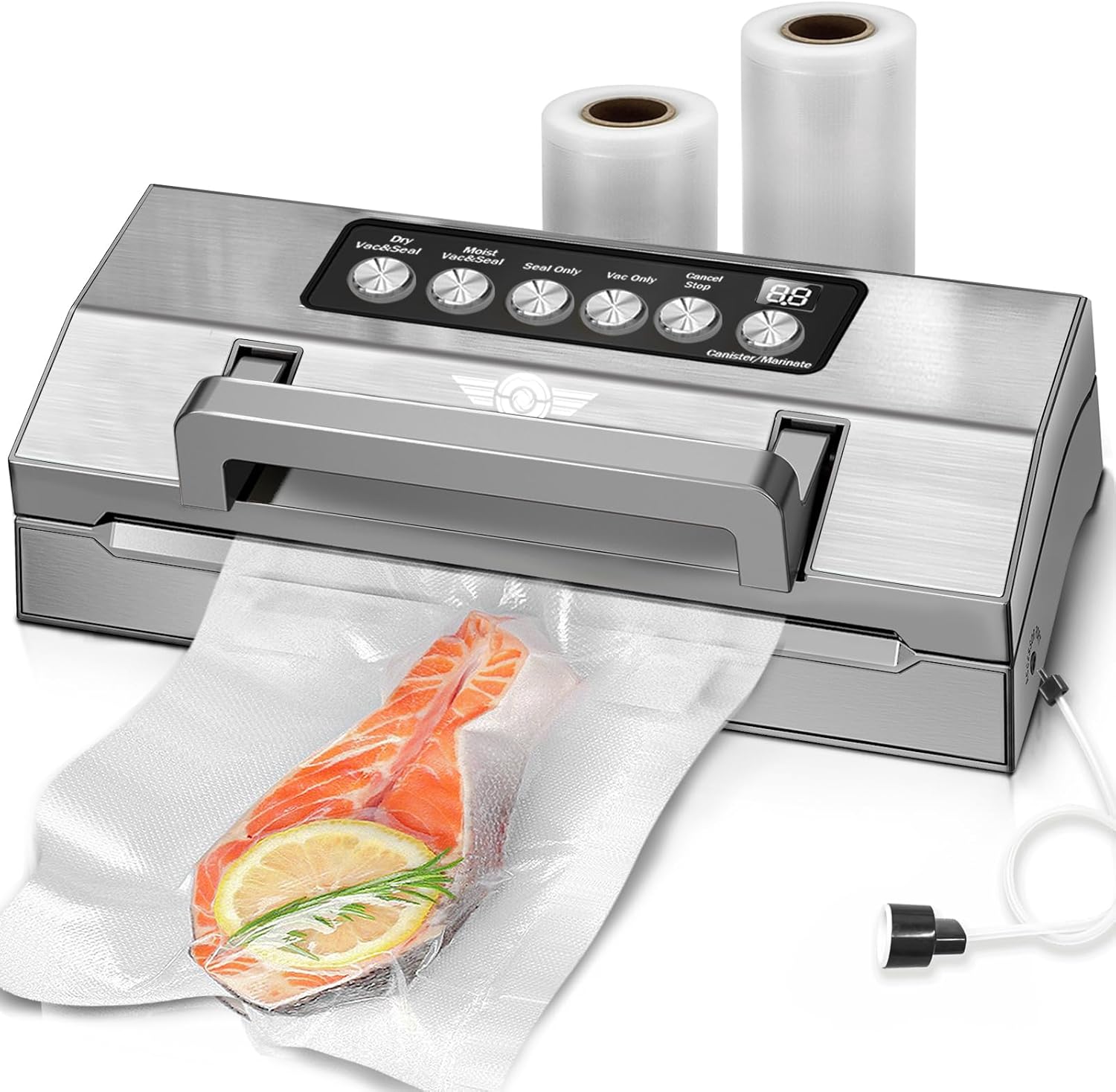
The fundamental distinction among professional sealing appliances lies between chamber machines and external suction units. External suction sealers, such as the Weston Pro-2300 Vacuum Sealer Machine for Food and the MAGIC SEAL 16'' Commercial Vacuum Sealer, clamp down on the open edge of an embossed bag and draw air directly outward. While fast, compact, and capable of handling long cuts of meat, they naturally pull free-flowing liquids toward the sealing bar, requiring careful monitoring when handling wet proteins or saucy marinades.
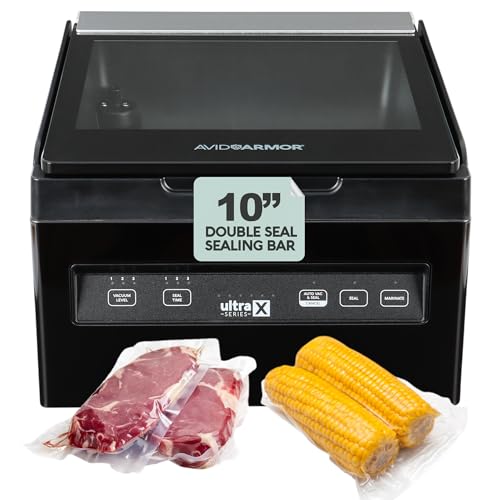
In contrast, chamber sealers like the DualCore CVS101 Chamber Vacuum Sealer for Liquids and the Vesta Precision 12” Chamber Vacuum Sealer place the entire pouch inside an internal vacuum cavity. Because the air pressure drops uniformly both inside and outside the bag simultaneously, liquids do not boil over or get sucked into the motor. This makes chamber technology the gold standard for packaging broths, gravies, cocktail infusions, and heavily marinated meats without messy spills or compromised seals.
Chamber units also offer massive long-term savings because they work seamlessly with inexpensive, smooth commercial pouches rather than requiring textured, channeled bags. If you package hundreds of pounds of food each year or regularly sous vide liquid recipes, a chamber machine quickly pays for itself in bag economy and operational convenience.
2. Vacuum Pump Strength, Airflow Velocity, and Motor Power
Vacuum extraction speed and depth are dictated by pump engineering. Standard household sealers often top out at modest negative pressure, leaving tiny pockets of oxygen that accelerate enzymatic browning and ice crystallization. In contrast, commercial-grade systems deliver between 95 kPa and -100 kPa (equivalent to 28 inHg of negative suction), evacuating up to 99 percent of ambient air in a matter of seconds.
Motor wattage directly impacts how quickly the machine pulls down a large bag. The Weston Pro-2300 Vacuum Sealer Machine for Food leads this category with a massive 1020-watt motor that drives a double-piston pump, providing rapid air evacuation for heavy-duty kitchen prep. Meanwhile, multi-pump systems such as the 4-dry-pump layout on the DualCore CVS101 Chamber Vacuum Sealer for Liquids provide immense vacuum velocity without demanding oil changes or complex mechanical servicing.
When reviewing motor specifications, check whether the pump is oil-free or oil-lubricated. Dry piston pumps provide clean, maintenance-free reliability for busy households, whereas rotary oil pumps are typically reserved for industrial meatpacking facilities that require round-the-clock operation.
3. Seal Bar Width, Length, and Double Heat Thermal Security
A vacuum is only as reliable as the heat weld holding it together. Standard consumer appliances typically utilize a narrow 2mm to 3mm single heat wire that can fail if a droplet of oil or liquid touches the sealing line. Commercial machines address this vulnerability by expanding the seal width to 5mm or 8mm, or by deploying dual parallel heating elements.
Units like the Precision Vacuum Sealer For Food and the Powerful Commercial Vacuum Sealer Machine feature widened dual-heat strips, while the MAGIC SEAL MS300 Dual Mode Vacuum Sealer uses an extra wide 8mm seal bar. This creates an airtight secondary barrier, ensuring that even if grease or liquid creates a microscopic gap in the first heat line, the second thermal track prevents air ingress and preserves freezer life.
Seal bar length is equally vital when processing large cuts of beef, venison quarters, or whole sides of salmon. The MAGIC SEAL 16'' Commercial Vacuum Sealer and MAGIC SEAL 16'' Commercial Vacuum Sealer Machine offer extra-wide 16-inch bars with substantial 8mm seal widths, allowing users to seal oversized bags or batch-seal two smaller pouches side by side in a single operation.
4. Continuous Duty Cycles and Thermal Fan Cooling
The single most frustrating limitation of standard kitchen sealers is the mandatory 20 to 40-second cooling pause between cycles. If you are breaking down a 50-pound purchase of bulk chicken breasts or packaging a full day's hunting harvest, waiting for a basic heating element to cool down turns a quick task into an all-day chore.
True commercial-grade packaging equipment integrates active cooling fans and aluminum thermal heat sinks. The MAGIC SEAL 16'' Commercial Vacuum Sealer and MAGIC SEAL 16'' Commercial Vacuum Sealer Machine are engineered to handle up to 450 consecutive packaging cycles without overheating. Similarly, the MAGIC SEAL MS300 Dual Mode Vacuum Sealer adds an automatic cooling fan for continuous, repetitive use, supporting non-stop, rapid batch processing.
5. Moisture Management, Drip Detection, and Liquid Handling
Handling moisture-rich proteins, brined roasts, and fresh vegetables requires specialized engineering. When vacuuming wet foods with an external clamp-style sealer, moisture gets drawn toward the suction channel. Without proper containment, liquids can foul the internal motor or prevent a solid thermal weld.
Modern commercial units feature smart moisture management systems. The Powerful Commercial Vacuum Sealer Machine incorporates intelligent full-water detection sensors with LED indicator lights that alert you when the removable drip tray needs emptying. For delicate foods, manual modes like those on the MAGIC SEAL MS300 Dual Mode Vacuum Sealer let you control vacuum pressure and sealing time, stopping suction just before delicate bakery items crush or before excess juices leave the bag.
For dedicated chamber units like the Vesta Precision 12” Chamber Vacuum Sealer, messy marinades are managed effortlessly via a deep 3.7-inch well and a patented CleanTray that lifts out instantly for quick sanitization at the sink.
6. Bag Versatility, Mylar Compatibility, and Retractable Nozzles
Different packaging scenarios call for specific bag materials. While textured rolls remain standard for external clamping sealers, long-term emergency food storage frequently relies on heavy-duty aluminum Mylar bags, and chamber cooking relies on smooth polypropylene and nylon pouches.
Models like the MAGIC SEAL 16'' Commercial Vacuum Sealer Machine bridge these categories by offering both chamber/nozzle and external clamping modes. Its motorized retractable nozzle allows users to pull vacuum on smooth pouches, heavy Mylar bags, and textured rolls alike. Additionally, dual-zone machines like the DualCore CVS101 Chamber Vacuum Sealer for Liquids allow you to seal smooth bags inside the main 6-liter chamber while using its independent lower platform for extra-long external rolls.
7. Structural Build Quality, Stainless Steel, and Food Safety Standards
Commercial kitchen equipment must endure rough handling, corrosive food acids, and repeated sanitization routines. Flimsy plastic latches are the most common point of mechanical failure on budget sealers. Look for machines built around rigid metal frames, one-handed locking handles, and stainless steel housing.
The MAGIC SEAL 16'' Commercial Vacuum Sealer features full 304 food-grade stainless steel construction inside and out, resisting grease, rust, and bacterial harboring. Units like the Vesta Precision 12” Chamber Vacuum Sealer pair heavy steel chassis with damped soft-close tempered glass lids, preventing slamming, protecting fingers, and providing a crystal-clear view of the vacuum cycle as it unfolds.
| Model | System Type | Suction Rating | Seal Width / Bar Length | Continuous Seals | Best Primary Application |
|---|---|---|---|---|---|
| DualCore CVS101 Chamber Vacuum Sealer for Liquids | Dual-Zone Chamber | -100 kPa | 12-inch Dual Seal | Heavy Daily Duty | Soups, Sauces, Sous Vide, Wet Batching |
| Weston Pro-2300 Vacuum Sealer Machine for Food | External Double-Piston | 28 inHg | 15-inch (5mm wide) | Fan-Cooled Continuous | Bulk Meat Processing, Game Harvesting |
| Vesta Precision 12” Chamber Vacuum Sealer | Smart Chamber | Variable Deep Vac | 12-inch Washable | Commercial Grade | Smart Auto-Sensing, Liquids, Jars |
| MAGIC SEAL 16'' Commercial Vacuum Sealer | 304 Stainless External | 95 kPa (400W) | 16-inch (8mm wide) | 450+ Non-Stop | Whole Salmon, Briskets, Heavy Catering |
| MAGIC SEAL MS300 Dual Mode Vacuum Sealer | Dual Mode (Chamber / Nozzle) | 190W Double Pump | 12-inch (8mm wide) | Fan-Cooled Continuous | Mylar and Textured Bags, Freeze-Dried Storage |
| MAGIC SEAL 16'' Commercial Vacuum Sealer Machine | Retractable Nozzle / Hybrid | 250W Double Pump | 16-inch (8mm wide) | 450 Consecutive | Mylar Storage, Smooth Bags, Delicate Foods |
Our Research Methodology & Why You Can Trust Us
To establish our definitive recommendations for the Best Commercial Grade Vacuum Sealers, our team conducted an exhaustive analysis of commercial food preservation equipment. We evaluated 9 leading appliances across critical performance vectors: ultimate negative vacuum pressure (measured in kPa and inHg), thermal recovery cycles, continuous duty run-times before thermal shut-off, seal tensile strength, and liquid containment efficiency. Rather than relying solely on marketing claims, we cross-referenced technical schematics, heating wire resistance ratings, pump motor displacements, and long-term user feedback patterns from commercial kitchens, butcher shops, and high-volume homesteaders.
We examined how each system performs across diverse real-world culinary scenarios: vacuum-marinating tough cuts of flank steak, packaging fragile baked goods without crushing, sealing high-moisture stews, and batch-packaging seasonal garden harvests. We also scrutinized the accessibility of consumable replacement parts, including silicone lid gaskets, Teflon heat tape strips, replacement heating elements, and drip reservoirs, ensuring your machine remains fully operational for years of rigorous service.
Our buyer guides are maintained with editorial objectivity. We continuously track changes in manufacturing quality, firmware revisions, and user sentiment across MAGIC SEAL, BeeliciousPro, and VESTA to provide verified, up-to-date guidance every October 2026.
Final Thoughts
Investing in a heavy-duty packaging system transforms how you shop, prep, and preserve food. For cooks who prioritize pure versatility, superior liquid management, and low ongoing bag costs, our top overall recommendation is the DualCore CVS101 Chamber Vacuum Sealer for Liquids. Its 6-liter internal chamber, -100 kPa negative suction force, four oil-free dry pumps, and independent external sealing zone give you complete culinary freedom, from marinating proteins in minutes to sealing Mason jars and large freezer pouches.
If you primarily process large primal cuts of meat, whole sides of fish, or seasonal deer harvests, the Weston Pro-2300 Vacuum Sealer Machine for Food and the MAGIC SEAL 16'' Commercial Vacuum Sealer stand out as elite heavy-duty performers. The Weston brings an astounding 1020 watts of fan-cooled power to rapidly process bulk meats, while the all-304 stainless steel MAGIC SEAL offers an ultra-wide 16-inch bar with an 8mm seal that effortlessly withstands over 450 continuous seals.
For home cooks seeking exceptional commercial features at an accessible price point, the Precision Vacuum Sealer For Food delivers tremendous value with its 95 kPa dual-pump suction, 17mm double-seal protection, and integrated roll storage, while the MAGIC SEAL MS300 Dual Mode Vacuum Sealer steps up to chamber and nozzle modes for textured and smooth Mylar bags. Meanwhile, if you want intelligent automation, the Vesta Precision 12” Chamber Vacuum Sealer takes all the guesswork out of cycling times with its patented SmartVac volume detection.
Frequently Asked Questions
What makes a vacuum sealer commercial grade compared to standard household models?
Commercial-grade sealers are defined by heavy-duty dual-piston or dry chamber pumps pulling 95 kPa to -100 kPa, active fan-cooled motors that allow hundreds of continuous seals without resting, widened heating elements (5mm to 17mm double seals), and rugged stainless steel or reinforced housings. Standard household sealers typically feature smaller plastic pumps, lack active cooling fans, and require cooling breaks every 1 to 2 cycles.
Can external clamp vacuum sealers safely seal soups and liquid marinades?
External clamp sealers can seal moist foods, but pure liquids are challenging because suction pulls liquid toward the heat bar. To seal liquids with an external unit, use manual pulse modes to stop suction before liquid reaches the seal line, pre-freeze soups into solid blocks before sealing, or choose a machine with an external hose port for vacuum canisters. For effortless liquid sealing without pre-freezing, a chamber machine is strongly recommended.
Why are chamber vacuum sealers more expensive, and do they save money over time?
Chamber sealers require heavy-duty pressure-rated cavities, robust pumps, and precision engineering, resulting in a higher upfront investment. However, they use inexpensive smooth commercial pouches that cost a fraction of the price of specialized textured bags. If you package significant quantities of food each year, the bag savings alone often offset the machine cost within two to three years.
What is the advantage of a double heat seal or an 8mm seal bar?
Standard household seal bars are only 2mm to 3mm wide, making them vulnerable to tiny pinhole leaks if grease, bone fragments, or liquid drops touch the seal zone. An 8mm wide seal bar or a dual-track double heat seal creates a much wider, reinforced thermal bond that maintains an airtight vacuum even under imperfect, moisture-rich packaging conditions.
Can commercial vacuum sealers package dry goods in Mylar bags for long-term storage?
Yes, but you need a sealer capable of accommodating smooth, non-textured Mylar material. Retractable nozzle machines like the MAGIC SEAL 16'' Commercial Vacuum Sealer Machine or chamber systems can vacuum and seal Mylar bags seamlessly, providing light-blocking, oxygen-free preservation for grains, legumes, and emergency food supplies in 2026.
How do I clean and maintain my commercial vacuum sealer for long-term reliability?
Always wipe down the stainless steel chassis with warm, soapy water and dry thoroughly after processing meats. Empty and sanitize the removable drip tray after every session, inspect the silicone lid gaskets for cracks or compression wear, and keep the Teflon heat-tape strip clean of burnt plastic residue. Replacing worn gaskets and Teflon strips periodically keeps suction power and seal integrity at factory specifications.