
Best Commercial Upright Vacuums (2026): What to Compare Before You Buy
Disclosure: We may earn a commission when you buy through links on this page, at no extra cost to you. As an Amazon Associate I earn from qualifying purchases. Learn more

Choose the best commercial upright vacuum by cleaning path, cord length, bags and durability, with running costs and mistakes to avoid at work.
A housekeeping team does not have time to baby a vacuum. The machine gets dragged down hallways, bumped into door frames, run over its own cord and pushed across acres of carpet by people who did not pay for it. The best commercial upright vacuum for a workplace is therefore not the one with the longest feature list, but the one that keeps cleaning after months of rough handling, with parts a manager can replace in minutes rather than weeks.
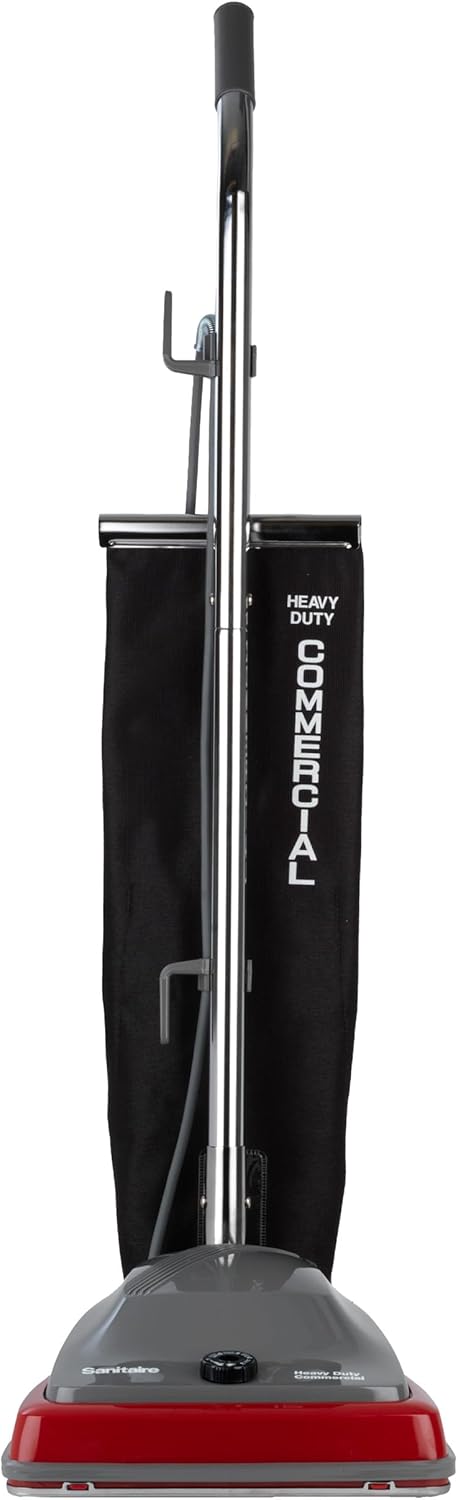
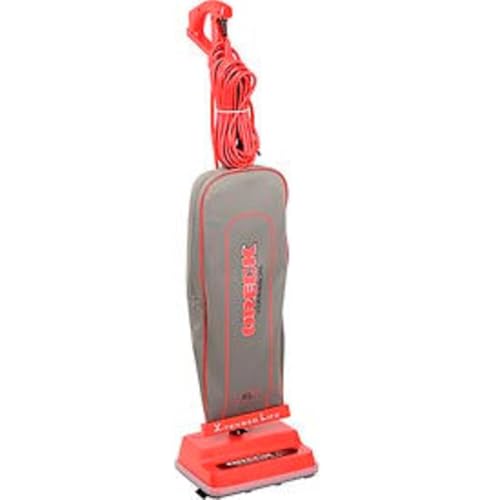
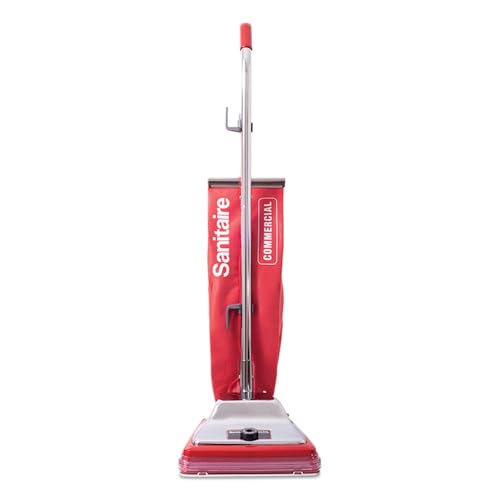
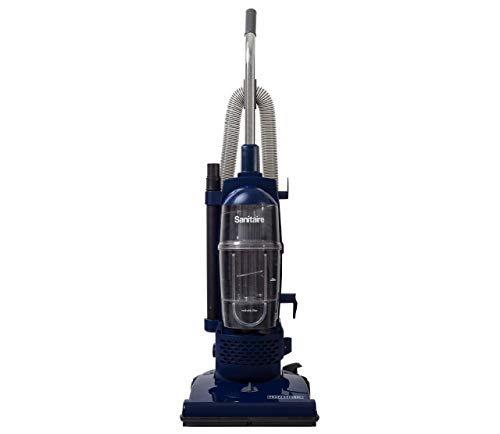
Commercial uprights differ from household models in cord length, bag capacity, belt design and how easily they come apart for service. This guide covers the groups that buy them, the specifications that predict survival on the job, and the running costs that decide the real price. The comparison table below sets the main formats side by side.





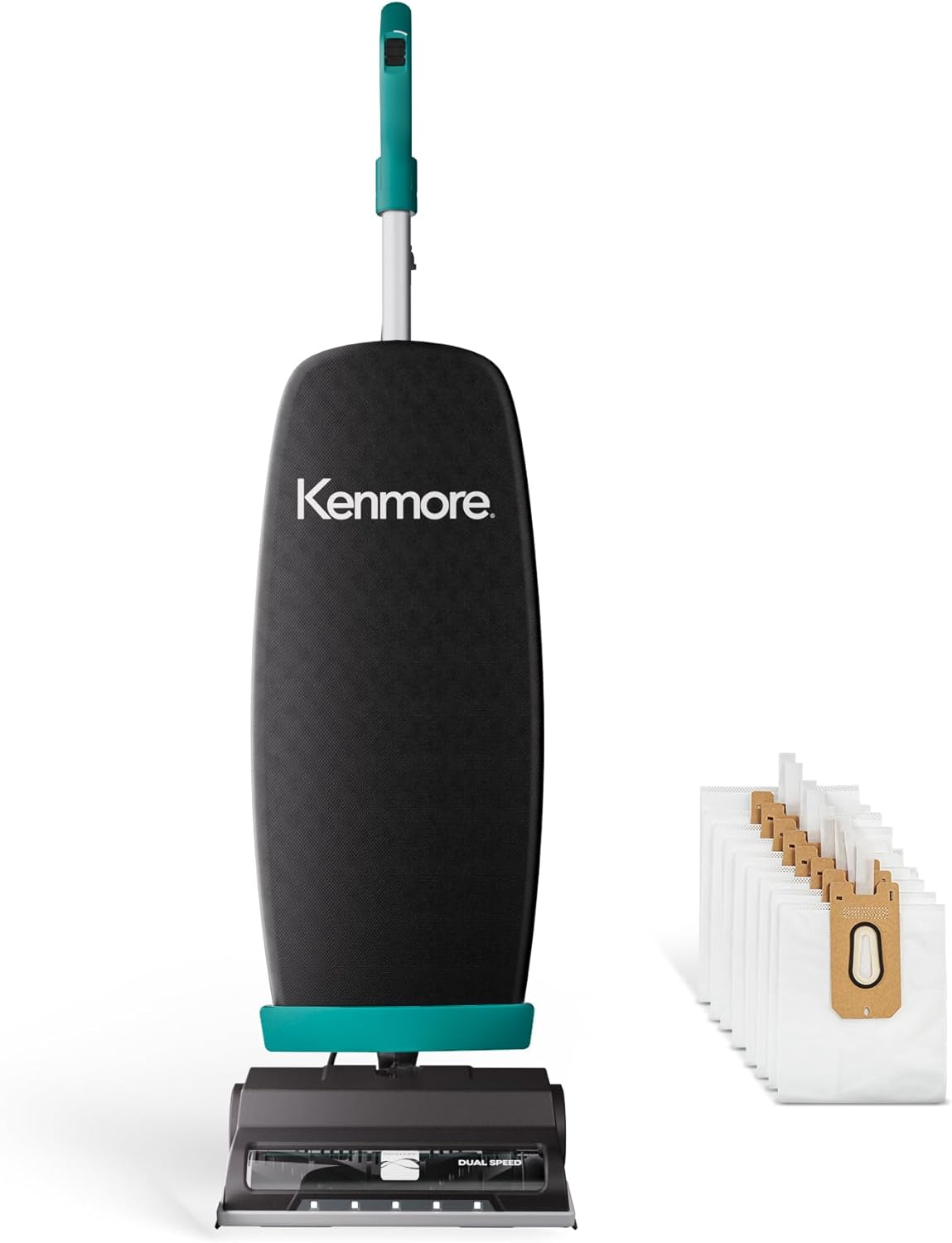
Who Should Buy Which Commercial Upright Vacuum?
Cleaning companies and janitorial crews
If the vacuum rides in a van and works several sites a night, durability and repair speed outrank everything else. Choose a model with a replaceable cord, a belt you can swap without tools or with one screwdriver, and a housing that tolerates drops. Crews also need a wide cleaning path to finish large open floors quickly, and bags big enough that a shift ends without a mid job change. Standardize on one model across the fleet if you can, because shared bags, belts and filters simplify stocking enormously.
Offices, churches, schools and retail spaces
Facilities with one or two vacuums need reliability with less daily abuse. A midweight upright with good filtration suits carpeted offices where staff work nearby during the day, so noise level matters too. Look for a long cord that covers a classroom or a sanctuary from one outlet, and a bumper that protects furniture and woodwork. These buyers should also read our general guide to the best upright vacuum categories to see where commercial models overlap with premium household ones.
Landlords, hotels and property managers
Turnover cleaning is a race: the vacuum must handle glitter, pet hair, sand and whatever else the last guest left, then go back in a closet. Pet friendly rentals make hair pickup a real test, and our guide to the best upright vacuum for pet hair covers the brush designs that cope best. Managers should favor models with cheap, widely stocked bags and filters, because the vacuum will be serviced by whoever is on shift, not by a specialist.
Key Features to Compare
Cleaning path width and head design
Commercial uprights clean a path of about 12 to 16 inches per pass. Wider heads finish open carpet faster but steer worse around desks, pews and display racks, and they weigh more at the handle. Edge cleaning matters in real buildings: a head that picks up along baseboards saves a second pass with a crevice tool. Check how low the head profile sits, because offices are full of furniture that a tall vacuum simply cannot reach under.
Cord length and cord management
A 30 to 50 foot cord is the signature commercial feature, letting staff cross a whole floor without hunting for outlets. More important than length is what happens when the cord gets cut or crushed, which it will. Models with a pigtail and a replaceable extension cord turn that accident into a ten dollar fix, while a hardwired cord means a service visit. Strain relief where the cord meets the handle decides how many flex cycles it survives. Train staff to coil the cord loosely and never to yank it from the outlet by the cable, the two habits that kill cords fastest.
Bag capacity and the bagged versus bagless choice
Big bags are the commercial default for a reason: they hold several quarts of debris, filter the air as they fill, and change out in seconds with little dust escaping. Our guide to the best bagged upright vacuum explains the filtration benefits in detail. Bagless commercial models exist and avoid the bag bill, covered in our best bagless upright vacuum guide, but emptying a bin in a client's lobby is slower and messier, and filters clog faster under daily loads. Run the numbers on bag cost per month before deciding the bagless route actually saves money.
Belts, brush rolls and service access
The belt is a wear part by design, snapping to protect the motor when the brush jams on a shoelace or a rug fringe. Flat belts stretch and slip sooner; geared or cogged belts last longer and hold brush speed under load. What matters most is access: a bottom plate that opens with coin latches or two screws lets a supervisor restore the vacuum mid shift. Brush rolls with replaceable end caps and available bearings stretch the service life of the whole head. Ask how much a brush roll costs before you buy, because on some models it is a third of the machine's price.
Filtration for shared indoor spaces
Offices and schools care about what the vacuum puts back into the air, because cleaning often happens while people are present. Multi layer bags do most of the filtering work on commercial machines, and some add a secondary foam or HEPA rated exhaust filter. That combination keeps visible dust down and reduces the film that settles on desks after vacuuming. It is not a medical intervention, and facilities managing asthma concerns should set cleaning schedules with their health advisors, ideally vacuuming shared rooms when they are empty.
Weight and build materials
Commercial uprights range from about 12 pounds in magnesium or reinforced plastic to over 20 pounds in metal heavy designs. Weight is fatigue: a crew pushing a vacuum for four hours feels every pound, and a lighter machine with a slightly narrower head often finishes the route faster. Metal fan chambers and aluminum wands survive drops that crack thin plastic, but plastic housings absorb impacts without bending. Match the build to the handler: trained in house staff can use lighter machines, while rotating contract crews justify the armor.
Bagged or Bagless for Commercial Work?
For most workplaces the answer is bagged, and the deciding factor is downtime rather than suction. A bag change takes under a minute, seals the dirt inside, and resets filtration to new condition in the same motion. Bagless machines ask staff to empty a bin, knock dust off a shroud and wash filters on a schedule nobody remembers, and each skipped wash quietly cuts cleaning power for the next user. Bagless can still suit a small owner operated business where one careful person does all the cleaning and the bag savings are real money. Either way, post a simple maintenance card on the storage closet wall listing bag type, belt type and the date of the last filter check, because shared machines fail from forgotten basics, not from bad engineering.
Common Mistakes to Avoid
- Buying a household upright for daily commercial routes, so the cord, belt and wheels wear out within a season.
- Ignoring bag and belt prices when comparing machines, then paying the difference many times over in supplies.
- Letting the bag fill completely before changing it, which strains the motor and leaves carpet half cleaned.
- Running over the cord repeatedly until the insulation splits, creating a shock hazard for the next operator.
- Skipping a spare parts kit, so a two dollar belt failure idles a vacuum for a week.
- Choosing the widest head for a cluttered floor plan, where a narrower machine would finish faster with less furniture moving.
How to Make Your Commercial Upright Vacuum Last Longer
Assign the vacuum a weekly ten minute check: bag level, belt tension, brush roll hair buildup, cord damage and wheel wear. Clear the brush roll before hair works into the end caps, and replace belts at the first sign of a burning rubber smell or a slowing brush. Keep one spare bag pack, two belts and a brush roll in the same closet as the machine. Log service dates on a tag tied to the handle, so every operator can see the machine's history at a glance. Store it with the cord loosely coiled and the handle locked upright, out of damp mop closets where moisture corrodes the motor.
FAQ
Are commercial upright vacuums worth it for a small office?
Yes, if the office is carpeted and cleaned at least twice a week. The longer cord alone removes the outlet shuffle that makes staff rush, and the serviceable design means the machine survives years instead of being replaced after a belt or cord failure. A very small office cleaned weekly may do fine with a household model, but the price gap is smaller than most buyers expect.
How do you clean a commercial upright vacuum?
Change the bag, wipe the bag chamber, and check the post motor filter for dust loading. Open the bottom plate, clear the brush roll of string and hair, and inspect the belt for glazing or cracks. Wipe the head and wheels, since gritty wheels scratch hard floors at the edges of carpeted areas. The full routine takes about fifteen minutes and restores most lost suction.
How long does a commercial upright vacuum last?
A well kept commercial upright typically works five to ten years in daily service, far longer than household machines used the same way. Belts, bags and filters are consumables within that life, and a brush roll or cord replacement around the middle years is normal rather than a sign of failure. Machines die early from clogged filters overheating the motor, so the maintenance log matters more than the brand badge.
Is an upright vacuum better than a canister for commercial cleaning?
For open carpet, the upright wins on speed because the brush and suction travel together in one pass. Canisters with power nozzles suit stairs, upholstery and mixed hard floors better, and backpacks cover crowded spaces. Many cleaning companies run uprights for the floors and one canister for detail work. The choice is about the floor plan, not about one format being universally superior.
Final Thoughts
Judge commercial machines by the cost and effort of keeping them running: cord design, belt access, bag price and filtration discipline. Match the head width to your furniture, the weight to your staff, and keep a small parts kit beside the machine. With the formats in the product table above as your reference, the best commercial upright vacuum for your building is the one your team can maintain without thinking about it.


