Best Upright Vacuums (2026): 3 Picks That Actually Get It Clean
Disclosure: We may earn a commission when you buy through links on this page, at no extra cost to you. As an Amazon Associate I earn from qualifying purchases. Learn more

Three picks for the best upright vacuum, plus how to compare bagged and bagless designs, filtration, brushrolls and costs.
Cordless stick vacuums get the headlines, but for homes with lots of carpet, pets or allergy sufferers, an upright vacuum is still the most powerful and dependable everyday cleaner. Uprights combine strong suction, wide cleaning heads and large dust cups or bags with no battery to run down mid room. The best upright vacuum deep cleans carpet, glides onto hard floors without scattering debris, traps dust inside instead of blowing it back out and is light enough to carry up the stairs.
This guide explains how to compare upright vacuums, shares our three top picks and covers the routine and running costs that keep one performing well.





Quick Clean Summary
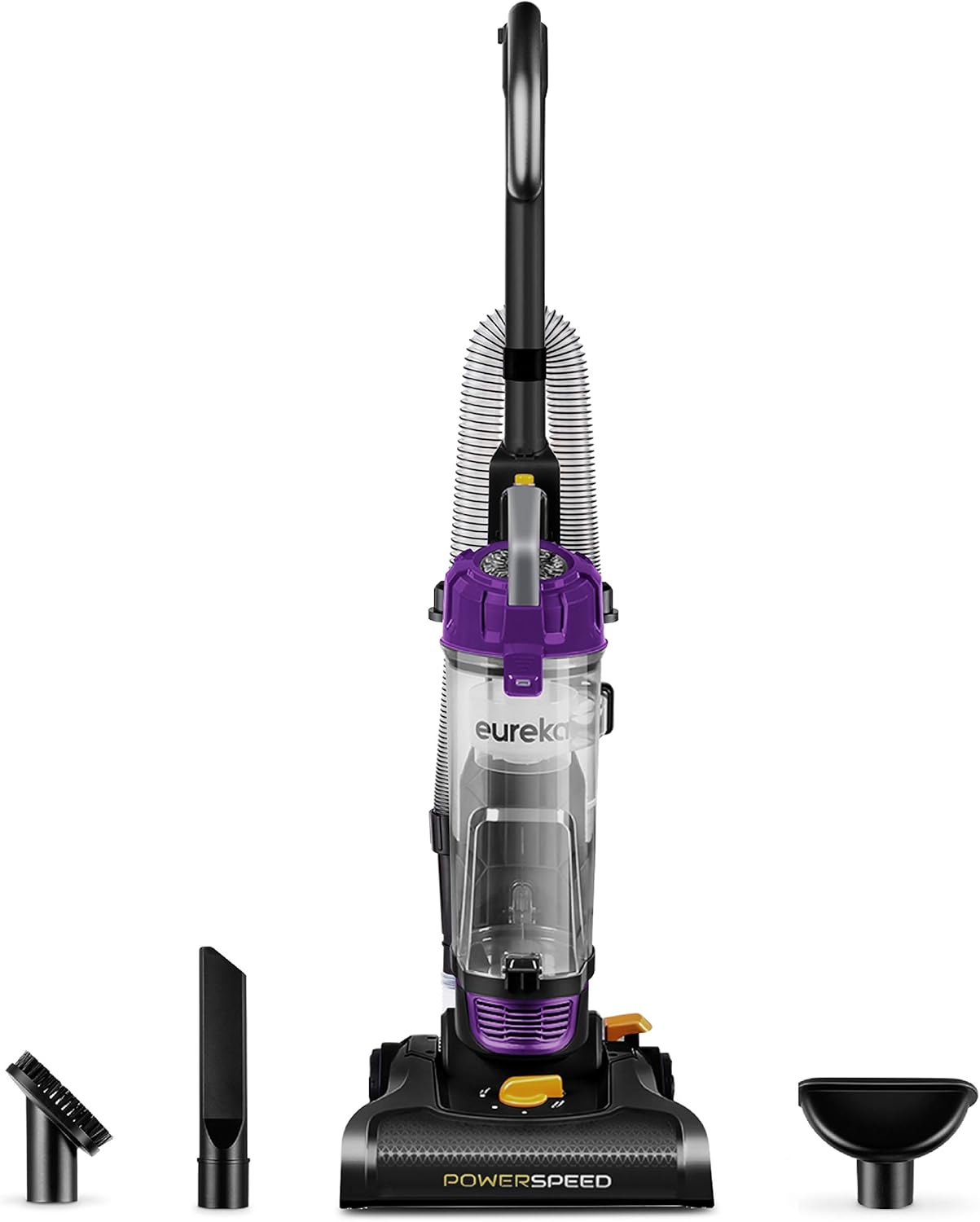
The Shark Navigator Lift-Away NV352 is the best all around upright vacuum for most homes, the Eureka PowerSpeed NEU182B is the best budget pick under $100, and the Shark Vertex Lift-Away AZ2002 is the best choice for deep cleaning carpets in pet homes.
| Award | Product | Key Spec | Best For |
|---|---|---|---|
| Best All Around | Shark Navigator Lift-Away NV352 | Lift-Away pod, HEPA with Anti-Allergen seal | Mixed carpet and hard floors, stairs |
| Best Budget (Under $100) | Eureka PowerSpeed NEU182B | 10 lb, 12.6 inch nozzle, 4.1 L dust cup | Apartments and small homes |
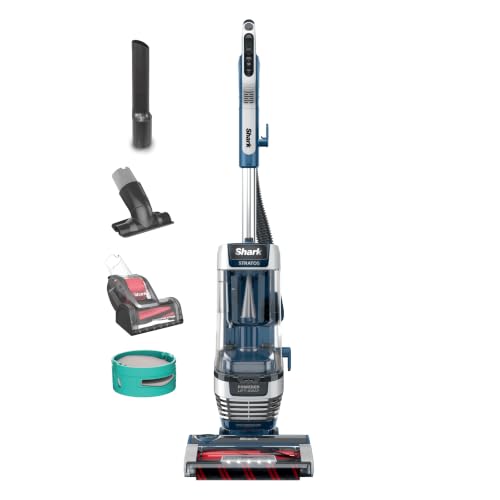
| Best for Deep Cleaning | Shark Vertex Lift-Away AZ2002 | DuoClean PowerFins, powered Lift-Away, self cleaning brushroll | Pet homes and thick carpet |
Upright Vacuum Buying Guide: Surfaces, Messes and Upkeep
The right upright vacuum matches your floors, your mess and your storage space. Here is how to compare models.
Types Compared by Cleaning Job
Bagless uprights collect debris in a clear dust cup you empty after each session. They save money on bags and let you see when to empty, but emptying can release dust. Bagged uprights seal dirt inside disposable bags, which is cleaner for allergy sufferers and means less frequent emptying, at the cost of buying bags. Lift-away uprights let you detach the motor and canister to clean stairs, furniture and ceilings like a portable canister vacuum. Lightweight uprights under about 12 pounds are easy to carry but usually have smaller bins and less suction. Commercial uprights use simple, durable designs built for daily use on carpet.
Features That Save Time
A self cleaning or anti tangle brushroll prevents hair from wrapping around the bristles, saving you from cutting it free with scissors. Brushroll on/off control lets you clean hard floors and delicate rugs without scattering debris or damaging fibers. Dual brushrolls, such as a bristle roll plus a soft roller, handle carpet and hard floors in one pass. LED headlights reveal dust under furniture. Swivel steering makes heavy uprights easier to maneuver around furniture. Onboard tools, including crevice, upholstery and pet tools, should store on the vacuum so they are always at hand.
Suction, Power and Energy Use
Most corded uprights use motors around 900 to 1,400 watts, but wattage measures power drawn, not cleaning ability. Airflow, sealed design and brushroll agitation matter more for real cleaning results. Look for a fully sealed system so air passes through the filter rather than leaking out around seals. Electricity cost is small, typically a few cents per cleaning session.
Filtration and Allergen Sealing
For allergy sufferers, a HEPA filter combined with a sealed system traps fine dust, pollen and dander inside the vacuum. A HEPA filter in a leaky body still lets dust escape through gaps, which is why sealed designs, such as Shark's Anti-Allergen Complete Seal, matter. Washable foam and felt pre-filters should be rinsed monthly.
Safety Features and Certifications (UL/ETL)
Choose vacuums listed by UL or ETL for electrical safety. Thermal cutoffs that shut the motor off if a clog causes overheating protect both you and the vacuum. Brushroll overload protection stops the roll when a sock or cord gets caught. Keep the cord away from the brushroll and unplug before clearing clogs.
Size, Weight and Storage
Upright vacuums typically weigh 10 to 18 pounds. Lighter models are easier on stairs, while heavier models often have larger bins and stronger motors. Check the storage footprint and height, whether the handle folds and whether tools and cord wrap neatly onboard. A 25 to 35 foot cord reduces how often you switch outlets.
Noise and Comfort
Upright vacuums typically run around 70 to 80 decibels, loud enough that you will want to pause conversations. Models with better insulation and lower brushroll speeds are a bit quieter. Comfort matters too: a padded handle, a smooth swivel and a handle height that suits your height reduce strain during longer sessions.
Price Tiers and Running Costs
- Under $100: lightweight bagless uprights for small homes and apartments.
- $100 to $250: proven lift-away and pet models with HEPA filtration and better tools.
- $250 to $500: powered lift-away, dual brushroll and self cleaning brushroll models for pet homes.
- Over $500: premium uprights with smart sensors, auto suction adjustment and bigger warranties.
Running costs include replacement filters ($15 to $40 every 6 to 12 months), belts on some models and bags for bagged uprights.
3 Best Upright Vacuums for Real Messes
Each pick below names who it suits, its strengths and one honest limitation.
1. Best All Around Cleaner: Shark Navigator Lift-Away NV352
The Shark Navigator Lift-Away NV352 is the best upright vacuum for most homes, at around $180. It is one of the best selling vacuums of all time and balances power, versatility and price.
- Why it stands out: the Lift-Away pod detaches for cleaning stairs, furniture and above floor areas, and the HEPA filter with Anti-Allergen Complete Seal traps 99.9% of dust and allergens inside, according to Shark.
- Everyday helpers: swivel steering, LED headlights, a Pet Power Brush, upholstery tool and crevice tool.
- Trade off: it lacks a powered brush in Lift-Away mode, so stair carpet takes a little more effort than with premium models.
Best for: homes with a mix of carpet and hard floors, stairs and light pet hair.

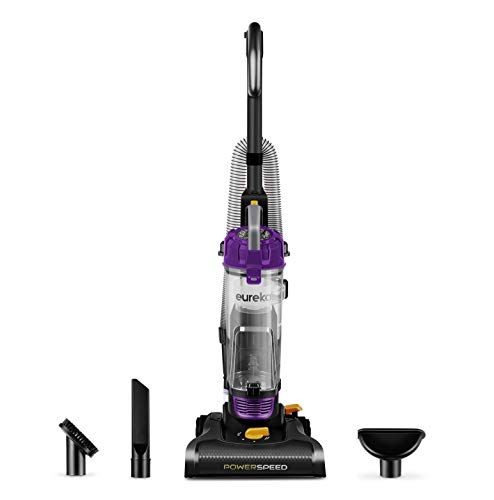
2. Best Budget Clean (Under $100): Eureka PowerSpeed NEU182B
The Eureka PowerSpeed NEU182B is the best budget upright vacuum, at around $88. It is light, simple and surprisingly capable for the price.
- Why it stands out: it weighs about 10 pounds, has a 12.6 inch cleaning path and five height settings for carpets, shag rugs and hard floors, and holds debris in a large 4.1 liter dust cup.
- Tools: a stretch hose with a quick release handle, a 7 inch crevice tool, a dusting brush and an upholstery tool.
- Trade off: it lacks HEPA sealing and a self cleaning brushroll, so long hair needs occasional removal from the roll.
Best for: apartments, dorms and small homes on a tight budget.
3. Best for Deep Cleaning: Shark Vertex Lift-Away AZ2002
The Shark Vertex Lift-Away AZ2002 is the best upright vacuum for deep cleaning carpets and pet hair, at around $478. It adds premium features that make heavy cleaning faster.
- Why it stands out: DuoClean PowerFins combine a PowerFins brushroll with a soft roller to dig into carpet and engage hard floors, and the self cleaning brushroll prevents hair wrap.
- Powered Lift-Away: detach the pod for motorized cleaning under furniture, with a pet crevice tool and dusting brush, plus Anti-Allergen Complete Seal with a HEPA filter.
- Trade off: it is heavier and pricier than basic uprights, and its 1 quart dust cup needs emptying often in big homes.
Best for: homes with pets, thick carpet, long hair and allergy concerns.

How We Compared the Best Upright Vacuums
We compared upright vacuums on carpet and hard floor performance, pet hair pickup, filtration and sealing, maneuverability, weight, bin or bag capacity, tools, noise, running costs and warranty terms. Our sources were manufacturer specifications, the details in each Amazon listing and patterns across large volumes of verified buyer feedback, with extra weight on reports about suction loss, hair wrap and durability over years of use. We did not run our own trials.
Picks by Mess and Surface
Different homes call for different uprights. Here is how to match a vacuum to your floors and messes.
- Pet hair: a self cleaning brushroll and a pet tool are essential; see our best upright vacuum for pet hair guide.
- Allergies: a sealed HEPA system or a bagged upright; see the best bagged upright vacuum picks.
- Thick or high pile carpet: strong agitation, adjustable height and a powered brushroll.
- Mostly hard floors: a soft roller or brushroll off mode to avoid scattering debris.
- Stairs: a lift-away or detachable canister and a long hose.
- Small spaces: a lightweight bagless upright like those in our best bagless upright vacuum roundup.
Upright vs Stick vs Canister Vacuums
Uprights clean carpet best, stick vacuums are best for quick daily pickups and canisters are best for stairs, hard floors and under furniture.
Corded uprights never run out of battery, usually have larger bins and deliver strong, consistent suction on carpet. Cordless sticks are lighter and handier for spills and small homes but often have 20 to 60 minute runtimes and smaller bins. Canister vacuums put the motor on wheels with a long wand, making them easy on stairs and under beds but bulkier to store. Many homes pair an upright for weekly deep cleaning with a cordless stick for daily touch ups.
Bagged vs Bagless Upright Vacuums
Bagged upright vacuums are better for allergy sufferers and less frequent emptying, while bagless models save on ongoing costs and show you exactly when the bin is full.
A sealed bag holds fine dust inside when you throw it away, and most bags hold several weeks of debris. Suction can drop slightly as the bag fills, so replace it when it reaches the full line. Bagless vacuums avoid buying bags and make it easy to retrieve something you accidentally picked up, but emptying a dust cup can release a puff of dust, so empty it outdoors or straight into a trash bag. Bagless filters also need more frequent rinsing.
Common Upright Vacuum Problems and Fixes
Most upright vacuum problems come from clogs, full bins or worn parts and are simple to fix at home.
- Loss of suction: empty the bin or replace the bag, rinse or replace filters and check the hose and inlet for clogs.
- Brushroll not spinning: unplug, remove wrapped hair or string, and check the belt; belts stretch and break over time.
- Burning smell: often a jammed brushroll or slipping belt. Turn off immediately, unplug and inspect.
- Debris pushed around on hard floors: turn the brushroll off or switch to hard floor mode.
- Dust escaping: check that the bin, filters and seals are seated correctly, and replace cracked or worn seals.
- Hard to push on carpet: raise the height setting so the head does not dig into the pile.
- Cord damage: stop using the vacuum if the cord is frayed or cut, and have it replaced by an authorized service center.
Cleaning Routine: How to Get the Best Results
For the cleanest floors, vacuum high traffic areas two or three times a week and the whole home weekly. Move slowly, about one foot per second, and make overlapping passes in two directions on carpet. Set the height to match the carpet pile so the brushroll agitates without bogging down. Turn the brushroll off on hard floors and delicate rugs. Use the crevice tool along baseboards and the upholstery tool on furniture monthly.
Supplies, Refills and Running Costs
Plan for replacement HEPA and foam filters every 6 to 12 months, typically $15 to $40, and belts every year or two on belt driven models. Bagged uprights need bags, usually $1 to $3 each. Keep a pair of scissors or a seam ripper on hand for brushrolls without self cleaning features. Buying genuine filters and bags keeps suction strong and the seal intact.
Cleaning Questions, Answered
How do you clean an upright vacuum?
Unplug the vacuum, empty the dust cup or replace the bag, then rinse washable filters in cool water and let them dry for 24 hours. Remove hair from the brushroll, check hoses for clogs and wipe the body with a damp cloth. Doing this monthly keeps suction strong.
What is the most reliable upright vacuum brand?
Shark, Bissell, Eureka, Hoover and Oreck are among the most established upright vacuum brands, with long product histories and widely available parts. Reliability also depends on regular filter cleaning and emptying the bin before it overfills.
What is the best upright vacuum?
For most homes, the Shark Navigator Lift-Away NV352 is the best upright vacuum, combining lift-away versatility with sealed HEPA filtration at a fair price. The Eureka PowerSpeed is the best budget pick, and the Shark Vertex is best for deep cleaning and pet hair.
How long does an upright vacuum last?
A good upright vacuum typically lasts about 5 to 8 years with regular maintenance. Cleaning filters, replacing belts and avoiding picking up large or wet debris extends its life.
Is an upright vacuum worth it?
Yes, especially for homes with carpet, pets or allergies. Upright vacuums offer strong, consistent suction with no battery limits and larger capacity than most stick vacuums, making them the best value for weekly deep cleaning.
Clean Verdict
The Shark Navigator Lift-Away NV352 is the upright we would recommend to most households for its balance of power, versatility and sealed filtration. The Eureka PowerSpeed NEU182B is the budget friendly choice for small spaces, and the Shark Vertex Lift-Away AZ2002 is the upgrade for pet homes and thick carpets. Match the vacuum to your floors, keep filters clean and the best upright vacuum will keep your home cleaner with less effort.