
Best Craftsman Shop Vacs: Which Model Cleans Best for You? (2026)
Disclosure: We may earn a commission when you buy through links on this page, at no extra cost to you. As an Amazon Associate I earn from qualifying purchases. Learn more

Pick the best craftsman shop vac by tank size, motor power and filtration, from compact cleanup models to large wet pickup machines for the shop.
A shop vac earns its keep on the messes a household vacuum cannot touch: sawdust under the saw, drywall dust after sanding, a washing machine leak spreading across the laundry floor. Craftsman has sold wet dry vacuums for decades, and its range runs from small two gallon portables to rolling twenty gallon tanks. Finding the best craftsman shop vac is mostly a sizing exercise: match the tank and motor to your biggest regular mess, and the rest of the specs fall into place.
The lineup splits into clear classes, compact, mid size, large, and cordless, and the comparison table below shows how they stack up. This guide explains who each class suits, how to read power and filtration specs honestly, and the safety rules that matter when a vacuum meets water, dust, and a workshop full of tools.

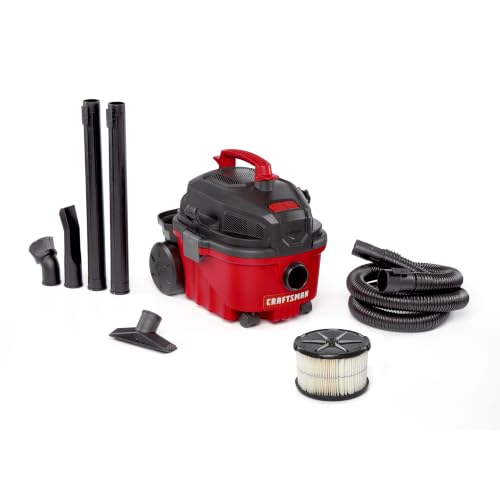
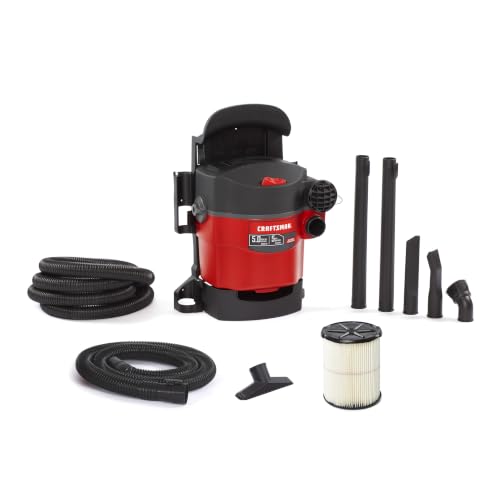
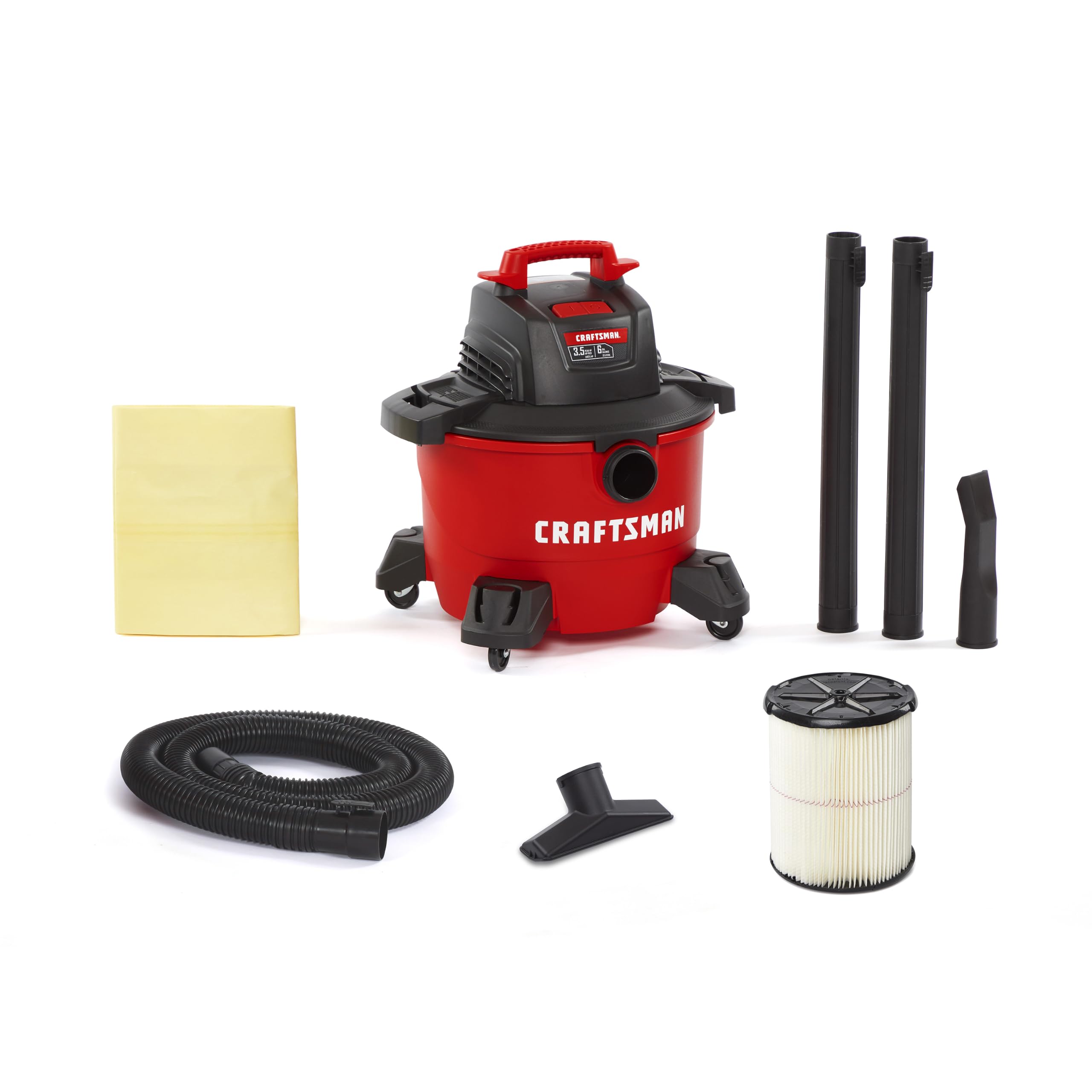
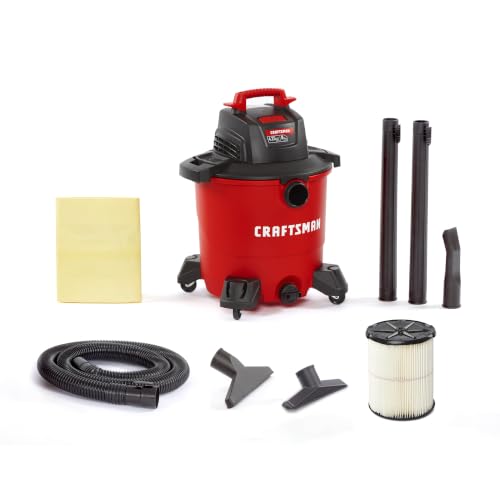
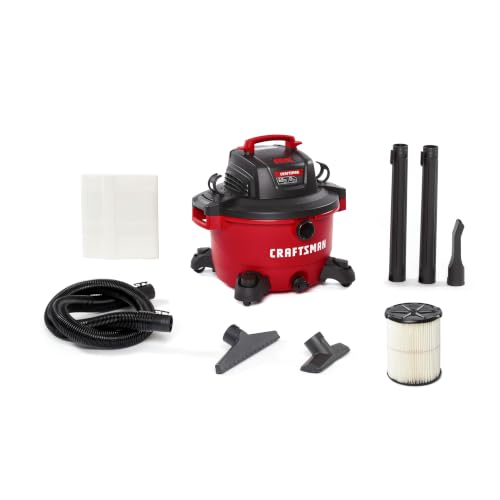
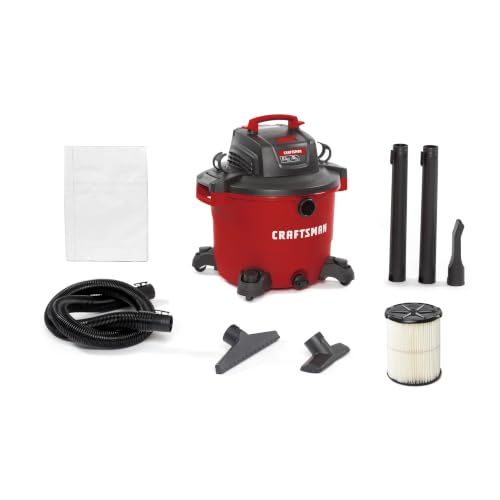
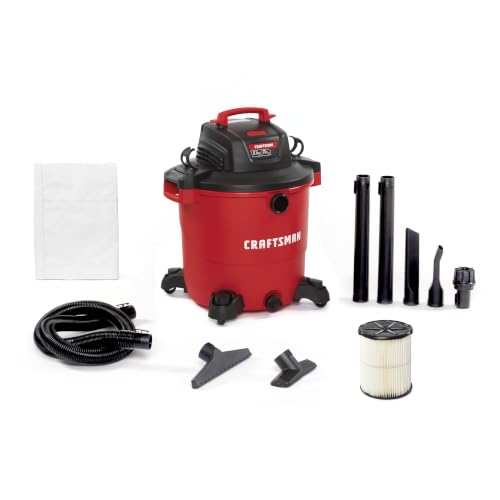

Who Should Buy Which Craftsman Shop Vac?
Homeowners Who Need One Vac for Floods and Small Spills
For most houses, the shop vac exists for water: a leaking water heater, a backed up sink, rain under the basement door. A mid size tank, roughly six to nine gallons, balances real capacity against storage and stair carrying. You get enough suction for gravel, leaves, and workshop dirt as a bonus. If your water events are rare and small, step down a class; a huge tank that never fills is just a storage problem with a motor on top.
DIY Renovators Making Dust Every Weekend
Renovation dust is fine, abrasive, and endless, and it punishes weak filtration. This group should shop the larger corded models and budget for fine dust filter bags from day one, because bags keep the main filter clean and the suction steady through a whole project. A vac with a blower port adds real value here, clearing porches and blowing out gutters between indoor jobs. Power and hose diameter matter more than tank size alone, since long runs of drywall dust can clog a narrow hose.
Garage and Car Care Enthusiasts
For vehicle interiors and garage floors, reach and attachments matter more than raw capacity. A compact or mid size model with a long hose lets the tank stay put while you work around the car, and a crevice tool plus a claw nozzle cover seats and floor mats. The specialized setups in our best shop vac for car detailing guide go further with smaller hoses and softer tools. Craftsman cordless models also suit this group for quick jobs without hunting for an outlet.
Key Features to Compare
Tank Size Classes and What They Really Hold
Shop vac sizes run from about two gallons to twenty, but a rated tank never fills completely before the float shuts off suction, so treat the number as a class label rather than a promise. Small models, two to four gallons, suit apartments, cars, and quick spills. Mid size models, five to nine gallons, are the homeowner sweet spot. Large models, twelve gallons and up, earn their floor space in workshops and on job sites where debris volume is real. The compact end of the range overlaps our best small shop vac guide, which is a good cross check if storage space is your main limit.
Motor Power: Peak Horsepower Versus Airflow
Peak horsepower is a lab number measured in a way that flatters every brand, so do not choose on it alone. Airflow, stated in cubic feet per minute, and sealed suction together describe how the vac actually pulls debris through a hose and lifts water. In practice, hose diameter and length change results as much as the motor: a wide, short hose on a mid power motor can out clean a narrow, long hose on a stronger one. Match the motor class to your debris, light dust needs less than wet gravel and chunks of plaster.
Filtration: Cartridge Filters and Fine Dust Bags
The standard cartridge filter handles coarse dirt and protects the motor, but fine dust from drywall, cement, and ash passes through or cakes it quickly. Filter bags solve this by catching the fine material first, keeping suction steady and making emptying far less messy, since the bag lifts out instead of a cloud of dust. Some Craftsman models accept foam sleeves for wet pickup, which must replace the paper filter or bag before you vacuum water. If anyone in the home has breathing sensitivities, treat fine dust bags as required equipment, and empty the tank outdoors while wearing a dust mask.
Wet Pickup Features: Float, Drain, and Tank Design
For water work, look for a float that reliably stops suction before the tank overfills, and on larger models, a bottom drain plug that empties the tank through a hose instead of tipping twenty gallons by hand. A wide, stable base and large rear wheels matter when a full tank of water gets heavy and sloshy. Check that the motor head latches stay secure when the tank is full; a head that pops loose under a sloshing load spills the whole job back onto the floor.
Hose, Cord, and the Blower Port
A longer hose, around seven feet or more, keeps the tank stationary while you move, and locking hose ends stop the frustrating mid job separation that dumps debris. Cord length decides how much of your space you reach from one outlet; workshops benefit from the longest cords in the range. Many Craftsman models convert the exhaust into a blower, which clears leaves from a garage floor or dust from a workbench in seconds. That dual role is one reason the broader best shop vac category stays so popular with homeowners.
Cordless Craftsman Models: When They Make Sense
Craftsman cordless shop vacs run on the brand battery platform and trade capacity and power for total freedom of movement. They are ideal for car interiors, small spills, and quick bench cleanup where dragging out a corded tank takes longer than the job. Runtime is measured in minutes, not hours, and suction sits below the corded mid range, so they complement rather than replace a corded machine for flood or renovation work. If cordless freedom is your main priority across brands, compare this lineup with the wider best cordless shop vac field before deciding.
Common Mistakes to Avoid
- Vacuuming water with the paper filter or a dust bag still installed, which ruins the filter and can damage the motor.
- Picking up flammable liquids, hot ash, or glowing embers, which can ignite debris inside the tank; shop vacs are never rated for these.
- Ignoring the float shutoff and continuing to run the motor against a full tank, which overheats the motor quickly.
- Using a household extension cord that is too thin for the motor draw, which starves the motor and overheats the cord.
- Skipping hearing protection on long sessions, since shop vacs are loud enough to damage hearing over time.
- Emptying drywall dust indoors without a bag, which puts the finest particles straight back into the air you breathe.
How to Make Your Shop Vac Last Longer
Tap or rinse the cartridge filter clean on the schedule your manual sets, and replace it when cleaning no longer restores suction. Use filter bags for any fine dust work; they are the cheapest motor insurance you can buy. After wet jobs, rinse the tank, wipe the float so it moves freely, and leave the head off until the inside dries, which prevents the sour smell that plagues stored wet vacs. Coil the cord loosely and store the hose without sharp bends. Inspect the hose ends and latches yearly, since most performance complaints trace back to a small air leak at a worn cuff or a cracked latch rather than the motor itself.
FAQ
What size Craftsman shop vac do most homeowners need?
A five to nine gallon model covers the typical mix of basement water, garage dirt, and project dust without dominating storage space. Go smaller if your jobs are cars and small spills, and larger only if you regularly generate contractor level debris or need the bottom drain for big water pickups. Remember that a full nine gallons of water weighs over seventy pounds, so bigger is not free.
Can a Craftsman shop vac pick up drywall dust safely?
Yes, with fine dust filter bags installed and a clean cartridge filter as backup. Without bags, the fine powder coats the filter within minutes, suction drops, and the motor works harder in a cloud of its own exhaust. Empty or swap bags outdoors and wear a dust mask. For whole house renovation dust, work in stages and let the filter rest rather than running the vac continuously for hours.
Do you need to remove the filter before vacuuming water?
Paper filters and dust bags must come out before wet pickup, because soaked paper tears and blocks airflow. Many models use a foam sleeve over the filter cage for water work instead; check your manual for which setup your model needs. After the wet job, let everything dry fully before reinstalling the dry filter, or you will trap moisture against the motor. This one habit prevents most shop vac odors and early failures.
Is a cordless Craftsman shop vac strong enough for a car?
For car interiors, yes. Cordless models handle crumbs, sand, pet hair, and floor mat grit well, and the freedom to move around the vehicle without a cord is a genuine advantage. They are less suited to deep garage floors covered in gravel or to long sessions, where the battery fades. Many owners pair a small cordless for the car with a mid size corded model for the house and shop.
Why does a shop vac lose suction over time?
The usual causes are a clogged or worn filter, a hose blockage, a full tank triggering the float, or an air leak at a hose cuff or tank latch. Work through them in that order before blaming the motor. A filter that looks clean can still be loaded inside its pleats with fine dust, so replacement restores more than a rinse sometimes. Keeping bags on fine dust jobs prevents most of these losses from building up.
Final Thoughts
The best craftsman shop vac for you is the class that matches your biggest routine mess: compact for cars and spills, mid size for most homes, large for dusty projects and serious water. Use the product table above to compare tank classes, filtration options, and hose reach, and budget for fine dust bags if renovation work is on your list. Size it honestly, maintain the filter, and a shop vac will serve for many years. Prices and availability can change, so check the product page before ordering.


