
Best Disinfectant Spray for Bathroom Use in 2026: A Buying Guide
Disclosure: We may earn a commission when you buy through links on this page, at no extra cost to you. As an Amazon Associate I earn from qualifying purchases. Learn more

Choose the best disinfectant spray for bathroom surfaces with this guide to active ingredients, dwell times, grout and stone safety, and label claims.
A bathroom is the hardest room in the house to keep genuinely sanitary. It stays warm and damp, grows mildew in grout lines, coats fixtures with soap scum, and concentrates germs around the toilet and sink. The best disinfectant spray for bathroom use has to do more than smell clean: it must kill the organisms listed on its label, survive contact with wet porcelain and tile, and stay safe for the surfaces in your particular bathroom. This guide explains how to read labels and match formulas to surfaces.
The comparison table below summarizes the main formula types side by side. Under it, this guide covers which shopper groups need which strengths, the label details that decide whether a spray truly disinfects, and the safety rules that matter every time you spray.
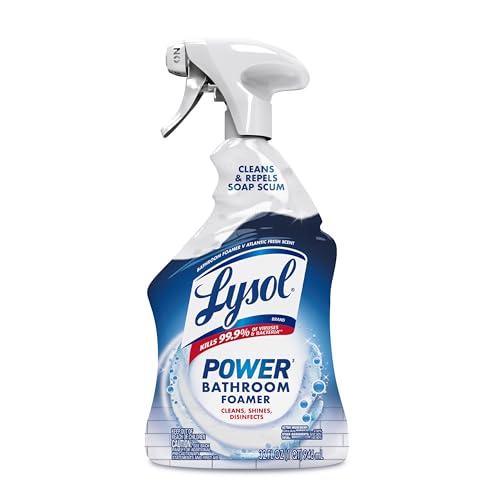
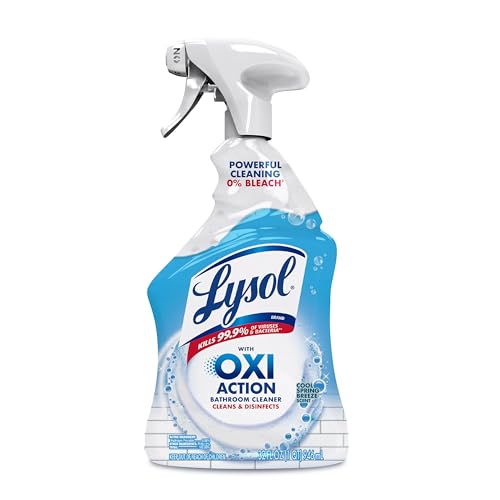

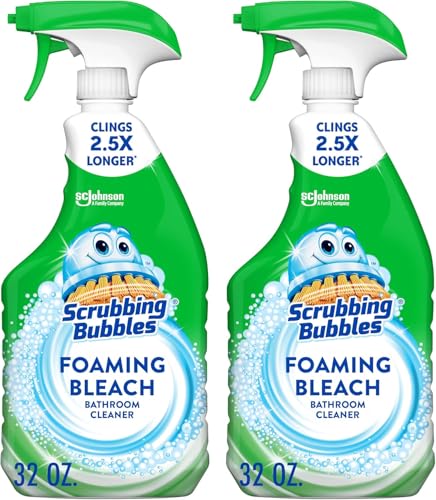


Who Should Buy Which Bathroom Disinfectant Spray?
Households Sharing One Busy Bathroom
When several people share a single bathroom, high touch surfaces like faucet handles, flush levers, and light switches need frequent disinfecting. A ready to use trigger spray with a short dwell time, often one to three minutes, fits that rhythm because nobody will wait ten minutes between uses. If you are stocking several rooms, our general guide to the best disinfectant spray options explains how bathroom formulas differ from all purpose ones.
Homes Fighting Recurring Grout Mildew
Blackening grout and caulk lines call for a bleach based formula or a mold and mildew targeted spray, since standard disinfectants kill surface germs but often leave deep mildew stains untouched. These stronger formulas need ventilation and longer dwell times, and they are a poor match for daily wipe downs. Think of them as a weekly treatment product, with a gentler spray handling everyday disinfecting in between.
Owners of Natural Stone and Delicate Fixtures
Marble, granite, and travertine react badly to acidic formulas, including many popular citric acid and vinegar based sprays, which etch the surface and dull the polish. Chrome and brushed finishes can also spot under harsh bleach. If your bathroom has stone counters or a stone tiled shower, choose a formula whose label explicitly lists stone as safe, and accept a slightly narrower kill list in exchange for protecting surfaces that cost far more than any spray.
Key Features to Compare
Active Ingredient and the Label Kill List
The active ingredient decides what a spray can do. Sodium hypochlorite (bleach) formulas kill the widest range, including mold and many viruses, but carry the strongest fumes and surface risks. Hydrogen peroxide formulas disinfect well, break down into water and oxygen, and suit daily use. Quaternary ammonium formulas, often shortened to quats, are common in wipes and sprays and work well on bacteria with longer dwell times. Botanical options built on thymol or citric acid cover a narrower list. Whatever you choose, confirm the EPA registration number on the label and read the organism list, because a spray only kills what its label claims.
Dwell Time: The Number Most Shoppers Skip
Dwell time is how long a surface must stay visibly wet for the disinfecting claim to hold, and it ranges from about 30 seconds to 10 minutes depending on the formula. Spray and immediately wipe, and you have cleaned but not disinfected, no matter what the front of the bottle says. Bathrooms actually help here, since tile and porcelain hold moisture well. For a toilet seat or faucet handle between guests, a short dwell formula is realistic; for a full shower treatment, a longer dwell is fine because the surface stays wet on its own.
Surface Compatibility Beyond the Obvious
Check the label against every material in your bathroom, not just tile. Acidic formulas etch natural stone and can pit grout over time. Bleach can yellow fiberglass tubs with repeated use and corrode some metal finishes. Peroxide is broadly safe but can lighten dark grout slightly with heavy repeated use. When a label is silent about a material, spot test in a hidden corner and wait a day. Replacing a stone vanity top costs hundreds of dollars; a two minute label check costs nothing.
Spray Format: Mist, Foam, and Gel
Format changes how a formula behaves on vertical surfaces. Fine mist triggers cover large flat areas like counters quickly but drift in the air, which matters in a small unventilated bathroom. Foaming sprays cling to shower walls and toilet bowls, keeping the surface wet through the full dwell time instead of running into the drain. Gel and thick formulas target grout lines precisely. For most bathrooms, a foaming spray handles the shower and toilet while a standard trigger covers counters and fixtures, so many households keep one of each rather than forcing one bottle to do everything. A household focused on milder ingredients can also look at a best natural disinfectant spray for daily use and save the heavy formula for weekly jobs.
Scent, Residue, and Ventilation Needs
Strong scent is not a sign of disinfecting power; it is fragrance added on top, and in a small bathroom it can linger for hours. Fragrance free or light scent formulas suit homes with scent sensitive members. Residue matters too: some quat based sprays leave a film on glass shower doors and mirrors that needs a rinse wipe, while peroxide formulas dry cleaner. Every disinfectant works better and feels safer with the exhaust fan running, so treat ventilation as part of the product choice, not an afterthought, especially with bleach based sprays.
Bottle Size and Cost per Use
Disinfectant is a repeat purchase, so cost per use beats sticker price. A large refill bottle paired with a reusable trigger usually costs far less per ounce than small specialty sprays. Concentrates dilute further still but demand accurate measuring; a mix that is too weak will not disinfect, and one that is too strong wastes product and raises fumes. Note that diluted solutions often carry a use window on the label, after which the active ingredient degrades and the mix should be discarded and remade.
Cleaning First, Then Disinfecting: The Two Step Routine
Disinfectants fail on dirty surfaces. Soap scum, toothpaste residue, and body oils form a layer that shields germs from the active ingredient, so the correct routine is to clean first with a regular bathroom cleaner, rinse or wipe away the soil, then apply disinfectant and let it sit for the full dwell time. Kitchens follow the same logic with different soils, which is why many homes keep a separate best disinfectant spray for kitchen surfaces where food contact rules apply. During cold and flu season, or when a household member is sick, labels that list respiratory viruses guide the choice; our overview of the best disinfectant spray for covid explains how those virus claims are registered and worded.
Safety rules for this category are absolute. Never mix bleach with ammonia or with acidic cleaners such as vinegar or many toilet bowl gels, because the combination releases toxic gas that can injure lungs quickly. Run the exhaust fan or open a window while spraying, wear household gloves with bleach formulas, and store all disinfectants in their original labeled bottles, locked away or on a high shelf out of reach of children and pets. If someone breathes in fumes and struggles to breathe, get them to fresh air and seek medical help right away.
Common Mistakes to Avoid
- Wiping the spray off immediately, which cleans the surface but ends the contact time the disinfectant needs to work.
- Mixing a bleach spray with another cleaner in the same session, risking toxic gas and damaged surfaces.
- Using an acidic spray on marble or granite, which etches stone and leaves permanent dull patches.
- Assuming a pleasant scent means a surface is disinfected, when fragrance has no connection to the kill list.
- Spraying a general disinfectant on mildew stains and expecting the black discoloration to vanish, since killing mold and removing its stain are separate jobs.
- Storing disinfectant in an unlabeled refill bottle, which hides the dwell time and safety warnings you need.
Storing and Handling Disinfectant Spray Safely
Keep disinfectants in their original containers so the label, dwell time, and warnings stay with the product. Store bottles upright in a cool cabinet away from heat vents, since heat degrades active ingredients and shortens shelf life; most sprays carry an expiration date and lose strength past it. Wipe the trigger nozzle after use so dried residue does not clog the sprayer or change the spray pattern. If a trigger fails, transfer the product only into a bottle with the same label information copied over, and never into a drink container. Replace any spray that has changed color, separated, or lost its normal smell, because those are signs the formula has broken down.
FAQ
What is the difference between sanitizing and disinfecting a bathroom?
Sanitizing lowers the number of bacteria on a surface to a level regulators consider safe, while disinfecting kills a wider range of organisms, including many viruses and fungi, when used with the full dwell time. Products are registered for one claim or the other, and some carry both with different dwell times for each. For toilets, tubs, and illness cleanup, choose the disinfecting claim; for a quick faucet wipe, sanitizing is usually enough.
Can you use bathroom disinfectant spray on natural stone?
Only when the label explicitly lists stone as an approved surface. Many common formulas, especially acidic and strong bleach ones, etch marble and granite. Peroxide based and stone labeled neutral formulas are the safer category. One extra caution: disinfecting matters less on a vanity top than on a faucet handle, so some stone owners clean the counter with a stone safe cleaner and reserve disinfectant for fixtures and the toilet area.
How long should disinfectant spray sit on a toilet or sink?
Exactly as long as the dwell time printed on that product label, which ranges from about 30 seconds to 10 minutes. The surface must stay visibly wet the whole time; on a hot or very absorbent surface, reapply a light mist halfway through. Setting a phone timer is a simple habit that fixes the most common disinfecting failure, which is wiping too early.
Is a bleach free disinfectant spray strong enough for a bathroom?
For everyday bacteria and common household viruses listed on its label, yes. Hydrogen peroxide and quat formulas handle routine bathroom disinfecting well. Bleach earns its place for specific jobs: visible mold and mildew, illness involving stomach bugs that resist other ingredients, and stained grout. Matching the ingredient to the job beats defaulting to the harshest bottle for everything, and it spares your fixtures and lungs the extra exposure.
Does disinfectant spray expire?
Yes. Active ingredients degrade over time, and EPA registered products carry expiration dates for that reason. An expired spray may still clean, but its kill claims no longer hold. Heat and sunlight speed the decline, so a bottle stored on a sunny windowsill ages faster than one in a closed cabinet. When you buy a refill size, note the date and rotate stock so the oldest bottle gets used first.
Final Thoughts
Start with the label, not the scent or the marketing: confirm the EPA registration, the organism list, and a dwell time you will honestly follow, then match the ingredient to your surfaces. The product table above gathers those details for quick comparison. Pick the best disinfectant spray for bathroom routine for your home, clean before you disinfect, ventilate while you work, and never mix bleach with ammonia or acids. Used that way, one or two well chosen bottles cover daily touch ups and the weekly deep treatment without risking your stone, your fixtures, or your lungs.


