
Best Mold Remover for Basement Use in 2026: A Surface by Surface Guide
Disclosure: We may earn a commission when you buy through links on this page, at no extra cost to you. As an Amazon Associate I earn from qualifying purchases. Learn more

Treat damp walls and joists with the best mold remover for basement surfaces. Compare sprays and concentrates, safety steps and moisture fixes.
A basement gives mold everything it wants: cool surfaces, still air, condensation on pipes and walls that stay damp after every rain. The fuzzy patch behind the water heater is usually the visible edge of a moisture problem, not the whole story. Choosing the best mold remover for basement surfaces starts with matching the chemistry to concrete, drywall or wood, and it ends with fixing the dampness, because any remover fails on a wall that keeps getting wet.
This guide compares spray and concentrate formats, explains where bleach based and bleach free products each belong, and covers the safety gear and the size limits that tell you when a job belongs to a professional. The comparison table below shows the main classes side by side.
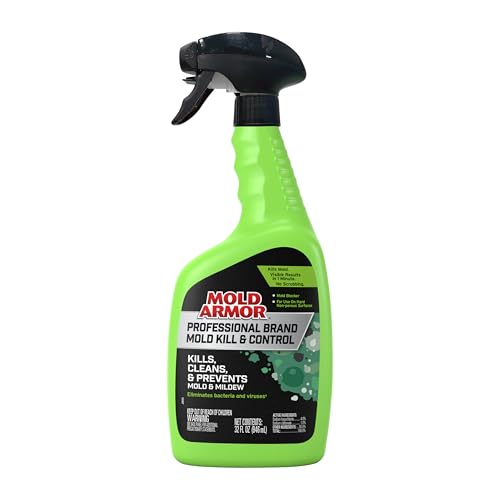
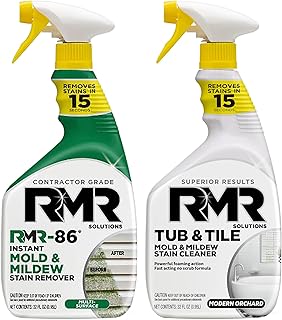


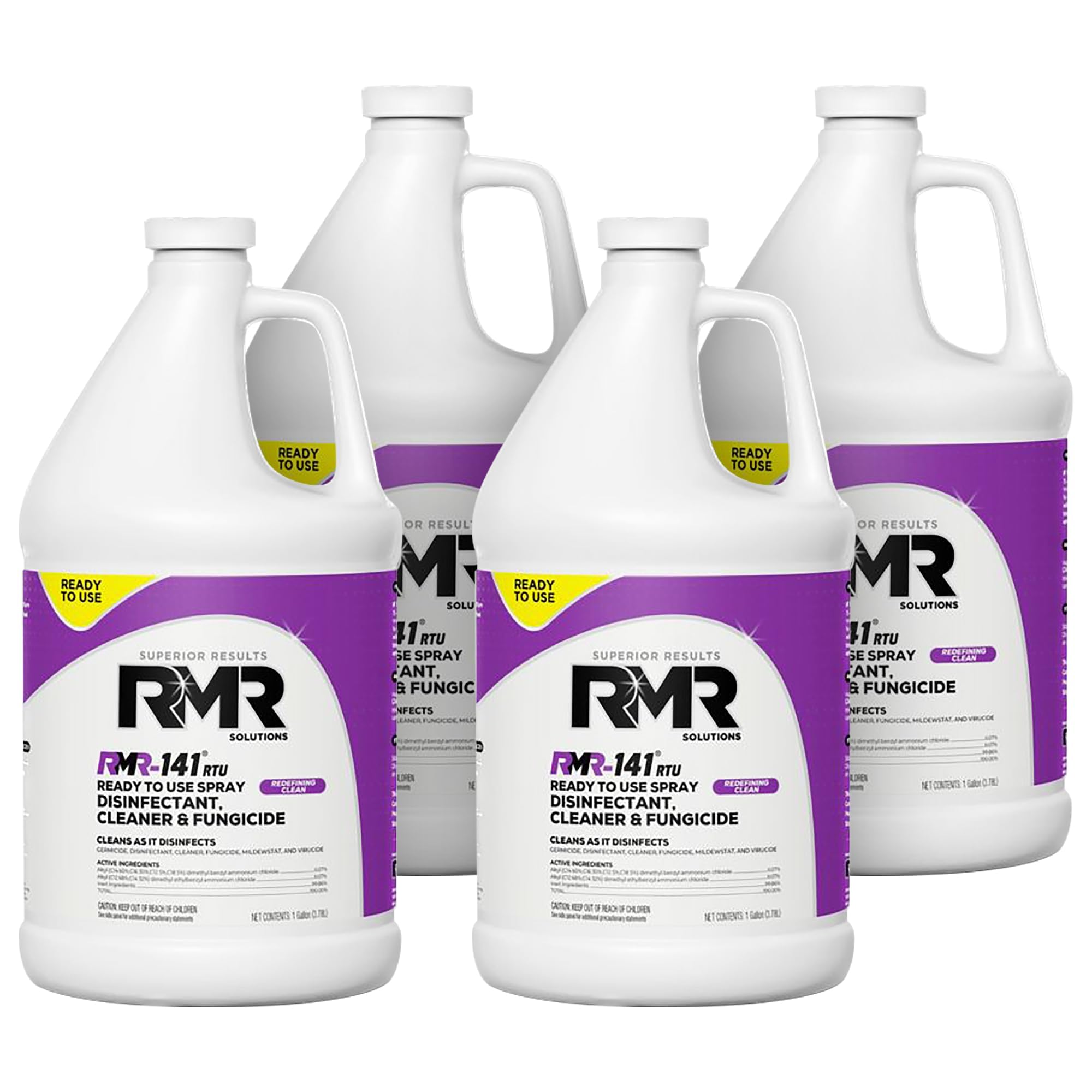
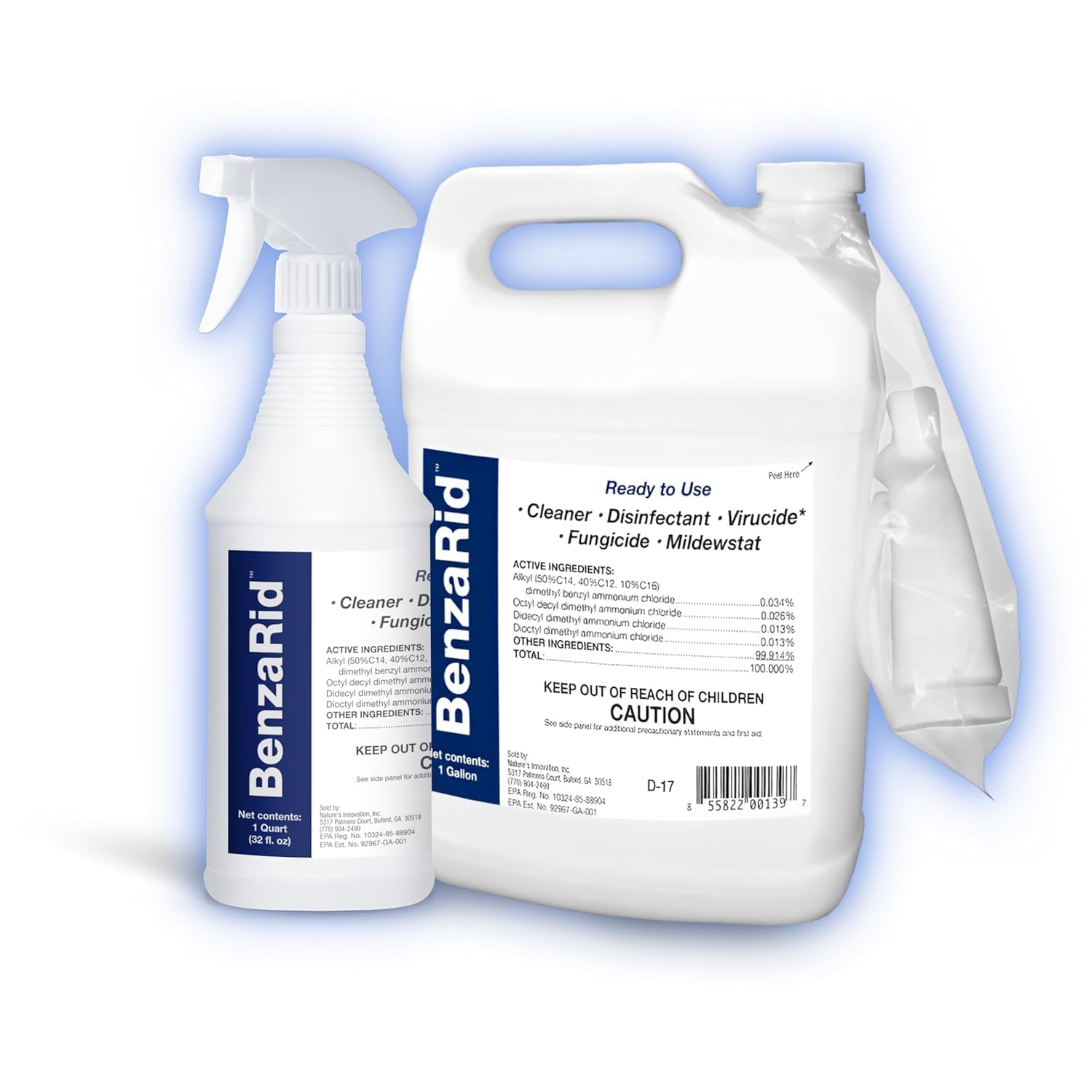
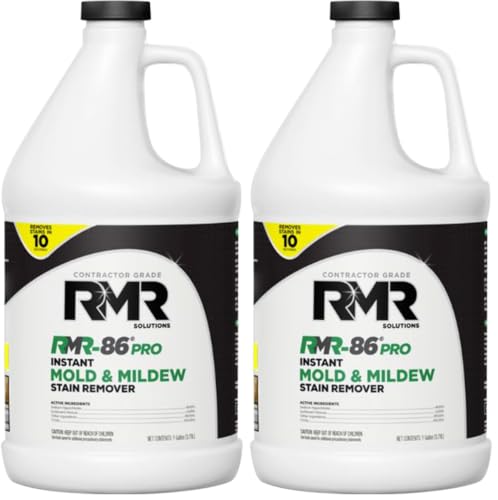
Who Should Buy Which Mold Remover for a Basement?
Homeowners with surface mold on concrete and block walls
If the growth is a surface film on painted or bare masonry in an unfinished basement, a ready to use spray with a mold killing and stain lifting formula is your tool. Masonry tolerates stronger chemistry than finished surfaces, and a spray with some cling stays put on vertical walls. For mold in finished rooms upstairs, the products differ, and our guide to the best mold remover for walls covers painted drywall in living spaces.
Sellers and landlords preparing a basement for inspection
You need visible stains gone and growth treated across a wide area, often a whole wall. A concentrate you dilute and apply with a pump sprayer covers square footage at a fraction of the per bottle cost, and many concentrates also leave a preventive residual barrier. Work in sections, ventilate hard, and keep records of what you treated, since buyers and inspectors ask about moisture history, not just clean looking walls.
Families with musty finished basements and kids playing downstairs
Where children play and people breathe the air daily, choose bleach free formulas with low odor, and treat the moisture source with the same urgency as the stain. Mold on the back of drywall or inside wall cavities is beyond any spray, so soft, crumbling drywall means cutting out material, not coating it. Our general guide to the best mold remover compares the household category as a whole if your problem spans several rooms.
Key Features to Compare
Active chemistry: bleach, hydrogen peroxide or quaternary formulas
Sodium hypochlorite, household bleach chemistry, kills surface mold and whitens stains fast on hard nonporous surfaces, but it barely penetrates porous material and its water content can even feed roots left in wood or drywall paper. Hydrogen peroxide formulas penetrate better and leave no harsh residue. Quaternary ammonium concentrates kill mold and mildew and often leave a residual layer that slows regrowth. Match the chemistry to the surface rather than the stain color.
Surface compatibility: concrete, drywall, wood and insulation
Concrete and block accept almost any remover, though efflorescence, the white mineral crust, is often mistaken for mold and needs no treatment at all. Painted drywall can be cleaned if the board stays firm, but soaked or soft drywall must be removed. Wood framing needs a penetrating formula plus scrubbing, a job our guide to the best mold remover for wood covers in detail. Fiberglass insulation that is moldy generally gets bagged and replaced, not sprayed.
Format and coverage: ready sprays versus concentrates
Ready to use trigger sprays win for small patches, corners and spot work around pipes and windows. Concentrates win on area and price for whole walls and floors, and a pump sprayer lays down an even coat without hand fatigue. Check the stated coverage per bottle or per diluted gallon against your measured wall area, and buy enough to treat the full affected zone plus a margin beyond the visible edge, where growth is already spreading unseen.
Stain removal versus killing and prevention
Dead mold still looks dirty, so products split into camps: killers that stop growth, stain removers that restore appearance, and two in one formulas that do both in sequence. In a basement you plan to paint, a killer plus a mold resistant primer often beats chasing perfect stain removal on porous block. If regrowth prevention matters, look for a formula that leaves an antimicrobial barrier and plan to keep basement humidity under control afterward, because no barrier survives a chronically wet wall.
Safety profile: ventilation, gear and household exposure
Every mold product demands airflow, gloves and eye protection, and many call for a respirator rated for mold spores and chemical mist. Bleach based products must never mix with ammonia or acidic cleaners, since the gases produced are dangerous in an enclosed basement. Keep children and pets out of the basement until treated surfaces are dry and the air has been exchanged. Store all chemicals locked or on high shelves, following label directions exactly.
How to Treat Basement Mold So It Stays Gone
Find the water first. Common basement sources are gutter overflow at one corner, a grading slope that sends rain toward the foundation, condensation on cold water pipes, and a floor drain or sump that keeps the slab damp. Fix the source you can see, run a dehumidifier to hold indoor humidity roughly between 30 and 50 percent, and only then treat the growth; reversing that order guarantees a repeat performance within a season.
For the treatment itself, seal off the work area from living spaces if the patch is large, put on your respirator, gloves and eye protection, and mist the area lightly before scrubbing so spores stay settled rather than airborne. Apply the remover, respect its dwell time, scrub porous surfaces with a stiff brush, and bag debris and used rags directly in the work area. Guidance from the EPA suggests that areas larger than about 10 square feet, roughly a three foot square, are better handled by a professional remediation contractor, and any growth linked to flooding with sewage or to a person with serious lung disease belongs to professionals regardless of size.
Common Mistakes to Avoid
- Spraying bleach on porous drywall or wood and declaring victory, while living roots remain below the surface and regrow within weeks.
- Painting over untreated mold with regular paint, which seals in growth that keeps spreading behind the new coat.
- Treating the stain without fixing the leak, condensation or humidity that caused it, so the patch returns on schedule.
- Mixing bleach based remover with ammonia or vinegar cleaners, creating hazardous gases in a poorly ventilated basement.
- Dry scrubbing a large patch without protection, which launches spores into the air you and the household then breathe.
- Assuming a musty smell means a small problem, when hidden growth behind paneling or insulation can be far larger than the visible spot.
How to Keep Mold From Returning After Treatment
Moisture control is the maintenance plan. Keep the dehumidifier running and empty or drain it faithfully, insulate cold water pipes to stop condensation drips, and extend downspouts so roof water lands several feet from the foundation. Check the previously treated wall monthly with a flashlight at a low angle, which reveals new fuzz early, and re treat small spots promptly while they are still a spray bottle job.
Store cardboard boxes and paper directly on the floor rather than on pallets or shelves, since cardboard wicks slab moisture and feeds mold. Keep the remover bottle sealed, upright and out of temperature extremes, and note the date you opened it. If musty odor returns with no visible growth, suspect a hidden damp spot behind stored items or inside a wall, and investigate before the patch becomes a project.
FAQ
Does bleach kill mold in a basement for good?
Bleach kills surface mold on hard, nonporous surfaces like tile, glass and sealed concrete, and it fades the stain. On porous basement materials such as drywall, wood and unsealed block, the bleach mostly stays on the surface while the water in it soaks in, so roots can survive and regrow. For those surfaces choose a penetrating bleach free or peroxide based formula, and remember that small bathroom jobs differ; our guide to the best mold remover for shower covers tile and grout work.
How large a basement mold area can you clean yourself?
Public health guidance commonly puts the do it yourself limit at about 10 square feet of growth. Larger areas, mold that returns after repeated cleaning, growth tied to a major flood, or any situation involving someone with asthma, immune problems or other lung conditions should go to a professional remediation company. When in doubt about the size hidden behind a wall, treat the visible patch as the minimum, not the total.
Why does basement mold keep coming back after cleaning?
Because the moisture that feeds it is still there. Removers treat the growth, not the leak, the condensation or the humid air. Check gutters, grading, pipe insulation and dehumidifier performance, and measure basement humidity with an inexpensive hygrometer for a few weeks. Once surfaces stay dry, regrowth usually stops; if the wall still gets wet, no product will hold the line for long.
Should you wear a respirator to clean basement mold?
Yes for anything beyond a tiny spot. A fit tested respirator with cartridges or filters rated for particulates is designed to filter spores and cleaner mist, and it should be paired with gloves and eye protection. Basements ventilate poorly, so open windows, run a fan blowing air out, and take breaks in fresh air. If you feel dizzy or your eyes water heavily, stop, leave the area and let it air out fully.
Can you paint over basement mold after treating it?
Yes, once the surface is treated, scrubbed and completely dry, which can take several days in a cool basement. Use a stain blocking, mold resistant primer made for masonry or damp areas, then your finish coat. Painting over live or damp mold traps the problem under the film and the growth will reappear through or behind the paint, so the dry check matters as much as the treatment.
Final Thoughts
Basement mold rewards the homeowner who thinks in order: find the water, match the chemistry to the surface, treat with protection on, and keep the space dry afterward. The product table above lines up the main formats so you can match one to your wall material and patch size. With moisture under control, the best mold remover for basement use only has to work once, and if breathing problems or a large hidden patch are part of your picture, bring in a professional and talk with your clinician about any symptoms rather than pushing through on your own.


