
Best Disinfectant Spray for Covid in 2026: How to Read the Label and Dwell Time
Disclosure: We may earn a commission when you buy through links on this page, at no extra cost to you. As an Amazon Associate I earn from qualifying purchases. Learn more

Pick the best disinfectant spray for covid era cleaning by reading the EPA registration, organism list and dwell time on the label.
During the covid years, disinfectant spray went from a cabinet staple to a product people studied. Shelves filled with look alike cans, and the claims on the front labels told only half the story. The half that matters sits on the back: an EPA registration number, a list of organisms the product is proven against, and a contact time most shoppers never read. Choosing the best disinfectant spray for covid era cleaning is really about verifying those three lines.
This guide explains how registration works, why dwell time decides whether disinfection actually happens, and which surfaces a spray can and cannot treat. It also covers safe use, because disinfectants are pesticides by design and deserve the same respect as any other chemical in the cabinet. The comparison table below groups the main formula types so you can see the trade offs before the detail.


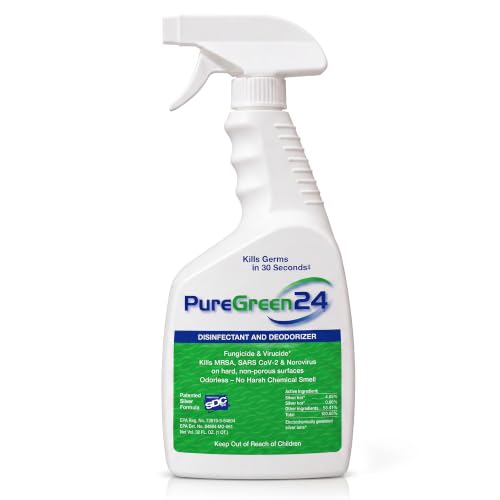

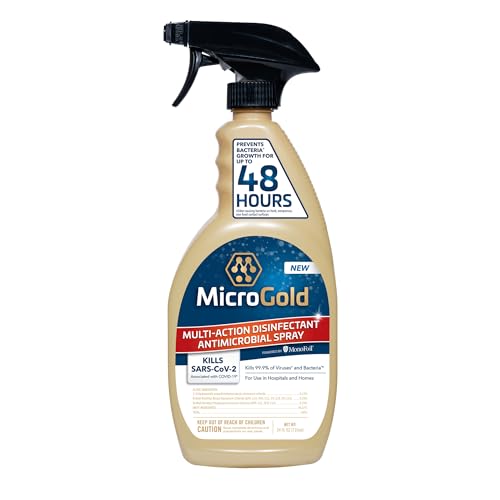

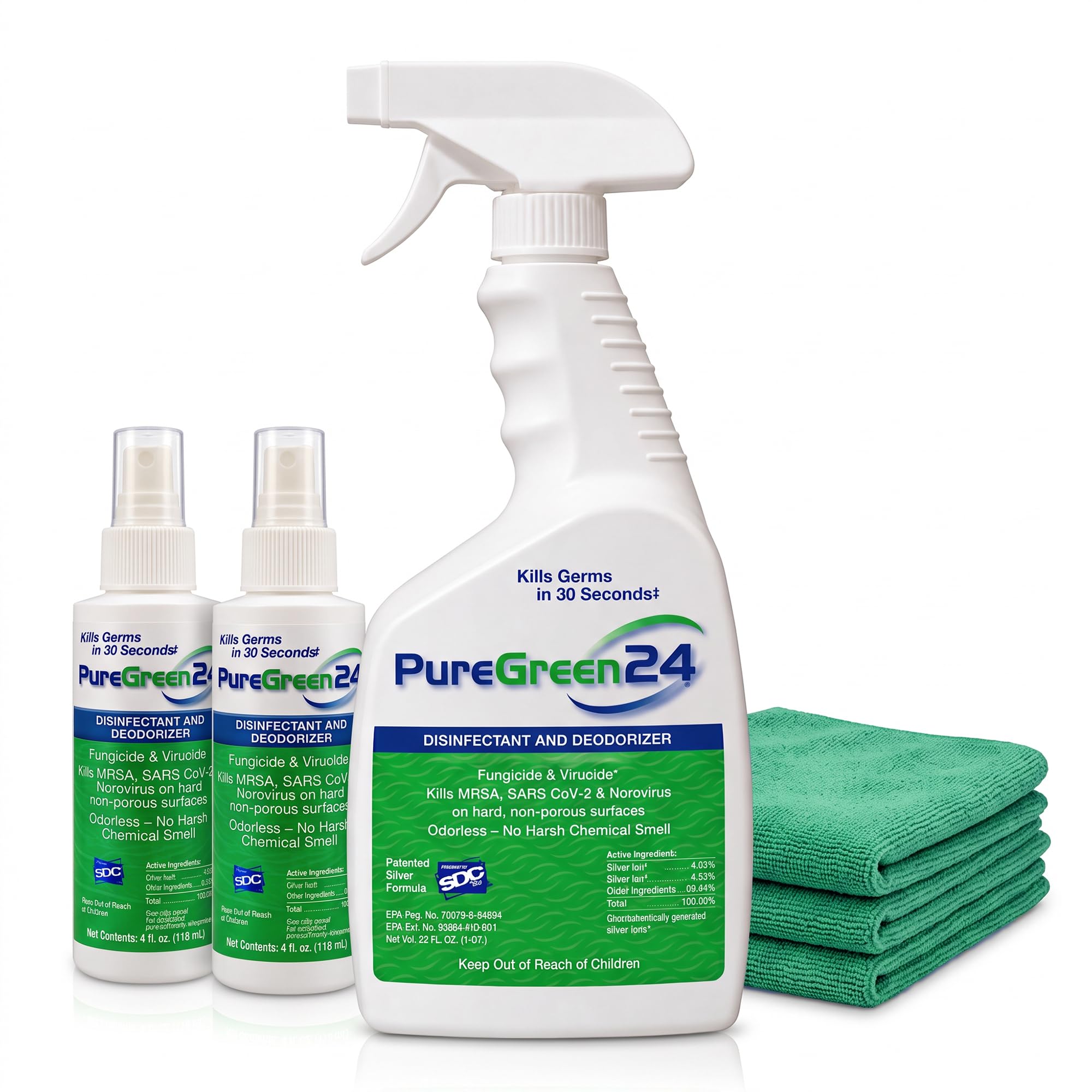
Who Should Buy Which Disinfectant Spray for Covid Era Cleaning?
The right spray depends on who is in the house, which surfaces you treat and how often you repeat the job.
Households Caring for Someone Sick at Home
When one person is ill, the goal narrows to the high touch circuit they share with everyone else: door handles, light switches, faucet levers, flush handles and the remote control. This group needs a spray proven against respiratory viruses, with a short enough dwell time that a busy caregiver will actually complete it. Our broader guide to the best disinfectant spray options explains how the registered claims compare across the category. Keep one bottle in the sick room area and a second where visitors enter, so the routine survives real life.
Parents Managing School and Daycare Germ Traffic
Children import the outside world daily on lunchboxes, water bottle lids, backpack straps and shoes. A spray habit at the entryway catches the hard surfaced part of that traffic. Choose a formula whose label covers the items you own, and respect the food contact rules for anything that touches a mouth. The bathroom these kids share deserves its own attention, and the shortlist in our guide to the best disinfectant spray for bathroom cleaning focuses on the wet, high touch surfaces there. Soft items like plush toys are a laundry job, not a spray job.
Home Offices and Shared Workspaces
Desks collect keyboards, mice, phone handsets and shared pens, and several people may touch them in a day. This group needs a spray that works on hard nonporous desk surfaces without wrecking finishes, plus the discipline to keep liquids away from electronics, which most disinfectant labels exclude. For kitchen counters that double as homework and food prep zones, our look at the best disinfectant spray for kitchen use covers the rinse step that food contact labels require. A spray for the desk and a labeled kitchen routine beat one bottle stretched across both jobs.
Key Features to Compare
EPA Registration and the List N Database
In the United States, a disinfectant that claims to kill viruses must be registered with the EPA, and the registration number is printed on every legitimate label. During the pandemic the agency published List N, a searchable database of products expected to work against the virus that causes COVID-19 when used as directed. Checking a product takes a minute: find the registration number on the can, search the list, and confirm the entry. A spray without a registration number may be a fine cleaner, but it is not a proven disinfectant, whatever the front label implies.
Dwell Time: The Number Most Shoppers Skip
Dwell time is how long a surface must stay visibly wet with the product for the kill claims to hold. It ranges from about thirty seconds to ten minutes depending on the formula and the organism. This single number decides whether your routine works, because a spray wiped dry in five seconds delivers almost none of its label promise. Fast formulas cost more and earn it in real households, where nobody stands over a door handle with a timer. When you compare products, treat dwell time as a headline spec, equal to price.
Active Ingredients and What They Suit
Most sprays rely on one of a few active families. Quaternary ammonium compounds, often shortened to quats, dominate household sprays and balance effectiveness with surface friendliness. Hydrogen peroxide formulas work fast and break down into water and oxygen, which many people prefer for food adjacent areas. Alcohol based sprays suit small hard items and evaporate quickly, sometimes too quickly for long dwell times. Botanical actives such as thymol power the options in our guide to the best natural disinfectant spray products, and the registered ones carry the same EPA numbers as any conventional spray.
Surface Scope and Food Contact Rules
Disinfectant claims apply to hard, nonporous surfaces: sealed counters, tile, glass, metal, most plastics. They do not extend to sofas, carpets or bedding, where the product cannot stay evenly wet and was never tested. Food contact surfaces carry an extra rule. Many labels require a rinse with potable water after the dwell time before food touches the surface again, and skipping that rinse leaves pesticide residue where you eat. Read that line before the first use, not after a week of spraying the cutting board counter.
Ventilation, Scent and Indoor Air Comfort
A spray you dread using will not get used, and fragrance is the usual reason. Strong scents linger in small bathrooms and sick rooms, and aerosol formats hang in the air longer than trigger sprays. For repeated daily disinfection, a low scent trigger spray in a ventilated routine is easier to live with than a perfumed aerosol. Open a window or run the exhaust fan while you work, and let treated rooms air out before children or pets settle back into them. Comfort is a compliance feature, not a luxury.
How to Disinfect a Surface So the Spray Actually Works
Start by cleaning. Disinfectants underperform through visible soil, because organic matter consumes the active ingredient before it reaches the surface. Wipe crumbs, grease and grime away with a plain cleaner or soapy cloth first, then apply the disinfectant. Spray until the surface is evenly wet, and start your dwell clock from that moment. If edges begin to dry before the time is up, mist them again. The surface must stay wet for the full contact time printed on the label.
Safety rules ride along with the technique. Ventilate the room while you spray. Never mix a bleach based product with ammonia or with acidic cleaners such as vinegar sprays, because the combinations release toxic gases that injure lungs fast. Keep sprays locked or on a high shelf away from children and pets, and keep people and animals out of the room until surfaces have dried. If anyone at home is immunocompromised or has breathing difficulties, have a healthier household member do the spraying, and follow current public health guidance for the illness side of the picture.
Common Mistakes to Avoid
- Spraying and wiping dry within seconds, so the surface never reaches the dwell time the label requires.
- Skipping the precleaning step on visibly dirty surfaces, which wastes the active ingredient on soil instead of germs.
- Mixing a bleach based spray with ammonia or vinegar cleaners, creating toxic gas in a closed bathroom.
- Misting sofas, carpets and bedding and calling them disinfected, when claims cover hard nonporous surfaces only.
- Using a food contact spray without the label required rinse, leaving residue where meals are prepared.
- Storing disinfectant sprays on a low shelf within reach of children, treating a pesticide like a soap.
How to Make Your Disinfectant Spray Last Longer
Disinfectants have a shelf life, and an expired spray may no longer meet its kill claims even if it smells normal. Check the date when you buy, write the opening date on the can, and store bottles upright at room temperature away from sunny windowsills and hot garages. Buy the size your routine actually consumes. A household disinfecting daily can use a large bottle well within its life, while an occasional user is better served by a smaller one that stays potent.
Keep the hardware working. Rinse trigger nozzles that start to spit, since dried product narrows the opening and ruins the even wetting dwell time depends on. Never transfer disinfectant into a drink bottle or an unlabeled sprayer, a classic poisoning scenario, and never top up one product with another. When a bottle empties, replace it with the same registered product your routine was built around, or recheck the new label's dwell time and surface list.
FAQ
Does a disinfectant spray need to stay wet for the whole dwell time?
Yes. The kill claims behind the label were tested with the surface wet for the full stated contact time. If the product dries early, evaporation has removed the active ingredient and the process effectively stops. On warm days or porous looking surfaces, apply a little extra or mist again halfway through. Choosing a shorter dwell formula is the simplest fix for households that know they will not wait ten minutes beside a door handle.
Can you use disinfectant spray on counters where food is prepared?
Only under the label's conditions. Many sprays allow food contact surfaces but require a rinse with clean water after the dwell time, and some exclude food contact use entirely. The label on your specific bottle decides, so read that section before spraying the counter where sandwiches get built. Where the label requires a rinse, treat it as part of the disinfection step, not an optional extra, and let the surface dry before food returns.
What is the difference between sanitizing and disinfecting?
Sanitizing lowers the number of bacteria on a surface to a level considered safe, while disinfecting aims to kill a much wider range of organisms, including the viruses named on the label. A product can carry both claims with different dwell times for each, which is why the same bottle may say one minute to sanitize and five to disinfect. For a home with an active illness, disinfect according to the longer time. For routine tidying of low risk surfaces, sanitizing is usually the proportionate choice.
Can disinfectant spray be used on phone screens and keyboards?
Most disinfectant labels do not cover electronics, and liquid sprayed into seams can damage devices and void warranties. Device makers generally advise a lightly dampened cloth with a suitable alcohol solution for screens and casings, applied to the cloth rather than sprayed at the device, with power off and ports avoided. Keep the household spray for the desk surface, door handles and other hard fixtures, and let each device follow its own maker's cleaning guidance.
Do disinfectant sprays expire?
Yes. Registered disinfectants carry a shelf life, commonly one to two years, after which the active ingredient may fall below the tested strength. Heat and sunlight shorten that life, so the bottle stored on a sunny porch may fade faster than the date suggests. An expired spray is still a cleaner, but you should not rely on it for disinfection during an illness at home. Rotate stock so the oldest bottle gets used first, and replace anything past its date.
Final Thoughts
Disinfection is a label reading exercise with a spray bottle attached. Verify the EPA registration, respect the dwell time, preclean dirty surfaces and keep the chemistry safely stored and ventilated. Remember that a spray treats surfaces only; it cannot clean the air or protect a person directly, so let current public health guidance lead on illness itself, and talk with a clinician about personal health questions. With those habits, the best disinfectant spray for covid era routines stays a reliable household tool, and the product table above will help you pick the formula that fits yours.


