
Best Fume Free Oven Cleaner for 2026: A Safer Degreasing Guide
Disclosure: We may earn a commission when you buy through links on this page, at no extra cost to you. As an Amazon Associate I earn from qualifying purchases. Learn more

Cut baked on grease without harsh fumes. Learn how to pick the best fume free oven cleaner and use it safely around kids, pets and sensitive lungs.
A traditional oven cleaner can fumigate a whole kitchen. The caustic spray works, but it stings eyes, catches in the throat and sends everyone out of the room while it dwells. Fume free formulas exist for exactly that problem: they degrease with milder chemistry and longer dwell time instead of aggressive fumes. Choosing the best fume free oven cleaner means knowing what that tradeoff looks like on real baked on grease, and how to use the gentler product so it still performs.
This guide compares gel, spray and paste formats, explains which oven surfaces accept them, and covers the safety steps that still apply even when a label says fume free.
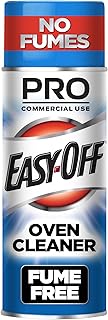


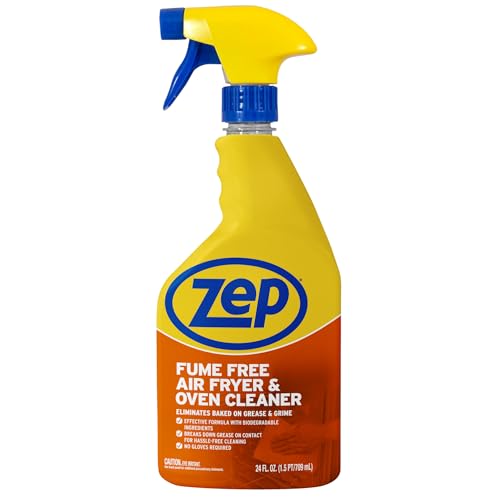


Who Should Buy Which Fume Free Oven Cleaner?
Apartment cooks and anyone with asthma or sensitive airways
Small kitchens with weak ventilation are where fume free cleaners earn their place. If strong chemical smells trigger coughing or headaches in your home, a low odor gel you can apply and close the door on is the practical choice. The wider gentle category in our guide to the best non toxic oven cleaner overlaps heavily with this one, and anyone with a diagnosed breathing condition should still ventilate and follow their doctor's guidance about chemical exposure.
Parents and pet owners cleaning around the household
You cannot empty the house for an afternoon while a cleaner dwells, and you need the kitchen back the same evening. Fume free products let you clean with the family home, provided you keep kids and pets out of the kitchen during the job and rinse surfaces well. The natural ingredient route in our guide to the best natural oven cleaner suits households that want the simplest ingredient lists of all.
Owners of self cleaning ovens with delicate coatings
Self cleaning oven interiors have special enamel that harsh caustic sprays can dull or damage, and many makers restrict which chemicals may be used inside. Gentle fume free gels are often the approved option for spot cleaning between high heat cycles. Our guide to the best oven cleaner for self cleaning ovens explains the coating rules in detail, and your oven manual always has the final word.
Key Features to Compare
Format: gel, light spray or paste
Gels cling to walls and doors, which is where oven grease actually lives, and they stay wet for long dwell times without dripping onto the floor. Fume free sprays use gentler solvents in a foam or mist that covers racks quickly but may need a second pass on heavy buildup. Pastes and pumice style products add mild abrasion for small burnt spots. For a full oven with months of baked on film, gel is usually the workhorse format in this category.
Cleaning chemistry without the caustic punch
Heavy duty sprays rely on lye, a strong alkali that dissolves grease fast and produces the harsh fumes. Fume free formulas use milder alkalis, solvents and surfactants, sometimes plant derived, that loosen grease more slowly. The practical result: dwell time replaces chemical strength. Plan on thirty minutes to several hours, sometimes overnight with the gel covered, rather than the ten minute blitz of a caustic spray. Knowing this upfront prevents the classic disappointment of wiping too early.
Surface and oven type compatibility
Check the label against every surface you intend to touch. Many oven cleaners, fume free included, must stay off aluminum, painted exteriors, temperature probes and heating elements. Continuous cleaning and self cleaning liners have their own rules, and some products are approved only for cold use on enamel interiors. Racks are the flexible part: most fume free products handle them well, and cleaning racks in a tub or large bag keeps the mess contained.
Dwell time, scent and residue
Mild cleaners often carry a light citrus or neutral scent rather than a chemical blast, but scented is not the same as fume free, so read the claim carefully. Residue matters too: any cleaner left in the oven will smoke and smell at the next bake, so a formula that rinses clean with a damp cloth saves you a second job. If a product requires extensive rinsing, that is honest labeling, not a flaw; grease plus cleaner has to leave the oven somehow.
Value: bottle size and cost per clean
A bottle that handles one small oven looks cheap until you price the second bottle. Compare ounces and the number of full cleans claimed, and remember that gel applied with a brush goes further than spray, which loses product to the air and the door edges. Households that roast often may clean quarterly and use a bottle a year; holiday heavy cooks may use most of a bottle in one deep clean. The broader category in our guide to the best oven cleaner covers the heavy duty end if fume free proves too gentle for your soil level.
How to Use a Fume Free Oven Cleaner Safely
Fume free does not mean care free. Work with the oven cold, wear gloves, and open a window or run the vent hood anyway, because loosened grease and warm water vapor are unpleasant even without caustic fumes. Remove the racks, lay newspaper or an old towel under the door, and apply the product from the back of the oven toward the front so you never lean across a coated surface. Keep children and pets out of the kitchen until the job is rinsed and dry.
Respect the dwell time on the label, and cover gel with plastic wrap if directed, which keeps it wet and active longer. Wipe out with a damp sponge, rinse the sponge often, and repeat a plain water wipe until the cloth comes away clean. Never mix oven cleaner with bleach, ammonia or any other cleaner, and never use it on a warm oven unless the label explicitly allows it. Store the bottle locked or on a high shelf away from children and pets, like every cleaning chemical in the house.
Common Mistakes to Avoid
- Wiping a fume free cleaner off after five minutes, then judging it weak, when the formula needs a long dwell to replace caustic strength.
- Spraying cleaner onto heating elements, probes or the oven fan cover, which can damage parts and cause smoke at the next use.
- Using a caustic rated product inside a self cleaning oven because it was already under the sink, risking the enamel coating.
- Skipping the rinse wipes, so leftover cleaner bakes into a chemical smell the next time the oven heats up.
- Mixing leftover oven cleaner with other sprays to use them up, a dangerous habit with any strong cleaning chemistry.
- Storing the bottle under the sink without its child resistant cap secured, within reach of toddlers and pets.
How to Keep Your Oven Cleaner Working and Your Oven Easier to Clean
The cleaner lasts longest when the bottle stays capped, upright and out of heat, since solvents evaporate through loose caps and gels separate in hot storage. Wipe the nozzle or brush after use so dried gel does not clog the next application. Mark the purchase date on the bottle if you clean rarely, and replace product that has thinned, separated or lost its punch after a year or two.
The bigger win is making the oven need less rescue. Line the bottom rack, never the oven floor, with a reusable liner or foil changed regularly, wipe spills while the oven is still slightly warm, and do a light gel pass on fresh grease spots monthly instead of a heroic annual scrub. Small regular cleans are exactly where fume free products shine, since light soil needs little dwell and no fumes at all.
FAQ
Do fume free oven cleaners work on badly burnt on grease?
Yes, with time and sometimes a second application. Thick carbonized layers may need an overnight dwell, gentle scraping with a plastic scraper between coats, and patience rather than pressure. If two full treatments barely move the soil, your oven may be a case for a heavy duty product used with full ventilation on a day the house can be emptied, or for a professional cleaning service.
Can you use a fume free oven cleaner on a self cleaning oven?
Many can, but the oven manual decides. Self cleaning interiors use a special enamel, and makers approve only certain products for use between heat cycles. Check the label for an explicit self cleaning oven statement and confirm it against your manual. Never run the high heat self clean cycle with chemical cleaner residue inside the oven.
Is a fume free oven cleaner safe around kids and pets?
It is safer to be around than a caustic spray, but it is still a cleaning chemical. Keep children and pets out of the kitchen while you work, ventilate the room, rinse all treated surfaces well and let everything dry before normal use resumes. If a child or pet ingests any cleaner, call poison control or your veterinarian right away rather than waiting for symptoms.
Why does the oven smell the first time you bake after cleaning?
Usually a trace of cleaner or loosened grease remains on a hidden surface, often the door edges or under the bottom panel. Wipe the interior again with a cloth dampened with plain water, then run the empty oven at moderate heat for about thirty minutes with the vent hood on. The smell should fade as the residue burns off; if it stays strong, rinse once more.
Can you use a fume free oven cleaner on the glass door?
Most gels are fine on the inner glass and are gentler than abrasive powders, which can scratch the viewing window over time. Apply, dwell and wipe with a soft cloth, and avoid getting cleaner into the door vents or between the glass panes. For stubborn baked spots on glass, a paste made for the purpose or a razor scraper held flat works well, used slowly and carefully.
Final Thoughts
Fume free buying is a trade you make on purpose: milder chemistry and no choking cloud, in exchange for longer dwell and an occasional second pass. The product table above compares the main formats, and once you match gel, spray or paste to your soil level and oven type, the best fume free oven cleaner for your kitchen makes a dreaded chore into an ordinary one. Keep ventilation on and chemicals stored safely, and talk with your clinician if breathing issues make any cleaning product a concern for you.


