
Best Dyson Wet Dry Vacuum for 2026: How Dyson Approaches Wet Cleaning
Disclosure: We may earn a commission when you buy through links on this page, at no extra cost to you. As an Amazon Associate I earn from qualifying purchases. Learn more

Understand how Dyson approaches wet dry cleaning with roller head floor washers, what they do well, and the upkeep and limits to check first.
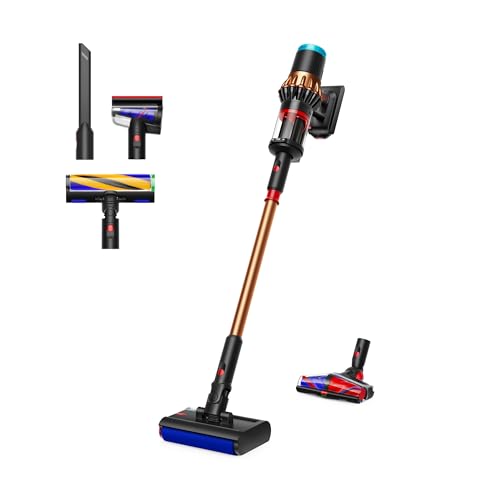
Dyson came to wet cleaning late and sideways: instead of a shop style canister, its wet dry machines are cordless hard floor washers built around a soft roller that lays down clean water, scrubs and wrings dirty water into a separate tank. The best dyson wet dry vacuum for you is therefore a question about hard floors, not about floods, and buyers who understand that distinction tend to be delighted while buyers who expect a shop vacuum tend to be confused.
This guide explains how the Dyson wet dry approach works, which homes it serves, what its rollers and tanks demand in upkeep, and where its limits sit.

Who Should Buy Which Dyson Wet Dry Vacuum?
Hard floor homes that mop every week
If your home is mostly wood, tile, stone or laminate and mopping is a standing chore, a Dyson roller washer replaces the mop and bucket with a single pass that leaves floors nearly dry. It shines in kitchens and entryways where spills and paw prints land daily. To see how this format compares with the wider field, our overview of the best wet dry vacuum designs sets roller washers beside canister and steam machines in one place.
Apartment dwellers who want one cordless floor tool
Small homes reward tools that start instantly and store upright in a corner. A cordless washer charges on a dock, runs long enough to cover an apartment of hard floors on one fill for most layouts. If your place also has carpeted bedrooms, remember this machine does hard floors only, and a separate dry vacuum still owns the carpet. Buyers weighing battery formats across brands will find the broader comparison in our guide to the best cordless wet dry vacuum designs useful.
Pet owners with hard floors and daily paw traffic
Muddy paws, dribbled water bowls and feeding corner splashes are exactly the small, frequent messes a grab and go washer handles best. The roller picks up grit while it washes, so one pass replaces sweeping then mopping. Hair is the watch item: rollers collect it at the edges, so choose this format if you are willing to clear the roller ends weekly. On delicate wood, the controlled water output is a genuine advantage, and our guide to the best wet dry vacuum for hardwood floors explains the moisture limits that protect finishes.
Key Features to Compare
The roller head system and how it washes
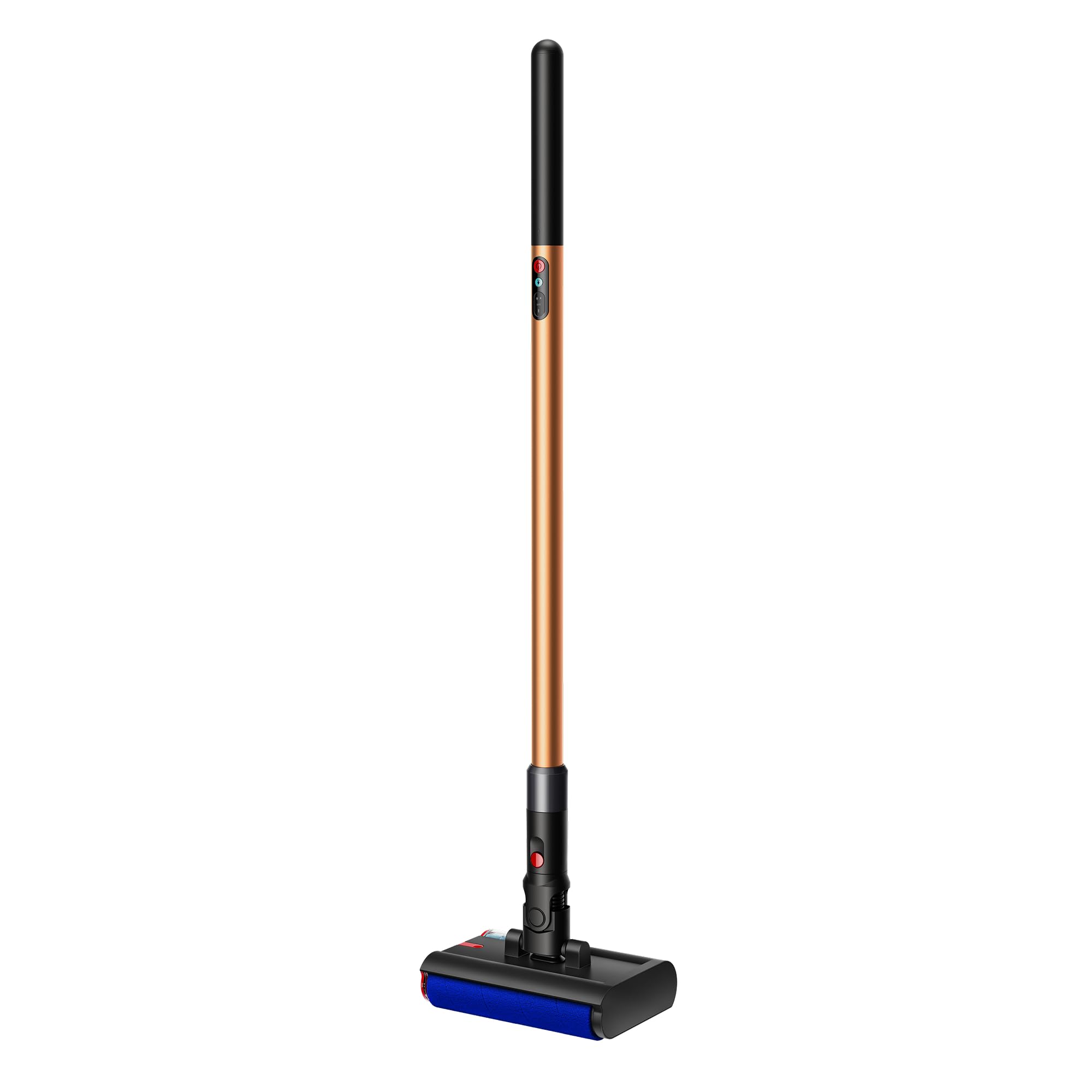
The heart of the Dyson approach is a motor driven soft roller fed with clean water from an onboard tank. As the roller turns, it scrubs the floor, and a blade and extraction path strip the dirty water into a separate recovery tank, so the roller keeps presenting a clean surface to the floor. This is why the format leaves floors drier than a mop and why it struggles with large dry debris: the roller is a washing tool first. Judge it on water control and recovery, not on shop vacuum style suction numbers.
Clean and dirty water separation
Separate tanks are the hygiene argument for the whole format. Clean solution only ever touches the floor once, while recovered water carries soil away into its own tank, unlike a mop that spreads thinning dirt with every dunk. Tank sizes are modest, sized for room by room work rather than whole warehouse floors, so expect a refill and empty rhythm on large homes. Check how the tanks release and rinse: designs you can strip and wash under a tap stay fresh, while sealed shapes trap residue and odor.
Battery runtime and floor coverage
Dyson wet dry machines are cordless, so runtime and coverage decide whether the format fits your home. Runtime is stated per charge on maker figures, but real coverage depends on how dirty the floors are and how slowly you pass. Apartments and single hard floor levels fit comfortably. Large multi room homes may need a mid clean charge or a second pass plan, which is a fair trade for cordless freedom if your mopping sessions are naturally short.
Self cleaning cycles and roller upkeep
Most designs in this family offer a dock based self cleaning cycle that flushes the roller with clean water after use. Run it every session, but do not treat it as the whole routine: pull the roller periodically, rinse it by hand, clear hair from the end caps and let it dry off the machine when you can, because a damp roller stored sealed grows odor. Rollers are consumables with a service life measured in months of regular use, so confirm the replacement roller price and availability before you buy, not after the first one wears thin.
What it deliberately does not do
Scope honesty matters with this format. A Dyson wet dry washer does not extract carpet, does not swallow screws, gravel or renovation debris, and does not replace a canister for flood pickup or car interiors. It also sits apart from steam designs, which add heat for tile and grout; our guide to the best steam wet dry vacuum covers that different approach if sanitizing heat is your priority. Buy the Dyson format for washing finished hard floors beautifully, and let other tools own the heavy wet work.
Dyson Wet Dry Versus a Traditional Wet Dry Vacuum
The two formats share a name and almost nothing else. A traditional wet dry vacuum is a suction canister with a foam filter swap: it inhales dry rubble and liquids alike through a hose into one tank, and its talents are volume, debris tolerance and flood duty. The Dyson format is a floor washer: it applies water, scrubs with a roller and recovers soil, and its talents are finish safe washing and floors that dry in moments. Neither replaces the other. Homes with workshops, basements and renovations need the canister; homes whose wet problem is a dirty kitchen floor need the washer, and some homes honestly need both.
Common Mistakes to Avoid
- Expecting carpet cleaning from a hard floor washer, which has no extraction path for pile and will only wet the surface.
- Running the roller over large dry debris like spilled cereal or cat litter piles, which jam the head instead of washing the floor.
- Storing the machine with a damp roller sealed inside, the fastest route to a sour smell that transfers to clean floors.
- Using strong detergents or bleach mixes in the tank, when the format is designed for water or maker approved solution only.
- Judging the machine by suction figures, when water control and recovery decide how clean and dry the floor ends up.
How to Make Your Dyson Wet Dry Vacuum Last Longer
Empty and rinse the dirty water tank after every session and leave both tanks open to dry, because recovered water turns fast. Run the self cleaning cycle on the dock, then still remove the roller about weekly to rinse it fully and clear hair from its ends and the scraper area. Let the roller dry before long storage, and replace it when the fibers mat down and stop scrubbing evenly. Keep the small filters and screens on the dirty water path rinsed and dry, wipe the dock contacts, and store the machine charged but not baking in a hot garage. These habits take minutes and protect the two things that age this format fastest: the roller and the battery.
FAQ
Does Dyson make a traditional wet dry shop vacuum?
No. Dyson wet dry machines are cordless hard floor washers built around a water fed roller, not canister shop vacuums with hoses and foam filters. They wash and recover water from finished hard floors only. If your jobs include garage debris, floods or car interiors, you need a traditional wet dry vacuum from a shop oriented brand alongside or instead.
Can a Dyson wet dry vacuum clean carpet or rugs?
No, and trying is a common disappointment. The roller head is designed to wash sealed hard surfaces and has no brushroll agitation or deep extraction for carpet pile, so it would only dampen the surface of a rug. Keep a dry vacuum for carpet and rugs, and use the Dyson washer on the hard floors around them. Low hard floor transitions are fine to cross with the water flow paused if the design allows it.
How often does the roller on a Dyson wet dry vacuum need replacing?
Roller life depends on floor area and grit load, but regular home use typically wears a roller over a span of months rather than weeks. Replace it when the fibers stay matted after washing, when cleaning leaves streaks the machine once handled, or when the roller develops a persistent odor that rinsing cannot clear. Because rollers are a running cost unique to this format, factor their price into your yearly budget from the start.
Is a Dyson wet dry vacuum safe for hardwood floors?
Used as directed, yes, because the format meters a thin film of water and recovers it in the same pass, leaving far less standing moisture than a mop. The cautions are the usual hardwood ones: use only water or approved solution, do not let water pool at seams, and never use any wet machine on unsealed or wax finished wood without the flooring maker approval. Prompt recovery is exactly what protects the finish.
What solution should you put in a Dyson wet dry vacuum?
Use plain water or a cleaning solution the maker approves for the machine, at the dilution stated. Strong detergents, bleach and ammonia based mixes can damage seals, foam in the recovery path and void coverage, and they are unnecessary because the roller scrubbing action does the mechanical work. Never mix cleaning chemicals together in any tank, and rinse the clean tank if you switch solutions between sessions.
Final Thoughts
Judge this format as a mopping replacement, not as a vacuum category entry, and its value snaps into focus: metered water, constant clean roller contact and fast drying floors, traded against hard floor only scope and roller upkeep. Compare the current options in the product table above with your floor plan in mind, especially tank rhythm and runtime. If your wet messes live on finished hard floors, the best dyson wet dry vacuum for your home will quietly retire your mop, and you will wonder why the bucket lasted so long.


