
Best Easy-Off Oven Cleaner in 2026: The Lineup Explained
Disclosure: We may earn a commission when you buy through links on this page, at no extra cost to you. As an Amazon Associate I earn from qualifying purchases. Learn more

Understand the Easy-Off lineup by formula class: heavy duty versus fume free, gel versus spray, self cleaning oven rules and safe use, step by step.
Oven cleaner is one of the strongest chemicals in the cleaning cabinet, and one brand dominates the shelf: Easy-Off. The confusion is that the brand sells several formulas under similar cans, and choosing the wrong one matters. A heavy duty formula on a self cleaning oven can damage the interior coating, while a gentle formula on a year of baked on grease will barely make a dent. Picking the best easy-off oven cleaner for your situation is about matching formula strength to your oven type and soil level, not about finding a single winner.
This guide explains the lineup by formula type, walks through safe use step by step, and covers the oven types and surfaces each class should never touch. These are caustic products, so the safety sections are part of the buying decision, not fine print.


Who Should Buy Which Easy-Off Formula?
Owners of Standard Ovens With Heavy Baked On Grease
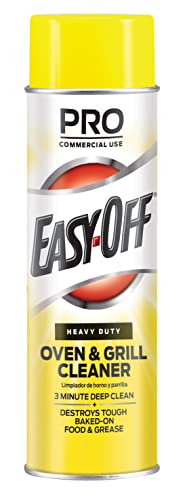
If your oven is a conventional model without a self cleaning coating and the floor carries layers of carbonized grease, the heavy duty class is your tool. These formulas are built to soften thick deposits over a long dwell so you can lift them with a scraper and cloth instead of chiseling. This is also the group that should read the wider field in the guide to the best oven cleaner, because comparing gel and spray delivery across brands helps you pick a format before you commit to one can.
Self Cleaning Oven Owners and Fume Sensitive Homes
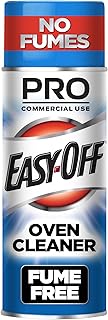
Self cleaning ovens have a special interior finish that strong caustic formulas can dull or damage, so this group must stay inside the fume free, self cleaning safe class and verify the can says so explicitly. The same gentle class suits small apartments, homes with birds or scent sensitive residents, and anyone who cannot open windows near the kitchen. If even the fume free class feels like too much chemistry, compare the alternatives under the best non toxic oven cleaner and the best natural oven cleaner, accepting that paste and steam methods trade dwell time and effort for milder ingredients.
Spot Cleaners and Grill and Rack Owners
Not every job is a whole oven. If your real targets are the glass door, a greasy rack, a broiler pan or the barbecue grill grates, a gel or spray from either class used outdoors or in a ventilated sink area does the work without treating the whole cavity. This group should check the label for your exact item, since racks and grates tolerate stronger treatment than oven interiors. Owners whose main question is the self cleaning cycle itself will find the dedicated guidance under the best oven cleaner for self cleaning ovens useful alongside this lineup overview.
Key Features to Compare
Formula Class: Heavy Duty Versus Fume Free
The lineup divides first by strength. Heavy duty formulas carry a higher load of alkaline cleaners, traditionally built around sodium hydroxide, and are made for conventional ovens with severe buildup; they work cold, over hours, and demand gloves and ventilation. Fume free formulas use a milder system designed to be used without the harsh fumes, and they are the class labeled safe for self cleaning ovens. Strength is not a virtue by itself: using heavy duty chemistry where the gentle class suffices adds risk and can harm coatings, while using the gentle class on carbonized grease wastes a can and an afternoon.
Delivery Format: Spray, Gel and Foam Behavior
Sprays coat wide areas fast and suit oven walls and doors, but they mist, so you must protect surrounding surfaces and your own breathing zone. Gels cling to vertical walls and the roof of the cavity instead of running down, which keeps the active layer where the grease is during a long dwell. Foam sprays sit between the two and help you see coverage. For a full cavity job, many owners use gel or foam on the walls and a spray for the floor; for racks and grates, format matters less than dwell time and a good scrape afterward.
Dwell Time and Cold Versus Warm Oven Directions
Labels in this lineup give two clocks: a shorter one for regular soil and an overnight one for heavy deposits, and some formulas work in a cold oven while others allow a slightly warm one. Overnight dwell is the honest answer for neglected ovens; a short dwell promise applies to fresh splatters. Plan the job so the oven is free when you need it, because a cleaner working overnight means no baking that evening. Never heat an oven with cleaner inside unless your exact can directs it, and never combine leftover cleaner with the self cleaning cycle.
Surface and Oven Type Compatibility
Read the exclusions before the promises. Standard cautions across the category include aluminum, painted surfaces, linoleum and some plastics, and the heating elements and temperature probes inside the oven itself, which should be avoided or masked rather than soaked. Pilot lights and gas fittings deserve care around any spray. The fume free class widens compatibility to self cleaning interiors, but it is not universal either. When your oven manual and the can disagree, the oven manual wins, because the coating warranty is worth more than one cleaning.
Ventilation, Gloves and Protective Gear Requirements
Every can in this lineup assumes gloves; treat that as a specification, not a suggestion, and choose long household gloves that cover the wrist. Eye protection matters when spraying overhead inside a cavity. Ventilation requirements differ by class: heavy duty formulas call for open windows and a running fan, while fume free versions relax that to ordinary room air for most people, though sensitive noses will still prefer airflow. Factor the gear into your purchase: if you will not wear gloves and open windows, you are a fume free or alternative method buyer, whatever your grease level says.
How to Use Oven Cleaner Safely, Step by Step
Start cold: confirm the oven is off and cool, remove the racks to the sink or an outdoor spot, and take out loose crumbs and the worst chunks with a plastic scraper. Protect the floor and counters around the oven door with newspaper or old towels, and keep children and pets out of the kitchen for the whole job. Put on long gloves and eye protection, open windows and switch on a fan. Apply the cleaner to the walls, floor and inside of the door, avoiding the heating elements, pilot assembly and any bare aluminum trim, then close the door and let the label dwell time run in full.
When time is up, wipe the softened grease out with old cloths or paper towels you will throw away, working from the least soiled areas to the worst so you are not smearing sludge around. Rinse the interior repeatedly with a cloth dampened in clean water, changing the water often, because cleaner residue left behind will smoke and smell the next time the oven heats. If residue remains in corners, a paste of baking soda and water on a cloth helps lift the last film without adding new chemistry. Wash racks separately, rinse everything, and wash your hands and forearms when the gloves come off. If cleaner contacts skin and burning starts, rinse with water for several minutes and seek medical advice if irritation persists; if a child or pet gets into the product, call poison control or your veterinarian right away.
Common Mistakes to Avoid
- Using a heavy duty formula inside a self cleaning oven, which can dull and damage the special interior coating the cycle depends on.
- Spraying the heating elements, temperature sensor and pilot assembly, then wondering why the oven smokes or heats unevenly afterward.
- Shortening an overnight dwell to an hour on carbonized grease, then scrubbing harder with abrasive pads that scratch the enamel.
- Mixing oven cleaner with any other chemical, or using it right before or after the self cleaning cycle while surfaces are still hot.
- Working without gloves and ventilation because the job looks small, since caustic burns often start before you feel them.
How to Make Your Oven Cleaner Work Longer Between Uses
The cleaner lasts longest, in every sense, when the oven rarely needs the full treatment. Line the oven floor with a reusable liner or a sheet of foil on the lower rack position where the maker allows it, and wipe fresh splatters once the oven cools rather than letting them bake through five more dinners. Treat racks and the door glass on a lighter schedule with the fume free class so the heavy duty can stays an occasional tool. Store cans upright, capped, in a locked or high cabinet away from food and from other chemicals, and check the nozzle with a trial spray outdoors before a big job, since a clogged nozzle wastes product and spatters. A can stored cool and sealed stays effective well beyond a single season.
FAQ
Can you use Easy-Off in a self cleaning oven?
Only the formula class labeled for self cleaning ovens, which is the fume free line; the can will state the compatibility plainly. Heavy duty formulas are not approved for those interiors and can damage the coating. Even with the right class, never run the self cleaning cycle with cleaner residue inside, and wipe and rinse the cavity thoroughly first. When in doubt, your oven manual outranks the can, so check both before you spray.
How long should oven cleaner sit before you wipe it out?
Follow the two clocks on your can: a shorter dwell for routine soil, and an overnight dwell for heavy carbonized buildup. The grease should wipe away soft; if it still resists, more time is the answer, not more force. Keep the surface coated the whole while, since dried cleaner stops working. Plan meals around the job, because an oven mid treatment is out of service.
Can you clean oven racks with oven cleaner?
Yes, racks are one of the best uses, because they can be treated outside the oven where ventilation is easy. A common approach is to lay racks in a large trash bag outdoors or in a tub, apply the cleaner, and let the dwell time loosen the carbon before rinsing with a hose or shower head. Keep the product off lawns and garden beds, rinse into a drain where local rules allow, and dry racks fully before they go back in.
What should you do if oven cleaner fumes bother you?
Stop, leave the kitchen and get fresh air; fumes that cause coughing, eye watering or dizziness are a signal, not an inconvenience to push through. Ventilate the space from outside the room if you can, and let the air clear fully before returning with gloves on. Next time, switch to the fume free class or a non caustic method, and consider a respirator rated for chemical vapors if you must use strong formulas. Anyone whose breathing does not settle quickly should seek medical advice.
Is the fume free formula strong enough for a very dirty oven?
It is strong enough for moderate buildup and for maintained ovens, and an overnight dwell closes much of the gap with the heavy duty class. Where it honestly loses is thick, years old carbon on a conventional oven floor, which may need the heavy duty formula or a professional cleaning. A practical path is one fume free overnight treatment, an honest look, and a second application before escalating, since two patient rounds beat one reckless one.
Final Thoughts
The lineup is simpler than the shelf suggests: heavy duty chemistry for conventional ovens with serious carbon, the fume free class for self cleaning interiors and sensitive homes, and format chosen by whether your soil sits on walls or floors. Respect the dwell time, protect your skin and lungs, and let the oven manual settle any argument with the can. Chosen and used that way, the best easy-off oven cleaner for your kitchen is a safe, occasional deep reset rather than a monthly ordeal. Compare the formula classes in the product table above before you buy.


