
Best Grout Cleaner for Colored Grout of 2026: Guide
Disclosure: We may earn a commission when you buy through links on this page, at no extra cost to you. As an Amazon Associate I earn from qualifying purchases. Learn more

Compare the best grout cleaner for colored grout by formula type and color safety, with brush and sealing tips that protect the grout pigment.
Colored grout was a design choice: charcoal lines against white tile, warm gray around stone, a deep tone that hides everyday soil. The danger is that many strong grout cleaners were designed for the white grout covered in our best grout cleaner for white grout guide, and the bleach or acid that whitens it can fade or blotch a pigmented joint, turning a sharp design into a patchy one. Choosing the best grout cleaner for colored grout means putting color safety first and cleaning power second, then using technique to close the gap.
This guide compares oxygen based, alkaline, and enzyme grout cleaners by how they treat pigment, covers the spot check that protects you, and explains the brush and sealing habits that keep colored grout looking even.

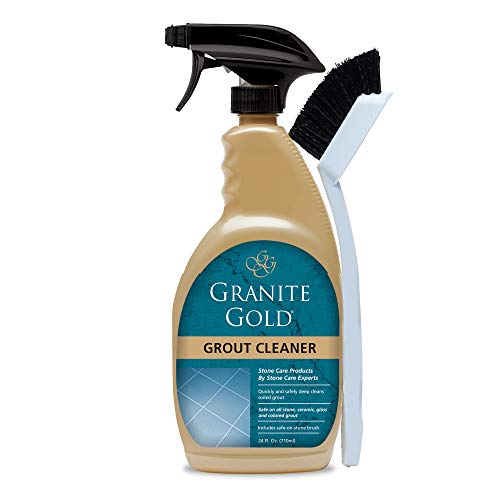

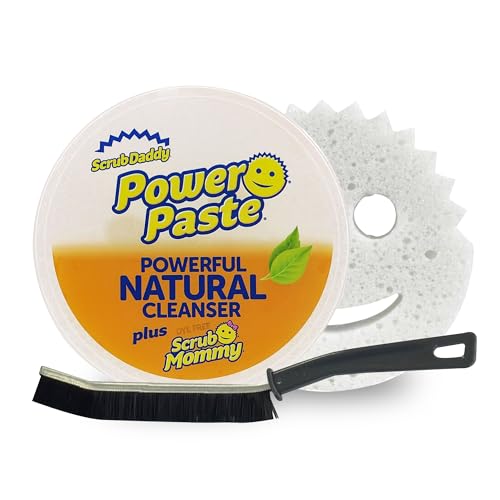


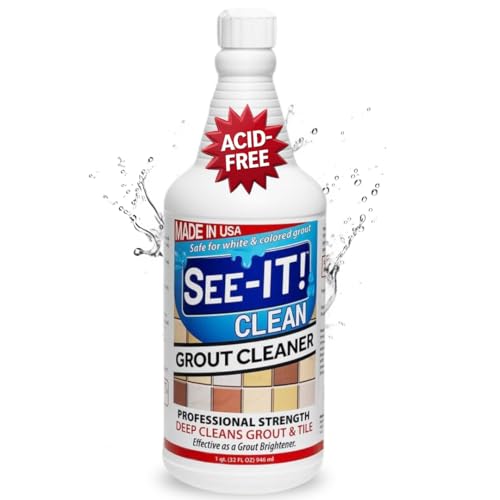
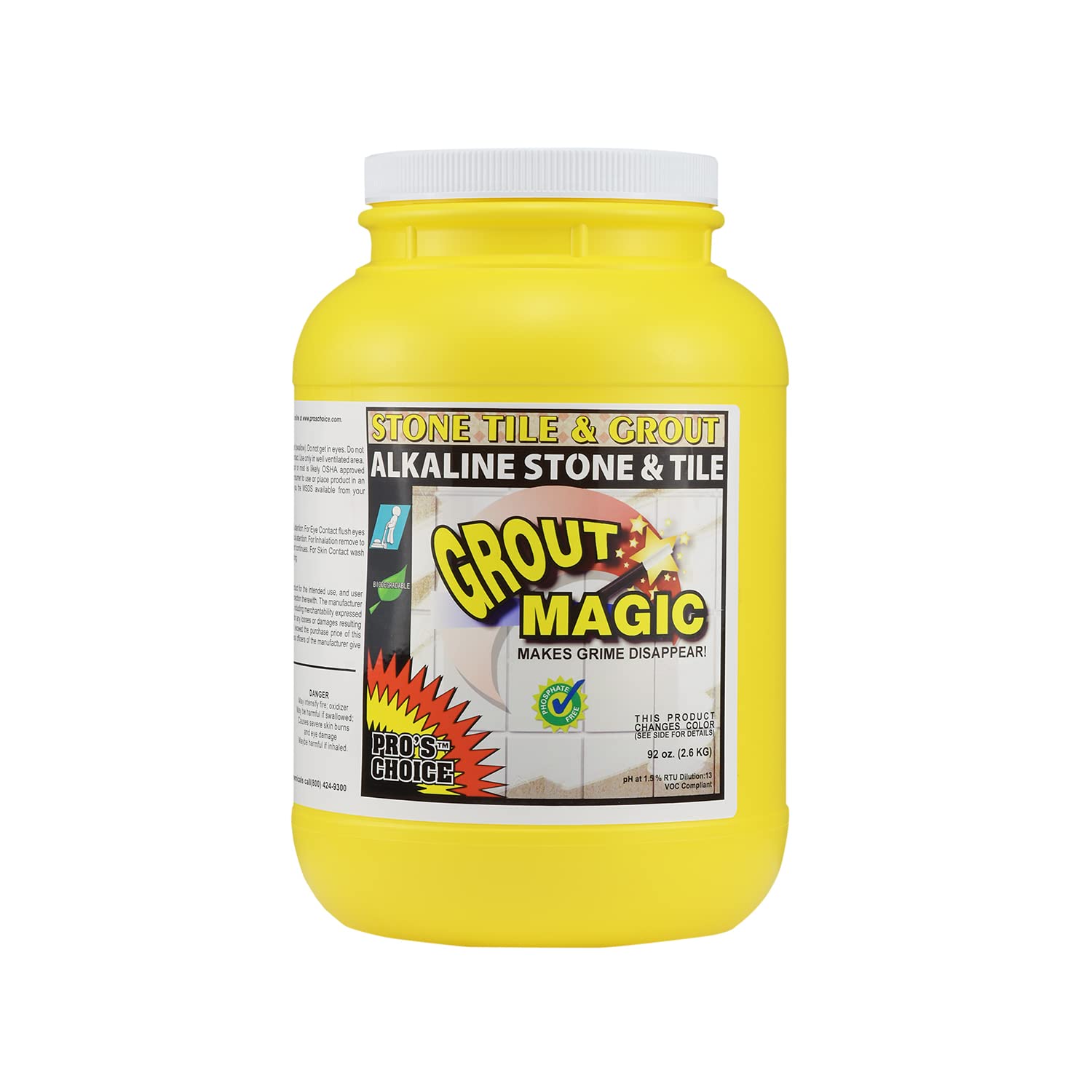
Who Should Buy Which Grout Cleaner for Colored Grout?
Homes with dark grout in showers and bathrooms
Dark grout hides dirt, so the visible problems are usually soap scum film, hard water haze, and mildew spots at the wettest joints. This group needs a color safe alkaline or enzyme cleaner of the kind compared in our best grout cleaner for shower guide, one that cuts film without bleaching, plus a stiff brush, because agitation does most of the work on texture. Since dark grout shows cleaner residue as a light film, rinsing discipline matters as much as the product: plan on a full rinse and a dry buff afterward.
Kitchen backsplashes and floors with mid tone grout
Gray and beige grout around cooking areas collects grease and tracked in grit, and it shows both as uneven darkening. An oxygen based cleaner of the kind featured in our best grout cleaner for floor tile guide suits this group well: it lifts organic soil and is generally considered color safe when used as directed, brightening the soil away without stripping pigment. Floors also reward a cleaner that rinses clean, since dried residue on grout lines grabs new dirt faster than the tile does.
Historic or high end tile with pigmented or sanded grout
Where grout color is part of an expensive installation, caution rules: choose pH neutral or mildly alkaline cleaners, check every new product, and avoid acids entirely, since acid etches cement based grout and can shift its color permanently. This group should also think about sealing as part of cleaning, because a good penetrating sealer keeps soil on the surface where gentle cleaners can handle it, reducing the need for strong chemistry later.
Key Features to Compare
Formula type: oxygen, alkaline, or enzyme
Oxygen based cleaners release oxygen bleach, typically from sodium percarbonate, which breaks down organic stains and is widely treated as color safe for grout when mixed and timed as directed. Alkaline cleaners cut grease and soap scum by chemistry rather than bleaching, making them a safe default for colored joints. Enzyme formulas digest organic soil slowly and suit maintenance cleaning. What to avoid on colored grout is chlorine bleach and strong acids: chlorine can fade pigment unevenly, and acids dissolve the cement itself, lightening and weakening the joint.
Color safety labeling and the spot check
Look for explicit color safe language on the label, and treat its absence as a warning rather than a detail. Even a labeled product deserves a spot check on colored grout: apply it to a hidden joint, behind the toilet or inside a closet threshold, wait the full dwell time, rinse, and let it dry completely before judging, because wet grout looks darker and can hide fading until it dries. This five minute check is the difference between confidence and a permanent two tone floor.
Format: gel, liquid, spray, or powder
Gels cling to vertical shower joints instead of running down the wall, giving the chemistry time to work where mildew lives. Liquids and sprays cover floors efficiently and mop up easily. Powders you mix yourself, common with oxygen cleaners, let you control strength and avoid paying for water, but they must dissolve fully or the grit can scratch glazed tile. Match the format to the surface orientation first: walls want cling, floors want coverage.
Dwell time and agitation needs
Color safe chemistry is usually gentler, so dwell time and brushing carry more of the load. Oxygen and enzyme cleaners may need a long dwell, while alkaline sprays often work faster. A narrow grout brush with stiff nylon bristles multiplies any formula's effect and is safer for pigment than scouring pads, which can abrade the grout surface. If a product promises instant results on colored grout with no scrubbing, be skeptical: speed usually comes from the strong chemistry this category exists to avoid.
Sealer compatibility and aftercare
Some cleaners are designed to work on sealed grout without stripping the sealer, and others will shorten a sealer's life, so check the label if your grout is sealed. Deep cleaning is also the right moment to reseal: once colored grout is clean and fully dry, a penetrating sealer locks in the even color and makes future soil sit on top. If a cleaner leaves joints looking lighter after drying, that may be residue rather than fading, and a plain water rinse usually settles the question.
Cleaning Colored Grout Without Fading It: A Safe Routine
Sweep or vacuum first so loose grit does not grind under the brush. Wet the grout lines with plain water, which slows how fast the cleaner soaks in and helps it work evenly. Apply your color safe cleaner, let it dwell for the label time, then scrub joint by joint with a grout brush, working small areas so nothing dries mid job. Rinse thoroughly with clean water, changing the water when it clouds, because residue left on colored grout dries into a pale film that mimics fading. Dry the area with a towel or fan; grout shows its true color only when dry, so judge your results then, not before. Ventilate the room while you work and keep cleaning products stored locked away from children and pets.
Common Mistakes to Avoid
- Reaching for chlorine bleach on colored grout, which can leave permanent light patches in the pigment.
- Using vinegar or acidic descalers on cement grout, etching the surface and shifting its color.
- Judging the color while the grout is still wet, when every joint looks darker than it really is.
- Skipping the rinse, so cleaner residue dries into a whitish film that looks like fading.
- Scrubbing with a wire brush or scouring pad, abrading the joint and making it grab dirt faster.
- Trying a new cleaner on the most visible joint instead of a hidden spot.
How to Make Your Grout Cleaner Last Longer
Store powders dry and sealed, because oxygen based formulas lose strength once moisture reaches them, and keep liquids capped and out of direct sun and heat. Buy sizes matched to your home: a shower only household needs far less than a whole tiled ground floor. Keep the brush with the bottle so the pair is always ready; the most common reason a cleaner seems weak is that it was used without agitation. Label any secondary spray bottle you decant into, and never mix leftover products together in one container. As with all household chemicals, store everything locked away from children and pets.
FAQ
What grout cleaner is safe for colored grout in a shower?
A color safe alkaline or gel cleaner made for showers is the usual answer, because it targets soap scum and mildew film without bleach. Gels earn their place on walls by clinging through the dwell time. Check that the label allows use on your tile as well, since some natural stone showers restrict whole categories of cleaners. Pair it with a stiff grout brush and a full rinse, and the shower joints stay even in tone.
Can oxygen bleach fade colored grout?
Oxygen bleach is generally considered color safe for grout and fabrics, which is exactly why it anchors this category. The safeguards are dilution and time: mix it to label strength rather than stronger, and do not leave it soaking for many hours beyond the directions. Hot water activates it faster, so use warm as directed. With those limits respected, it lifts stains from the soil instead of stripping color from the joint.
How often should colored grout be cleaned and resealed?
Light cleaning every week or two keeps film from building, with a deeper clean a few times a year depending on use. Penetrating sealers on grout wear down over time in wet areas; water that stops beading and starts soaking in and darkening the joint is the sign to reseal. Sealing after a deep clean, once the grout has dried fully for a day or two, gives the most even and durable result.
Will vinegar damage colored grout?
Yes, it can. Vinegar is an acid, and cement based grout reacts to acid by slowly dissolving at the surface, which roughens the joint and can lighten or unevenly shift its color over repeated use. The damage is gradual, so a single splash is not a disaster, but vinegar should not be your routine grout cleaner. It also undercuts sealers. Keep vinegar for glass and fixtures, and use a color safe alkaline or oxygen cleaner on the joints.
How do you check a grout cleaner for color safety?
Choose a hidden joint, such as behind a door, inside a closet, or behind the toilet. Apply the cleaner exactly as you would use it, full strength and full dwell time, then rinse and let the joint dry completely, which can take several hours. Compare it with neighboring joints in daylight. If the dried joint matches, the product is safe to use across the room; if it looks lighter or blotchy, retire that cleaner to white grout duty only.
Final Thoughts
Put the label checks in order: color safe claim, gentle chemistry, a format that suits your walls or floors, and a spot check before the first full clean. The product table above compares the formula types on pigment safety, dwell time, and best use. With the right cleaner and a brush doing honest work, the best grout cleaner for colored grout keeps those designed color lines crisp and even, clean after clean, instead of slowly bleaching your floor into a pattern you never chose. Our best grout cleaner overview covers the full category if you are comparing formulas for several rooms at once.


