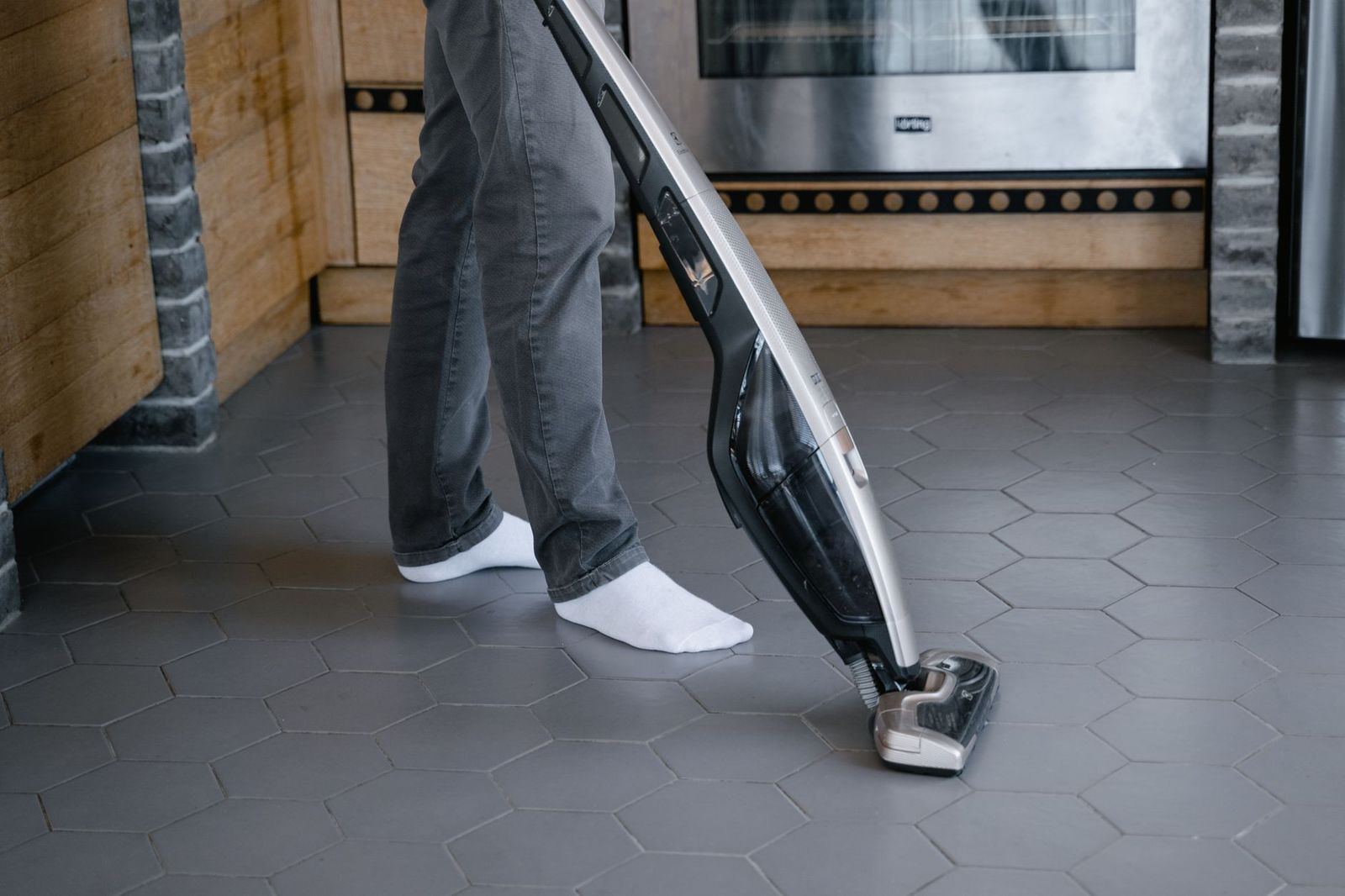
Best Handheld Vacuum With Brush for Fabric and Stairs in 2026
Disclosure: We may earn a commission when you buy through links on this page, at no extra cost to you. As an Amazon Associate I earn from qualifying purchases. Learn more

Choose the best handheld vacuum with brush by comparing motorized brush heads, bristle types, suction, runtime, and dust cup design for fabric and stairs.
A plain suction nozzle glides over crumbs but skates across the messes that cling: lint ground into a sofa, hair woven into stair carpet, grit pressed into car mats. A brush changes the physics by agitating the surface while the suction works. The best handheld vacuum with brush pairs the right brush action with enough power and runtime to finish the job, and this guide explains how to tell the useful designs from the gimmicks.
We will compare motorized brushrolls against fixed brush attachments, look at bristle choices for different surfaces, and cover the battery and dust cup details that decide whether a handheld gets used daily or abandoned in a drawer.




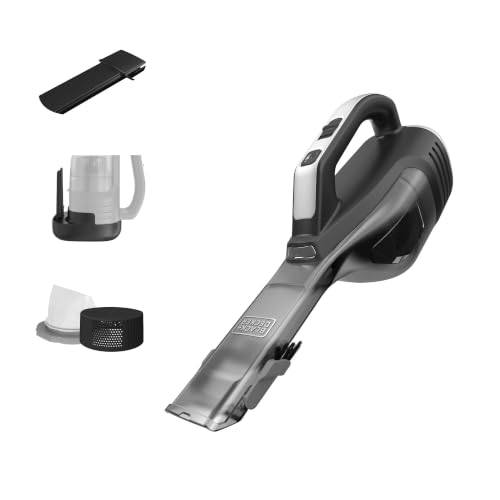
Who Should Buy a Handheld Vacuum With a Brush?
Stair and Upholstery Households
Carpeted stairs and fabric sofas are where brushes earn their keep, because suction alone cannot shake debris loose from fibers at arm length. A compact motorized head scrubs each tread as you climb, and a smaller brush tool works sofa seams and cushions. If most of your quick jobs are fabric rather than hard floor spills, this format serves you better than a wider floor oriented handheld.
Car Owners Who Detail Their Own Interior
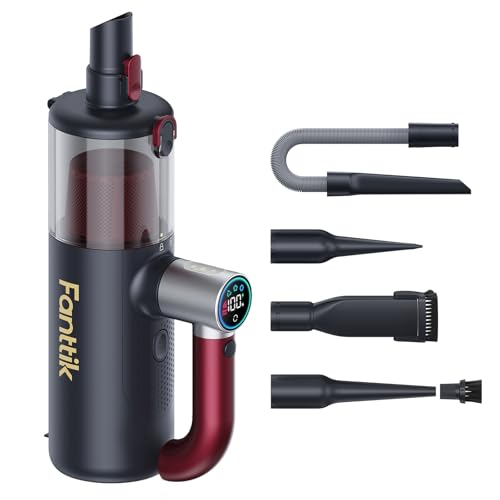
Car carpets and mats hold sand and grit deep in the pile, and a brush head is the difference between skimming the surface and actually emptying the mat. Our guide to the best handheld vacuum for car covers the car specific side, including power options for garage use. Look for a crevice tool in the kit as well, because seat rails and console gaps are the other half of every car clean.
Pet Owners Fighting Hair on Soft Surfaces
Hair clings to fabric by static and by weaving into the weave, and a rotating brush is the standard answer. Rubber edged brush tools also rake hair from upholstery without a motor, which suits quick daily passes. For a fuller picture of hair focused designs, see our guide to the best handheld vacuum for pet hair. The key choice is motorized agitation for carpeted areas versus simple rake tools for smooth fabric.
Key Features to Compare
Our general guide to the best handheld vacuum models covers the category broadly; the five factors below are the ones that matter once a brush enters the picture.
Motorized Brushroll Versus Fixed Brush
A motorized brushroll spins under power and scrubs carpet pile and car mats far more effectively than suction alone. Fixed brushes, whether bristle strips on a nozzle or separate hand tools, rely on your arm motion and suit upholstery, vents, and delicate surfaces. Some handhelds include both, which is the flexible answer for mixed homes. Check whether the brushroll can be switched off or removed for hard floors, because a spinning brush can scatter debris on smooth surfaces.
Bristle Type and Surface Safety
Stiff nylon bristles dig into carpet and mats but can fuzz delicate upholstery fabric and snag loose weaves. Soft bristles and rubber fins are kinder to fabric, leather, and dashboards while still raking up hair and lint. If your jobs split between rough mats and fine fabric, favor a kit with two brush styles over one aggressive head. Try any new brush on a hidden patch of upholstery first, the same caution you would use with a new cleaning product.
Suction Strength With the Brush Attached
Brush heads add resistance and change airflow, so judge suction with the head fitted, not from the bare nozzle figure in the listing. Air watts and pascals are quoted inconsistently across brands, so treat real world clues as more honest: a dust cup that fills with fine dust rather than only coarse crumbs suggests the airflow is carrying the small fraction too. Strong suction also keeps the brush from merely rearranging dirt on the surface.
Battery Runtime and Charge Setup
Cordless convenience defines most handhelds, and brush motors draw extra power, so quoted runtime often assumes the brush off. Look for runtime figures stated with the motorized head running, which is shorter than the headline figure. Our guide to the best cordless handheld vacuum compares charging styles, from wall docks to simple plug in adapters. A dock that stores the brush attachments with the machine keeps the whole kit grab ready.
Dust Cup, Filter, and Emptying
Brush work fills cups with hair and fiber, so cup capacity and emptying design matter. One touch bottom opening cups drop the mess without your fingers fishing inside, and washable filters cut running costs. Hair wraps the filter cage on some designs, choking suction long before the cup looks full, so check how the filter is shielded. A clear cup wall helps you see both the fill level and when the filter needs a rinse.
Matching Brush Style to the Surface
Run a quick inventory of your three most common brush jobs before choosing. Carpeted stairs and car mats call for a motorized roll with stiff bristles. Sofas, curtains, and pet beds call for soft bristles or rubber rakes that lift hair without stressing fabric. Shelves, keyboards, and vents call for a small soft dusting brush and gentle suction. A handheld whose kit matches your top three jobs beats a stronger machine whose only head suits none of them, and this ten minute inventory is the most reliable step in the whole purchase.
Common Mistakes to Avoid
- Using a stiff motorized brush on delicate upholstery or loose woven throws, which can pull threads and roughen the fabric surface.
- Assuming the longest advertised runtime applies with the brush motor running, then running out of charge halfway up the stairs.
- Letting hair wind tight around the brushroll until it stalls, straining the small motor that drives it.
- Pressing down hard to force a better clean, which bogs the brush and seals the nozzle so airflow drops.
- Emptying the cup only when it looks full, while the clogged filter quietly halves the suction.
How to Make Your Handheld Vacuum With Brush Last Longer
Cut wrapped hair from the brushroll after pet heavy sessions, using the seam ripper trick many makers suggest, and spin the roll by hand to confirm it turns freely. Wash the filter on the schedule in the manual and let it dry completely before refitting, because a damp filter clogs fast and can smell. Empty the cup after big jobs rather than storing the machine full. Keep the charging contacts clean and store the vacuum on its dock or in a cool dry spot away from direct sun, which ages batteries. If your model has a replaceable battery, a spare kept in rotation doubles working time on car days and extends the useful life of the whole kit.
FAQ
Does a motorized brush really clean better than a plain nozzle on a handheld vacuum?
On fibrous surfaces, yes, clearly. The brush shakes loose the debris that suction alone leaves behind in carpet pile, stair treads, and car mats, and the difference is visible in what lands in the cup. On smooth hard floors the advantage disappears and can reverse, because the spinning brush may flick light debris ahead of the nozzle. That is why switchable or removable brush heads are the practical choice for mixed homes.
Will a brush head scratch hardwood floors or damage delicate fabric?
A stiff brushroll can dull delicate finishes and stress fine fabrics, so match the tool to the surface. Use soft bristle or brush off modes on sealed wood and try upholstery in a hidden spot first. Most quality kits include a gentler tool for exactly this reason. When in doubt, plain suction with a soft dusting brush is the safe setting, and it still handles surface dust well.
How long do handheld vacuum batteries last with the brush running?
Expect a limited stretch of brush on cleaning from most cordless models, less on maximum power settings. That covers a staircase, a sofa, or one car interior per charge for typical homes. If your routine regularly exceeds that, choose a model with a swappable battery or keep a second unit where the work happens, such as the garage, rather than stretching one battery past its comfortable range.
How do you stop hair from tangling around the brushroll?
You cannot prevent it entirely, but you can manage it: clear the roll after every pet heavy session instead of monthly, because loose wraps lift off easily while tight felted wraps need cutting. Some brushrolls use combing teeth or shaped blades that reduce buildup, which helps in homes with long hair. A quick spin check before storing tells you whether the next user gets full performance or a struggling motor.
Can a handheld vacuum with brush replace a full size vacuum on stairs?
For many homes, yes for routine cleaning, because the handheld is lighter to carry and the brush head matches tread width well. A full size machine with a hose and powered stair tool still wins for deep seasonal cleans, moving more air and holding far more debris. The practical pattern is handheld upkeep weekly and the big machine a few times a year, which keeps stairs presentable without hauling weight every week.
Final Thoughts
The best handheld vacuum with brush is the one whose brush style matches your surfaces and whose battery honestly covers your routine. Compare the product table above with your stair, sofa, and car jobs in mind, and favor kits that include both a motorized head and a gentle tool over a single aggressive brush. Agitation is the whole point of this format, and when the brush fits the fabric, a small vacuum does work that surprises people.