
Best High End Robot Vacuum for 2026: What the Premium Price Buys
Disclosure: We may earn a commission when you buy through links on this page, at no extra cost to you. As an Amazon Associate I earn from qualifying purchases. Learn more

See what the best high end robot vacuum price actually buys, from self cleaning docks to stronger avoidance, plus the running costs to expect.
Flagship robot vacuums now cost as much as a good laptop, and the obvious question is what the extra money actually does once the robot is on your floor. Some of it buys real daily convenience: docks that empty, wash, and dry, sensors that dodge cables and pet messes, and suction that handles carpet properly. Some of it buys polish you may never notice. Understanding the difference is how you choose the best high end robot vacuum without paying for a brochure instead of a cleaner home.
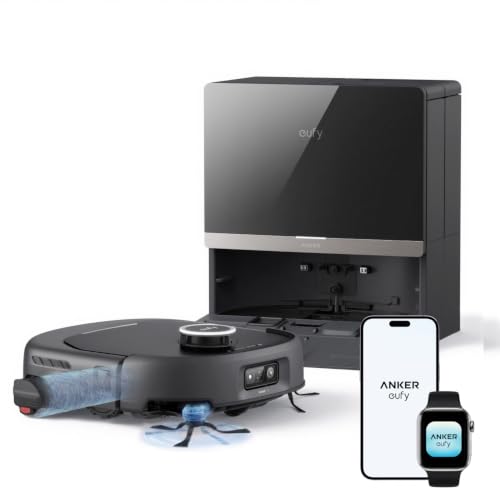
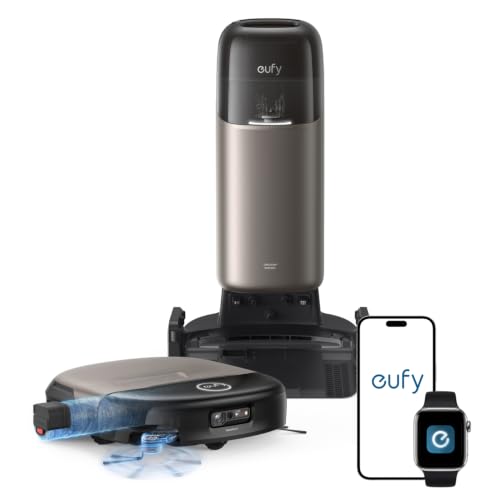
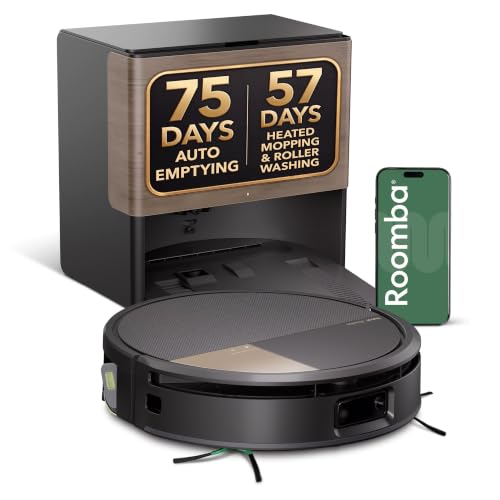
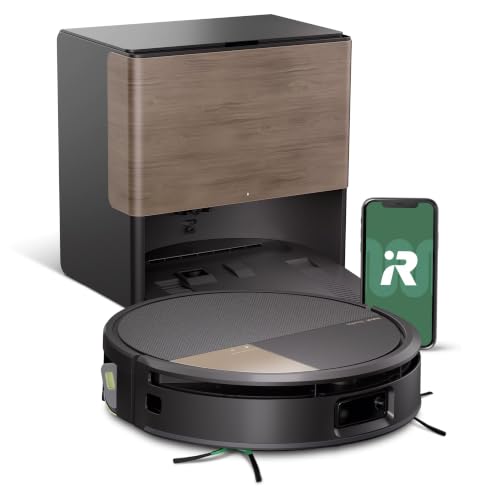
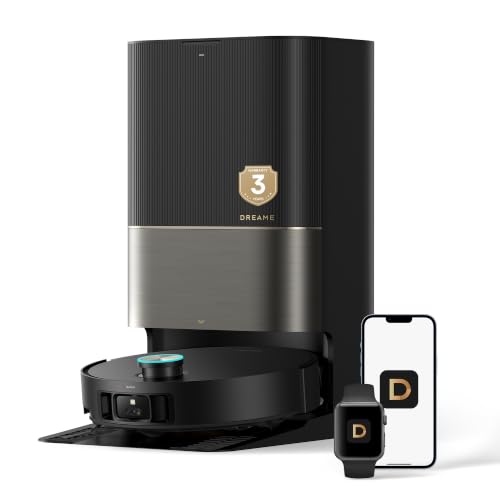
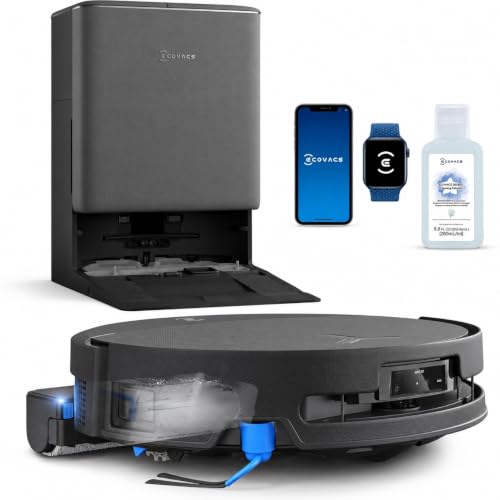
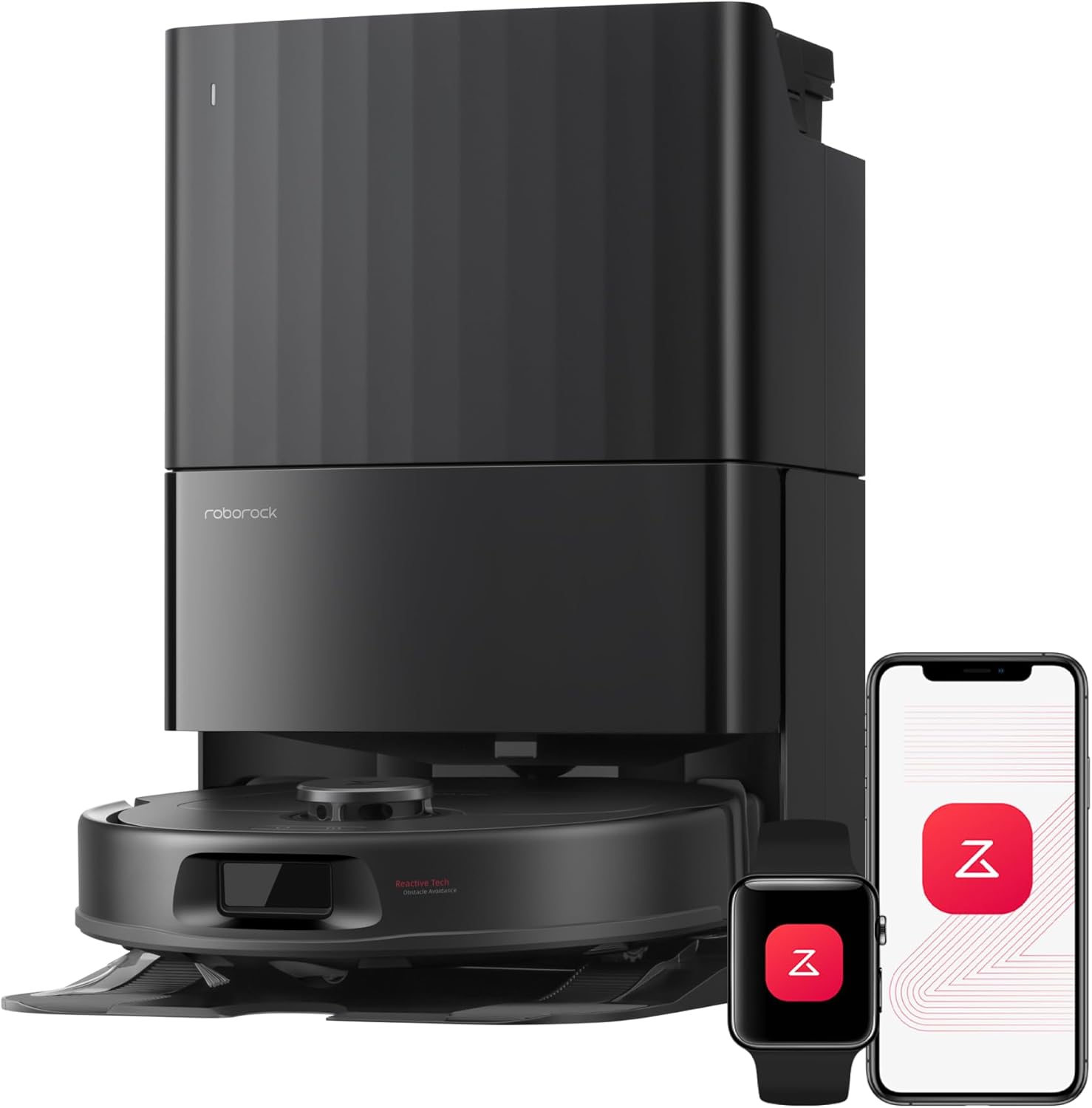
This guide walks through the premium tier feature by feature, with honest notes on which upgrades change daily life and which are easy to skip. The product table shows what flagship packages typically include, and the sections after it cover running costs and the households that genuinely benefit.


Who Should Buy Which High End Robot Vacuum?
Busy large homes that want cleaning on autopilot
The flagship tier exists for homes where vacuuming keeps losing to everything else. A full function dock that empties the bin, washes mop pads, and refills water stretches hands on involvement to a few minutes a week, and multi floor mapping keeps a big home covered on schedule. If your floors are large, mixed, and perpetually busy, this is the group the premium price was designed for, and our general guide to the best robot vacuum categories shows what you give up at lower tiers.
Pet households running the robot every day
Daily runs change the math on premium features. Self empty docks stop being a luxury when a bin fills with hair every two days, and camera based avoidance earns its cost the first time it steers around a pet accident instead of through it. Our guide to the best robot vacuum for pet hair covers the daily hair routine in depth. For pet homes, the flagship combination of dock automation plus smart avoidance is usually the most defensible splurge in this whole category.
Allergy conscious homes that want dust kept sealed away
Emptying a robot bin releases a small cloud of the dust you just removed, which undoes some of the point in a sensitive household. Sealed bagged docks trap that dust at transfer and hold weeks of debris before disposal. Paired with strong filtration on the robot itself, this is a genuine quality of life upgrade for dusty homes, though it is not a medical device and should not be bought as one. If you are weighing the premium tier purely for air quality, temper expectations: floors get cleaner, and that is the real, limited claim.
Key Features to Compare
The dock: from simple charger to cleaning station
Dock capability is the clearest line between mid range and high end. Basic flagships auto empty the dustbin. Full stations add mop pad washing, warm air drying to prevent mildew smell, clean and dirty water tanks, and sometimes detergent dosing. Each addition removes a chore and adds maintenance of its own, since tanks need rinsing and washing trays collect grime. Judge the dock by the chores you hate most: if wet mopping is rare in your home, a vacuum focused flagship with a simple self empty dock gives you the tier's core value for less.
Suction and carpet performance at the top end
Premium robots carry the strongest suction in the category and pair it with dual or floating brush systems that keep contact on uneven floors. On carpet this combination lifts embedded grit that mid range robots leave behind, and the difference shows most on medium pile and in homes with sand, litter, and outdoor debris tracked in daily. Shoppers whose homes are mostly carpet should compare the flagships against our guide to the best carpet robot vacuum performers, because a slightly cheaper carpet specialist can match a flagship on pile while skipping dock features you may not need.
Navigation and obstacle recognition
Flagships combine lidar mapping with camera or structured light obstacle recognition, the pairing that plans efficient routes and then dodges the cable, shoe, or pet toy inside them. App polish matters at this level too: room sequencing, furniture level mapping on some models, and reliable no go zones separate mature software from beta feeling apps. This is the feature group where brand support history counts, because recognition libraries grow through updates, and a flagship abandoned by its maker ages faster than its hardware suggests.
Mopping systems on premium models
High end mopping uses spinning or vibrating pads with downward pressure, lifts the pads when carpet is detected, and returns to the dock to wash them mid job. That is a different class from the damp cloth drag systems on budget robots. It still does not replace an occasional manual mop for grout lines and sticky spills, and hard floor purists should note the ongoing need for pads, solution, and tank upkeep. For mostly carpeted homes, paying for elite mopping is the easiest premium feature to skip.
Build quality, parts, and long term support
At flagship prices you are also buying durability and a parts ecosystem: replacement brushes, filters, wheels, and even batteries that stay available for years, plus firmware support that keeps the app current. Check the stated battery life in cycles, the warranty length, and whether wear parts are sold by the maker at sane prices. A premium robot you can maintain for five years beats a slightly smarter one that becomes e waste when a proprietary brush disappears from the catalog.
What Premium Ownership Actually Costs
The purchase price is the start, not the total. Bagged docks consume bags every month or two of daily running, filters and brushes need scheduled replacement, and mop pads wear out. A realistic annual running cost for a hard working flagship lands around $60 to $150 in consumables, depending on the system. None of this is unreasonable, but it belongs in the decision, because a mid range robot with hand emptying can undercut the flagship's yearly cost by most of that amount.
Value also depends on the alternative. The entry tier in our guide to the best cheap robot vacuum picks covers a tidy apartment respectably for a fraction of flagship money. The premium tier wins when floor area, pets, and schedule pressure make automation itself the product. If you will run the robot daily across a large home, cost per clean drops fast; if it will run weekly in two rooms, the flagship premium is buying features that will mostly sit idle.
Common Mistakes to Avoid
- Paying for a full mop washing station in a mostly carpeted home, where the mopping hardware barely gets used.
- Comparing flagship suction numbers across brands as if one shared test existed, when brush design matters as much.
- Ignoring consumable prices, which decide the real yearly cost of bags, filters, and pads.
- Assuming premium means maintenance free, when docks, tanks, and washing trays need regular cleaning themselves.
- Buying the flagship for a tiny apartment, where a mid range robot delivers the same visible result.
How to Maintain a High End Robot Vacuum
Flagships automate chores, not upkeep. Rinse the dock's washing tray and wipe its seals weekly so old mop water never becomes the house smell, and descale or deep clean water tanks monthly in hard water areas. Keep the robot's own routine too: hair off the brushes, filters tapped or replaced on schedule, sensor windows wiped clean so avoidance stays sharp. Batteries last longest when the robot lives on its dock as designed rather than being switched off for weeks. Ten minutes a week protects a serious purchase, and the dock will thank you by not developing the odors neglected stations are famous for.
FAQ
Are expensive robot vacuums worth it?
For large, busy, or pet heavy homes that will run the robot daily, yes: dock automation and obstacle avoidance remove the two biggest frictions, emptying and rescuing, and the cost per clean falls quickly. For small or tidy homes, the visible cleaning result of a mid range robot is close, and the premium buys convenience you may rarely use. Worth is a schedule question before it is a cleaning question.
What is the difference between a high end and a mid range robot vacuum?
The dock and the eyes. Mid range robots clean well but ask you to empty the bin and tidy cables before runs. High end models empty themselves, often wash their own mop pads, and recognize obstacles well enough to run unsupervised in cluttered rooms. Suction and mapping also improve, but in steps rather than leaps. Most owners feel the upgrade as time returned, not as dramatically cleaner floors.
How long do high end robot vacuums last?
With maintained wear parts and a healthy battery, a flagship should serve four to six years of regular use, and the battery is usually the first major component to fade. Brands that sell batteries and brushes for older models extend that life meaningfully. Software support is the softer limit, since an app abandoned by its maker can strand features even while the hardware still runs, so support history deserves a look before purchase.
Do premium robot vacuums replace a regular vacuum?
For floors, mostly yes in homes without deep pile carpet, because daily robot runs keep dirt from ever building up. A full size vacuum still wins for stairs, upholstery, car interiors, and the occasional deep carpet extraction. Most flagship owners keep a stick or upright vacuum for those jobs and find the robot handles about ninety percent of floor care, which is exactly the division of labor the price promises.
Which premium feature should I prioritize if I can only pick one?
Pick the self empty dock. It removes the most frequent chore, keeps dust sealed at transfer, and makes true daily scheduling realistic, because a robot with a full bin cleans nothing. Obstacle avoidance is the close second for pet and kid households. Mop washing stations, for all their appeal, rank third unless hard floors dominate your home and you mop weekly today.
Final Thoughts
Spend on the dock and the sensors first, treat elite mopping and headline suction as situational, and count consumables in the price. Set against the packages in the product table above, the best high end robot vacuum is the one whose automation matches your schedule and floors, and a few minutes of weekly dock care will keep that premium feeling premium for years.


