
Best Hoover Upright Vacuum for 2026: Which Class Fits Your Floors?
Disclosure: We may earn a commission when you buy through links on this page, at no extra cost to you. As an Amazon Associate I earn from qualifying purchases. Learn more

Compare Hoover upright vacuum classes by bag style, carpet performance and pet hair tools. A brand guide with prices, belt care and ownership costs.
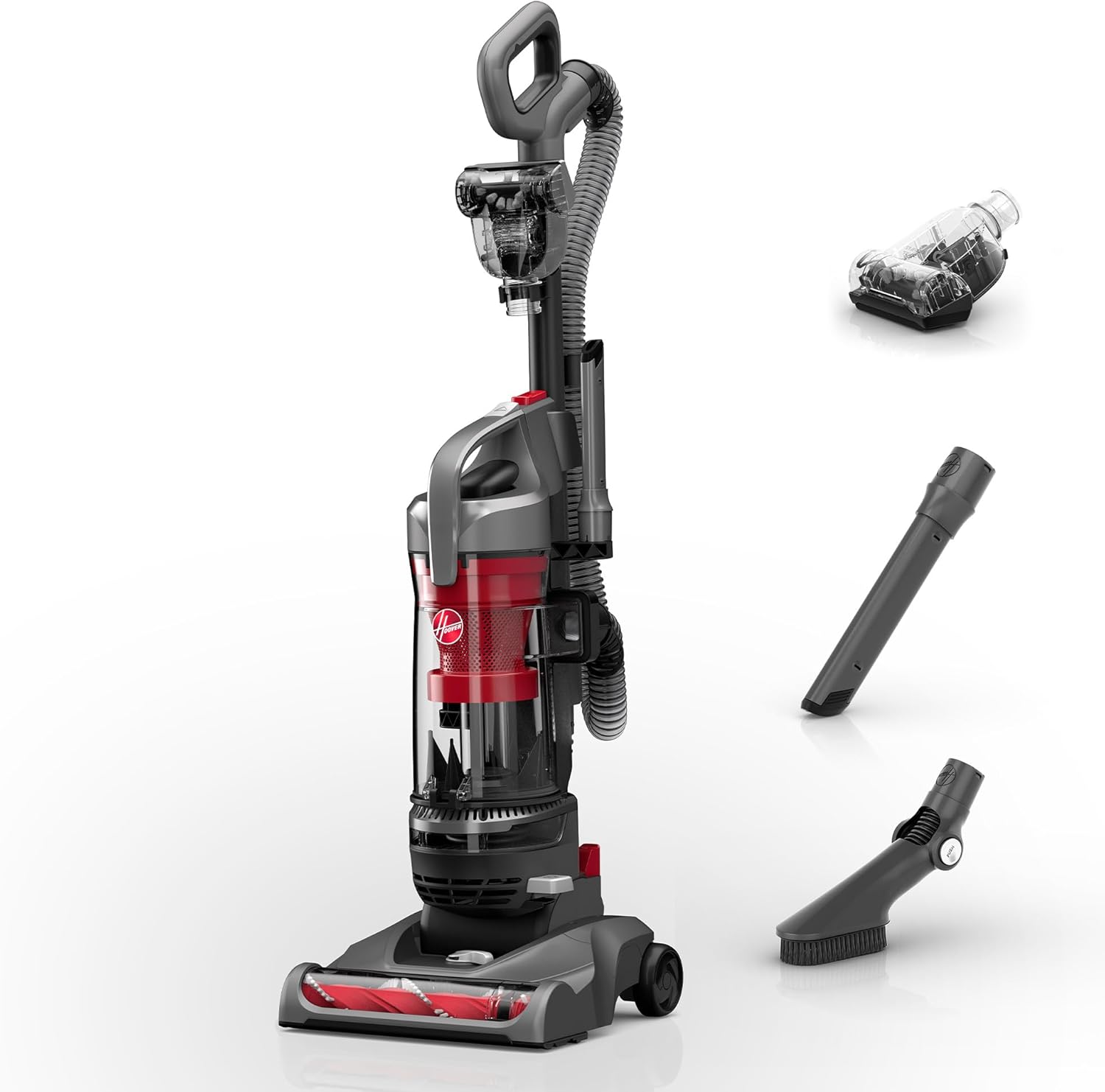
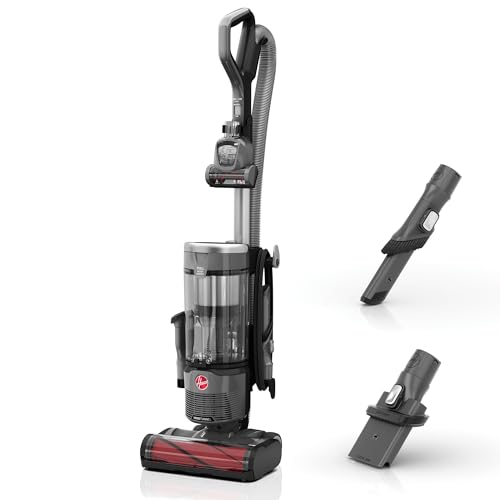
Hoover has made upright vacuums for over a century, and its current range is wide enough to confuse anyone standing in the aisle. The best hoover upright vacuum for your home depends on three choices the brand keeps offering: bagged or bagless, pet focused or general purpose, and full size power or lighter everyday handling. Hoover prices sit in the friendly middle of the market, so the challenge is not affording one, it is matching the right class to your carpet, your pets, and your patience for maintenance.
This brand guide compares Hoover upright classes by the jobs they do, with the upkeep realities that brochures skip: belts, filters, and bag costs. The product table maps the classes, and the sections after it explain which features deserve your money.




Who Should Buy Which Hoover Upright Vacuum?
Carpet heavy homes that want deep cleaning power
Full size Hoover uprights with strong brush agitation suit houses where most rooms are carpeted and dirt gets walked deep into the pile. These are the models to pick when a lightweight stick leaves the carpet looking vacuumed but feeling gritty underfoot.
Pet owners who need hair tools, not just suction
Hoover pet classes add rubber pet tools, hair resistant brush designs, and larger dirt capacity for homes where fur is a daily deposit. If your sofa and stairs wear as much hair as your floors do, the pet class with its above floor kit is your shelf.
Budget shoppers who still want a corded workhorse
Corded uprights never need charging and rarely cost much. Hoover entry uprights under or around $100 handle apartments and first homes well, and their simple bagless designs keep running costs near zero beyond filters.
Key Features to Compare
Bagged versus bagless within the Hoover range
Hoover sells both, and the choice shapes your ownership. Bagless models empty a dirt cup you wash out, cost nothing in bags, and show you when they are full. Bagged models trap debris in a sealed bag that leaves the house cleanly, and they suit owners who dislike dust at disposal time. Bag costs for common Hoover styles are modest, usually a few dollars each, but they are forever. Both styles clean equally well when maintained, so decide by your tolerance for dust handling versus consumable buying.
Brush roll, height adjustment, and carpet results
Carpet cleaning lives in the brush roll. Look for multiple height settings so the head seals on low pile and rides over plush without stalling, and for a brush shutoff switch when you move to hard floors, where a spinning brush scatters debris and can dull delicate finishes. Hoover higher classes often add stronger agitation systems marketed for deep carpet work. Whatever the label, the test is simple: the vacuum should pull grit from the base of the pile without you making four passes.
Filtration and exhaust cleanliness
Hoover uses washable foam filters on many bagless models and higher grade media filters on others, with sealed systems on select classes. Rinsable filters save money but demand full drying time before reuse. Media filters rated for fine dust help keep the air in the room cleaner while you vacuum, which households notice most in sunlit rooms where dust shows. Keep expectations grounded: good filtration reduces what a vacuum blows back, but it is not a health treatment, and homes managing allergies should pair it with regular damp dusting.
Weight, steering, and cord handling
Full size uprights weigh roughly twelve to eighteen pounds, and that spread matters on stairs and in homes with many rooms. Swivel steering models cut the wrist work in furnished rooms, while fixed head designs track straighter on open carpet. Cord length decides how often you hunt for outlets; longer cords around 25 to 30 feet cover most rooms from one plug, and auto rewind, where offered, is a small luxury you will appreciate weekly. Above floor reach from the hose and wand matters if your stairs and shelves get vacuumed often.
Tools and above floor cleaning
An upright earns its keep beyond floors when its hose, wand, and tools handle stairs, upholstery, and vents. Hoover pet classes usually bundle a powered or rubber pet tool that pulls hair from fabric better than a plain brush. Check the hose stretch honestly: makers quote extended reach that assumes you stand close and pull hard. If above floor work is half your cleaning, weigh this kit as heavily as carpet specs, or plan to supplement with the wider best upright vacuum category picks that specialize in reach.
Belts, parts, and long term service
Many Hoover uprights use a replaceable belt to drive the brush roll, and belts are cheap, widely stocked, and user replaceable with a screwdriver. That serviceability is a genuine brand strength: bags, belts, filters, and brush rolls for common Hoover classes are easy to find years later. Before buying, glance at the parts list for the class you want and confirm prices. A vacuum you can maintain for a decade beats a sealed unit that dies with its first worn part.
What Hoover Classes Cost and Who Each Serves
Entry bagless uprights cluster around $80 to $150 and serve apartments and light carpet homes. Mid range models, about $150 to $250, add pet tools, better filtration, and swivel steering, and this is where most families should shop. Upper Hoover classes near $250 to $300 push stronger carpet systems and larger capacities. Shoppers torn between the two disposal styles can compare the best bagged upright vacuum sealed bag approach with the best bagless upright vacuum dirt cup approach directly. Homes where hair is the main enemy should also review the best upright vacuum for pet hair specialists before deciding a general model is enough.
Common Mistakes to Avoid
- Vacuuming with a stretched or slipping belt: the brush barely turns, carpet stays dirty, and owners blame suction that was never the problem.
- Never washing the foam filter: a clogged filter strangles airflow slowly, so cleaning fades over months without any single failure to notice.
- Skipping the height setting: a head set too low stalls on plush carpet while one set too high skims low pile and leaves the grit behind.
- Buying the heaviest class for a two story home: stair carrying turns a strong vacuum into one that gets avoided, and avoided vacuums do not clean.
- Judging pet models by suction alone: without the right tools, hair on stairs and sofas stays put no matter how hard the motor pulls.
Care and Maintenance for Hoover Upright Vacuums
Unplug the vacuum before any brush or belt work, every time. Check the belt every few months for cracks and stretch, and replace it yearly in heavy use homes, since belts are cheap and a fresh one restores carpet performance instantly. Wash foam filters on schedule and let them dry fully, usually a day, before reinstalling. Clear wound hair from the brush roll monthly, empty the dirt cup or change the bag before it packs tight, and wipe the headlamp and sensors if your model has them. Store the cord loosely looped rather than yanked tight around the hooks, and the whole machine will reward you with years of strong cleaning.
FAQ
Do Hoover upright vacuums work well on pet hair?
The pet classes do, because they pair strong carpet agitation with tools shaped for fabric and stairs, which is where hair actually hides. General models pick up floor hair fine but struggle more on upholstery. In heavy shedding homes, emptying the cup or bag more often than feels necessary keeps suction at its best.
How often should you change the belt on an upright vacuum?
Inspect it every three to six months and replace it about once a year in regular use, sooner if you smell rubber while cleaning or the brush roll slows on carpet. Belts stretch gradually, so performance fades before anything breaks. Keep a spare belt at home; they cost little and the swap takes minutes with the power unplugged.
Bagged or bagless Hoover upright: which costs less over time?
Bagless costs less in consumables, since you buy no bags, but asks for filter washing and dust handling at emptying. Bagged models add a steady small cost per bag and return cleaner disposal and often better fine dust control. Over five years the gap is usually modest either way, so choose by habit rather than by arithmetic.
How long do Hoover upright vacuums last?
With belt changes, clean filters, and a brush roll kept free of hair, many Hoover uprights serve seven to ten years in ordinary homes. The parts network is a big reason: wear items stay available long after purchase. Neglect is what shortens their life, most often a clogged filter overheating the motor over months.
Can a Hoover upright clean hard floors safely?
Yes, if you use the brush roll shutoff or the hard floor height setting where fitted, because a spinning brush can scatter debris and mark delicate finishes. Models without a shutoff still work on sturdy tile and sealed wood, but move slowly. For mostly hard floor homes, an upright is fine but a lighter format may simply be easier.
Final Thoughts
The best hoover upright vacuum is the class matched to your floors and habits: bagless for low running costs, bagged for clean disposal, pet classes for hair, and mid range models for most families. Compare the classes in the product table above, check the belt and filter situation before you buy, and a Hoover will quietly do its job for years. Few brands reward simple maintenance this well.


