
Best Lidar Robot Vacuum for 2026: How to Choose by Home Layout
Disclosure: We may earn a commission when you buy through links on this page, at no extra cost to you. As an Amazon Associate I earn from qualifying purchases. Learn more

Compare the best lidar robot vacuum choices by mapping accuracy, suction, dock features and room size so the robot fits your floor plan and budget.
Early robot vacuums bumped around randomly and missed as much as they cleaned. A spinning laser turret changed that. Lidar robots measure your rooms as they drive, build a floor plan in the app, and then clean in orderly rows instead of wandering. The result is faster sessions and far fewer missed patches. Still, models differ in mapping quality, suction, and dock features, so finding the best lidar robot vacuum for your home means looking past the laser and at the cleaning hardware behind it.
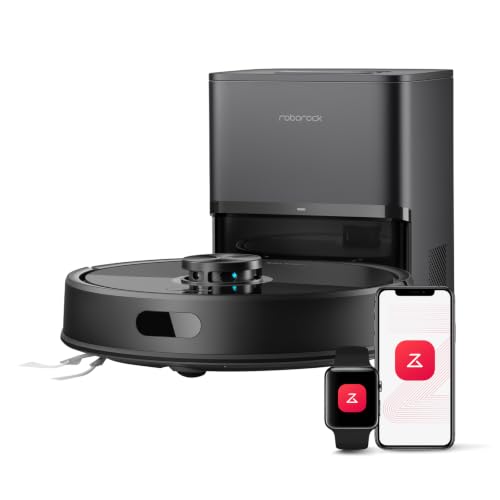
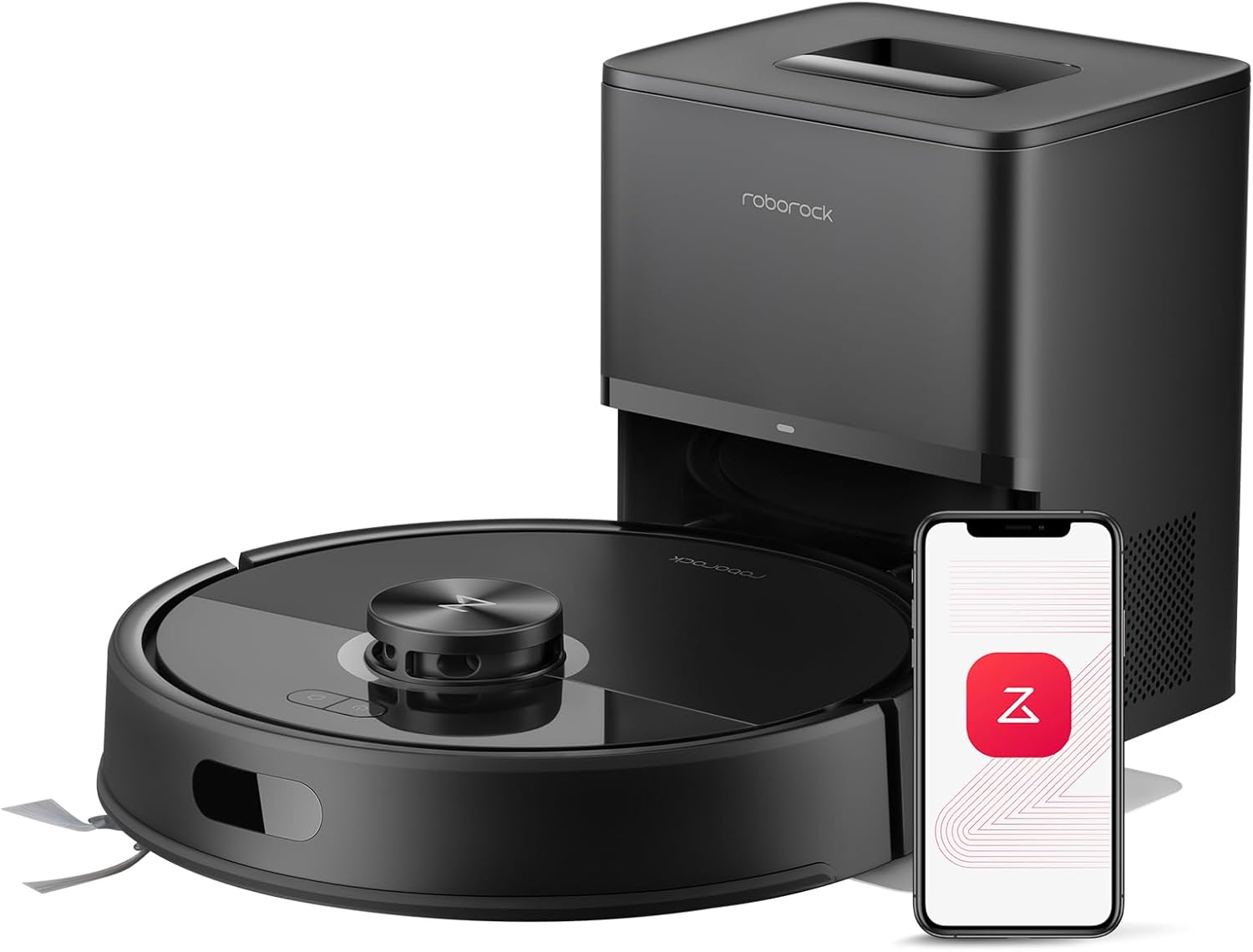
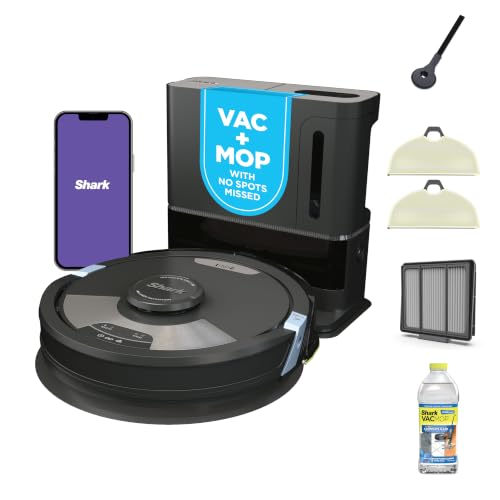
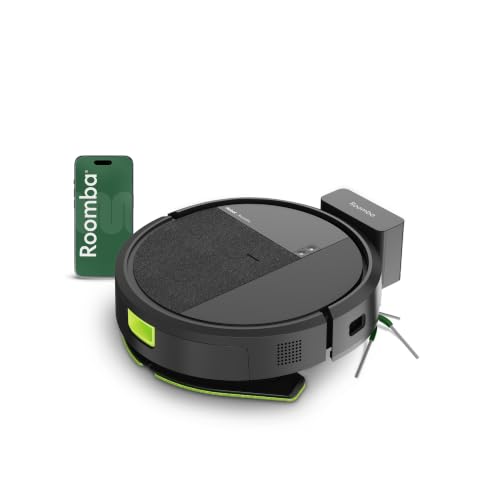
This guide explains what lidar navigation does well and where it still needs help, then covers the suction, bin, and dock choices that decide daily satisfaction. The product table groups the main configurations, and the following sections match them to apartments, family homes, and pet households.


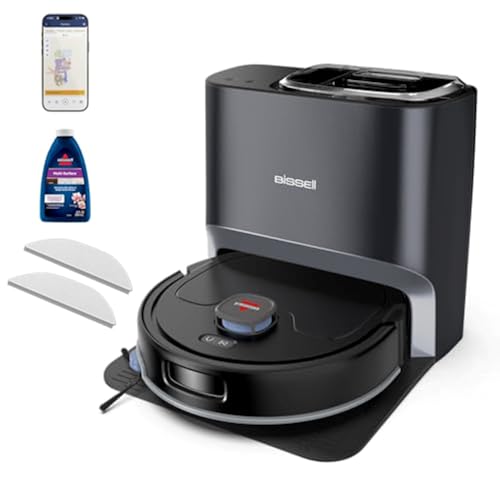

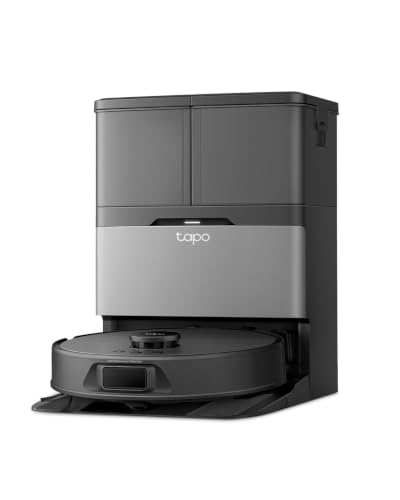
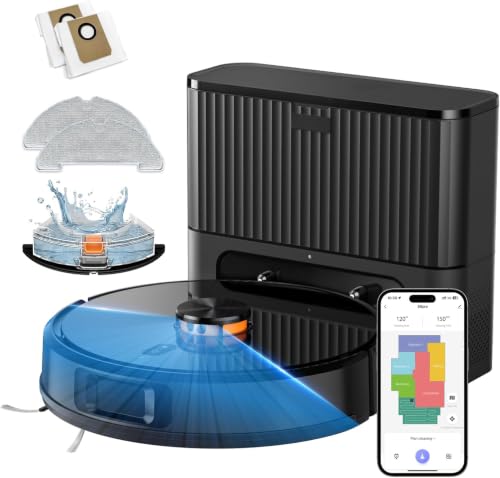
Who Should Buy Which Lidar Robot Vacuum?
Apartment and condo dwellers with compact floor plans
In a smaller home, the headline lidar features matter less than the basics done well: accurate single floor mapping, reliable return to the dock, and a slim body that slides under the sofa. You can skip multi floor memory you will never use and put the budget toward stronger suction and a better brush roll instead. A standard dustbin model suits this group, since daily runs over a small area fill the bin slowly and take seconds to empty by hand.
Families in multi room houses who clean on a schedule
Bigger homes are where lidar earns its price. Room by room cleaning lets you send the robot to the kitchen after dinner without running the whole house, and stored maps keep it efficient on a daily schedule. Look for multi floor map storage if your home has levels, strong edge cleaning for baseboards, and enough runtime to finish the main floor in one charge. Our general guide to the best robot vacuum categories compares lidar models with camera guided and basic bump navigation robots.
Pet owners who need daily hair control
Shedding never takes a day off, so a pet home runs its robot daily and fills bins fast. Prioritize a rubber main brush that resists hair wrap, a larger bin or self empty dock, and suction that lifts litter and kibble from hard floors. Our guide to the best robot vacuum for pet hair focuses on this exact routine. Lidar helps here by keeping the robot methodical, so it covers the dog's favorite napping hallway every single run instead of occasionally.
Key Features to Compare
Mapping accuracy and map features in the app
All lidar robots map, but the useful differences live in the app. Better models store several floor plans, let you split and merge rooms, set no go zones and virtual walls without physical strips, and schedule rooms in a chosen order. Map quality also affects efficiency: a robot that knows the room cleans in straight, slightly overlapping passes and finishes a floor in a fraction of the time a random pattern needs. If you plan to rely on schedules, spend time judging the app reviews, because clumsy software undermines excellent hardware.
Suction power and brush roll design
Suction figures are quoted in pascals and are not measured consistently across brands, so treat them as a rough guide within a brand's own range rather than a cross brand verdict. What you can compare honestly is brush design. A bristle and rubber combo brush digs into carpet pile better, while a full rubber roller resists hair tangles and is easier to clean. Homes heavy on carpet should favor agitation and a carpet boost mode that raises suction automatically on rugs, as the models in our guide to the best carpet robot vacuum designs illustrate.
Runtime, recharge, and resume
Runtime ratings assume the lowest suction setting on hard floors, so a robot rated for 150 minutes may manage far less on max suction over carpet. What matters for larger homes is recharge and resume: the robot returns to the dock, tops up, and continues exactly where it stopped. Check the stated cleaning area per charge and how the robot behaves in a home with several rooms and a pet, because daily real world runs are messier than controlled test runs. Compact homes can safely ignore this feature and save money.
Dustbin size and self empty dock options
A built in bin typically holds a few days of dust in an average home and much less with pets. A self empty dock vacuums the bin into a bag or bagless chamber when the robot returns, stretching emptying intervals to weeks and reducing the puff of dust that manual emptying releases. The trade offs are dock size, ongoing bag costs on bagged systems, and a short burst of loud suction during each transfer. For allergy sensitive households, a sealed bagged dock keeps dust contained better than shaking out a bin over the trash.
Obstacle handling and small object limits
Lidar sees walls, furniture legs, and doorways with precision, but the laser sits at turret height and cannot see low objects like cables, socks, and pet toys. Robots pair lidar with front sensors or cameras to catch some of these, with mixed success. If your floors carry charging cables and small clutter, expect to tidy before runs regardless of price, and treat object recognition claims as assistance rather than a promise. Also note that dark, soft furnishings can absorb the laser signal, so an occasional gentle bump against a black sofa base is normal, not a defect.
Sizing a Lidar Robot to Your Floors
Measure what the robot must handle before comparing models. Note the clearance under your lowest furniture, because robot height varies by about an inch between designs and the lidar turret is the tallest point. Check the thresholds between rooms, since most robots climb about three quarters of an inch and stall on taller strips. Count your floor types honestly: a mostly hard floor home needs less suction and battery than wall to wall carpet.
Budget minded shoppers are not locked out of lidar anymore, and the models in our guide to the best cheap robot vacuum picks show how far entry prices have fallen. What lower prices usually trim is dock automation, app polish, and obstacle sensing, not the core mapping. Decide which trims you can live with: many owners happily empty a bin by hand in exchange for the same laser guided cleaning pattern at a lower cost.
Common Mistakes to Avoid
- Leaving charging cables and small toys on the floor, which even smart lidar robots can drag or swallow.
- Placing the dock in a cramped corner, which blocks the robot from finding its way home reliably.
- Judging suction by the pascal number alone, which ignores brush design and real carpet agitation.
- Skipping map setup and no go zones, which leaves the robot tangling with chair legs and rug fringe daily.
- Letting the filter and brush go uncleaned for months, which quietly cuts cleaning power in half.
How to Maintain a Lidar Robot Vacuum
Empty the bin on the rhythm your home demands, and tap the filter clean weekly, replacing it when it stays gray after tapping, because a clogged filter strangles suction. Pull the main brush out every week or two to cut away wrapped hair, and check the side brush for bent bristles that sweep dirt away instead of inward. Wipe the lidar turret window and the cliff sensors with a dry cloth monthly, since dust film on the window degrades the mapping you paid for. Keep spare filters and a brush on hand, and budget for these wear parts as part of the real cost of ownership.
FAQ
Does a lidar robot vacuum work in the dark?
Yes. Lidar measures with its own laser pulses, so it maps and navigates in total darkness as well as in daylight, unlike camera only robots that need light to see. This makes overnight and early morning schedules practical. The limit is object detection rather than navigation: the front sensors that spot shoes and cables may still perform worse in the dark on models that rely on a camera for that job.
How is lidar different from camera navigation?
Lidar builds a dimensional floor plan by timing laser reflections, which gives precise room shapes and efficient straight line cleaning. Camera systems read the ceiling and landmarks to locate themselves, and the better ones recognize objects in their path. Many premium robots combine both: lidar for the map and a camera for small obstacles. For pure navigation accuracy and speed of mapping, lidar is the stronger core technology for most homes.
Can a lidar robot handle multiple floors?
Most can store several maps, commonly three to five floors, and will recognize which floor it is on when you carry it there and start a clean. The catch is logistics: without a dock on that floor, the robot cannot recharge or self empty mid job, and someone has to carry it up and back. It works well for a weekly upstairs clean and poorly as a fully automatic two floor routine.
Will a lidar robot vacuum scratch hardwood floors?
A healthy robot will not. Damage reports almost always trace back to debris trapped under a wheel or a worn, gritty brush dragging across the finish. Empty the bin, rinse hard floor dust from the wheels, and replace a brush whose rubber has hardened or split. If your floors are soft pine or a delicate finish, run the robot first in one room and inspect before giving it the whole house.
How accurate are the suction numbers brands advertise?
Treat them loosely. There is no enforced shared test method, and some brands quote the motor's peak while others quote a working figure at the brush. A robot with modest stated suction and a well designed brush often out cleans a high number rival on carpet. Use the figures to compare models within one brand's lineup, and lean on brush type, carpet boost behavior, and bin design for cross brand decisions.
Final Thoughts
Lidar turns a robot vacuum from a novelty into a scheduled appliance, provided the cleaning hardware behind the laser suits your floors. Weigh the models in the product table above against your floor plan, your pet situation, and how much dock automation you truly want. Matched well, the best lidar robot vacuum quietly keeps floors presentable every day, and a few minutes of brush and filter care each week keeps it performing like new.


