
Best Lightweight Wet Dry Vacuum for 2026: Small Machines, Real Spills
Disclosure: We may earn a commission when you buy through links on this page, at no extra cost to you. As an Amazon Associate I earn from qualifying purchases. Learn more

Compare lightweight wet dry vacuum types, from compact shop vacs to floor washers, by tank size, weight, suction and safe use around water at home.
Spills, tracked in mud and bathroom floods do not wait for a giant shop machine to roll out of the garage. The best lightweight wet dry vacuum is the one you can carry in one hand, store in a closet and deploy in under a minute, while still pulling water out of carpet edges and grit off hard floors. Two very different families share this label, compact canister vacuums and powered floor washers, and choosing between them is the real decision.
This guide separates those families, explains the specs that predict pickup in each, and covers the safety rules that come with mixing water and electricity. The product table groups the current options by family, so you can start from the jobs you actually face.

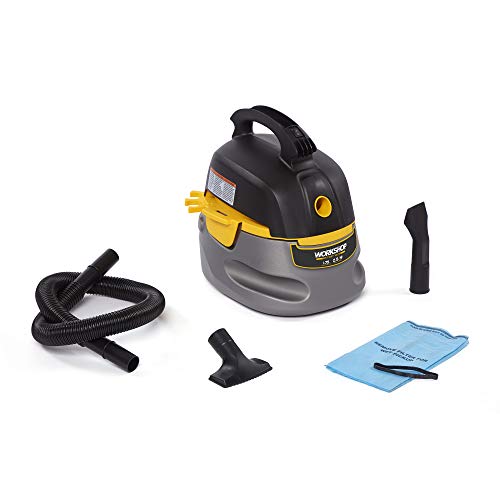

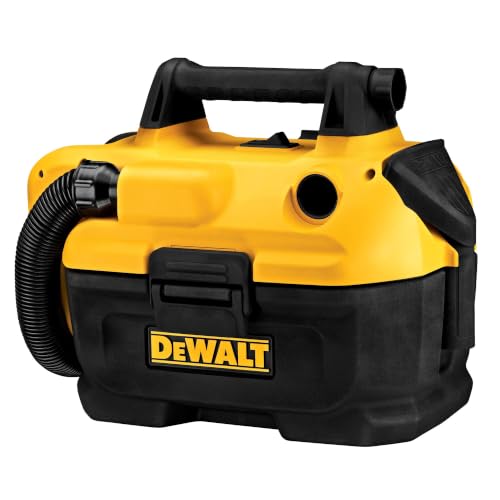


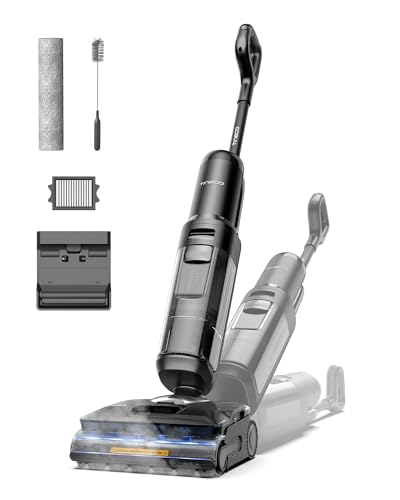


Who Should Buy Which Lightweight Wet Dry Vacuum?
Apartment and condo owners with mostly hard floors
If your spills are kitchen drips, entryway slush and the odd plant overflow, a powered floor washer or a mini canister under about 10 pounds covers the whole brief. Floor washers mop and vacuum in one pass, which suits weekly hard floor care, while mini canisters handle dry grit plus water duty in corners. Our overview of the best wet dry vacuum formats shows how these small machines relate to the full size shop category.
Homeowners who want a spill responder in the utility closet
A compact canister with a tank around 2 to 4 gallons is the classic spill responder: it lives near the water heater and laundry sink, ready for leaks, overflows and wet basement corners. Corded models give unlimited runtime for flood pickup, while a cordless design trades some suction for grab and go speed. If your floors are mostly wood and you want wash and vacuum in one pass, our guide to the best wet dry vacuum for hardwood floors goes deeper on water control around delicate finishes.
Pet owners dealing with water bowls and muddy paws
Pets create small wet messes daily, so the winning feature is setup speed, not tank size. A cordless floor washer you can lift off a charging stand, run over the feeding corner and rinse in two minutes will actually get used, while a bigger setup stays in the closet. Look for self cleaning cycles on washer designs and simple foam filters on canister designs. Mud also means grit, so check that the brush or floor tool rinses clean under a tap.
Key Features to Compare
Which family: compact canister or floor washer
Compact canisters are true wet dry vacuums: they swallow dry debris, liquids and slurry through a hose into one tank, and they tolerate screws, gravel and construction dust that would ruin a floor washer. Floor washers are hard floor appliances that apply clean water, scrub and extract dirty water into a separate tank, leaving floors nearly dry. Choose the canister for garages, basements and mixed debris. Choose the washer for kitchens, bathrooms and finished hard floors where mopping is the main job and dry pickup is light.
Tank capacity versus carrying weight
Water weighs about 8 pounds per gallon, so a full 4 gallon tank turns a light machine into a 40 pound lift with the motor included. For spill duty on one floor, tanks around 1 to 2.5 gallons keep the carry honest while holding a typical leak. Floor washers carry less water still, split between clean and recovery tanks, which suits room by room refills. Match capacity to your largest realistic spill, not the worst flood you can imagine, because oversized tanks are why small vacuums end up unused in garages.
Suction figures that matter: lift and airflow
Wet pickup depends on sealed suction, often listed as water lift, which pulls liquid up the hose against gravity, while dry pickup leans on airflow to carry debris. Compact machines list lower numbers than shop giants, yet short hoses and small tools concentrate what they have. For floor washers, judge by recovery instead: a good washer leaves the floor touch dry in one slow pass, because its squeegee and suction work together. Beware peak horsepower claims on small motors, which describe a marketing moment rather than working power.
Corded reliability or cordless freedom
Cordless designs dominate the floor washer family and appear in mini canisters too, with runtimes around 20 to 35 minutes that suit apartment scale work. Our guide to the best cordless wet dry vacuum compares battery formats and charge times across the category. Corded compact canisters still win for flood duty, car interiors and workshop corners where the job length is unknown. Whichever you choose, plug corded machines into a GFCI protected outlet anywhere near water, and never handle plugs with wet hands.
Filters, foam sleeves and what each job needs
Wet dry vacuums protect the motor with a filter for dry work and a foam sleeve for wet work, and swapping correctly is the whole game: paper filters clog and tear when wet, while foam alone lets fine dry dust reach the motor. Floor washers add small mesh or sponge filters on the dirty water path that need rinsing after every session. Check how the design you like handles the swap and whether the parts rinse under a tap. A machine whose wet conversion takes seconds gets used for spills; one that needs tools does not.
Steam assisted designs and when they fit
A smaller group of floor washers adds steam or hot water scrubbing for sealed hard floors, trading tank simplicity for sanitizing heat on tile and grout. Our guide to the best steam wet dry vacuum explains where steam helps and where plain warm water does the same job. Steam designs need descaling in hard water areas and are never for unsealed wood, so treat them as a tile and stone specialty rather than a universal upgrade.
Set Up for Wet Work Safely
Wet pickup has three rules that outrank every feature. First, convert the machine before the spill: fit the foam sleeve or wet filter, remove any paper filter or dust bag, and confirm the float valve moves freely, because that float is what stops water from reaching the motor when the tank fills. Second, protect the circuit: use a GFCI outlet, keep the cord out of standing water and unplug before opening the tank. Third, know the hard limits: never vacuum flammable liquids, hot ash or fine toxic dust with a household wet dry vacuum, and empty and dry the tank the same day so yesterday spill does not become tomorrow odor.
Common Mistakes to Avoid
- Vacuuming liquids with the paper dry filter still fitted, which ruins the filter and can strain the motor.
- Storing the machine with dirty water in the tank, because a sealed wet tank grows odor and mildew within days.
- Buying a floor washer for garage debris, when nails and gravel belong in a canister with a hose.
- Ignoring the float valve during flood pickup, so water reaches the motor the moment the tank tops out.
- Using a wet dry vacuum on flammable spills like fuel or solvents, which household machines are never rated to handle.
How to Make Your Lightweight Wet Dry Vacuum Last Longer
Rinse the tank, hose and floor tool after every wet session and leave the lid open until everything is dry to the touch, since trapped moisture is what corrodes small motors and grows odor. Wash foam sleeves and washer filters under a tap, squeeze them gently and air dry them fully before refitting. For floor washers, run the self cleaning cycle if fitted, then still pull the brushroll and clear hair from the ends, because self cleaning rinses the middle of the roll better than its edges. Check the float cage for grit that stops it sealing, and wipe squeegee blades so they keep their edge. Store the machine dry, with the cord or charger tidy, and it will be ready the moment the next spill happens.
FAQ
Are lightweight wet dry vacuums strong enough for real spills?
Yes, for household scale water. A compact machine with a short hose lifts sink overflows, washing machine leaks and tracked in slush without drama, and it empties far more easily than a giant shop tank. Its limits are volume and debris size: a flooded basement or renovation rubble still calls for a large canister. Match the machine to the spills you actually get, which for most homes are measured in cups, not buckets.
Can a lightweight wet dry vacuum replace a mop?
A floor washer design can replace the mop on sealed hard floors, because it applies clean water, scrubs and extracts in one pass, leaving the floor drier than a mop does. A compact canister cannot replace a mop, since it picks up water and debris but does not scrub or lay down clean solution. Many homes end up using a washer weekly and keeping a small canister purely for spills and dry grit.
What should you never vacuum with a lightweight wet dry vacuum?
Never vacuum flammable or combustible liquids such as fuel, paint thinner or alcohol based spills, and never pick up hot ash, burning material or fine hazardous dust like lead paint debris. Household wet dry vacuums are not rated for those jobs, and the motor can ignite vapors. For anything beyond water based household spills, stop and use the method the product label or local guidance directs.
How do you stop a wet dry vacuum tank from smelling?
Empty it the same day, rinse it with clean water, and store it with the lid cracked open so the interior dries fully. Odor comes from bacteria growing in standing dirty water and damp filters, not from the plastic itself. If a smell has set in, wash the tank and foam sleeve with a mild detergent, rinse well and dry in moving air before the next use.
Is cordless or corded better for a lightweight wet dry vacuum?
Cordless wins for daily floor washing and quick spill response, because the machine is always ready and the runtime covers apartment scale work. Corded wins for flood pickup, cars and workshops where the job length is unknown and suction must not fade. Households with both duties often choose a cordless washer for floors and rely on the same machine dry mode for small grit, accepting that major floods mean borrowing a bigger canister.
Final Thoughts
Decide the family first: canister for mixed debris and spill response, washer for weekly hard floor care. Then size the tank to your real spills, confirm the wet conversion is tool free, and keep the safety basics non negotiable. Every option in the product table above follows one of those two formats, so use it to confirm your choice of family and capacity. Picked that way, the best lightweight wet dry vacuum becomes the machine you grab without thinking, which is exactly what spill duty requires.


