
Best Mold Remover for Caulk in 2026: A Buying Guide
Disclosure: We may earn a commission when you buy through links on this page, at no extra cost to you. As an Amazon Associate I earn from qualifying purchases. Learn more

Pick a mold remover that clings to caulk lines and lifts black staining. Compare gel and spray formats, active types, dwell time and when to recaulk.
Black lines creeping along a tub edge are one of the most stubborn sights in a bathroom. The caulk joint stays damp, collects soap residue, and gives mold a sheltered place to grow where a flat tile surface would dry out. Flat sprays run off the joint before they finish the job, and scrubbing alone polishes the stain without lifting it. Finding the best mold remover for caulk comes down to format first: a product that clings to a vertical bead long enough to work, plus an honest check of whether the mold is on the caulk or behind it. The comparison table below groups the main remover types.
This guide compares gels, sprays and pastes for caulk work, explains the stain versus growth distinction that decides your results, and covers the safety rules for working with strong bathroom chemicals in a small room.


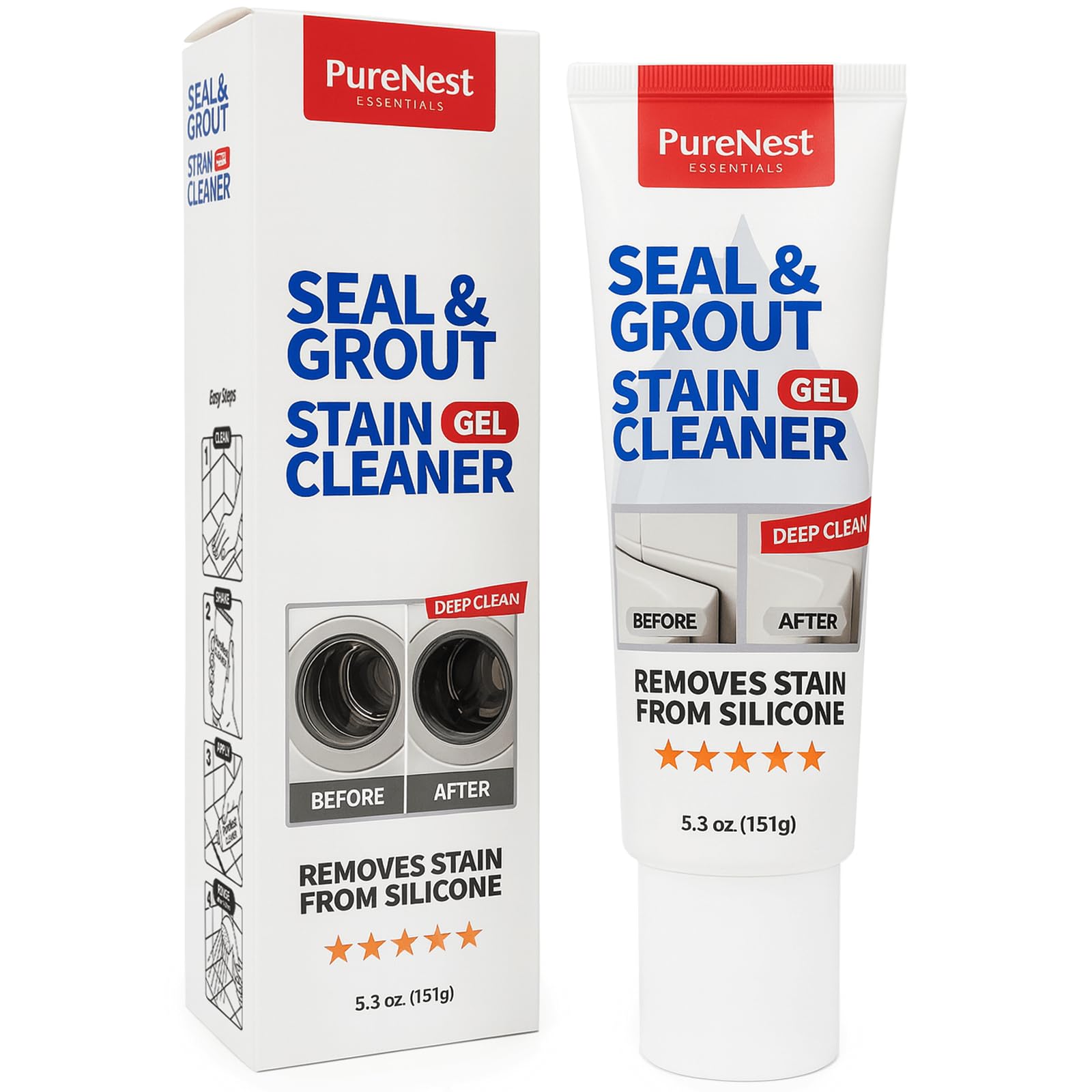
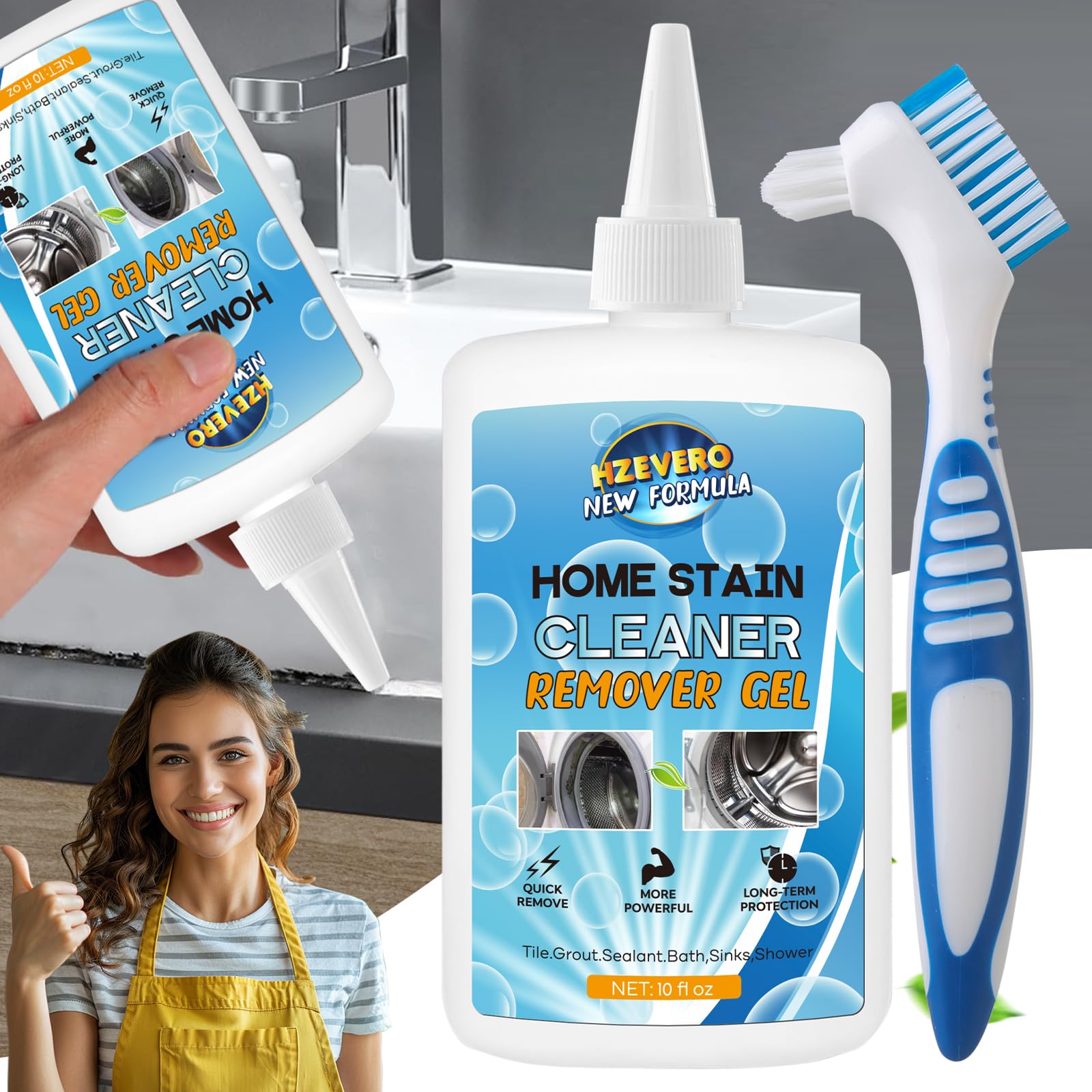
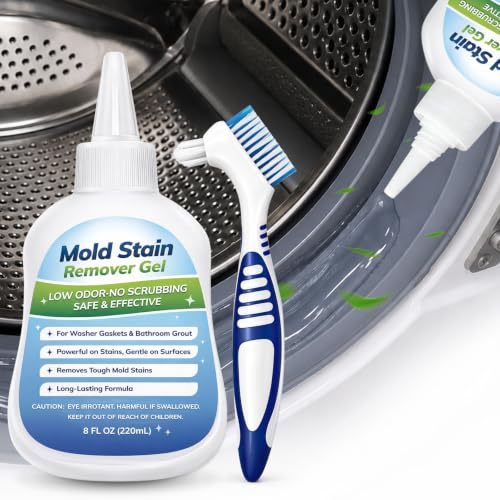
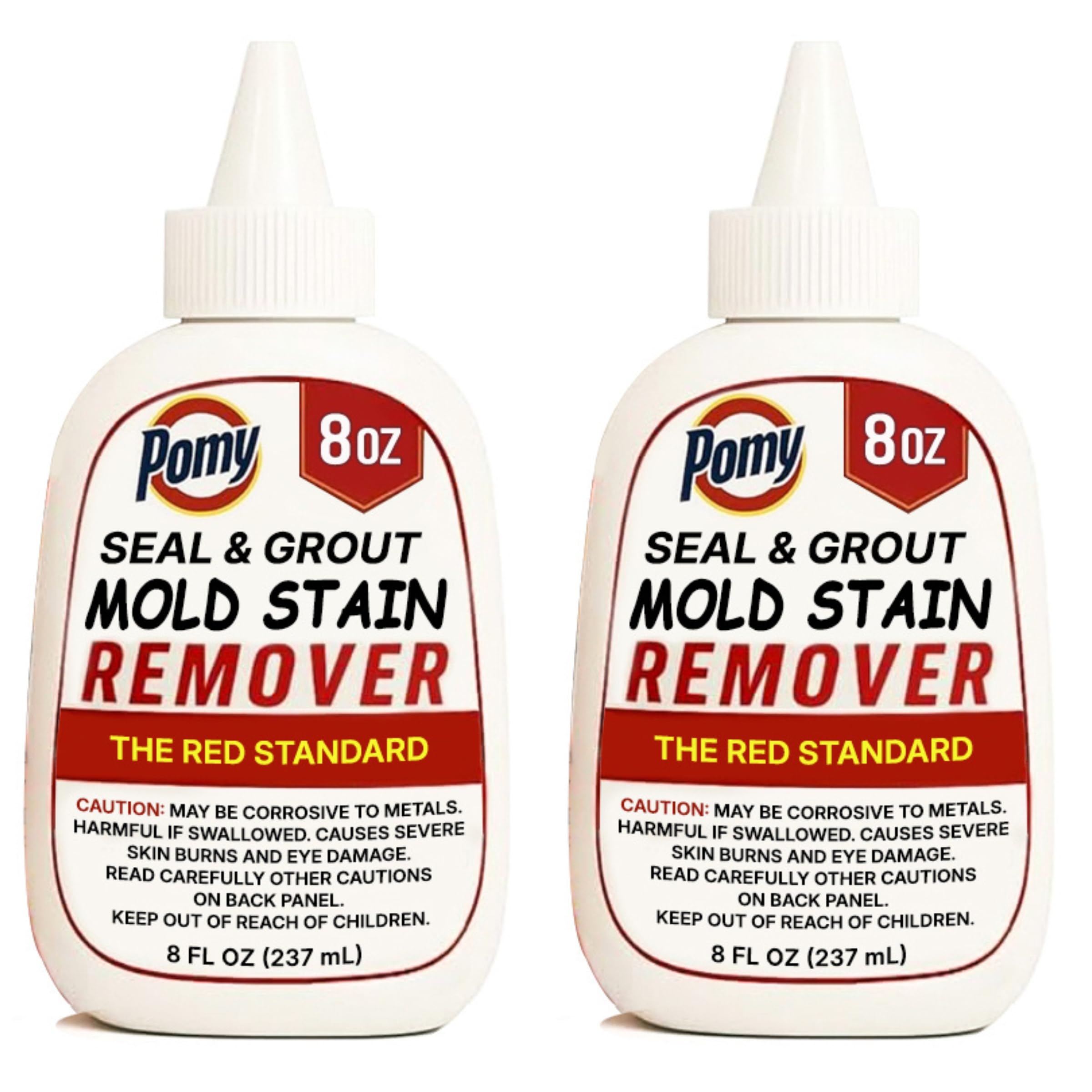
Who Should Buy Which Mold Remover for Caulk?
Tub and Shower Owners With Blackened Beads
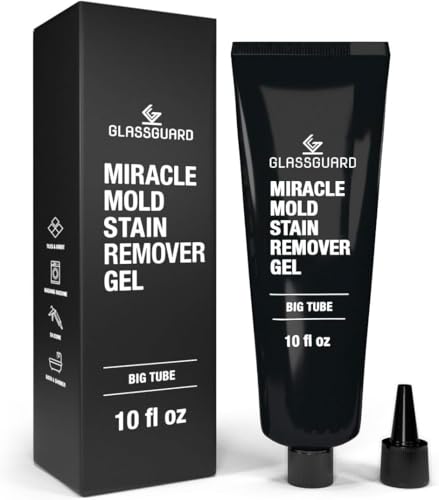
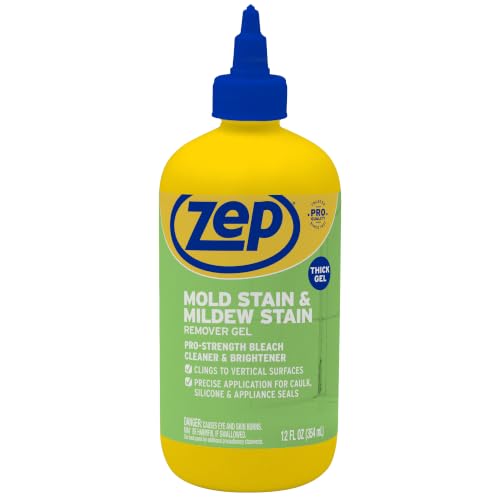
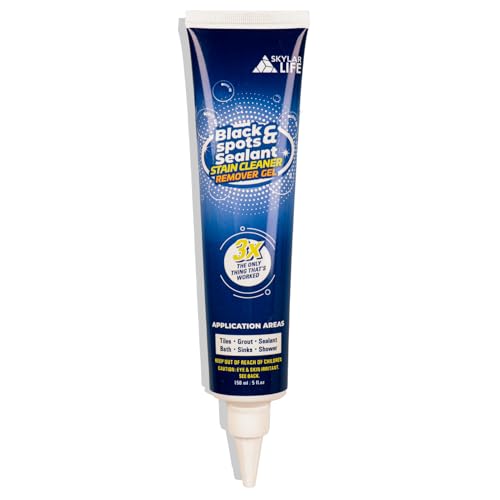
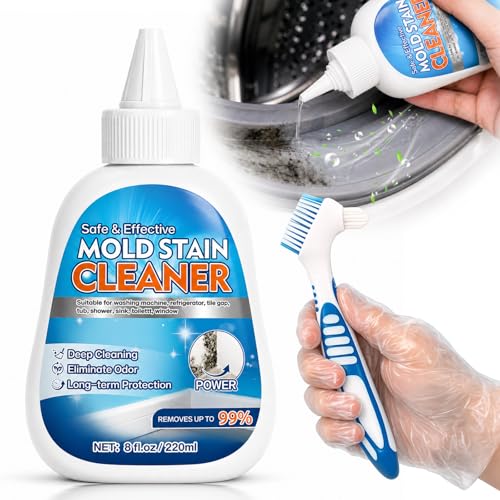
If the mold sits on the surface of the bead where water pools, a clinging gel is your format: it stays on the joint for hours instead of sliding into the tub. This is the most common caulk situation and the same problem addressed by products for the wider shower, covered under the best mold remover for shower. Choose a gel with a precision nozzle, plan an overnight dwell, and expect one or two repeat rounds on old staining.
Renters and Anyone Who Cannot Recaulk
If you cannot cut out and replace caulk, because you rent or the joint is not yours to rebuild, your remover has to do all the work chemistry allows. Favor the strongest clinging format your ventilation can handle, apply it in repeated overnight rounds, and accept that deep stains may fade rather than vanish. Renters should also document the condition with photos for the landlord, since mold that returns within days of a proper treatment is evidence of moisture behind the joint, which is a building problem rather than a cleaning one.
Homes With Big Bathroom Mold Beyond the Caulk
Sometimes the caulk is only where you noticed the mold first, and the same growth is spreading on grout, walls or the ceiling. At that point, choose from the broader field of the best mold remover for the room as a whole, and treat the caulk as one zone among several. If growth covers a large area, roughly more than 10 square feet, or keeps returning after thorough cleaning, bring in a professional assessment instead of stronger chemicals, because hidden moisture inside a wall will outlast any bottle.
Key Features to Compare
Format: Gel, Spray or Paste
Format decides caulk results more than brand does. Gels squeeze out in a bead that sits exactly on the joint and stays wet for hours, which is what vertical and overhead lines need. Sprays cover wide flat areas fast, such as shower walls, but run off a narrow bead within minutes unless you soak a cotton strip or paper towel and lay it on the joint as a compress. Pastes and homemade style poultices work like gels with more mess. For a single tub line, gel wins; for a whole moldy shower, a spray for the walls plus a gel for the joints is the realistic pairing.
Active Ingredient Family
Bleach based removers, built on sodium hypochlorite, are the classic answer for caulk staining because they both kill surface growth and whiten the stain it leaves. Hydrogen peroxide based products work more slowly, fizz on contact with organic soil and suit people avoiding bleach fumes and fabric accidents. Enzyme and plant derived removers digest organic residue gently but rarely lift deep black pigment from a bead. Whatever family you choose, never combine products: bleach mixed with ammonia or with acidic cleaners creates toxic gas, and even layering two safe products can cancel or inflame both.
Dwell Time and Staying Wet
Caulk mold is rarely a spray and wipe job. Surface growth may lift in 15 to 30 minutes, while pigment soaked into the bead needs several hours or an overnight dwell with the product kept wet the whole time. Gels hold moisture naturally; sprays need the compress trick described above. Ventilation cuts both ways here, since a strong exhaust fan dries the product faster, so for an overnight gel treatment, ordinary room air is enough. Judge products by the dwell their labels honestly describe for stains, not the fastest number on the front.
Caulk Material Compatibility
Most bathroom joints are silicone or latex acrylic caulk, and they tolerate removers differently. Silicone is chemically sturdy and handles bleach based gels well, though its surface can hold pigment stubbornly. Latex and acrylic caulks are softer; harsh or very long treatments can dry and crack them, which opens the joint to more water. Painted joints and natural stone surrounds add further limits, since bleach and acids can mark stone. Check the label for your materials, and if the joint is already cracked, gapping or pulling away, no remover will fix it: that joint needs replacement, a topic the wall focused guidance under the best mold remover for walls touches on for painted surfaces nearby.
Nozzle Precision and Application Control
A caulk line is about a quarter inch wide, so application control matters. Fine gel nozzles lay product only on the bead, keeping strong chemistry off the tub finish and your skin. Wide spray patterns waste product and splash it onto fixtures, towels and toothbrushes. Look for a nozzle you can cut to a small opening, a cap that seals between rounds, and a bottle size matched to a bathroom or two, because a giant bottle stored for a year loses strength on the shelf.
How to Treat Moldy Caulk, and How to Know When to Recaulk
Start dry: wipe the joint with a cloth so the remover meets the mold, not a layer of water. Apply gel in a continuous bead, or lay a remover soaked cotton strip along the line, and let the full dwell run, overnight for old stains. Rinse, dry and judge the result in daylight. One more round is normal. The honest limit is location: if the black color returns at the same spots within days, or you can see growth at the edges where the bead meets the wall, the mold is behind the caulk, feeding on moisture trapped in the joint. No surface product reaches it. The fix then is to cut out the bead, clean and dry the channel, let it dry fully, and lay new mold resistant caulk, the same patience required when treating porous materials like the ones covered under the best mold remover for wood.
Common Mistakes to Avoid
- Mixing a bleach based remover with vinegar, ammonia or a second cleaner, which creates toxic gas in a small enclosed bathroom.
- Spraying a running liquid on a vertical bead and wiping in five minutes, then blaming the product for a dwell time it never got.
- Scrubbing the bead hard with an abrasive pad, which tears the caulk surface and gives mold a rougher, wetter home next time.
- Treating the same spot monthly without checking behind the bead, while moisture in the wall keeps reseeding the growth.
- Working in a closed bathroom with no fan or window during a long strong treatment, and letting children or pets wander in.
How to Use Mold Remover Safely and Keep Caulk Clean Longer
Open the window or run the exhaust fan, wear household gloves, and keep the door routine simple: children and pets out until the joint is rinsed and dry. Never decant remover into a drink bottle or an unlabeled spray, and store the original container locked or high, away from other chemicals it must never meet. After a successful treatment, prevention is mostly dryness: squeegee or towel the joint after showers, run the fan for 20 to 30 minutes after bathing, and fix drips promptly, since a slow faucet leak keeps one section of bead permanently wet. A thin new bead of mold resistant caulk, laid on a fully dry channel when replacement time comes, starts with better odds than any cleaner can give old caulk.
FAQ
Why does mold keep coming back on the same caulk line?
Recurrence at the exact same spots usually means the growth is behind the bead, where moisture trapped in the joint feeds it beyond the reach of surface products. Surface staining, by contrast, fades evenly and stays away for weeks after treatment. When the pattern points behind the caulk, replacement is the real remedy: remove the bead, clean and fully dry the channel, then recaulk. Continued repainting of the symptom with stronger chemicals only adds exposure without changing the outcome.
Will a mold remover make stained caulk fully white again?
Often it comes close, but not always. Bleach based gels both kill surface growth and bleach the pigment it leaves, so newer stains on silicone frequently disappear. Older pigment that has soaked deep into the bead may lighten to a shadow that no safe dwell time fully erases. Judge after two proper rounds: if a shadow remains but does not grow, it is a cosmetic stain in sound caulk, and recaulking is a choice about looks, not hygiene.
Is a gel or a spray better for caulk lines?
For the caulk line itself, gel is better because it stays where you put it for the hours that stain removal needs. Sprays are better tools for the wide flat parts of the shower, and they can serve on caulk if you soak a cotton strip and lay it along the joint to hold the liquid in place. Most bathrooms end up using both: gel on the lines, spray on the walls, each where its format works.
How long should you wait to shower after treating caulk?
Wait until the treatment is fully rinsed and the joint is dry to the touch, which after an overnight gel round usually means a quick morning rinse and an hour of air. Showering earlier washes product onto skin and dilutes the last of the dwell. If the label gives a specific wait, follow it. Keep bath toys and bottles off the treated ledge until that rinse is done as well.
Can mold remover damage the tub or tiles around the caulk?
It can if the product strays and sits: bleach based gels can dull some acrylic and fiberglass finishes and will spot fabrics instantly, and any strong cleaner can mark natural stone. A precision nozzle, a steady hand and wiping drips immediately keep the risk small. Protect towels and bath mats by moving them out first. If your surround is stone or a specialty finish, choose a product whose label names that material as safe.
Final Thoughts
Caulk rewards the right format and honest diagnosis: a clinging gel, a full overnight dwell, and a clear eyed check for growth behind the bead when stains refuse to stay away. Work ventilated, gloved and one product at a time, and keep the joint dry afterward so the result lasts. That approach is what makes the best mold remover for caulk a lasting fix instead of a monthly ritual. Compare the gel and spray types in the product table above against your own tub line before you buy.


