
Best Mold Remover for Grout in 2026: How to Choose the Right Formula
Disclosure: We may earn a commission when you buy through links on this page, at no extra cost to you. As an Amazon Associate I earn from qualifying purchases. Learn more

Compare the best mold remover for grout options by formula, cling and dwell time, plus safety steps for tile, colored grout and shower corners.
Black spots creeping along your shower corners and pink film spreading across the tub edge usually start in the same place, the grout. Grout is porous, so it holds moisture and soap residue long after the tile around it has dried, and mold roots itself below the surface where a quick wipe cannot reach. Finding the best mold remover for grout is less about raw strength and more about matching the formula to your grout color, your tile material, and how much scrubbing you are willing to do.
This guide walks through the formula types that actually lift stains out of grout lines, the formats that stay put on vertical walls, and the safety steps that protect your lungs and your tile. The comparison table below sums up the main types side by side, and the sections after it explain which one fits your bathroom.

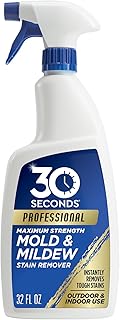
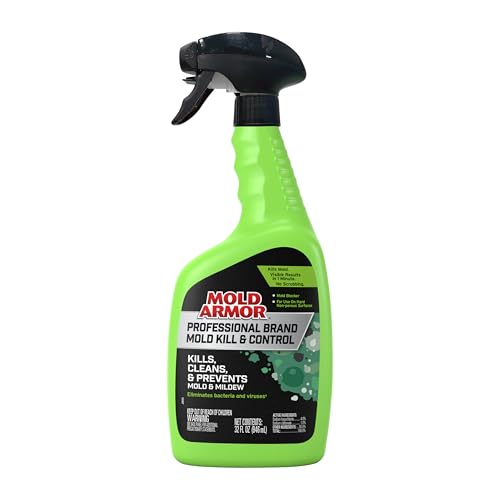
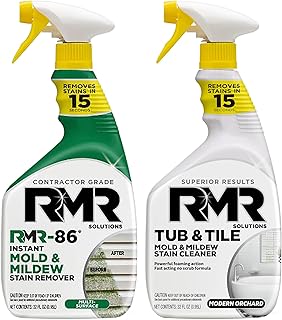

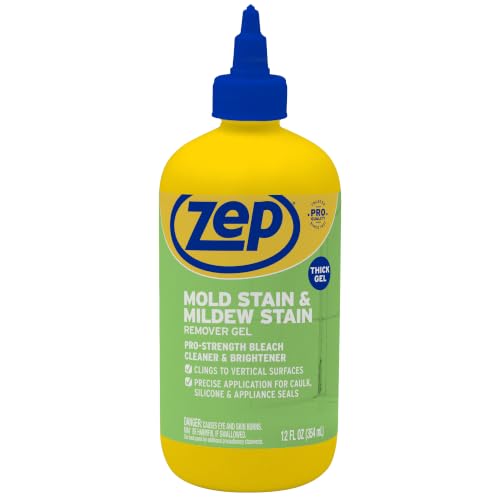
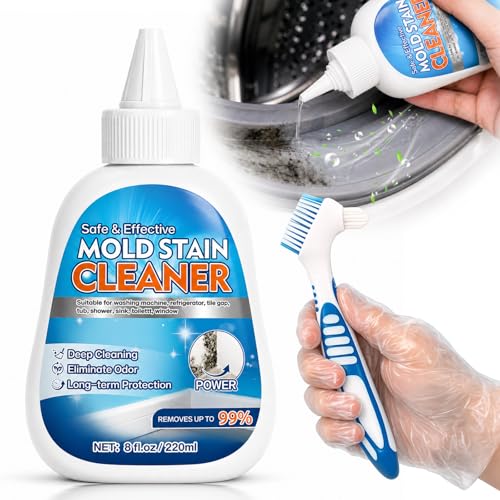


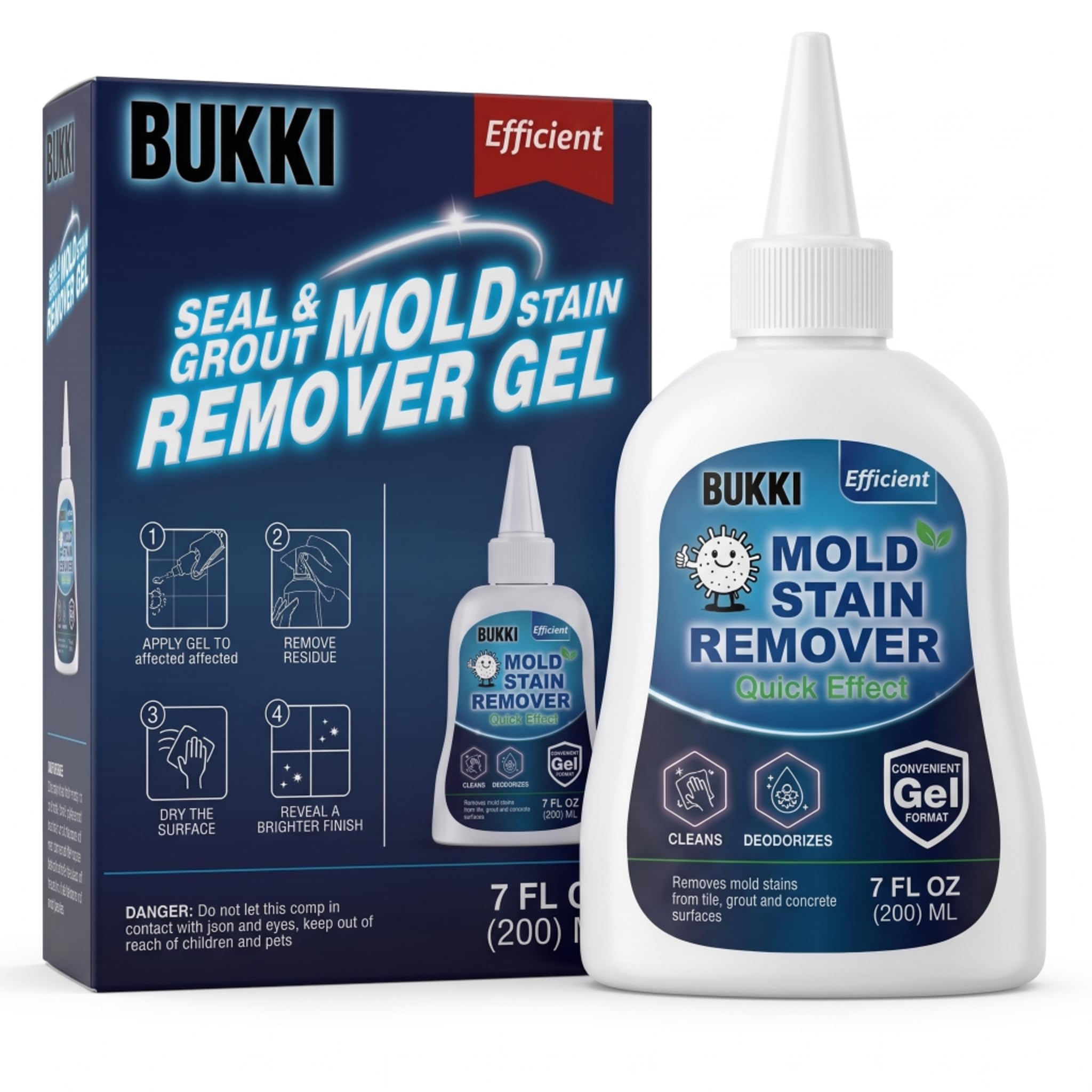
Who Should Buy Which Mold Remover for Grout?
Shower and tub owners fighting mold that keeps coming back
If the same corners turn black again a few weeks after every cleaning, your problem is dwell time, not effort. A thick gel or foam formula that clings to vertical grout lines and sits for an hour or more reaches the roots that a thin spray misses. Look for a product you can apply, leave while the room airs out, and rinse with only light brushing, because repeated hard scrubbing wears grout down over time.
Owners of colored or sanded grout who cannot risk bleach
Bleach based removers can fade the pigment in colored grout and leave pale patches that look worse than the stain. If your grout is gray, beige, or any tone other than white, choose a bleach free or hydrogen peroxide based formula and check that the label says color safe. These formulas work more slowly, so plan on a longer soak and sometimes a second application, but they lift stains without changing the color you paid to install.
Renters, landlords, and sellers refreshing a bathroom quickly
When you need a bathroom to look clean for an inspection, a move out, or listing photos, a fast spray formula with a short dwell time is the practical choice. It will not solve a deep, years old infestation in one pass, but it brightens surface staining on white grout in a single session. Pair it with a stiff grout brush, work in small sections, and keep expectations realistic about stains that have sat through several tenants.
Key Features to Compare
Active ingredient and how it lifts the stain
The ingredient list decides what the product can do. Sodium hypochlorite, the active ingredient in bleach based removers, dissolves dark staining fast and also disinfects, which is why it dominates shower products. Hydrogen peroxide formulas release oxygen that bubbles stains loose and are gentler on color. Bleach free mold control sprays are designed to kill growth and leave a barrier that slows its return, though they remove heavy black staining more slowly. For a full overview of how these chemistries differ across surfaces, see our guide to the best mold remover types for the whole home.
Format and cling on vertical grout lines
Grout lines on shower walls are vertical, and a watery spray runs down them in seconds, pooling at the tub edge instead of soaking the stain. Gel formulas are made to stay where you put them, so the active ingredient keeps working on the line you treated. Foams sit between sprays and gels, clinging for a few minutes before breaking down. In a shower stall, where nearly every line is vertical, format matters as much as strength, and our guide to the best mold remover for shower stalls compares formats for exactly this layout.
Dwell time and the scrubbing it saves
Dwell time is how long the product must sit on the stain before you rinse. Short dwell sprays suit light, fresh staining and quick touch ups between deeper cleans. Long dwell gels, some needing several hours or an overnight sit, suit stains that have darkened over months. Longer is not automatically better, because leaving a strong bleach formula on longer than the label directs can dry out and crack the grout surface. Follow the label timing, set a timer, and let chemistry do the work instead of your arm.
Surface safety for tile, stone, and fixtures
A remover that is safe on glazed ceramic and porcelain can still damage natural stone, unsealed marble, and some metal fixtures. Acidic formulas etch stone, and strong bleach can dull chrome if it sits on it. Check the label for the surfaces it names, and rinse overspray off fixtures promptly. Surface matching matters beyond the bathroom too, since porous materials behave very differently from tile, as our guide to the best mold remover for wood explains for timber and decking. When mold spreads past the grout onto painted drywall, that is a different product category again, covered in our guide to the best mold remover for walls.
Scent, ventilation, and label safety
Strong bleach formulas produce fumes that sting eyes and throats in a small bathroom, so a product you can tolerate in the room matters more than it sounds. Check whether the label carries an EPA registration number if you want disinfecting claims backed by EPA review, and read the warnings before you buy, not after you open it. Never mix a bleach based remover with vinegar, ammonia, or any other cleaner, because the reaction releases toxic gas. Run the exhaust fan, open a window, and wear household gloves for any formula in this category.
How to Apply Mold Remover on Grout Lines
Start with the surface dry, because standing water dilutes the product before it can work. Apply the remover directly along the grout line, working in sections of a few feet so no area dries out early. Let it sit for the full dwell time on the label. Gels aimed at deep stains may need plastic wrap pressed over them to stay moist on a long soak.
After the dwell, scrub each line with a stiff grout brush using short strokes along the line, not across it, so you do not grind loosened stain into fresh areas. Rinse with warm water, then dry the lines with an old towel. Drying matters more than most people expect, because grout that stays damp for hours after cleaning is exactly where the next round of mold starts. For deep stains, a second application on the dry grout the next day usually lifts more than one marathon scrubbing session.
Common Mistakes to Avoid
- Mixing a bleach based remover with vinegar or ammonia cleaners, which creates toxic gas that can injure your lungs.
- Rinsing after only a minute, which gives the formula no dwell time and leaves the root of the stain in place.
- Using a strong bleach gel on colored grout, which fades the pigment and leaves uneven pale lines.
- Scrubbing with a wire brush, which tears up soft grout and opens fresh pores for mold to colonize.
- Leaving the bathroom closed and steamy after cleaning, which keeps grout damp and invites regrowth within weeks.
Storing Your Mold Remover and Keeping It Effective
Store the bottle upright with the cap or trigger locked, in a cabinet that children and pets cannot reach, and never pour leftover product into a drink bottle or food container. Bleach based formulas slowly lose strength with age, heat, and sunlight, so keep the bottle in a cool spot and replace it if a fresh application suddenly seems weak. Rinse the spray nozzle after use so dried residue does not clog the next application, and rinse your grout brush and gloves before putting them away. If you treat the same shower regularly, write the date you opened the bottle on the label, so you know when it is time for a fresh one.
FAQ
How long should mold remover sit on grout before scrubbing?
Follow the dwell time printed on your product label, because it varies widely by formula. Fast sprays often need only 5 to 10 minutes, while gels made for deep stains may need an hour or more. One useful detail is that the product must stay wet to keep working, so on a long dwell, mist the line lightly or cover it if it starts to dry out.
Will mold remover damage colored grout?
It can, depending on the formula. Bleach based removers are the main risk for fading pigment, while peroxide based and bleach free options are usually labeled color safe. Whatever you buy, try it first on a short line in a hidden spot, such as behind the toilet or under the tub edge, and check the color after it dries before treating the whole shower.
Can I use a grout mold remover on natural stone tile?
Only if the label names stone as a safe surface. Marble, travertine, and limestone react badly to acidic cleaners, and strong bleach can leave dull marks that polishing cannot fully undo. Stone showers usually need a pH neutral or stone specific mold product instead. When in doubt, treat one small corner first and inspect it in bright light the next day.
Why does mold keep returning to the same grout lines?
Repeated growth in one spot usually points to moisture that never fully leaves, such as a slow leak behind the tile, failed caulk that lets water sit, or an exhaust fan that runs too briefly after showers. Killing the surface stain without fixing the water source means the colony regrows from below. Run the fan for at least 20 minutes after bathing and reseal gaps in the caulk line.
Is mold remover safe to use in a home with kids and pets?
Yes, when you follow the label and keep everyone out of the room until the treated grout has been rinsed and has dried fully. Ventilate during and after application, and store the bottle locked away or on a high shelf, because these are strong chemicals even when they smell mild. If a child or pet swallows any product, call poison control or a veterinarian right away rather than waiting for symptoms.
Final Thoughts
The right choice comes down to three things: your grout color, your tile material, and how deep the staining runs. Compare the types in the product table above, match the format to your vertical shower lines, and respect the dwell time and ventilation steps. Chosen well, the best mold remover for grout turns a dreaded scrubbing job into a mostly hands off soak, and a dry, aired out bathroom keeps the result lasting far longer.


