
Best Mova Robot Vacuums: How to Choose the Right Type for 2026
Disclosure: We may earn a commission when you buy through links on this page, at no extra cost to you. As an Amazon Associate I earn from qualifying purchases. Learn more

Compare Mova robot vacuum types by floor, mess and upkeep. Learn which features matter for pet hair, carpet and everyday cleaning before you choose.
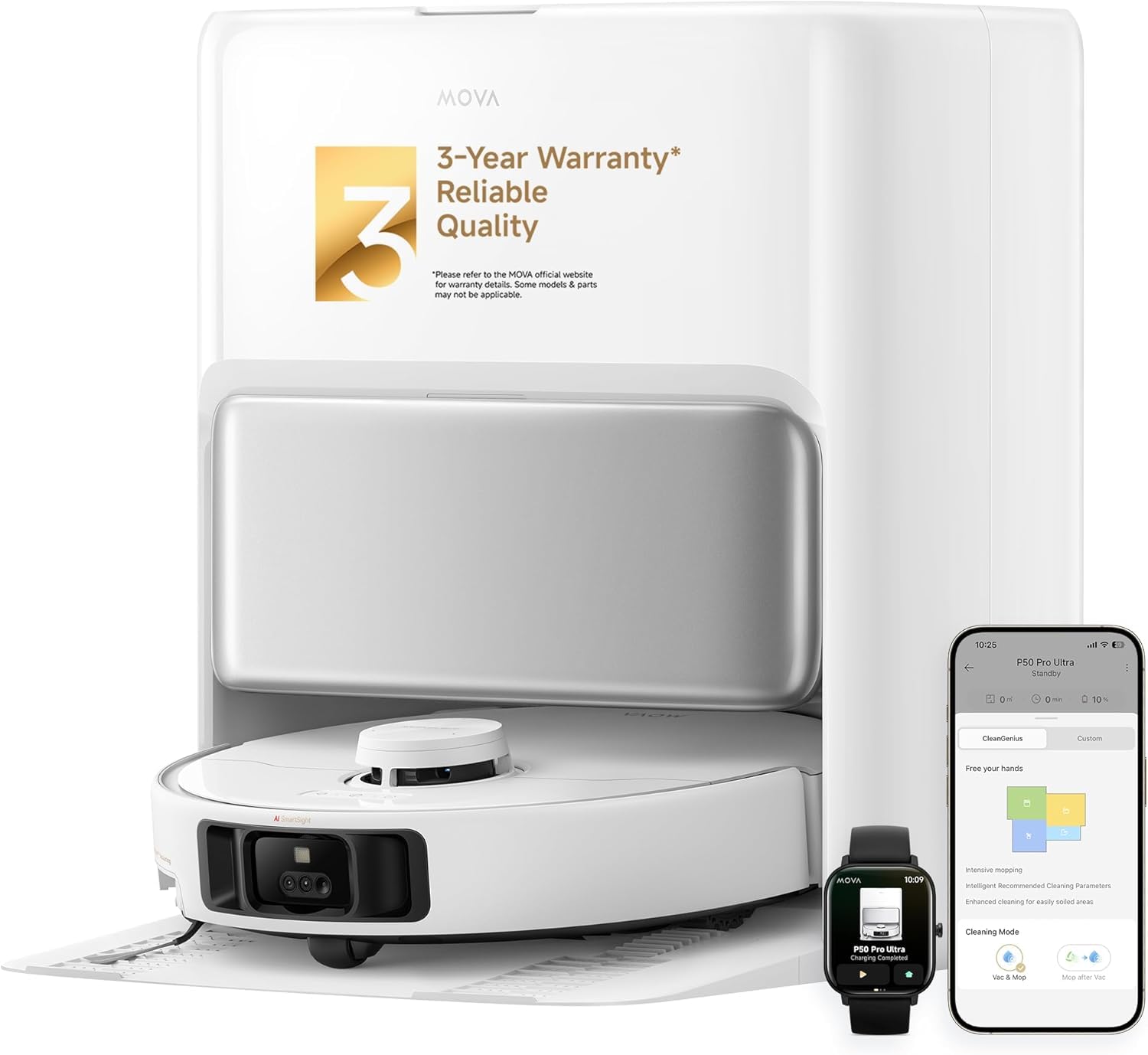
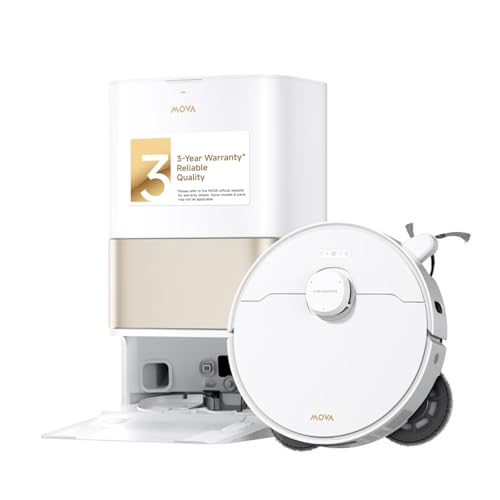
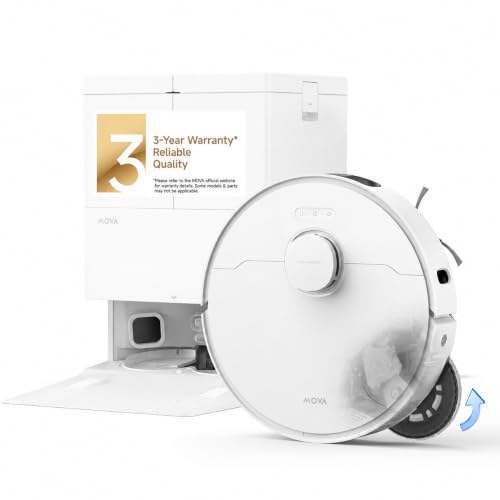
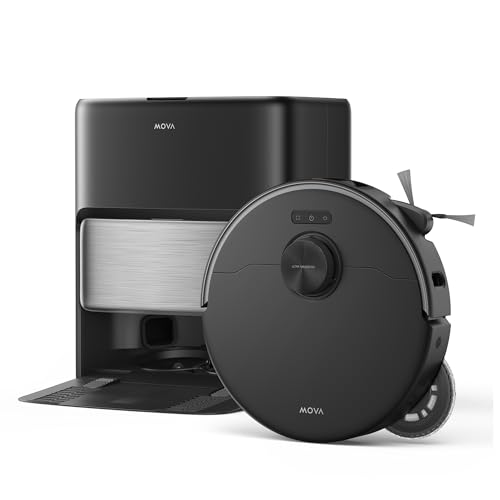
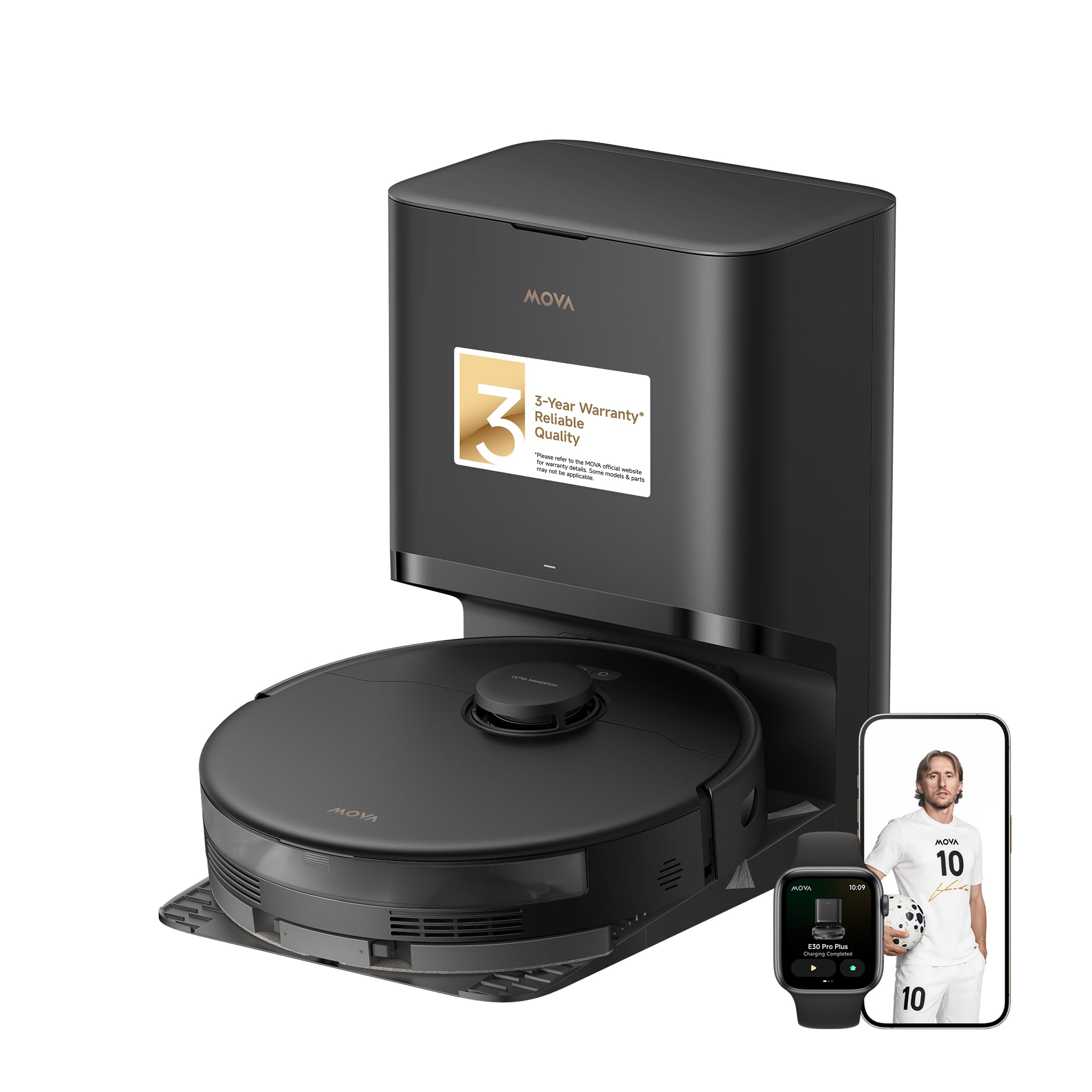
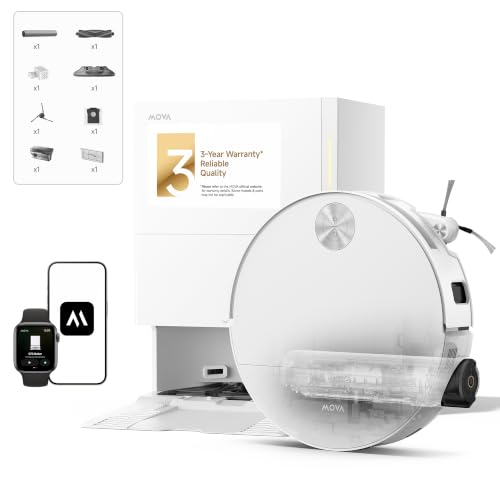
Mova sells robot vacuums at several price levels, and the model names tell you very little about how each one actually cleans. What separates the lineup is how the robot navigates, whether it mops, and how much upkeep the dock takes off your plate. Shoppers comparing options for the best mova robot vacuum usually care about the same things: will it pick up pet hair without tangling, will it handle carpet and hard floors in one run, and how often will you have to touch it.
This guide walks through the Mova lineup by cleaning job rather than by model name. You will see which features matter for shedding pets, thick rugs, and busy schedules, what the running costs look like, and how the types in the comparison table below differ before you spend anything.
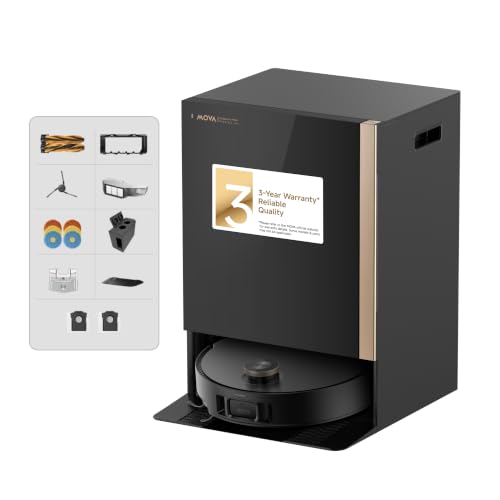
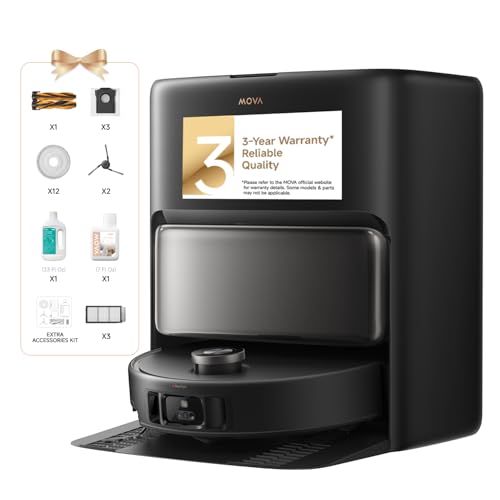
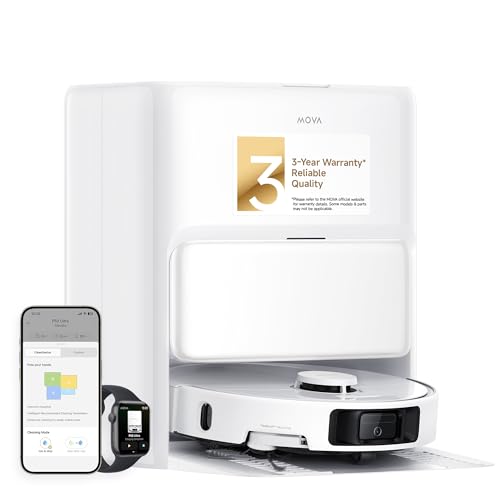
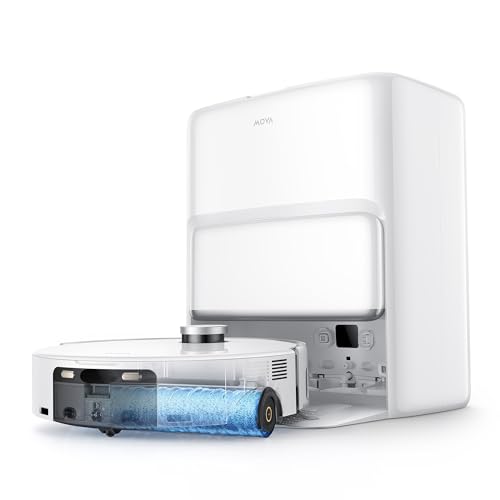
Who Should Buy Which Mova Robot Vacuum?
Homes With Shedding Pets
If dog or cat hair lands on your floors daily, look at Mova types with strong suction, a brush design that resists hair wrap, and a dock that empties the bin for you. Hair fills a small onboard bin fast, so a self emptying base turns a daily chore into a weekly one. Our guide to the best robot vacuum for pet hair explains which brush and filter setups cope best with heavy shedding.
Busy Households That Want Hands Off Cleaning
If your goal is floors that stay presentable between weekend deep cleans, a mapping model with scheduled runs and a self emptying dock fits best. You draw no go zones around pet bowls and play areas once, and the robot handles the routine after that. Buyers weighing the wider category first can start with our guide to the best robot vacuum to see how Mova style docks compare with other formats.
Mixed Floor Homes With Rugs and Hard Floors
Homes that mix hardwood, tile, and area rugs need two things: automatic carpet boost for suction and mop pads that lift clear of the rug when the robot crosses it. A vacuum and mop combo from the upper part of the Mova range suits you better than a vacuum only model, because dragging a damp pad across a rug leaves it musty and can pull dye from delicate fibers.
Key Features to Compare
Navigation and Mapping
Navigation decides how methodically the robot covers a room. Lidar based models build a precise map, clean in neat rows, and let you send the robot to one room or set zones it must avoid. Camera based and basic random bounce models cost less, but they miss spots and repeat others, which shows up as litter left along baseboards. If your home has several rooms, dark furniture legs, or a layout with many chair legs, accurate mapping saves real time because the robot finishes in one pass instead of wandering until the battery fades.
Suction and Carpet Performance
Suction ratings only tell part of the story. What matters on carpet is the brush roll design and whether the robot raises suction automatically when it senses pile. A rubber or mixed bristle roller pulls grit out of low and medium pile well, while very plush carpet can stall taller robots or drag on the brush housing. Shoppers whose homes are mostly carpet should read our guide to the best carpet robot vacuum for the pile heights and roller styles that work best, then match those traits to the Mova types above.
Mopping System and Pad Lifting
Mova mop combos range from a simple drag pad that smears water around to spinning or vibrating pads that scrub dried drips off hard floors. The detail that protects your rugs is pad lifting: better models raise the pads several millimeters or leave them at the dock when carpet is detected. Water tank size also matters, because a small tank runs dry halfway through a large kitchen. Steam is not part of this category, so set expectations at daily film and paw prints rather than baked on grease.
Dock Type and Self Emptying
The dock is where the price tiers really split. A basic dock only charges. A self emptying dock pulls debris into a sealed bag that you swap every month or two, which keeps dust out of the air when you empty and suits allergy sensitive homes. Flagship docks add pad washing and drying, which cuts the sour smell that damp pads develop. Every dock feature adds consumables, so weigh the bag and pad costs in the sections below against the minutes the dock saves you each week.
Obstacle Avoidance
Structured light and camera systems help the robot steer around charging cables, socks, and pet toys instead of eating them and stopping mid run. No system is perfect, and pet waste avoidance claims deserve skepticism, so a quick floor pickup before a scheduled run is still wise. Avoidance matters most in homes with kids and pets, where the floor changes daily. Cheaper Mova types rely on a bump sensor alone, which works, but they will push light objects around and tangle on cords more often.
Filters, Brushes and Running Costs
Every robot vacuum has consumables: side brushes wear, filters clog, and dock bags fill. Mova parts are sold in kits, and the yearly cost depends on how often you run the robot and how much hair it eats. A washable filter stretches the budget if you rinse and fully dry it, while a sealed bag system costs more per year but traps fine dust better. Check part prices and availability before you buy, because a cheap robot with costly or scarce parts can cost more over two years than a mid range one.
Reading the Mova Lineup by Tier
The Mova range falls into three rough groups. Entry types vacuum only, navigate simply, and need the bin emptied by hand after most runs; they suit small apartments and single floor plans. Mid range types add lidar mapping, stronger suction, and a basic mop pad, and they cover most family homes well. Flagship types add a full function dock with self emptying and pad washing, plus the best obstacle avoidance. As a rough guide, entry types sit around $200 to $300, mid range types about $300 to $600, and flagship dock bundles about $600 to $900. Shoppers on a tighter budget can compare with our guide to the best cheap robot vacuum to see what gets cut at the lowest prices.
Common Mistakes to Avoid
- Buying a mop combo for a mostly carpeted home means paying for pads and tanks you will rarely use while the features that matter, suction and brush design, stay mid tier.
- Skipping the measuring step leads to a robot that cannot pass under your sofa or a dock that does not fit the only free corner near an outlet.
- Ignoring consumable prices means the bargain robot can cost more in bags, pads, and brushes over two years than the next tier up.
- Running the robot on a floor covered in cords and small toys causes tangles and failed runs, so the home looks uncleaned even though the robot tried.
- Letting damp mop pads sit on the dock without washing or drying grows mildew that smells every time the robot passes.
Care and Maintenance
Empty or check the dustbin weekly even with a self emptying dock, and tap the filter clean over a trash can to keep suction strong. Pull wrapped hair from the brush ends with the included tool, because hair packed at the bearings makes the motor work harder and shortens its life. Wipe the cliff sensors and charging contacts with a dry cloth monthly. Wash mop pads after each use and let them dry fully before the next run. Store spare bags and filters in a dry spot, keep the dock away from splashing water, and if the battery ever swells or the robot smells hot while charging, stop using it and contact the maker.
FAQ
How long does a Mova robot vacuum last?
Most robot vacuums last about three to five years, and the battery is usually the first part to fade. Runtime per charge drops slowly as the pack ages, so a robot that once cleaned the whole floor may start recharging mid run. Keeping the brush free of hair, cleaning filters on schedule, and avoiding constant max suction runs all slow the wear. Replacement batteries and brush kits extend useful life when the maker keeps parts in stock.
Is a robot vacuum worth it for a busy household?
For households where floors collect hair, crumbs, and tracked in grit daily, yes, because the robot keeps the baseline clean so your own cleaning sessions get shorter. It does not replace a full size vacuum for stairs, upholstery, or deep carpet extraction. The value shows up as time: fifteen minutes of tidying the floor before runs buys you hours of manual vacuuming each month. Homes with one tidy adult and no pets gain less, since there is less daily debris to manage.
How do you clean a robot vacuum?
Start with the brush roll: remove it, cut away wrapped hair, and clear the end caps where hair packs tightest. Empty the bin, wipe its inside with a dry cloth, and tap or rinse the filter as the manual allows. Clean the side brush, spin the front caster to check for grit, and wipe sensors with a soft cloth. Doing this short routine every few weeks prevents the suction loss and error messages that owners often blame on the robot itself.
Is Mova a good robot vacuum brand?
Mova is a newer robot vacuum brand whose models compete on dock features and suction for the price. The honest trade offs are a smaller service network and a shorter track record than the oldest brands. For buyers, that means checking parts availability, warranty terms, and return windows matters more than the logo. If bags, filters, and brushes are easy to order where you live, a Mova type can be a sensible value.
Which type of Mova robot vacuum should I buy?
Match the type to your floors and schedule rather than to the longest feature list. Apartment renters with hard floors do well with a compact mapping model and a basic mop pad. Pet owners should prioritize suction, a tangle resistant brush, and a self emptying dock. Large mixed floor homes benefit most from flagship docks that wash pads and lift them over rugs. In each case the product table above shows how the types differ on the features that decide daily results.
Final Thoughts
The right Mova comes down to your floors, your mess, and how much upkeep you want to hand to the dock. Pet hair and mixed floors reward the stronger suction and smarter docks, while simple spaces stay clean with far less machine. Compare the types in the product table above, factor in bag and filter costs, and you will land on the best mova robot vacuum for your home without paying for features that never leave the dock.


