
Best Natural Mold Remover in 2026: What Actually Works on Household Mold
Disclosure: We may earn a commission when you buy through links on this page, at no extra cost to you. As an Amazon Associate I earn from qualifying purchases. Learn more
A natural mold remover can clean small household patches without bleach, but moisture control stops regrowth. Compare peroxide, vinegar and botanical sprays.
A dark patch spreading across shower grout or a bathroom ceiling corner sends most people looking for the strongest spray in the store. A growing number stop at the chlorine shelf and turn around, put off by the fumes, the residue and the worry of spraying it where children bathe. That instinct leads to the natural shelf, and to an honest question: does any of it actually work? The best natural mold remover options do work on the small, surface level patches most homes face, within limits this guide will state plainly.
Natural here means actives drawn from simple chemistry and plants: hydrogen peroxide, vinegar, baking soda and botanical oils, plus a few registered botanical sprays. Their strengths and ceilings differ, and none of them replaces moisture control, which is the real mold cure. The comparison table below groups the approaches by surface and patch size so you can see which one matches your problem before we get into method.



Who Should Buy Which Natural Mold Remover?
Patch size, surface type and who lives in the house decide whether a natural product is the right tool or the wrong one.
Renters Tackling Small Bathroom Patches
The classic natural mold case is a renter with blackening grout and a spotted ceiling corner in a small bathroom. The area is small, the surface is hard, and the lease forbids renovation. A peroxide based spray or a botanical ready to use product handles this scale well, and the room focused options in our guide to the best mold remover for shower growth show the formats built for it. Document the patch with a photo for your landlord, because recurring mold can signal a leak that is the owner's repair, not yours.
Households Avoiding Bleach Fumes and Residue
Some homes avoid chlorine for comfort, some for a household member whose breathing reacts badly to it, and some because the treated room is where a baby bathes. Natural sprays remove the fume problem while still cleaning surface mold credibly. If you are comparing the whole category rather than the natural corner of it, our overview of the best mold remover products sets out where bleach based and professional formulas still hold advantages, mainly on large areas and nonporous industrial surfaces. Knowing that boundary makes the natural choice an informed one.
Owners of Wood and Other Porous Surfaces
Wood changes the chemistry. Chlorine bleach sits on a porous surface while its water soaks in, which is why it performs poorly on moldy wood and can even feed regrowth below the surface. Peroxide based and botanical removers penetrate and clean porous material more sensibly, and the wood specific shortlist in our guide to the best mold remover for wood covers the formats made for it. The same logic applies to unsealed grout and drywall paper: what matters is reaching the growth, not just bleaching the surface color away.
Key Features to Compare
Active Ingredient: Peroxide, Vinegar, Baking Soda or Botanical Oils
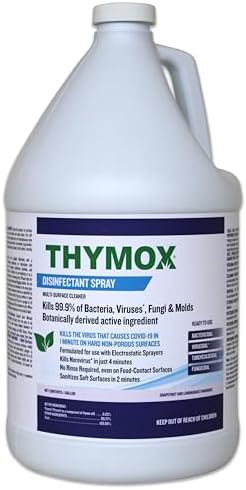
Each natural active has a personality. Hydrogen peroxide, usually at household strengths around 3 percent in sprays or stronger in concentrates, attacks mold and lifts its staining, and it suits grout and tile well. Vinegar is a mild acid that handles many common household molds on nonporous surfaces and doubles as a preventive spray, though its smell divides households. Baking soda is the gentle end: a mild abrasive and deodorizer for scrubbing, better as a partner than a solo act. Botanical oils such as thymol power registered sprays with label registered claims, at a higher price per ounce.
Porous Versus Nonporous Surface Fit
Mold on glass, glazed tile and sealed fixtures lives on the surface, and almost any natural spray reaches it. Mold on grout, caulk, wood and drywall lives partly inside the material, and reach becomes the deciding spec. Thin liquids penetrate better than gels on porous surfaces, while gels cling better on vertical nonporous ones. Painted walls sit in between: the growth is usually in the paint film and the damp drywall paper beneath, and our wall specific guidance on the best mold remover for walls walks through that case. Match the format to the depth of the problem.
Contact Time and Repeat Applications
Natural actives work more slowly than chlorine, and their labels and traditions reflect that: dwell times of ten minutes to an hour, and an expectation of a second application on older staining. This is not a defect so much as a work style. Spray, wait, scrub lightly, and repeat rather than scrubbing harder the first time. Products that promise instant natural results are borrowing chlorine's marketing without its chemistry. Judge a natural remover by how the patch looks after the second full cycle, dried, not by the first wet wipe.
Regrowth Prevention and Moisture Control
Some natural products leave an inhibiting residue that slows regrowth on the treated spot, and that is a genuine plus in a shower corner. But no residue outruns a wet room. Mold returns where water sits: a dripping valve, a failed grout seal, a bathroom fan that is never run. The remover purchase should come with a moisture audit, even a simple one. Run the fan during and after showers, fix the drip, reseal the failed line, and your cleaning interval stretches from weeks to seasons regardless of brand.
Scent, Residue and Indoor Air Considerations
Natural does not mean scentless. Vinegar announces itself for an hour, tea tree oil for far longer, and some botanical sprays carry a strong herbal note. Essential oil based products also deserve a pet caution: concentrated plant oils can be risky for animals, especially cats, so keep pets out of the room until treated surfaces are rinsed and fully dry. Peroxide sprays win the discretion contest, breaking down into water and oxygen with almost no lingering smell, which is one reason they anchor so many natural routines.
How to Clean a Small Mold Patch Safely, Step by Step
Size up the patch first. Guidance from the EPA puts the do it yourself ceiling at roughly ten square feet of mold. Anything larger, anything inside heating or air conditioning systems, and anything left by flooding or sewage belongs to a professional remediation service, whatever product you own. People with asthma, mold allergies or weakened immune systems should not do this cleaning at all; hand the job to someone else in the household or to a professional, and talk with a clinician about any symptoms that persist.
For a small patch: ventilate the room, wear gloves and a mask rated for fine particles, and mist the patch lightly with your remover before touching it, since dry scrubbing throws spores into the air. Apply the product generously, let it dwell as directed, scrub with a brush that suits the surface, then wipe and rinse. Dry the area completely, with a fan if needed, because a patch left damp is a patch invited back. Bag the used cloths and debris rather than carrying them through the house, wash your hands and arms, and let the room air out before children and pets use it again.
Common Mistakes to Avoid
- Wiping the patch dry and hard before wetting it, which launches spores into the room air you are breathing.
- Mixing vinegar with a bleach cleaner in the same routine or bucket, creating toxic gas from two innocent shelves.
- Painting straight over a mold patch, which seals in living growth that pushes through the new coat.
- Tackling a wall sized area with a natural spray long past the size where professional remediation is the right call.
- Cleaning thoroughly but skipping the moisture fix, so the patch returns within weeks and the product gets the blame.
- Judging the result while the surface is still wet, when every stain looks lighter than it will dry.
How to Make Your Natural Mold Remover Work Longer
Store peroxide products in their opaque bottles away from light and heat, because light is exactly what breaks peroxide down, and a bottle stored on a sunny sill fades fast. Vinegar and botanical sprays keep well in a cool cabinet. Label any homemade mix with its contents and date, make small batches, and never store a homemade cleaner in a drink bottle. Keep all of them, natural or not, locked or shelved high away from children and pets.
The product lasts longer when the room asks less of it. A squeegee pass on shower walls, a fan that actually runs, and grout lines dried after deep cleaning all reduce the growth rate between sessions. Keep a small preventive habit for known trouble corners, such as a light peroxide mist after the weekly clean, and inspect under sinks and behind the washing machine monthly, because the patches you find early are the ones a natural remover handles best.
FAQ
Does vinegar really work on mold in shower grout?
Vinegar handles many common household molds on nonporous surfaces and is a reasonable first try on shower tile and glass. Grout is harder, because it is porous and the growth roots below the surface; vinegar may clear the visible mold while leaving the roots to return. Give it real contact time, scrub, rinse and dry fully. If the same lines re darken quickly, move to a peroxide based product or a registered botanical spray, and check the grout seal, which may be the true failure.
How big a mold area can you clean yourself?
The widely used rule of thumb, drawn from EPA guidance, is about ten square feet, roughly a three by three foot patch. Below that, careful do it yourself cleaning with ventilation and basic protection is reasonable for a healthy adult. Above it, or where mold follows a flood, sewage or a hidden leak, call a professional. Size is not the only trigger: anyone with asthma or immune problems should skip the job at any size, and growth inside ductwork is always professional territory.
Can natural mold removers stop mold from coming back?
They can slow it, and some leave a residue that inhibits regrowth on the treated spot for a while. None can hold back mold in a room that stays wet. Regrowth is a moisture report, not a product report: find where the water comes from, whether that is a drip, condensation or a failed seal, and fix that first. With the moisture handled, a natural remover plus ordinary ventilation keeps most bathrooms clear for long stretches between treatments.
Is tea tree oil effective against mold?
Tea tree oil is one of the more studied plant oils for household mold and is widely used in natural sprays and homemade mixes. Its practical limits are cost and scent: it takes a meaningful amount to treat even a shower corner, and the medicinal smell lingers for days, which some households love and others cannot stand. Keep it away from pets, particularly cats, who process essential oils poorly, and treat strong claims for any single oil with the same skepticism you would give a bleach ad.
Should you wear a mask when cleaning mold with natural removers?
Yes, for anything beyond a tiny spot. The hazard during cleaning is the mold itself, not just the product: disturbing a patch releases spores regardless of how gentle your spray is. A well fitting respirator style mask, gloves and ventilation are the sensible baseline, and eye protection joins them for ceiling work or heavy scrubbing. Natural chemistry lowers the fume side of the job; it does not lower the spore side, so keep the protection either way.
Final Thoughts
Natural mold removers earn their shelf space on small patches, porous surfaces and households that cannot use chlorine, provided you respect their pace and their size limit. Choose the active for your surface, give it contact time, dry the area thoroughly and fix the moisture that fed the growth. The product table above compares the approaches side by side so you can match one to your patch. Used that way, the best natural mold remover is not a compromise at all, and if a patch ever outgrows these limits, bring in a professional and talk with your clinician about any lingering symptoms at home.


