
Best Natural Stainless Steel Cleaner for 2026: What to Look For
Disclosure: We may earn a commission when you buy through links on this page, at no extra cost to you. As an Amazon Associate I earn from qualifying purchases. Learn more

Compare natural stainless steel cleaners by ingredients, streak control and finish, with tips for appliances, sinks and refrigerator doors and ranges.
Stainless steel shows every fingerprint, water spot, and greasy smudge, and the harsh sprays that strip them fastest often rely on solvents many households would rather keep away from food surfaces. Plant based cleaners promise a gentler route, but the word natural covers everything from effective citric acid formulas to scented water. Finding the best natural stainless steel cleaner means looking past the leaf on the label to the ingredients and the finish each formula actually leaves behind.
This guide explains how natural formulas clean a surface that shows streaks so easily, which ingredient claims are worth paying for, and how technique matters as much as the bottle. The comparison table below groups the main formula types, and the sections after it match them to appliances, sinks, and daily upkeep.

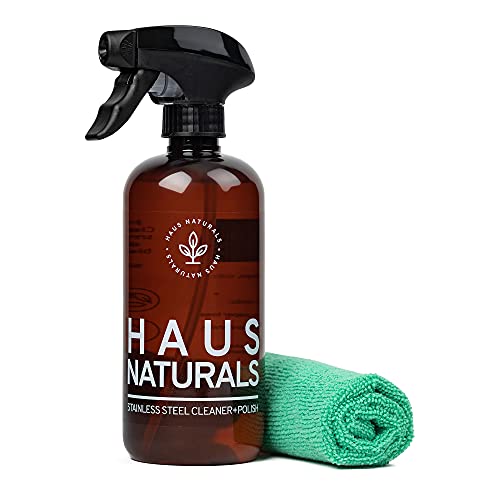
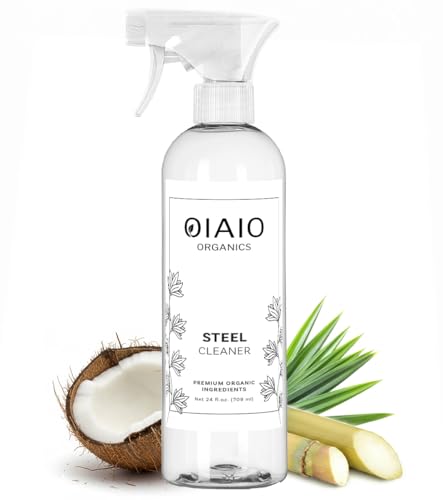


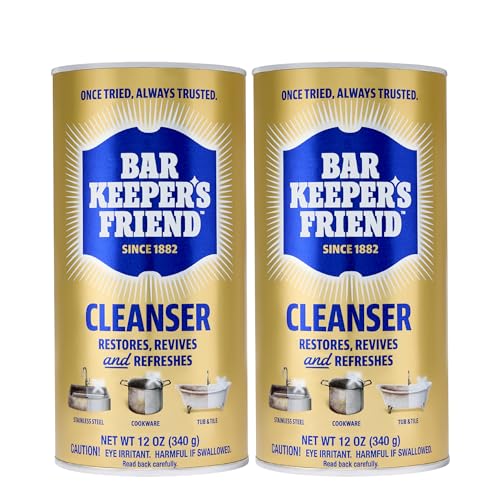

Who Should Buy Which Natural Stainless Steel Cleaner?
Homes with small children and food prep on steel counters
If little hands touch the refrigerator door minutes after eating, and your counters double as sandwich stations, ingredient safety drives the choice. Look for a plant based formula with a fully disclosed ingredient list, no added synthetic fragrance, and a food contact friendly rinse step. These cleaners trade a little degreasing muscle for peace of mind, so plan on cleaning more often in lighter passes instead of saving up a week of grime.
Cooks whose range and hood collect real grease
Stovetops punish weak cleaners. A natural formula built on plant derived surfactants and a citrus solvent such as d limonene cuts cooking grease far better than a plain vinegar style spray. Choose a cleaner rated for heavy soil, apply it to a cloth rather than the hot surface, and expect a second pass on the area above the burners. Our wider guide to the best stainless steel cleaner options compares these plant based picks with conventional heavy duty formulas.
Anyone maintaining a full suite of steel appliances
A kitchen with a steel fridge, dishwasher, oven, and microwave needs one cleaner that behaves the same on every door, because finishes vary and streaks show differently under kitchen light. A water based spray with a light polishing oil suits this routine, since it cleans daily smudges and leaves a thin layer that slows new fingerprints. The guide to the best stainless steel cleaner for appliances goes deeper on matching one product across a full appliance suite.
Key Features to Compare
What natural actually means on the ingredient list
There is no single legal definition of natural for household cleaners, so the label claim alone tells you little. Turn the bottle around and look for named plant derived ingredients, such as coconut based surfactants, citric acid, and food grade mineral oil, plus a full disclosure list rather than vague terms like eco blend. Certifications from recognized programs add credibility, but a transparent ingredient panel matters more. Be skeptical of any cleaner that hides behind fragrance as an ingredient, since that single word can cover dozens of undisclosed chemicals.
Cleaning base: acid, surfactant, or oil polish
Natural steel cleaners fall into three working styles. Citric acid formulas dissolve hard water spots and light rust staining, which is why they shine in the sink area covered by our guide to the best stainless steel cleaner for sinks. Surfactant sprays lift grease and fingerprints for daily wipe downs. Oil based polishes clean lightly while leaving a protective sheen that hides micro scratches. Many kitchens end up using two styles, an acid or surfactant spray for cleaning and an oil finish only where fingerprints drive you crazy.
Streak control and the grain of the steel
Streaks come from cleaner drying unevenly and from wiping against the brushed grain of the metal. A good natural formula dries slowly enough to buff out, instead of flashing dry and locking smears in place. Whatever you buy, the technique is fixed: wipe along the grain lines you can see in the surface, use a microfiber cloth, and flip to the dry side for a final buff. Products differ in how forgiving they are, and the most forgiving ones use a small amount of oil to level the finish.
Fingerprint resistance and protective finish
Large flat doors collect prints fastest, and the refrigerator is the worst offender in most kitchens. Oil based natural polishes leave a barrier that makes prints sit on top of the finish, where a dry cloth lifts them in seconds. That is the same reason the picks in our guide to the best stainless steel cleaner for refrigerator doors lean toward polish style formulas. The trade off is feel, since some people dislike a faintly slick door handle, and excess oil can smear if you overapply.
Scent and indoor air considerations
Fragrance is where many natural cleaners quietly stop being gentle. Essential oil scents are still volatile compounds, and heavy citrus or pine can linger in a closed kitchen and bother sensitive noses. Unscented or lightly scented formulas clean the same without perfuming the room. If anyone in the home has asthma or fragrance sensitivity, pick the unscented version and ventilate while you clean, and never assume plant derived automatically means fume free.
How to Clean Stainless Steel Without Streaks
Start by removing loose grime with a damp microfiber cloth and plain water, so the cleaner is not spent on surface dirt. Spray your natural cleaner onto the cloth rather than the appliance, which prevents drips from running down the door and drying into vertical streaks. Wipe along the grain in long strokes, working top to bottom, then buff immediately with the dry side of the cloth before the cleaner dries on its own.
For water spots around the sink and faucet, give an acid based formula a minute of contact time before wiping, and repeat rather than scrubbing harder. Never use steel wool, scouring powders, or the rough side of a sponge, because the scratches they leave are permanent and collect dirt faster afterward. Finish handles and edges last, since they carry the most skin oil and benefit from the polish layer.
Common Mistakes to Avoid
- Wiping across the grain, which pushes residue into the brushed lines and leaves cloudy streaks.
- Using a homemade vinegar spray on steel daily, which can dull the finish and damage the protective layer over time.
- Spraying the appliance directly, which lets cleaner run and dry into vertical drip marks.
- Reaching for paper towels, which shed lint and can leave fine scratches on soft finishes.
- Applying oil polish over grease, which seals the grime under a shiny layer instead of removing it.
How to Store Natural Cleaners and Keep Steel Looking New
Store natural cleaners upright in a cool cabinet away from children and pets, and keep them out of the hot, steamy spot under the sink if you can, because heat degrades plant based surfactants faster than conventional ones. Shake oil based polishes before use, since the oil separates as it sits. For the steel itself, a fast daily wipe of fingerprints with a dry microfiber cloth does more for appearance than a weekly deep clean, and drying the sink basin after use slows the water spots that acid cleaners then have to remove.
FAQ
Can a natural cleaner remove water spots from stainless steel?
Yes, if it is built on citric acid or a similar mild acid, because those spots are mineral deposits that dissolve in acid. Surfactant and oil based natural cleaners mostly smear them around. Give the acid formula a short dwell, wipe with the grain, and dry the area fully, since leaving the basin wet simply lays down the next round of spots.
Is vinegar a good natural stainless steel cleaner?
Vinegar cuts grease in a pinch, but it is a poor daily choice for steel. Its acidity can attack the chromium oxide layer that keeps stainless from rusting, especially if it sits in seams and around logos. A formulated citric acid cleaner is buffered to clean without that risk. Save vinegar for the kettle and keep it off your appliance doors.
How do I stop fingerprints from showing on my refrigerator?
Clean the door first with a surfactant spray, then apply a very thin layer of an oil based natural polish and buff until the surface feels dry. The oil fills the micro texture where skin oil would otherwise sit, so new prints rest on the surface and wipe off with a dry cloth. Reapply after each deep clean, and use less than you think, because excess oil attracts dust.
Are natural stainless steel cleaners safe around food?
Most are safer than solvent heavy conventional sprays, but safe still means following the label. Wipe food contact surfaces such as steel counters with a cloth dampened in plain water after cleaning, and let them dry before placing food down. Keep any cleaner, natural or not, stored away from food and out of reach of children, and never use a steel polish on the inside of cookware.
Why does my stainless steel look worse right after cleaning?
Usually the cleaner dried before you buffed it, or the cloth was already loaded with old polish and dirt. Work in smaller sections, spray the cloth instead of the door, and use two cloths, one for applying and one clean and dry for buffing. If cloudiness persists, it is often old wax or oil buildup, which a surfactant formula and patience will lift over two or three sessions.
Final Thoughts
Read the ingredient panel, match the formula base to your mess, and let a microfiber cloth and the grain do the rest. With the types in the product table above as your shortlist, the best natural stainless steel cleaner for your kitchen is the one whose ingredients you can actually identify, and a lighter clean more often will keep the steel looking new without harsh solvents.


