
Best Quiet Shop Vac for 2026: How to Clean Without the Roar
Disclosure: We may earn a commission when you buy through links on this page, at no extra cost to you. As an Amazon Associate I earn from qualifying purchases. Learn more

A quiet shop vac lets you clean during naps, calls and evenings. Learn which mufflers, motors and tank designs cut noise without giving up suction.
The baby finally falls asleep, the dog is calm, and then the shop vac fires up and the whole house knows about it. Standard wet and dry vacuums are among the loudest tools in a home, which is why the best quiet shop vac matters for anyone who cleans on a family schedule rather than a workshop schedule. Quieter designs do exist, and they get there with muffled exhausts, insulated motor housings, and smarter airflow rather than by simply being weak.
This guide explains what the noise numbers really mean, which design choices lower volume without gutting suction, and how to set up and run the machine so the whole job stays calmer. The product table near the top lines up the main quiet approaches, so you can see the trade offs before the detail sections.
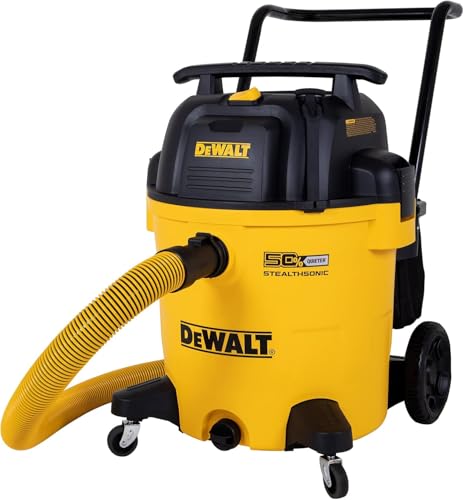
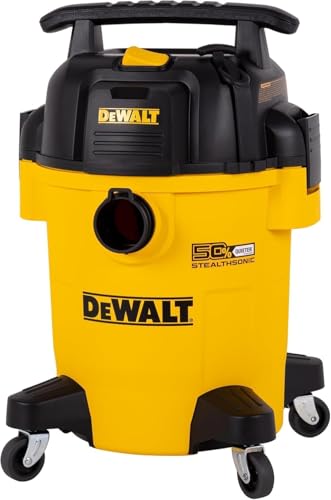


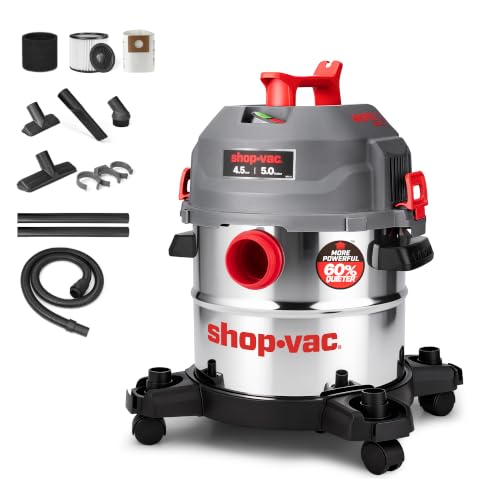
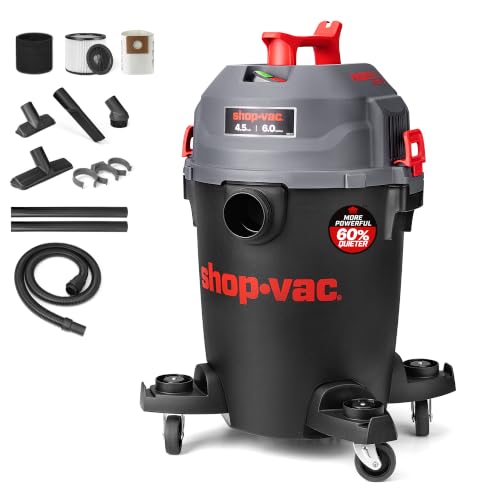
Who Should Buy a Quiet Shop Vac?
Parents Cleaning Around Nap Schedules
If your only cleaning windows are nap time and after bedtime, volume is not a luxury, it is the whole purchase. A quiet model lets you clear the kitchen floor, the garage entry, and the car seats while a toddler sleeps one room away. Lower pitch matters as much as lower volume here, because a deep hum carries through walls less harshly than a high whine. Parents should also weigh tank size, since a machine that empties less often means fewer startling bursts of noise per job.
Apartment and Condo Dwellers
Thin walls and shared hallways turn a loud cleanup into a neighbor problem, and many leases restrict noisy work to certain hours. A muffled shop vac widens your cleaning window and keeps the peace when you vacuum a balcony, a storage unit, or a car in a shared garage. Compact quiet models also store in a closet without the bulk of a contractor tank. If your building has strict quiet hours, a calmer machine is often the difference between cleaning weekly and putting it off for a month.
Pet Owners With Noise Sensitive Animals
Dogs that bolt at the vacuum and cats that vanish for hours make cleaning day stressful for everyone. A quieter machine with a softer start up tone lets you clean litter scatter, bedding areas, and muddy paw zones without the panic. You still get the wet pickup and the hose reach that pet messes demand, including spilled water bowls and litter box overflows. Owners who groom at home also benefit, since the same machine handles fur on hard floors at a volume most animals tolerate from the next room.
Key Features to Compare
Decibel Ratings and How They Are Measured
Noise claims only help if you know the scale. Standard shop vacs commonly run in the mid 80s to low 90s in decibels at the operator position, while quiet focused designs aim for the high 60s to mid 70s, which sounds roughly half as loud to your ears. The catch is that brands measure at different distances and loads, so treat any single number as a rough guide rather than a promise. Look for models that publish a rating at all, and be skeptical of dramatic claims with no method stated. A muffler equipped machine that lists its test distance is usually the more honest choice.
Mufflers, Diffusers and Exhaust Design
Most shop vac noise leaves through the exhaust, which is why a muffler or diffuser attachment makes the single biggest difference you can hear. Good designs spread the exhaust air through a foam lined chamber, trimming the harsh edge without choking airflow. Some quiet models build this into the housing, while others include a snap on muffler you must remember to install. Check whether the muffler fits during both dry and wet use, and whether it stays put when the machine rolls over a threshold. A muffler that falls off mid job quickly trains you to skip it.
Motor Housing and Sound Insulation
Beyond the exhaust, the motor itself radiates noise through the tank and lid. Quieter machines wrap the motor in a sealed, insulated compartment and use softer mounts that keep vibration from turning the tank into a drum. Thick walled tanks and snug latches help for the same reason. You can judge some of this in person by tapping the housing, since a hollow ring suggests little insulation. Insulation adds weight, so expect a truly quiet model to feel a bit heavier than a basic vac of the same tank size.
The Suction Trade Off, Honestly Stated
Slowing air down to quiet it can cost some peak suction, and you should know what you are giving up. For household work like crumbs, litter, pet hair, leaves, and light workshop dust, a quiet model with solid airflow still finishes fast, because technique and hose size matter more than the last bit of lift. Where you will feel the difference is packed carpet grit and heavy wet debris, which may take an extra pass. If your main jobs are renovation dust and big water pickups, compare the numbers in our hub guide to the best shop vac range before choosing quiet over raw power.
Tank Size, Pitch and Filter Bags
Tank size shapes the sound as well as the capacity. Very small tanks tend to produce a higher, more piercing pitch, while mid size tanks settle into a lower tone that most people find easier to live with. Filter bags also help twice over, because they keep the cartridge clean, and a clean filter lets the motor work at a lower, steadier strain instead of whining against a clog. If a quiet model you like lacks bag support, factor in more frequent filter rinsing to keep both suction and sound where they started.
Wheels, Hoses and the Noise You Add Yourself
Hardware noise counts too. Hard plastic casters clatter across tile and concrete, while larger rubberized wheels roll almost silently, and a tank dragged across a garage floor can be louder than the motor. Ribbed hoses whistle when air rushes through tight bends, so a smooth interior hose and gentle curves keep the tone down. Working with the tank in a doorway or the next room, using the hose reach instead of parking the machine beside you, drops the volume at your ears more than any single feature on the spec sheet.
Setting Up a Quieter Cleaning Routine
Placement does half the work. Park the vac on a mat or a piece of carpet offcut to stop floor vibration, keep the exhaust pointed away from the room you are cleaning, and close a door between the machine and a sleeping child when the hose allows it. Clean in shorter, more frequent sessions so no single job needs the machine screaming at full tilt for twenty minutes. For car interiors, a compact model from our guide to the best small shop vac range can be quieter still, simply because a smaller motor near the work beats a big tank dragged to the driveway.
For detailing work in a shared garage, the setups in our guide to the best shop vac for car detailing pair naturally with a muffler, since crevice work keeps the nozzle close and the machine can sit farther away. Cordless models from our roundup of the best cordless shop vac options also help in apartments, because you can clean one room at a time without hunting for an outlet in the hallway.
Common Mistakes to Avoid
- Trusting a decibel claim with no test distance, which often hides a number measured far from the machine.
- Assuming every cordless vac is quiet, since small high speed motors can whine at a very sharp pitch.
- Leaving the included muffler in the box, which throws away the largest noise reduction the machine offers.
- Running the vac on bare concrete beside you, which lets the floor amplify both vibration and exhaust noise.
- Letting the filter clog, which makes the motor strain louder and higher with every job.
How to Make Your Quiet Shop Vac Last Longer
The muffler foam traps dust over time, so rinse or tap it clean whenever you service the main filter, or the exhaust note will creep back up. Keep the cartridge filter clean for the same reason, and swap in filter bags for dusty jobs to protect it. Store the machine indoors with the hose looped loosely, and check that the insulated motor vents stay clear of dust buildup, since blocked vents make the motor run hotter and louder. Wipe the tank seals so the lid closes snugly, because a rattling lid adds a buzz that no muffler can fix. Treated this way, a quiet model holds both its suction and its low tone for years.
FAQ
How many decibels should a quiet shop vac have?
Look for ratings in the high 60s to mid 70s at the operator position, which is dramatically calmer than the mid 80s and up that standard models produce. Because brands test differently, use the number as a shortlist tool, then weigh muffler design and insulation. Your ears judge pitch as well as volume, so a lower tone at the same rating usually feels quieter at home.
Are quiet shop vacs weaker than standard models?
They usually give up a little peak suction, but for household debris the gap rarely changes the result, only the number of passes on packed grit. Airflow stays competitive on good designs, and airflow is what moves most real world dirt. If your jobs are heavy renovation debris or deep water, a standard model may still suit you better than a quiet one.
Can a muffler be added to a shop vac that did not include one?
Often yes, since many brands sell a snap on exhaust muffler matched to their outlet size, and fitting one is a fair first step before replacing the machine. Match the muffler to your exact outlet diameter, or it will leak air and rattle. Expect a modest drop in the harsh edge rather than a transformation, because the motor housing still radiates its share of the sound.
Do filter bags make a shop vac quieter?
Indirectly, yes. Bags keep fine dust out of the cartridge pleats, so airflow stays free and the motor holds a lower, steadier tone instead of straining. The effect grows over months of use, since a neglected filter slowly raises both pitch and volume. Bags also make emptying quieter in a simple way, because you lift out a sealed bag instead of shaking a dusty tank.
What is the quietest way to vacuum a car in an apartment garage?
Park the machine outside the car, work with the hose only, and choose the muffler equipped setting if your model offers one. A compact cordless unit used in short bursts also respects neighbors, since the job breaks into brief sessions. Early evening on a weekday tends to fall inside most building quiet rules, and a mat under the tank stops the concrete echo.
Final Thoughts
Judge quiet claims by design, not by a lone number: look for a real muffler, an insulated motor housing, a mid size tank, and bag support to keep the tone low over time. Match that package to your household, and the best quiet shop vac will let you clean on your schedule instead of the whole building hearing about it. Check the classes in the product table above, weigh the small suction trade off honestly, and pick the setup your family and your pets can live with every week.


