
Best Robot Vacuum Under 1000 in 2026: Where the Extra Money Goes
Disclosure: We may earn a commission when you buy through links on this page, at no extra cost to you. As an Amazon Associate I earn from qualifying purchases. Learn more

For buyers with up to 1000 to spend: mapping, self emptying docks, obstacle avoidance and mop washing explained, plus running costs of the best robot vacuum under 1000.
At this budget the question flips. You are no longer asking what a robot can do, but how much of the cleaning routine it can own outright: mapping every room, emptying its own bin, washing its own mops, and steering around the shoes and pet accidents that stop cheaper machines. The best robot vacuum under 1000 is the one whose automation matches your floors and your messes, because premium features you never trigger are just expensive decoration.
This guide looks at the premium tier through a cleaner's lens: cleaning results by surface, the manual chores each feature actually removes, safety around children and pets, and the yearly cost of bags, pads, and filters. The product table near the top sketches the feature landscape before we examine each piece.
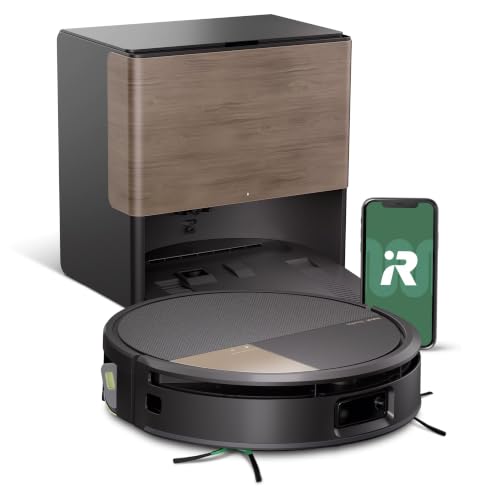
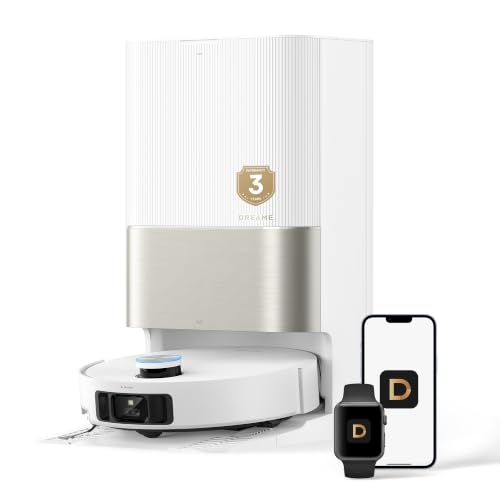
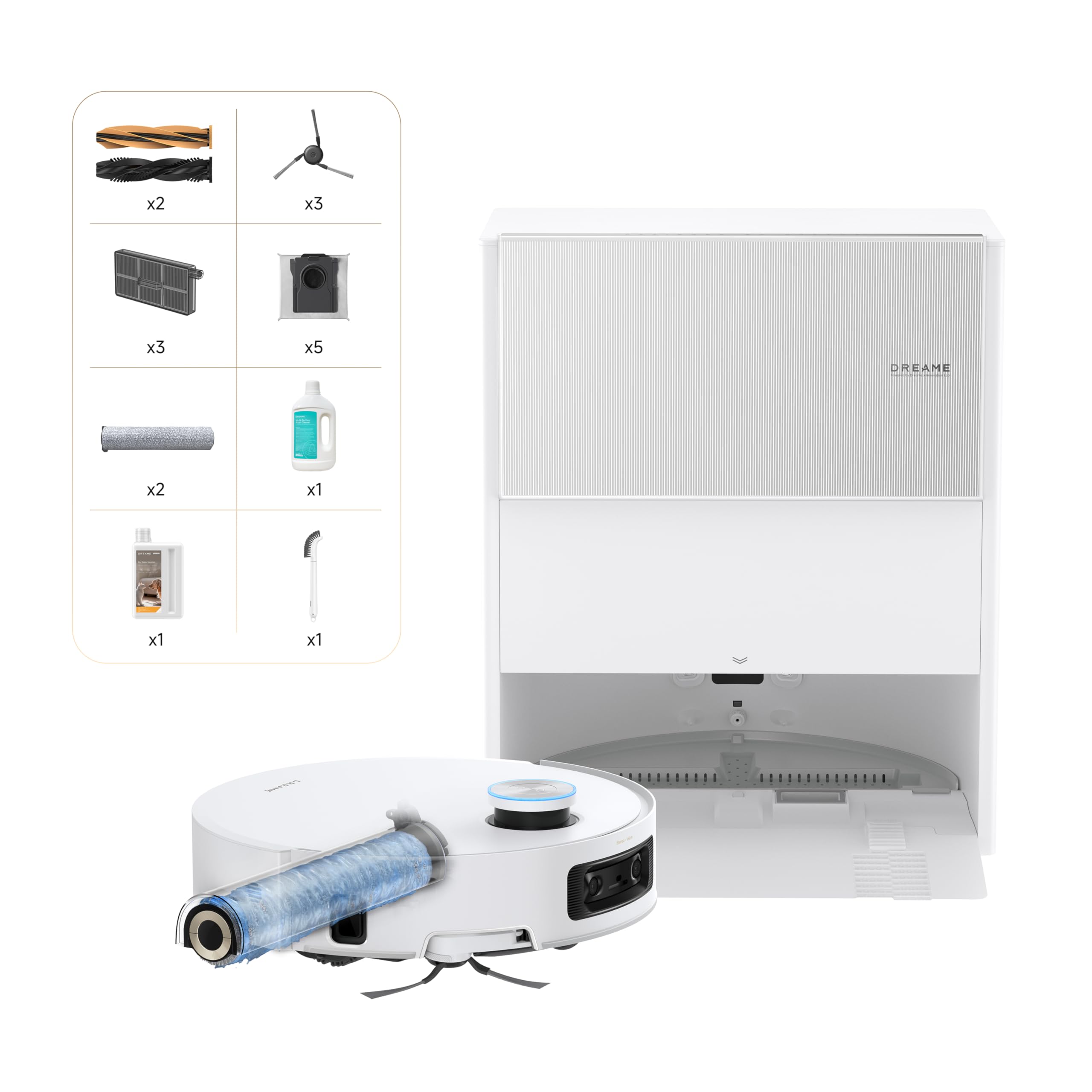
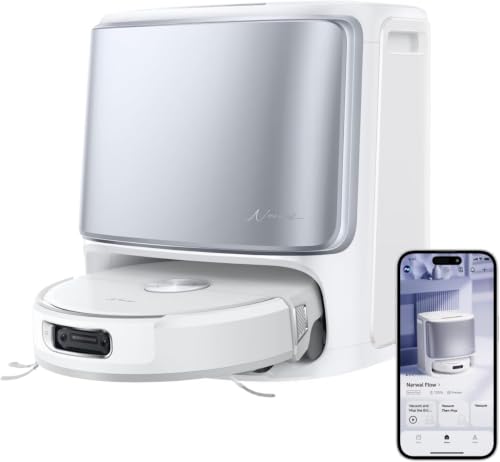

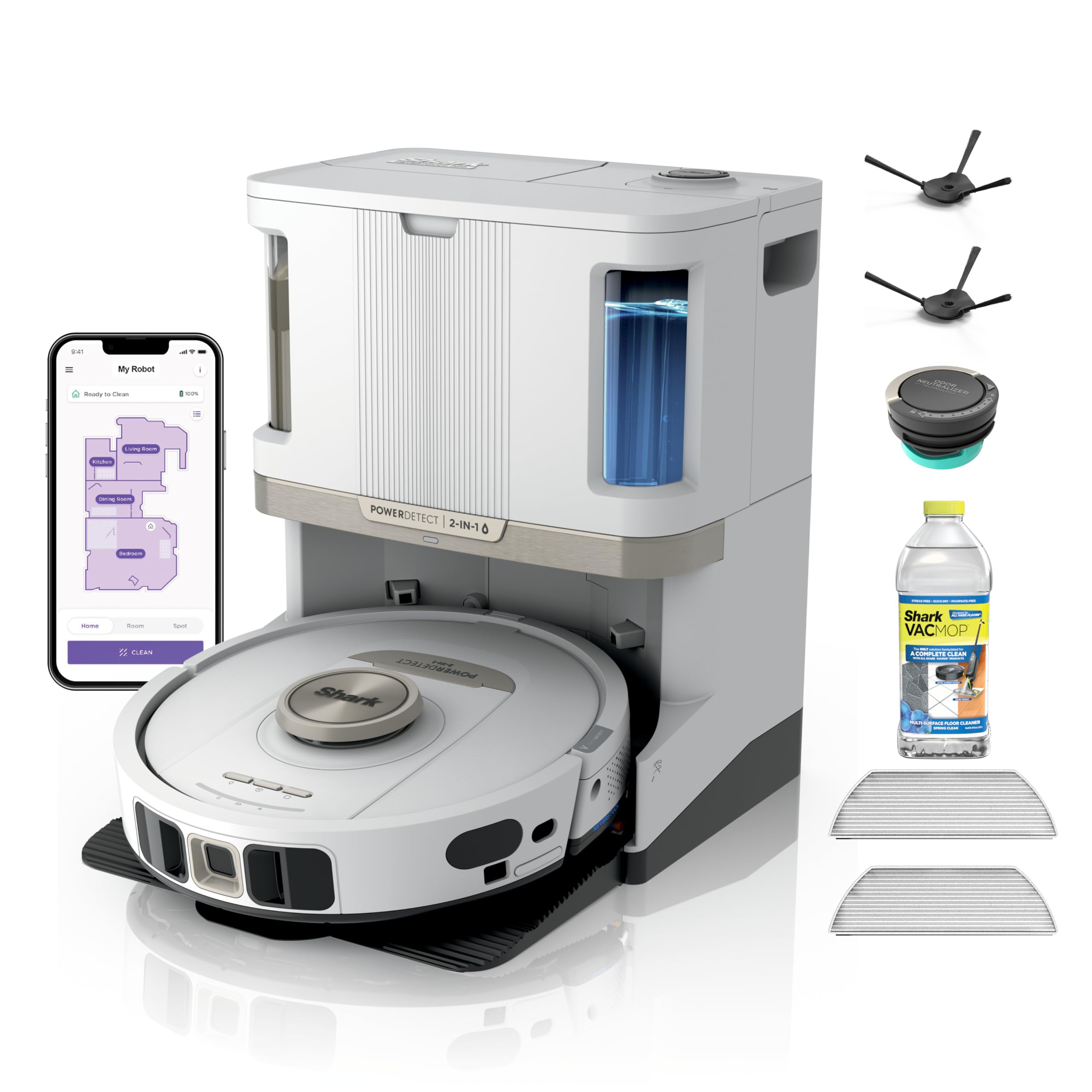
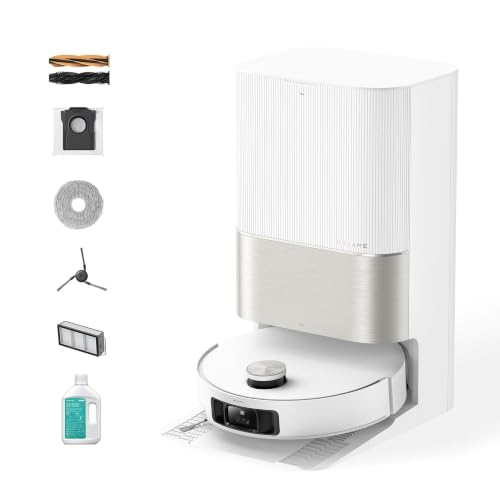
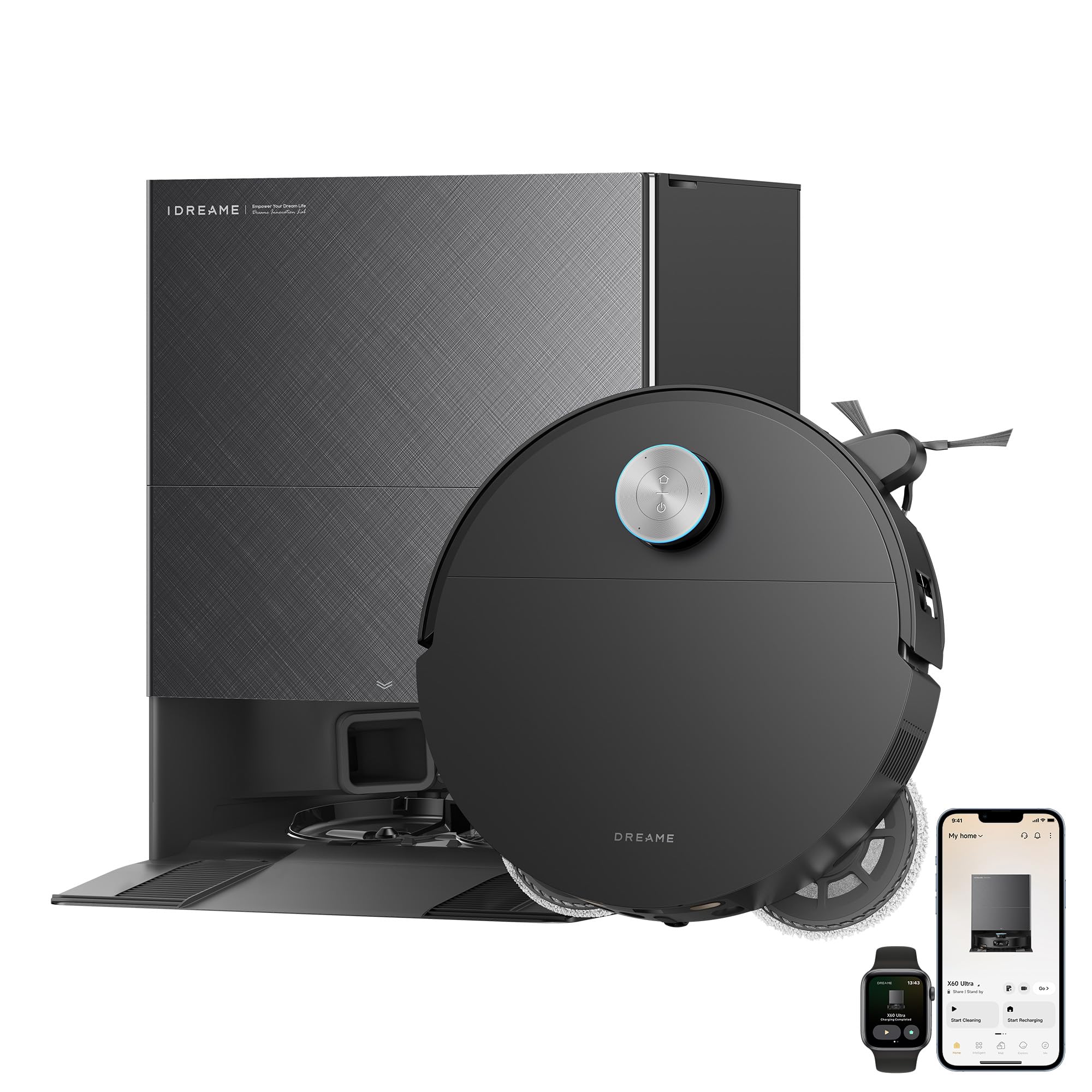
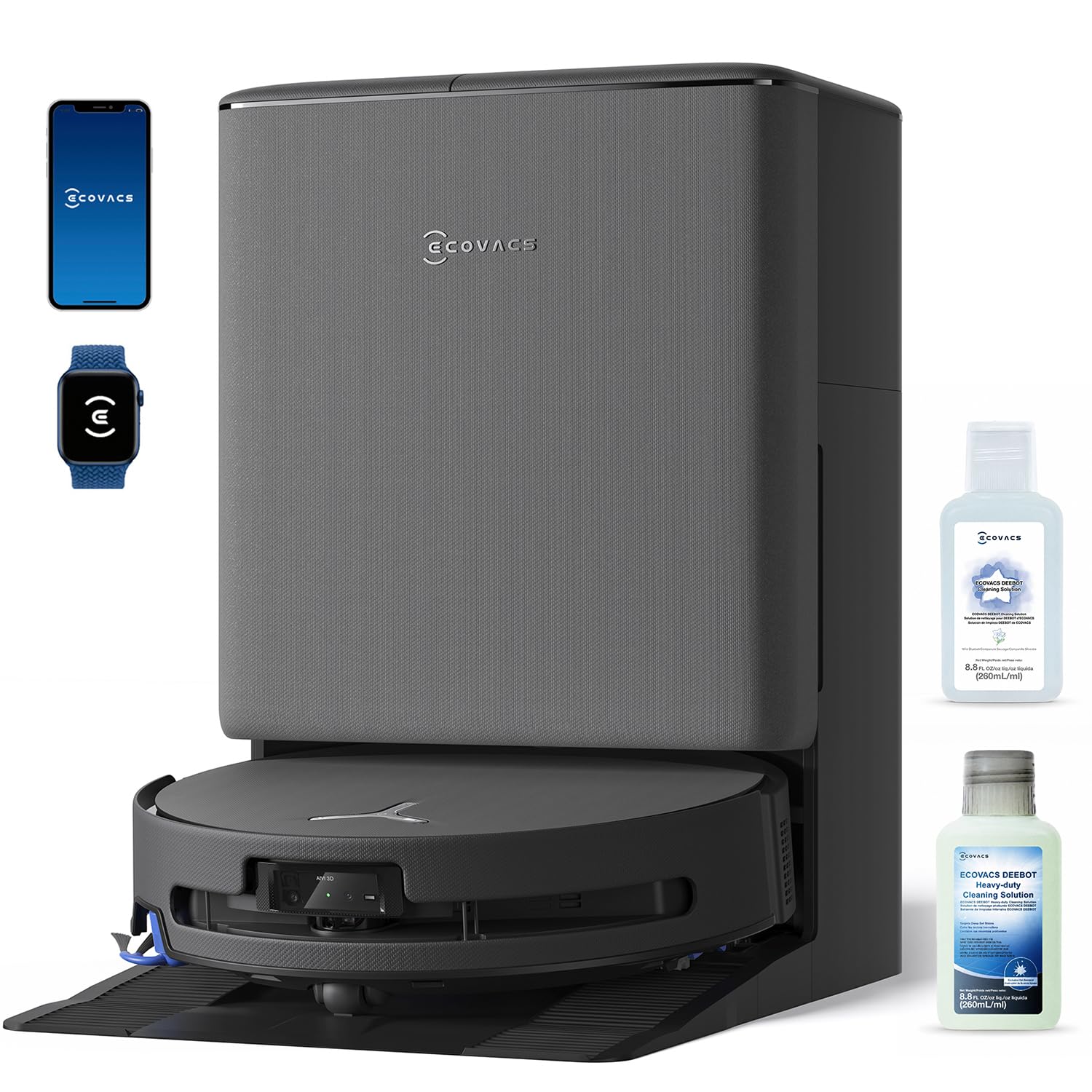

Who Should Buy Which Robot Vacuum Under $1000?
Owners of large, multi room homes
Big floor plans expose every weakness of simple robots: they get lost, die mid job, and clean the same room twice. At this tier you get accurate lidar mapping, room by room scheduling, recharge and resume, and multi floor maps for houses with levels. The robot finishes the whole home in a planned pattern while you are out, which is the core promise of the price. If your home is open plan and sprawling, weigh these mapping strengths against the full field in our guide to the best robot vacuum at every price.
Pet owners who fear the accident scenario
Every pet owner knows the story: a robot finds a mess before you do and paints the floor with it. Premium obstacle avoidance, trained to recognize waste, cords, and small objects, exists to prevent exactly that disaster, and it works best in decent light. Pair it with a self emptying dock and hair management becomes a weekly filter check rather than a daily bin chore. Homes with serious shedding should also compare the specialists in our guide to the best robot vacuum for pet hair, where brush design and bin capacity lead the decision.
Mixed floor homes that want one machine for vacuum and mop
Hard floors downstairs, carpet up, rugs in between: this layout defeats robots that drag a wet pad everywhere. Premium models lift their mops clear when carpet is detected, wash the pads at the dock between rooms, and some dry them with warm air so they do not sour. That combination turns mopping from a separate weekly project into part of the daily run. If carpet dominates your home instead, scan our guide to the best carpet robot vacuum before paying for mop hardware you will rarely use.
Key Features to Compare
Mapping accuracy and multi room control
Lidar towers spin a laser to build a precise floor plan in one pass, and the best systems hold that map steady for months, label rooms correctly, and let you set no go zones, per room suction, and cleaning order. Camera based systems add object labels to the map but depend on light. What matters in practice is editability: can you split a merged room, drop a barrier across the pet bowl corner, and save maps for each floor? A robot that maps beautifully but fights your edits will annoy you weekly, so favor mature apps with granular control over flashy demos.
Self emptying and mop washing docks
The dock is half the product at this price. Vacuum docks pull debris into a sealed bag that holds weeks of dirt, which also keeps dust out of the air when you change it. Mop docks add clean and dirty water tanks, wash the pads during and after the job, and the better ones use warm water and heated drying to stop mildew smells. Dock size is a real constraint: these stations are furniture, so measure the footprint and the clearance to open tanks before you buy. The payoff is honest, though: your weekly contact with the system drops to checking water and bags.
Obstacle avoidance and household safety
Structured light and camera systems let premium robots steer around cords, shoes, toys, and pet waste instead of bulldozing them. That protects the robot, your belongings, and your floors, and it makes unsupervised daytime runs realistic in a lived in home. The same cameras raise fair privacy questions, so check whether images are processed on the device, whether the camera has a physical indicator, and what the app shares. For families, look for a child lock on the dock and controls, and a robot that stops its brush quickly when lifted, since curious toddlers will eventually grab it mid run.
Mopping system: pads, pressure, and carpet behavior
Premium mopping splits into spinning pads and vibrating flat plates, and both beat a dragged cloth when the dock keeps them clean. What separates the best is water management: enough flow to lift dried kitchen splashes, pad pressure that stays even, and automatic lifting of about ten millimeters or more so carpet stays dry. Dirty water sensing, where offered, sends the robot back to wash when the pads are loaded, which keeps it from spreading a thin film of grime across the whole floor. Judge mop claims by these mechanics, not by tank size alone.
Suction, brushes, and carpet deep cleaning
Headline suction numbers at this tier climb high, but carpet results hinge on the brush system and how well the deck seals to the pile. Dual rubber rollers resist hair wrap and maintain contact on varied pile, while a bristle and rubber hybrid agitates deeper. Automatic suction boost on carpet is standard here and genuinely useful. Even so, set expectations: a premium robot maintains carpet beautifully between deep cleans, yet a yearly pass with a full size machine still pulls grit the robot never reaches. Spend on the brush design that fits your pile, not the biggest pascal figure.
The True Cost of Owning a Premium Robot
The purchase price is the start, not the total. Dock bags typically need changing every one to two months in a pet home and cost real money each time. Mop pads wear out and want replacing a few times a year, filters follow a similar rhythm, and side brushes and main rollers are annual items on many models. Add it up and a heavily automated robot can consume a noticeable slice of its budget tier again in parts over a few years, while a simpler machine from our guide to the best cheap robot vacuum runs on pennies by comparison. None of this argues against buying premium; it argues for pricing the parts before you commit, and for favoring models whose bags and pads are widely stocked rather than locked to one storefront.
Common Mistakes to Avoid
- Buying the flagship tier for a small apartment, where the dock alone eats the floor space the robot saves you.
- Ignoring dock dimensions and tank access, then wedging the station somewhere you cannot service it.
- Trusting obstacle avoidance in the dark, when most camera systems need light to recognize small hazards.
- Skipping the mop pad wash routine until the dock smells, because warm dirty water grows odor fast.
- Letting the map go stale after moving furniture, so the robot wastes runs bumping into a new layout.
- Never budgeting for bags and pads, then stretching them months past their effective life to save money.
How to Make Your Premium Robot Vacuum Last Longer
Treat the dock like the appliance it is: empty the dirty water tank the day it fills, rinse it, and leave it open to dry so it never sours. Wipe the robot's sensors, camera window, and cliff detectors with a dry microfiber weekly, since a filmed over lens quietly degrades the navigation you paid for. Wash or replace mop pads on schedule and let them dry fully between jobs. Keep firmware updated through the app, because mapping and avoidance improve meaningfully over a model's life. Every few months, remove the main rollers, clear the end caps of wound hair, and vacuum the dock's suction channel. Finally, if you will be away for weeks, empty all tanks and leave the robot charged on its dock rather than stored flat.
FAQ
Is a robot vacuum under $1000 worth it over a mid range model?
It is worth it when the automation replaces chores you actually hate: emptying bins, rinsing mops, rescuing a stuck robot, and remapping rooms. Large homes, pet homes, and mixed floor homes feel those gains daily. A small, tidy, single floor home will rarely notice the difference beyond mapping polish, and the saved money buys years of filters and bags for a simpler machine instead.
How much do bags, pads, and filters cost per year on a premium robot vacuum?
Expect a steady drip rather than a single bill: dock bags every month or two in pet homes, mop pads a few times a year, filters on a similar cycle, and brushes about yearly. Total yearly spend varies widely by brand and usage, so price the exact model's parts before buying. Models with bagless docks or washable pads shift the cost from consumables to your time, which suits some households better.
Can a premium robot vacuum really avoid pet waste and cords?
The best current systems recognize common hazards, including waste, cables, and shoes, and steer around them reliably in good light. No system is perfect: dim rooms, unusual objects, and very dark floors reduce accuracy. The sensible routine is still a quick floor scan before a run, treating avoidance as a strong safety net rather than a guarantee, especially while a puppy is training.
Does a self emptying dock make a robot vacuum system loud?
The emptying burst is loud, roughly like a full size vacuum for ten to twenty seconds, and it happens right after each run or docking. Most apps let you schedule a do not disturb window so the dock stays quiet overnight. Daily cleaning itself is no louder than mid range machines, and the low suction setting most owners use for maintenance runs is quiet enough for conversation in the next room.
How long does a premium robot vacuum last before it needs replacing?
With fresh wear parts and a healthy battery, the hardware commonly serves for years of daily use, and battery packs are replaceable on many models once runtime fades. Software support is the softer limit: mapping apps and avoidance models improve through updates, and a robot cut off from updates slowly falls behind. Favor brands with a track record of supporting older models, and your premium purchase will age gracefully instead of expiring early.
Final Thoughts
Premium money should buy back your time in specific, countable ways: a bin you touch monthly, mops that wash themselves, and a map you trust enough to run while the house is empty. List which of those you will use weekly, price the consumables behind them, and ignore the rest of the feature sheet. Match the finalists in the product table above to that list, and you will pick the best robot vacuum under 1000 for your home with no wasted automation.


