
Best Slim Robot Vacuum for 2026: Fitting Under Your Furniture
Disclosure: We may earn a commission when you buy through links on this page, at no extra cost to you. As an Amazon Associate I earn from qualifying purchases. Learn more

The best slim robot vacuum for low sofas and beds: compare body height, navigation, dustbin size and suction before you buy.
Most robot vacuums stand about 3.5 to 4 inches tall, and most sofas, bed frames, and media consoles offer less clearance than that. The result is a ring of dust bunnies living permanently under the furniture while the robot polishes the open floor. The best slim robot vacuum drops the body height to roughly 3 inches or less so the machine can actually reach the dirtiest square footage in the room. This guide explains what slim designs give up to get that low, and how to check your furniture before you buy.
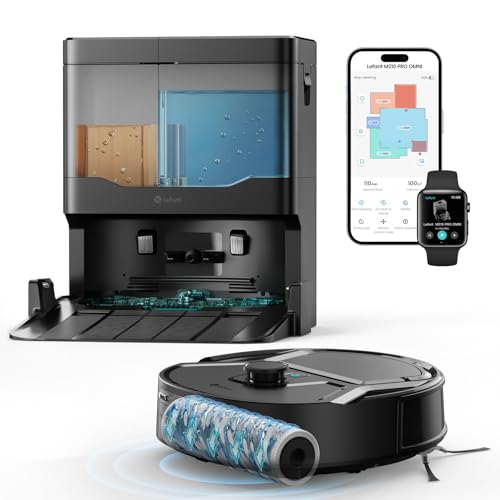
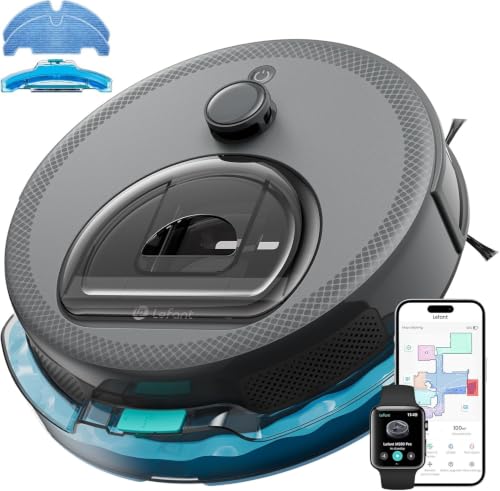
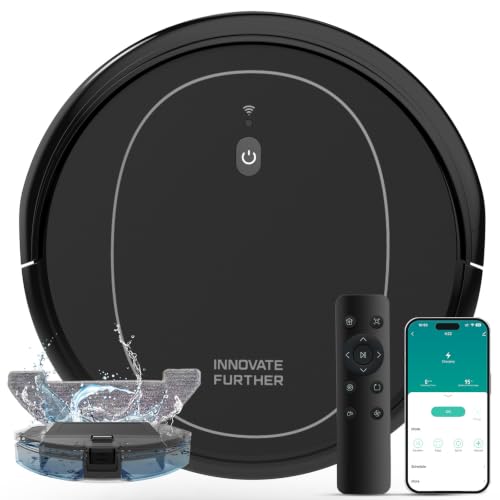
The product table below lists current slim designs. Below it, this guide covers the homes that benefit most, the tradeoffs hidden inside a low body, and a simple measuring routine that prevents the most common disappointment in this category.





Who Should Buy a Slim Robot Vacuum?
Low Sofas and Platform Bed Frames
If your sofa sits low on short legs or your platform bed leaves a few inches above the floor, a standard height robot simply never goes there, and the dust layer thickens month after month. A slim model turns that dead zone into cleaned floor. Measure the lowest point, which is often a center support leg or a sagging rail rather than the side you can see, and compare it honestly against the robot's stated height before ordering.
Homes With Low Media Consoles and Shelving
Entertainment centers, low TV stands, and floating shelves at ankle height collect cable dust and pet hair in exactly the band a tall robot cannot enter. A slim cleaner also slips under many kitchen toe kicks and radiator covers. If most of your furniture is tall and open underneath, height stops mattering and the wider best robot vacuum category, with bigger bins and stronger features, becomes the smarter place to shop.
Small Apartments Where the Dock Must Disappear
In a studio or small apartment, a charging dock parked in the open is furniture you did not want. Slim robots pair with compact docks that tuck under a console or beside a low bookshelf. The smaller body also navigates chair leg forests in dining areas better than wide models. Just confirm the dock's infrared or charging zone stays clear of the furniture skirt, or the robot will fail to dock in the very hiding spot you chose for it.
Key Features to Compare
Body Height and What It Actually Clears
Height is the headline spec, quoted in inches or centimeters, but read it as the tallest point of the machine, which may be a small sensor dome rather than the shell. Models around 2.8 to 3.1 inches clear most low furniture; shaving another fraction of an inch usually costs bin space and battery size. Carpet pile eats clearance too: a robot that fits under a sofa across hardwood may wedge itself on a thick rug edge at the same opening. Treat any fit within a quarter inch as risky and favor the shorter machine for your tightest piece of furniture.
Navigation Without a Tall Turret
Many full size robots navigate with a laser turret on top, which is exactly the part a slim body cannot afford. Slim models navigate instead with camera systems, structured light, gyroscope and bumper combinations, or lower profile sensors. Practical effect: the best slim units still map rooms and clean in rows, while budget slim units wander in a bounce pattern and cover small rooms adequately but large open plans unevenly. If your home is mostly open floor, navigation quality matters more than another millimeter of thinness, so weigh mapping features alongside height.
Suction Power and Brush Roll Layout
A thin body limits motor size, yet good slim models still pull respectable suction for hard floors and low pile carpet, which is where they spend their lives. Brush design matters as much as suction numbers: a single central brush with side brushes sweeps debris from edges, while dual rubber rollers resist hair wrap. Hair is the stress test in most homes, and our guide to the best robot vacuum for pet hair covers the roller and bin features that keep up with shedding. On hard floors, slim robots generally perform at their best; thick carpet is where their limits show.
Dustbin Size: The Slim Tax
Something has to shrink, and it is usually the dustbin. Slim models often carry bins a third smaller than standard robots, which in a pet home can mean emptying after every run instead of every few runs. A self empty dock erases that penalty but adds cost and a taller base unit that lives somewhere in the open. Do the simple math for your home: heavy shedding plus a small bin plus no self empty dock equals a chore you will resent, while a low shedding apartment barely notices the smaller bin.
Runtime, Recharge, and Resume
Slim batteries are smaller, so runtimes commonly land between about 90 and 120 minutes, enough for most apartments and the main floor of many houses. The feature to verify is recharge and resume: when the battery runs low mid job, the robot should dock, charge, and return to finish rather than restarting or quitting. Homes larger than the single charge range should treat resume as mandatory. Also check cleaning time per room in the app, since an efficient path can make a shorter runtime cover more real floor than a wandering longer one.
Carpet Boost and Threshold Climbing
Slim robots sit low, which limits how tall a threshold or rug edge they can climb, often around half an inch to three quarters of an inch. If your rooms are divided by high saddles or thick rugs, test that number against your home. Automatic carpet boost, where suction rises on carpet, helps a slim machine pull grit from low pile, and our comparisons in the best carpet robot vacuum guide show how much boost separates carpet specialists from hard floor models. For wall to wall thick carpet, a slim robot is a maintenance tool between deep cleans, not a replacement for an upright.
How to Measure Your Furniture Clearance
Measuring takes five minutes and prevents most returns in this category. Use a tape measure or a stack of books as a gauge and check the lowest entry point of each piece you want cleaned under: sofas often hide a center leg or a support rail an inch lower than the front edge, and bed frames dip at the middle beam. Add your floor covering to the math, since a rug in front of the sofa raises the robot as it approaches the opening. Write down the smallest clearance in the home, then shop for a robot at least a quarter inch shorter. Finally, clear the under furniture zone of charging cables and low hanging bed skirts once, so the slim robot's first run maps a space it can actually keep cleaning.
Common Mistakes to Avoid
- Measuring only the front edge of the sofa and missing the lower center support that actually blocks the robot.
- Buying the thinnest model for a large open home, where weak navigation leaves whole areas uncleaned.
- Ignoring the small dustbin in a pet home, turning an automatic cleaner into a daily emptying chore.
- Assuming slim means quiet or gentle, when brush and suction quality vary independently of height.
- Placing the dock under furniture where its signal is blocked, so the robot cannot find home to recharge.
- Expecting a low body to climb high thresholds, and blaming the robot for a geometry problem.
How to Make Your Slim Robot Vacuum Last Longer
Slim robots live close to the floor, so their undersides clog fast: flip the unit over weekly, pull hair from the brush ends and side brush, and wipe the cliff and bumper sensors with a dry cloth so navigation stays honest. Empty the small bin before it packs full, because an overfilled bin chokes airflow and strains the compact motor. Wash or replace the filter on the maker's schedule, and keep the charging contacts clean with a dry wipe. Store the dock against a wall where the robot will not be kicked in passing, and if you will not run it for a month or more, leave the battery around half charged rather than empty.
FAQ
How slim does a robot vacuum need to be for a typical sofa?
Most low sofas and bed frames offer about 3 to 4 inches of clearance at their lowest point, so a robot at or under about 3 inches tall fits the majority of homes. The quarter inch rule protects you: choose a machine at least a quarter inch shorter than your tightest measured gap. Kitchens add one more spot to check, the toe kick recess under cabinets, which on many installations is around 4 inches and easily cleared by any slim model.
Do slim robot vacuums have weaker suction than standard models?
On paper, often yes; in daily hard floor use, rarely in a way you can see. The smaller motor and bin are tuned for floors and low pile carpet, where pickup depends as much on brush contact as raw suction. The gap appears on thick carpet and with heavy debris like cat litter tracked deep into pile. If your home is mostly hard flooring, a good slim model cleans indistinguishably from its taller sibling; if it is mostly plush carpet, prioritize carpet performance over height.
Can a slim robot vacuum handle area rugs and room thresholds?
It handles low pile rugs and modest thresholds, typically up to about half an inch to three quarters of an inch of climb. Fringed rugs are the bigger hazard: tassels tangle in brushes and can stall any robot, slim or not, so tuck fringe under or keep fringed rugs as no go zones in the app. For a home with many thick rugs, run the slim robot as the daily maintenance cleaner and keep expectations set for a periodic upright pass.
How often do you need to empty a slim robot vacuum?
With a smaller bin, plan on emptying after one or two runs in an average home, and after every run during heavy shedding season. A useful habit is to empty the bin while the robot is mid cycle on another room, since the machine pauses for nothing. If that rhythm sounds tedious, price the self empty dock version of the same class before switching categories entirely; the dock solves bin size without giving up the low body you need.
Are slim robot vacuums a good budget choice?
They can be, because the category includes genuinely capable low cost models, and our look at the best cheap robot vacuum field shows where the real value sits. The caution is navigation: the cheapest slim units bounce randomly, which is fine for one or two rooms and frustrating for a whole floor. Spend your budget on mapping before raw suction at this size, and a budget slim robot will satisfy most small homes completely.
Final Thoughts
Measure first, then shop: your lowest furniture clearance sets the maximum height, and everything else is a balance of navigation, bin size, and runtime inside that number. The product table above puts the slim contenders side by side so the tradeoffs are visible at a glance. Keep the underside clean and the bin emptied, and the best slim robot vacuum for your home will quietly reclaim the dusty territory under sofas and beds that no mop ever reached, which is the entire reason this category exists.


