
Best Spray Grout Cleaner in 2026: How to Pick the Right Formula for Your Tile
Disclosure: We may earn a commission when you buy through links on this page, at no extra cost to you. As an Amazon Associate I earn from qualifying purchases. Learn more

The best spray grout cleaner matches its chemistry to your tile and grout type. Compare acid, alkaline and oxygen formulas before you spray and scrub.
Grout is the most porous line in the room, and it collects everything the tile shrugs off: soap film, body oils, mildew stains, mop water and years of tracked in grit. A spray cleaner is the format most people reach for first, because it targets the lines without mixing buckets or hauling equipment. But sprays are not interchangeable. The best spray grout cleaner for a porcelain shower will etch a marble floor, and the gentle bottle that is safe everywhere may barely touch a greasy kitchen line.
The deciding factor is chemistry, and the label names it if you know the families. This guide explains acid, alkaline and oxygen based sprays, matches them to grout and tile types, and covers the application routine that decides whether any of them work. The product table below lists current sprays, so you can start from the stain you actually have.


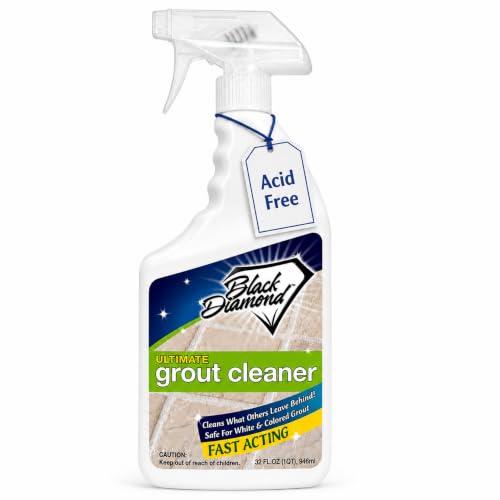
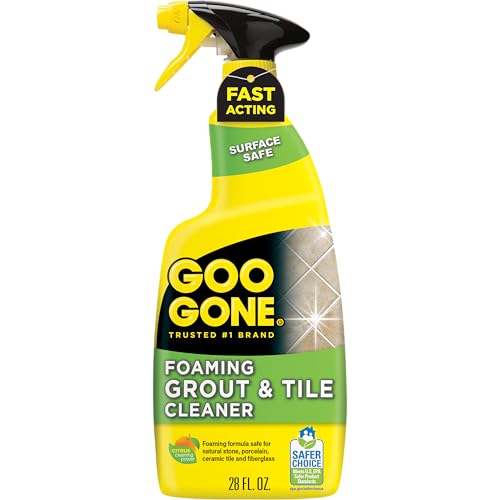

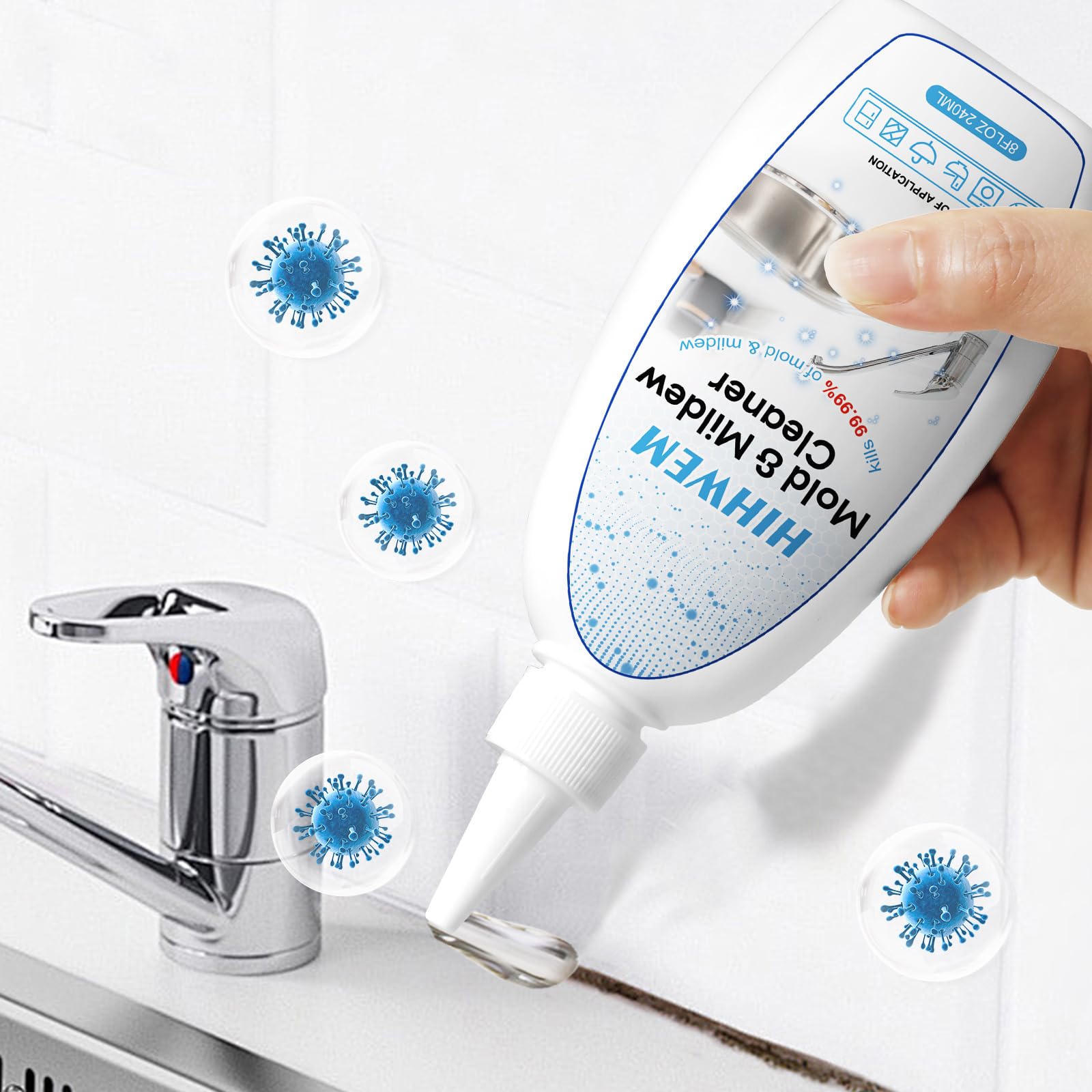
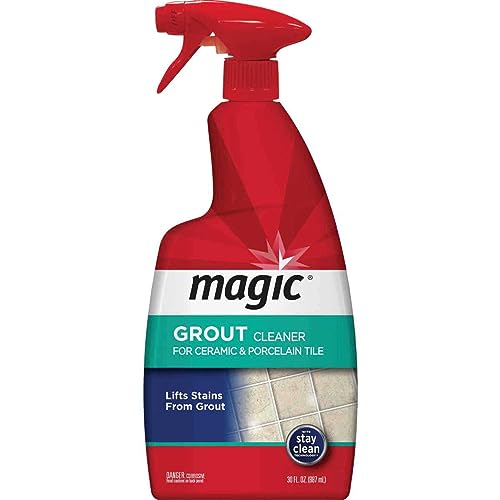


Who Should Buy Which Spray Grout Cleaner?
Your room, your tile material and whether this is weekly upkeep or a rescue job point to different formulas.
Shower Owners Fighting Soap Scum and Mildew Stains
Shower grout suffers a layered problem: soap scum and hard water film on top, mildew staining underneath. An alkaline spray handles the soap and oil layer, which is the weekly battle, and it is safe on the ceramic and porcelain tile most showers use. The dedicated options in our guide to the best grout cleaner for shower use focus on exactly this soil mix. If black staining persists after the film is gone, that is a stain problem, addressed by the oxygen family below, or a caulk problem, which no cleaner solves.
Kitchen and Entryway Floors With Greasy Traffic Films
Floor grout in cooking and entry zones darkens from below, as mop water and fine grit settle into the lines and cooking grease binds them there. Floors need an alkaline degreasing spray with enough dwell time to loosen that bound film, plus a stiff brush. Our floor focused comparison of the best grout cleaner for floor tile covers the heavier duty end of the category. This group should budget effort honestly: a decade of traffic film comes up in sections, with repeat applications, not in one heroic pass.
Sellers, Movers and Deep Cleaners Doing a One Time Rescue
A grout rescue before listing a home or after moving in is a different purchase from weekly upkeep. You want the strongest formula your tile allows, the patience for long dwell times, and gloves and ventilation sorted before you start. Our general overview of the best grout cleaner types, including pastes and powders beyond sprays, helps you judge whether a spray is even the right format for the worst rooms. Sometimes the honest answer is that the spray handles the walls while a powder paste takes the floor.
Key Features to Compare
Chemistry: Acid, Alkaline and Oxygen Formulas
Acid sprays dissolve mineral scale and hard water crust, and they can brighten cement grout dulled by deposits. Their limits are strict: acids etch natural stone, can discolor some grout and should never touch marble, travertine or limestone. Alkaline sprays are the workhorses, cutting grease, soap scum and body oil, and they are safe on most tile and grout. Oxygen bleach sprays release peroxide as they work and excel at organic stains, lifting mildew discoloration and restoring brightness, which is why the shortlist for the best grout cleaner for white grout leans on this family. Match the family to the soil, not to the advertising.
Tile and Grout Compatibility Limits
Read the exclusions before the claims. Cement based grout, sanded or unsanded, tolerates most alkaline and oxygen sprays and mild acids with care. Epoxy grout shrugs off nearly everything and needs only alkaline cleaning. Natural stone tile flips the rules: it bans acids outright and dislikes strong alkalis left to dwell. Colored grout adds a fading risk with chlorine bleach products, which is one reason chlorine is a poor default even where it is sold for grout. When a label is vague about stone, treat that silence as a no and test any product in a hidden corner regardless.
Foam Cling and Spray Pattern on Vertical Lines
On a shower wall, a thin liquid spray runs off the grout before its dwell time starts, and the cleaner ends up working on the drain instead. Foaming sprays and adjustable nozzles that produce a clinging layer solve this in a simple mechanical way: the product stays where the soil is. On floors, pattern matters less and volume matters more, since horizontal grout can hold a puddle. Check whether the bottle offers a foam setting or a stream setting, because a dual pattern bottle covers both rooms without a second purchase.
Dwell Time and the Scrubbing Trade Off
Every spray trades chemistry time against your arm. Fast acting formulas promise results in a few minutes but usually need firm scrubbing to deliver them on real soil. Slower formulas with dwell times of ten minutes or more loosen the film so a brush can sweep it away with light pressure. Neither is wrong; the honest question is which resource you would rather spend. For large floors, a longer dwell wins, because you can spray ahead in sections and let time do the work while you scrub behind it.
Fumes, Ventilation and Indoor Comfort
Strong grout chemistry announces itself. Acid and chlorine based sprays carry sharp fumes that demand an open window or a running fan, gloves and eye protection, and they should never share a work session, since mixing or layering bleach and acid products releases toxic gas. Alkaline and oxygen formulas are easier to live with but still deserve gloves, because degreasers dry and irritate skin during long jobs. If the bathroom has no window and a weak fan, that fact alone should steer you to the milder families and smaller working sections.
How to Use a Spray Grout Cleaner Room by Room
Work showers from the top down. Spray the highest grout lines first, let gravity carry the loosened film downward, and scrub and rinse in the same direction so dirty solution never crosses a cleaned section. Keep the surface wet for the full dwell time by misting again if edges dry. A grout brush or an old firm toothbrush follows the lines better than a sponge, which mostly polishes the tile and skips the recessed grout.
On floors, spray in sections of a few square feet, scrub along the lines in both directions, then pick up the dirty solution with a cloth rinsed often in clean water. Dirty rinse water is the quiet reason grout re darkens quickly: if you mop the loosened soil back across the lines, it resettles as it dries. Finish by drying the section with a clean towel if your water is hard, since evaporating hard water leaves a fresh mineral film over your clean grout.
Common Mistakes to Avoid
- Spraying an acid cleaner over marble or travertine tile, etching the stone surface in dull patches within minutes.
- Letting the cleaner dry on the grout instead of keeping it wet, which ends the chemical work before the dwell time.
- Attacking grout with a wire brush, which gouges soft cement lines and gives future dirt a deeper place to sit.
- Layering a second product over the first to boost strength, risking toxic gas when bleach and acid chemistries meet.
- Skipping the rinse and pickup step, so loosened soil dries back into the lines as a fresh gray film.
- Expecting any spray to repair crumbling or cracked grout, which is a regrouting job, not a cleaning job.
How to Make Your Spray Grout Cleaner and Its Results Last Longer
Store the bottle upright, capped and out of the steamiest spot in the bathroom, because heat and humidity slowly weaken most formulas and corrode trigger mechanisms. Rinse the nozzle after big jobs so dried product does not narrow the spray into a jet, and keep grout cleaning chemicals locked or shelved high away from children, with gloves stored beside the bottle so protection is never a separate trip.
Protect the result as well. Squeegee or towel shower walls after use and you remove the water that feeds both soap film and mildew, stretching the interval between deep cleans from weeks to months. On floors, a doormat and a no shoes habit cut the grit load at the source. When a deep clean leaves the grout bright, note whether your grout was ever sealed; unsealed lines soil far faster, and sealing is the separate step that makes the next year of spray cleaning much lighter work.
FAQ
How long should spray grout cleaner sit before scrubbing?
Follow the label, because the range is wide: some alkaline sprays ask for two to five minutes, while oxygen formulas may want fifteen minutes or more on stains. The principle is constant. The grout must stay wet for the whole period, so re mist areas that dry early, especially on warm walls. If you scrubbed too soon and the soil barely moved, respray and wait longer before blaming the product, since dwell time is the cheapest variable in the whole job.
Can spray grout cleaner damage colored grout?
It can, depending on the chemistry. Chlorine bleach sprays are the main fading risk for colored grout, and strong acids can lighten pigments and roughen the surface so it soils faster. Oxygen bleach and alkaline formulas are generally color safer, which is why they dominate recommendations for colored installations. Whatever you choose, test it on an inconspicuous stretch, behind a fixture or inside a closet line, and let it dry completely before judging the color.
Do you need to seal grout after deep cleaning?
Often, yes. Deep cleaning, especially with strong chemistry, can strip an old sealer that was already near the end of its life, leaving the grout bright but absorbent. Test with water: if a sprinkled drop soaks in and darkens the line quickly, the grout is drinking again. Sealing is a separate product and a separate afternoon, ideally a day or two after cleaning once the grout is fully dry, and it is the step that keeps your cleaning result from fading within weeks.
Why does grout look dirty again a week after cleaning?
Usually because the loosened soil was never fully removed. If dirty solution is left to dry in the lines, or rinsed with a mop bucket of gray water, the film resettles exactly where it was, just thinner. Unsealed grout wicks new soil faster, and hard water leaves mineral haze that reads as dirt. The fix is procedural: pick up dirty solution with a cloth, rinse with clean water in small sections, dry the lines, and seal once the grout is truly clean.
Can a spray grout cleaner remove mold, or only the stains?
Most sprays clean surface mold and lift its staining on nonporous and shallow surfaces, which covers the majority of shower grout lines. What they cannot do is rescue mold rooted in silicone caulk, where the growth lives inside the material; stained caulk needs cutting out and replacing, not stronger spray. Mold that keeps returning to the same grout spot signals a moisture problem behind the wall or a failed seal, and that diagnosis matters more than any product upgrade.
Final Thoughts
Start from the soil and the stone, not the shelf. Alkaline for grease and soap, oxygen for stains and brightening, acid only where minerals rule and stone is absent, and a dwell time you actually honor. Use the product table above to line up the formulas that fit your rooms, test in a hidden corner, and pick up the dirty solution instead of spreading it. With the chemistry matched to the job, the best spray grout cleaner turns the worst lines in the house back to the color they were grouted in.


