
Best Spray Mold Remover for 2026: Broad Coverage for Walls and Tile
Disclosure: We may earn a commission when you buy through links on this page, at no extra cost to you. As an Amazon Associate I earn from qualifying purchases. Learn more

Choose the best spray mold remover for tile, walls and ceilings. Compare coverage, no scrub formulas, surface safety and overspray control first.
When mold spreads across a shower wall, a bathroom ceiling, or a whole section of basement drywall, precision products are too slow. The best spray mold remover covers broad surfaces fast, reaches corners a sponge cannot, and in the stronger formulas lifts black staining without scrubbing. But sprays vary widely: some kill mold and remove stains, others only clean, and some damage paint or fabric on contact. This guide explains how to tell them apart and how to spray safely indoors.
The product table below lists current sprays. Under it, this guide covers the surfaces sprays suit best, the ingredient and technique details that decide results, and the point where a spray bottle stops being the right tool.

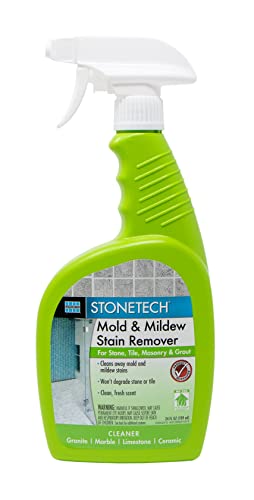

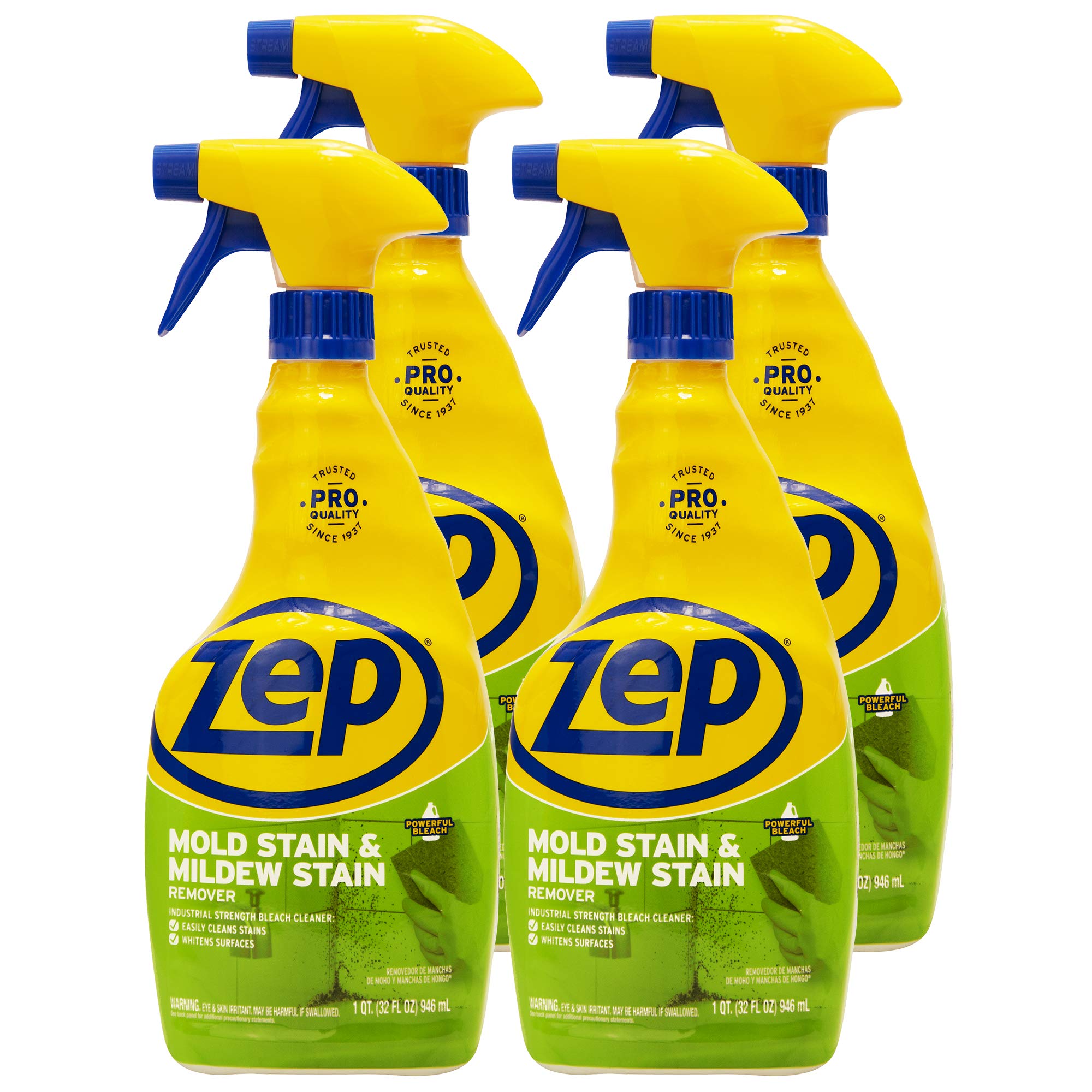


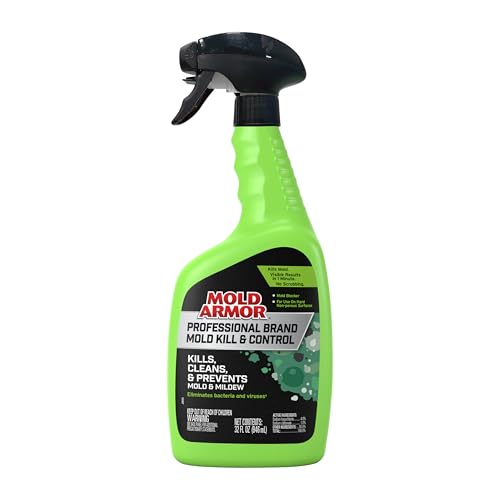

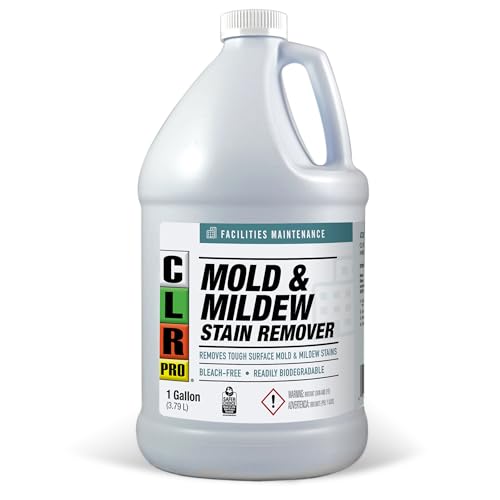

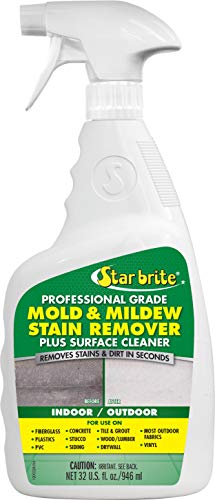
Who Should Buy Which Spray Mold Remover?
Large Tile Showers and Tub Surrounds
A full shower has dozens of square feet of tile and grout, far too much for a gel tube. A trigger spray with a wide fan pattern coats walls quickly, and foaming versions cling long enough on vertical tile to work before draining. Our guide to the best mold remover for shower use compares spray coverage against gels and foams for exactly this job.
Painted Bathroom Walls and Ceilings
Mold on painted drywall needs a gentler hand. Strong bleach sprays can yellow paint and leave tide lines, so look for formulas labeled for painted surfaces and plan to spray, wait, and wipe rather than soak. Our dedicated notes on the best mold remover for walls go deeper on ceiling corners, condensation driven growth, and when repainting with mold resistant paint makes more sense than repeated cleaning.
Basements, Laundry Rooms, and Utility Spaces
Cooler rooms grow mold on larger, flatter areas: foundation walls, the wall behind a washer, wooden shelving. A standard spray handles the square footage, but check the label for use on porous materials, and see our guide to the best mold remover for wood before treating timber or particle board, which absorb both moisture and mold roots. Comparing formats across the whole category, our overview of the best mold remover options is a useful starting map.
Key Features to Compare
Coverage Area and Spray Pattern
A spray is only efficient if the bottle matches the area. Check the stated coverage per bottle and the spray pattern the trigger produces: a wide fan lays product evenly on walls, while a stream setting reaches ceiling corners and the junction behind a toilet tank. Adjustable nozzles that switch between mist, foam, and stream cover more situations in one bottle. Bottle size matters as well, because a small specialty bottle may run dry halfway across a large shower and leave the second half undertreated, which invites quick regrowth.
Stain Lifting Power vs Simple Cleaning
Read the promise carefully. True remover sprays built on sodium hypochlorite bleach or strong peroxide both kill mold and dissolve the dark pigment it leaves in grout and caulk, which is what no scrub claims rest on. Cleaning sprays based on surfactants and mild botanicals remove surface soil and light growth but leave deep stains and embedded roots. Neither is dishonest, but they are different products. For a rental inspection or a sale, stain lifting matters; for weekly upkeep after a deep clean, a gentler cleaner spray may be the smarter bottle to own.
Active Ingredient Choices and Odor
Bleach based sprays work fastest on stains and carry the strongest fumes, demanding ventilation and care around fabrics. Hydrogen peroxide sprays foam on contact with organic soil, which helps you see coverage, and they break down with far less lingering odor. Quat based disinfectant sprays kill mold and mildew on hard surfaces but generally clean stains less aggressively. Botanical sprays avoid harsh chemistry yet ask for longer contact and repeat passes. Match the ingredient to the room: a small unventilated powder room argues against the strongest bleach formula no matter how bad the stain looks.
Surface Safety and Overspray Behavior
Spray goes where you aim it and also where you do not. Fine mist drifts onto chrome fixtures, towels, and flooring, and bleach drift spots fabric permanently. Prefer sprays with a foam setting for control near anything bleach can damage, and check the surface list for paint, stone, metal, and sealed versus unsealed grout. On natural stone and marble, many mold sprays are simply prohibited. The larger the treatment area, the more time you should budget for masking or moving nearby items before the first trigger pull.
Rinse Free vs Rinse Required Formulas
Some sprays are designed to spray, wait, and walk away; others must be rinsed or wiped after the dwell, which doubles the work on a big wall. Rinse free formulas suit ceilings and high walls where rinsing is awkward. Rinse required products often clean more deeply and are the better pick for shower floors and tub decks where residue would otherwise sit in bathwater contact zones. The label also tells you whether the surface is food or skin contact sensitive after treatment, which matters around tubs used by children.
Removers vs Prevention Sprays
Prevention sprays are a different product wearing similar packaging. They leave an antimicrobial barrier that slows regrowth on clean surfaces and do little against established black staining. Removers treat existing mold. Buying a prevention spray for an active problem is the most common selection error in this category. The efficient pattern for a problem bathroom is to remove first with a true remover, dry the room thoroughly, then use a prevention spray on the cleaned surface every week or two to stretch the interval between deep treatments.
Spray Technique That Prevents Drift and Damage
Technique decides whether a spray stays on the mold or ends up on your towels. Work from the top of the area downward so drips run over untreated surface rather than cleaned surface. Hold the nozzle about 6 to 8 inches from the wall for an even coat without bounce back. Spray in calm air: turn off fans and close windows during application so mist does not drift, then ventilate fully once the dwell begins. Remove or cover towels, bath mats, and toothbrushes before starting, lay an old towel at the base of the wall to catch runs, and keep children and pets out of the room until treated surfaces are rinsed or dry, per the label.
Common Mistakes to Avoid
- Spraying a prevention product on established black mold and concluding that sprays do not work.
- Using a fine mist setting in a breezy room, so half the product drifts onto fixtures and fabric instead of the wall.
- Scrubbing immediately after spraying, which ends the dwell time before the ingredient can lift the stain or kill growth in pores.
- Treating a large area with a small bottle and running out midway, leaving the untreated half to reseed the cleaned half.
- Spraying bleach based remover over residue of an acidic cleaner, a combination that can release dangerous gas.
- Ignoring the leak, condensation, or failed exhaust fan behind the mold, which guarantees the stain returns.
Storing Spray Mold Remover and Working Safely
Store spray bottles upright, capped, and locked away from children and pets, in a cool spot out of direct sun, because heat and light degrade bleach based formulas within months. Keep the label intact: it carries the dwell time, surface limits, and first aid information you will want on the second use, not just the first. Wear gloves for extended spraying and eye protection when treating ceilings, where drips fall toward your face. Never transfer remover into a food or drink container, and never mix two mold products in one bottle. If a household member has asthma, schedule treatments when they are out, and air the room fully before they return.
FAQ
Does a no scrub mold remover spray really work without scrubbing?
On hard, nonporous surfaces like glazed tile and fiberglass, strong bleach based sprays genuinely lift stains without scrubbing, because the ingredient dissolves the pigment while it kills the growth. On unsealed grout and caulk, results are partial: the surface clears while deeper staining may need a light brush pass to open the pores. Treat no scrub as accurate for smooth surfaces and optimistic for porous ones, and you will judge results fairly.
Can you spray mold remover on a bathroom ceiling?
Yes, with adjustments. Use a stream or foam setting rather than a fine mist so product lands on the ceiling instead of raining back down, wear eye protection, and choose a rinse free formula since rinsing overhead is impractical. Ceiling mold usually signals condensation or an exhaust fan problem, so check that the fan actually vents outside and runs during showers; otherwise the spots will return no matter which spray you use.
How do you protect fixtures and towels from mold spray overspray?
Remove towels, mats, and toiletries from the room first; it takes two minutes and prevents permanent bleach spots. Cover chrome fixtures with plastic wrap or an old cloth if you are spraying close to them, and switch the nozzle to foam near anything sensitive. Wipe any accidental drift off metal right away with a wet cloth. These small steps cost little and are the difference between a clean wall and a spotted shower curtain.
What is the difference between killing mold and removing its stain?
Killing stops the growth; staining is the pigment and residue the colony leaves in grout, caulk, and paint. Some disinfectant sprays kill effectively but bleach poorly, so a surface can be sanitary and still look dirty. Bleach based removers do both jobs on hard surfaces. Knowing which outcome you need prevents disappointment: a landlord walkthrough cares about appearance, while an allergy sensitive household cares more that growth is dead and the moisture source is fixed.
How large an area should you treat with spray mold remover yourself?
Common guidance, including from the EPA, treats about 10 square feet as the practical limit for do it yourself cleanup. Beyond that, or when mold appears inside walls, under flooring, or keeps returning after thorough cleaning and drying, the problem is structural moisture rather than surface dirt. At that scale a professional assessment protects both the building and the occupants, and no spray bottle, however strong, substitutes for finding the water source.
Final Thoughts
Pick your spray by surface and scale: a stain lifting remover for established growth on tile, a gentler formula for painted walls, foam settings near anything bleach can harm, and enough bottle to finish the whole area in one session. Fix the moisture, ventilate while you work, and respect the dwell time. The product table above lines up the main options for a quick side by side look. Chosen and used that way, the best spray mold remover clears broad bathroom and basement surfaces in a single pass and keeps your effort focused on prevention, where it pays off longest.


