
Best Spray Oven Cleaner: A Buying Guide for 2026
Disclosure: We may earn a commission when you buy through links on this page, at no extra cost to you. As an Amazon Associate I earn from qualifying purchases. Learn more

Compare spray oven cleaners by formula strength, fume level and surface safety, with dwell times, prices and safety steps for baked on grease.
Baked on grease polymerizes into a varnish like layer that dish soap barely touches, and scrubbing it with a scouring pad can take an hour of hard work. A spray cleaner does the chemistry for you while it sits. Choosing the best spray oven cleaner means matching formula strength to how dirty your oven is, then checking that the formula is safe for your oven type. The product table below lists current sprays.
This guide explains the difference between heavy duty and fume free sprays, how dwell time changes the result, and the safety steps that matter with any strong cleaner. If you are comparing every format, not just sprays, start with our guide to the best oven cleaner options across pastes, gels, and powders.


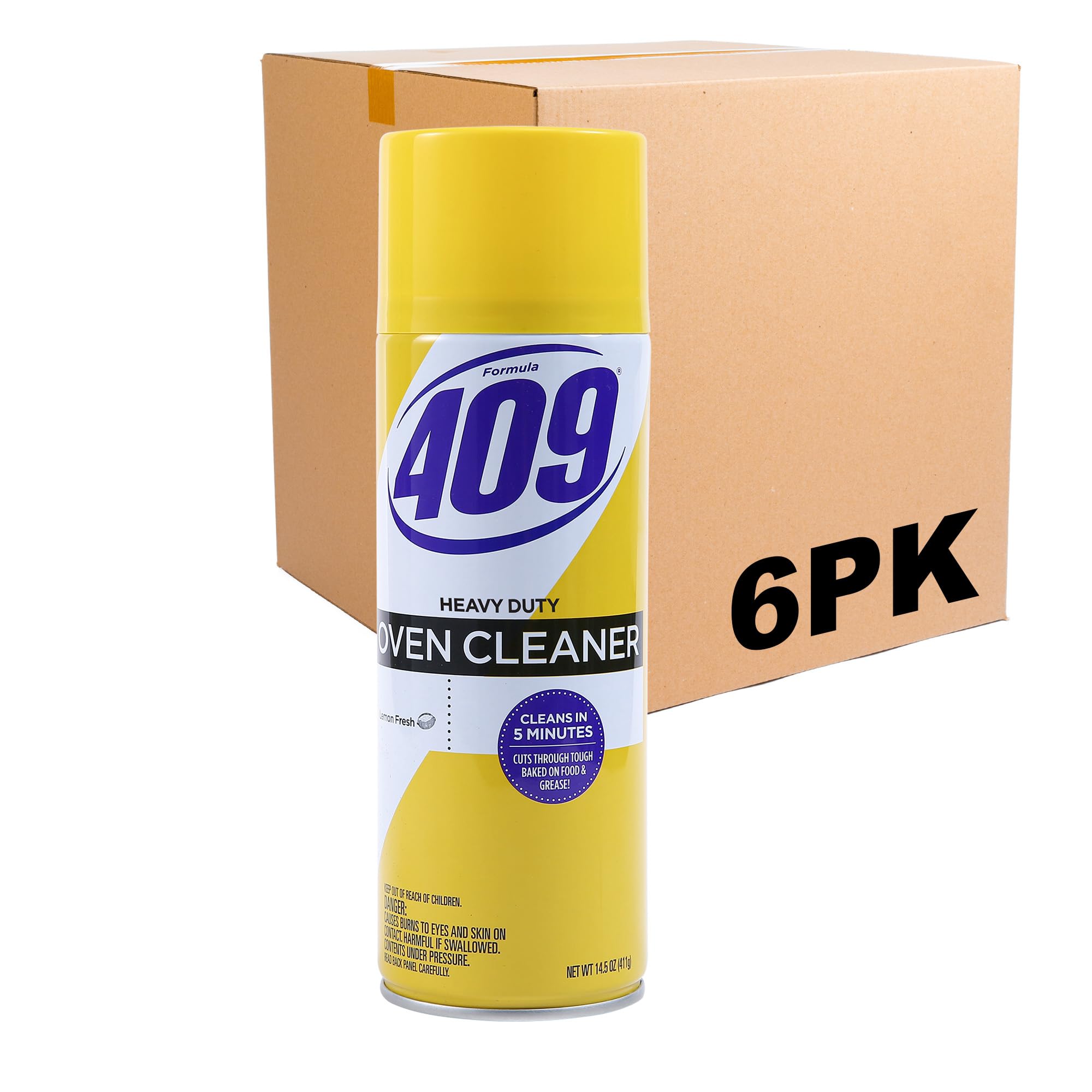


Who Should Buy Which Spray Oven Cleaner?
Home Cooks Facing Months of Baked On Grease
If your oven walls are black with carbonized drips from roasts and casseroles, you need a heavy duty caustic spray and a long dwell time. These formulas dissolve grease that milder products only smear around. Plan the job for a day when you can ventilate the kitchen well and keep kids and pets out of the room until the oven is wiped clean and rinsed.
Sensitive Households That Want Low Fume Options
If strong fumes bother anyone in the home, or your kitchen has poor ventilation, choose a fume free spray and accept a longer dwell time or a second application. These formulas still clean well on moderate soil. Shoppers who want to avoid caustic ingredients entirely can read our guide to the best non toxic oven cleaner choices, which trade speed for gentler chemistry.
Owners of Self Cleaning and Continuous Clean Ovens
Some oven interiors are damaged by standard sprays. Pyrolytic self cleaning enamel can dull if you use the wrong product, and continuous clean coatings should never see caustic spray at all. If your manual warns against commercial cleaners, follow it. Our guide to the best oven cleaner for self cleaning ovens explains which formulas are approved for these finishes and how the heat cycle changes the routine.
Key Features to Compare
Formula Strength and Active Ingredients
Heavy duty sprays rely on caustic alkalis that saponify grease, turning it into a soap like residue you can wipe away. Fume free versions use milder alkaline blends and solvents that work more slowly. Plant derived and natural sprays lean on citrus solvents and surfactants, which handle fresh splatter but struggle with carbonized layers. Match strength to soil honestly: using a gentle spray on a year of baked on grease leads to scrubbing anyway, while a caustic spray on light splatter is unnecessary exposure.
Dwell Time
Dwell time is how long the spray must sit before wiping, and it ranges from about 5 minutes for light duty products to several hours or overnight for heavy duty ones. Longer dwell almost always beats harder scrubbing, because the chemistry needs time to break the polymer bonds in baked on grease. Cold oven application is standard for most sprays, and some heavy duty formulas work faster in a slightly warm oven. Never heat an oven with cleaner inside unless the label explicitly allows it.
Spray Pattern and Can Design
A good sprayer lays down an even foam or mist that clings to vertical walls instead of running straight to the oven floor. Foam formulas signal where you have covered and stay put during long dwell times. Look for a nozzle that sprays at an angle, since oven interiors force awkward wrist positions, and a can size around 12 to 16 ounces covers several full cleanings. A trigger spray gives better control than an aerosol blast for small ovens.
Surface Safety
Most oven sprays are not safe on aluminum, painted surfaces, or the exterior trim of the range, and many warn against use on oven floors with hidden elements or on certain enamel finishes. Check the label for your exact surfaces before you spray, including racks: some formulas clean racks well, others pit them. Keep spray off heating elements, temperature sensors, and the door gasket, which strong alkalis can degrade over time.
Scent and Residue
Even fume free sprays leave some odor, and residue left behind will smoke and smell the next time you bake. Formulas that rinse clean with a wet cloth and a second wipe of plain water are worth preferring. Citrus scented products mask chemical smell but do not reduce the need for ventilation. After cleaning, heat the empty oven briefly and check for odor before cooking food in it again.
How to Use a Spray Oven Cleaner Safely and Well
Read the label first, every time, because dwell times and surface warnings differ between formulas. Remove the racks to clean separately in the sink or tub, lay newspaper or an old towel under the door to catch drips, and put on chemical resistant gloves plus eye protection. Ventilate the kitchen by opening a window and running the range hood, and keep children and pets out until the job is finished and surfaces are rinsed.
Spray evenly from about 8 to 10 inches away, close the door, and wait the full dwell time on the label. Wipe with a damp sponge, rinsing it often, then wipe again with clean water to remove residue. Never mix oven cleaner with other chemicals, and never spray it into a hot oven unless directed. If you prefer plant based chemistry for light jobs, our guide to the best natural oven cleaner options explains where those formulas work and where they fall short.
What Spray Oven Cleaners Cost
Most sprays cost under $10 a can, and a can usually handles three to five full oven cleanings, which makes cost per use low. Larger cans and two packs around $10 to $20 suit households that clean quarterly. Premium and natural formulas cost more per ounce without necessarily cleaning faster. The real expense is time, so a stronger formula that works in one dwell often beats a cheap one that needs three applications.
Common Mistakes to Avoid
- Spraying a continuous clean or coated oven interior, which can permanently damage the special finish.
- Cutting the dwell time short, then scrubbing hard and blaming the product for a weak result.
- Working without gloves or ventilation, because caustic spray irritates skin, eyes, and airways.
- Letting spray pool on aluminum trim, painted surfaces, or the kitchen floor, where it strips finishes.
- Skipping the clean water rinse, so residue smokes and flavors the next meal you bake.
- Storing the can within reach of children, instead of locked or on a high shelf away from food.
Care and Storage for Oven Cleaning Products
Store spray cans upright in a cool cabinet, locked or placed out of reach of children and pets, and never near food or above the stove where heat builds. Keep the cap on so the nozzle does not clog or leak, and wipe the nozzle after use so dried cleaner does not block the next spray. Check cans for rust around the rim, which signals age and possible leaks, and dispose of damaged cans through your local household hazardous waste program rather than the kitchen trash. Write the purchase date on the can if you clean rarely, because old product loses strength and clogs more often.
FAQ
How long should spray oven cleaner sit before wiping?
Follow the label, because the range is wide: light duty sprays may need only 5 to 10 minutes, while heavy duty formulas often call for 30 minutes to overnight on carbonized grease. When in doubt, give it more time rather than less, since extra dwell loosens more soil and rarely harms a compatible surface. Set a timer so a long dwell does not get forgotten with the door closed.
Can you use spray oven cleaner on a self cleaning oven?
Only if both the oven manual and the cleaner label allow it. Many self cleaning ovens tolerate approved sprays on the door and frame, while the interior enamel should be cleaned with the heat cycle alone. Continuous clean ovens are stricter: their porous coating is damaged by sprays, so use only water and a cloth there. When the two documents disagree, the oven manual wins.
Is it safe to cook right after using oven cleaner?
Cook after you have wiped the interior twice, once to remove cleaner and once with clean water, and after a short empty heat up shows no lingering odor or smoke. Residue left on walls or the oven floor is what causes chemical smells in food. If odor persists, wipe again with a cloth dampened with plain water and repeat the empty heat up.
What is the difference between fume free and heavy duty oven spray?
Heavy duty sprays use stronger caustic ingredients that dissolve thick, carbonized grease faster, at the cost of harsh fumes and stricter surface warnings. Fume free sprays use milder chemistry that is easier to breathe around but needs longer dwell times and sometimes a second pass. The gap narrows on moderate soil; it only becomes obvious on ovens that have gone a year or more between cleanings.
Can spray oven cleaner be used on the glass oven door?
Yes, on the inside glass of most ovens, and dwell time matters because door glass collects stubborn baked on film. Apply, wait, and wipe with a non scratch sponge. Avoid getting spray into the vents between glass layers at the top of the door, since trapped cleaner streaks the sealed space where you cannot reach it.
Final Thoughts
Be honest about your soil level, match the formula to your oven finish, and respect the dwell time and the safety steps. That combination cleans better than any single product claim. The product table above groups the main formula types so you can choose the best spray oven cleaner for your kitchen without guesswork. Prices and availability can change, so check the product page before ordering.


