
Best 12 Gallon Shop Vac for 2026: A Buying Guide for Big Messes
Disclosure: We may earn a commission when you buy through links on this page, at no extra cost to you. As an Amazon Associate I earn from qualifying purchases. Learn more

Compare 12 gallon shop vacs by suction, hose size, filtration and wet pickup. A buying guide to capacity, drain ports and filters for garage and home cleanup.
A flooded utility sink, a bag of spilled potting soil and a car full of cracker crumbs can all land on the same Saturday, and a household vacuum is built for none of them. The best 12 gallon shop vac sits in the sweet spot for this kind of work: big enough to swallow a real spill without constant emptying, yet still easy to roll out of a garage corner. This guide explains how capacity, suction, hose size and filtration differ across this class so you can match the machine to your messes.
Rather than reviewing individual models, the sections below walk through who actually needs 12 gallons, the features that change how the vacuum feels in daily use, and the care that keeps suction strong. The comparison table below sums up the main configurations at a glance, and the buying notes after it explain which setup fits which home.
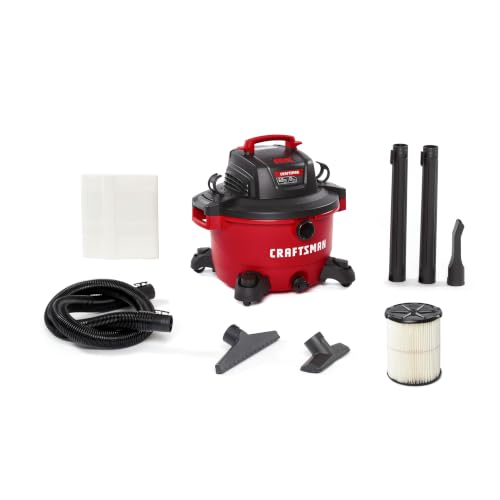

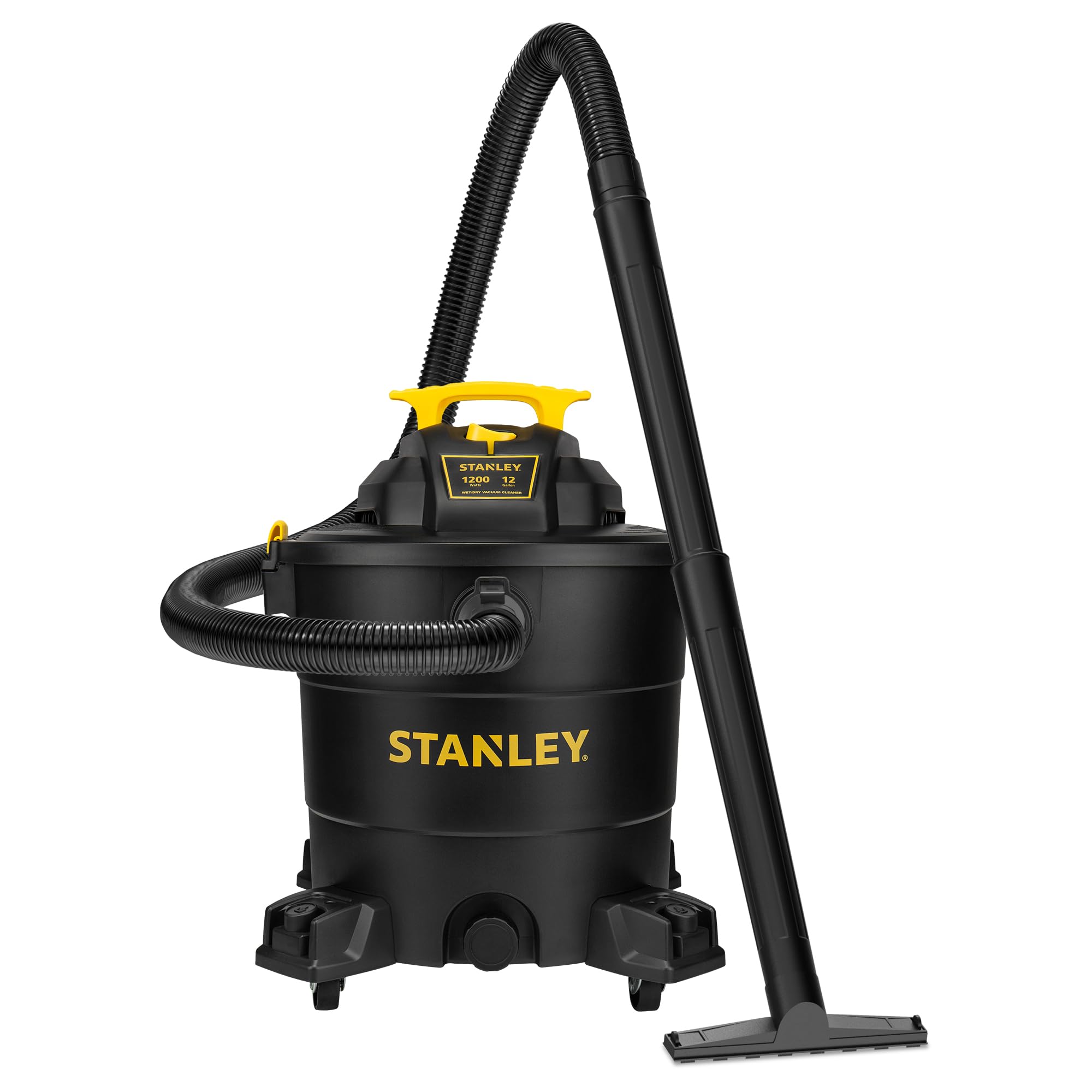


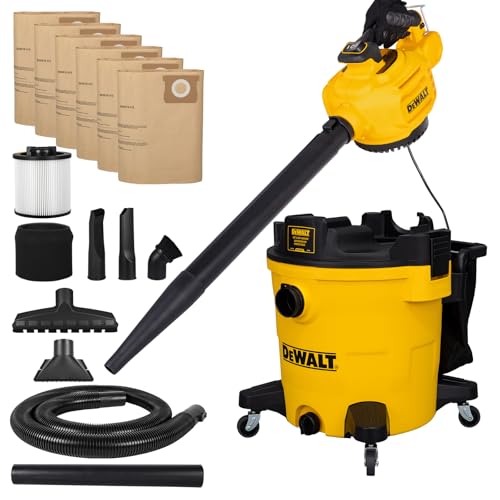
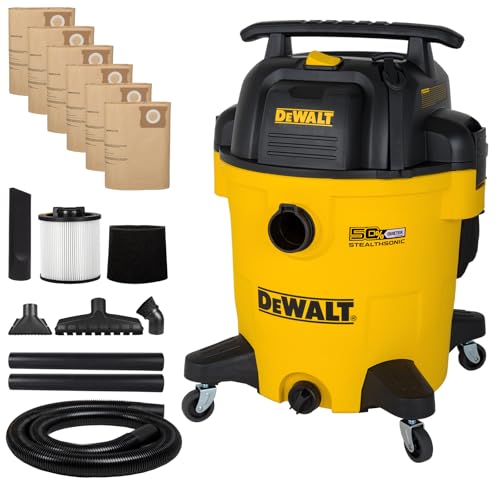
Who Should Buy a 12 Gallon Shop Vac?
Garage and Workshop Owners With Bulky Dry Debris
Sawdust, wood chips, screws and drywall chunks fill a small tank fast and clog narrow hoses. A 12 gallon tank with a wide hose lets you clear a workbench area or a renovation corner in one pass instead of stopping to empty every few minutes. If your messes are mostly light dust in a small apartment, you may be happier with the compact options in our guide to the best small shop vac instead.
Homeowners Who Face Occasional Wet Messes
A leaking water heater, a backed up utility sink or a muddy entryway calls for a machine that picks up liquid safely and empties without a wrestling match. Twelve gallons of water weighs about 100 pounds, so a low drain port matters more than raw capacity here. These buyers should prioritize a drain plug, a foam sleeve for wet pickup and sturdy casters, covered in the features section below.
Renovators Who Need Finer Filtration
Sanding dust and demolition debris punish a basic filter, and fine particles pass straight through a cheap cartridge and back into the room air. If your projects involve drywall or older painted surfaces, look for a 12 gallon model that accepts filter bags and a fine dust or HEPA rated cartridge. Start with the category overview in our guide to the best shop vac to see how this size class compares with smaller and larger tanks.
Key Features to Compare
Tank Size and Real Capacity
The 12 gallon rating describes the tank, not the amount of debris you can collect before performance drops. In practice you will empty dry debris well before the tank looks full, because a rising pile covers the filter and chokes airflow, and you should stop wet pickup before liquid reaches the float that shuts off suction. Treat 12 gallons as working room for bulky, lightweight material like leaves and packaging foam. Buyers who mostly vacuum cars and tight corners often find a smaller tank easier to carry, while a 16 gallon class machine suits long workshop sessions.
Motor Power, Airflow and Suction
Peak horsepower numbers on shop vacs are measured under ideal conditions and are a poor way to compare models, so look at airflow in CFM and sealed suction instead when brands publish them. High airflow moves bulky debris through the hose, while strong sealed suction lifts dense material like gravel and standing water. A motor in the common range for this size, drawing around 10 to 12 amps, gives a good balance for home use. More power also means more noise, so check the decibel rating if you will run the vacuum near living spaces or early in the morning.
Hose Diameter and Reach
Most 12 gallon models ship with a hose about 2.5 inches wide, which passes wood chunks and leaves without clogging but feels clumsy on car seats and stairs. Narrow accessory nozzles and an extension wand matter as much as the hose itself, and some kits include a slimmer hose for detail work. Car owners who spend most of their time on interiors should also read our guide to the best shop vac for car detailing, where smaller hoses and crevice tools take priority. Total reach, meaning cord length plus hose length, decides whether you can clean a two car garage without moving the plug.
Filtration, Bags and Fine Dust
A pleated cartridge filter handles general debris, filter bags keep that cartridge cleaner for longer and make emptying far less dusty, and a foam sleeve replaces the cartridge for wet pickup. Fine dust from sanding or concrete needs a fine dust rated cartridge or a HEPA rated option, and using bags with it stretches the interval between filter cleanings. For renovation dust in older homes, have older painted surfaces checked for lead before you vacuum them, and follow local guidance for cleanup. Filter fit is model specific, so confirm the replacement size before you stock up on bags.
Wet Pickup and the Drain Port
For liquid jobs, the float inside the tank rises with the water level and cuts suction before the motor gets wet, so never remove it. A drain port near the base lets you empty water into a floor drain with a short hose instead of lifting a tank that can weigh around 100 pounds when full. Always plug the vacuum into a GFCI protected outlet for wet work, keep your hands dry when handling the plug, and remove the paper cartridge filter first unless the manual says it can stay. Rinse and dry the tank after dirty water so odors do not set in.
Mobility, Cord and Storage
Large rear wheels and swivel front casters decide whether the vacuum follows you over a driveway lip or tips on a hose tug. A cord of about 15 to 20 feet plus the hose reach covers most garages, and onboard storage for the wand and nozzles keeps the kit together between jobs. If you often clean a deck, a vehicle parked outside or a far corner with no outlet, our guide to the best cordless shop vac covers battery models that trade runtime for freedom of movement. Check the stored footprint too, since a 12 gallon tank needs a real parking spot.
How to Match a 12 Gallon Shop Vac to Your Messes
Start from the debris, not the label. Chunky material such as bark, gravel and construction offcuts needs the wide hose and full airflow, while fine dust needs bags and a fine filter more than it needs power. Mixed household messes, like a garage floor with leaves, grit and a muddy meltwater puddle in winter, are exactly what this size handles best in a single session. Measure your storage spot and the doorway the vacuum must pass through, because a wide tank on casters can be awkward on stairs. Finally, price out a year of bags and one spare filter for any model you consider, since running costs differ more than purchase prices suggest.
What a 12 Gallon Shop Vac Costs to Own
Basic models in this size sell for around $100, mid range machines with better hoses and filtration run about $130 to $200, and premium units with quieter motors cost more. The ongoing costs are filter bags, replacement cartridges and occasional accessory hoses. A household that renovates often may spend around $30 to $60 a year on bags and filters, while light users spend far less. Spending a little more up front for a drain port and a longer cord usually saves more time than a small jump in motor power.
Common Mistakes to Avoid
- Vacuuming fine drywall dust with only the standard cartridge and no bag, which clogs the filter and blows dust back into the room.
- Letting the tank overfill with water until the float slams shut mid job, which can spray mist from the exhaust and strain the motor.
- Pulling the vacuum around by its hose, which cracks hose cuffs and tips the tank on uneven floors.
- Using the paper filter for wet pickup, which turns it into a soggy mat that blocks airflow and grows odor.
- Ignoring a torn filter bag during cleanup, which lets sharp debris reach and damage the cartridge filter.
How to Make Your Shop Vac Last Longer
Empty the tank while debris is still below the filter line, and shake or rinse the cartridge outdoors once it looks coated, letting it dry fully before reinstalling. Rinse the tank after wet jobs and store the vacuum with the lid ajar so the interior dries and stays fresh. Coil the cord loosely instead of wrapping it tight around the handle, and store the hose in a wide loop so the cuffs are not stressed. Check the float moves freely every few months, and replace cracked caster wheels early, since a dragging vacuum gets yanked around and wears its hose and cord faster.
FAQ
Is a 12 gallon shop vac too big for household use?
For most houses with a garage or basement, no. The tank footprint is similar to a large bucket on wheels, and the extra capacity means fewer trips to empty during yard and renovation cleanup. It is more than apartment dwellers need for occasional spills, and it is heavy to carry up stairs, so smaller homes usually do better with a compact model they can park in a closet.
Can a 12 gallon shop vac pick up water safely?
Yes, that is one of its main jobs. Swap the cartridge for the foam sleeve if your model requires it, watch the water level, and stop when the float cuts suction. Plug into a GFCI protected outlet, keep the plug and your hands dry, and empty through the drain port rather than lifting the full tank. Never use a shop vac on flammable liquids such as gasoline.
What filter does a 12 gallon shop vac need for drywall dust?
Drywall dust is very fine and slips through a standard cartridge quickly. Pair a fine dust rated or HEPA rated cartridge with disposable filter bags, which catch most of the dust before it reaches the pleats. Change bags as soon as suction dips instead of packing them full. If the dust comes from a older painted surface, stop and arrange a lead check first.
How long a hose can a 12 gallon shop vac support?
Most models work well with the included hose plus one extension of similar diameter, giving roughly 14 to 20 feet of total hose. Every added length costs some suction, and narrow hoses lose more than wide ones. For a long run to a parked car, moving the vacuum halfway is usually faster than stacking extensions. Keep bends gentle, since a kinked hose cuts airflow sharply.
When should the filter on a shop vac be replaced?
Replace the cartridge when suction stays weak after cleaning it, when pleats are torn or crushed, or when a musty smell survives rinsing and drying. A filter used with bags lasts far longer than one exposed to raw debris. Many households get a year or more from a cartridge with regular bag use, while heavy renovation work can wear one out in a single project.
Final Thoughts
Choose by mess first: wide hose and strong airflow for chunky debris, bags and fine filtration for dust, and a drain port if water is part of your routine. The product table above lays out how the main configurations differ, and the best 12 gallon shop vac for your home is the one whose hose, filters and running costs fit the jobs you actually do each month.


